Thousands of IT contractors working remotely for US companies have been sending millions of dollars to North Korea to fund its ballistic missile program, according to federal prosecutors. The Department of Justice seized 17 website domains used by North Korean IT workers in a scheme to defraud the US and foreign businesses, evade sanctions, and finance the country's weapons program. The workers were dispatched to live abroad in countries like Russia and China, using pseudonymous email, social media, payment platforms, and false websites to carry out their activities. The FBI encourages US companies to report any suspicious activities related to North Korean IT workers.

The Biden administration is set to allow United Nations sanctions on Iran's ballistic missile program to expire, which experts say will be a "huge victory" for Tehran and a potential boost for Hamas in its conflict with Israel. The expiration of the UN embargo on Iran's ability to procure and sell missiles and drones is scheduled for Wednesday. Critics argue that lifting these sanctions rewards Iran for its support of terrorism and proliferation. While the US and European allies have other tools to hold Iran accountable, the decision not to extend the embargo has raised concerns about the potential expansion of Iran's missile capabilities and its support for destabilizing activities in the Middle East.
The US has imposed sanctions on two individuals and a Moscow-registered firm accused of supporting North Korea's ballistic missile program, following North Korea's failed launch of a spy satellite. The Treasury sanctioned Jon Jin Yong and Sergei Kozlov, who were involved in coordinating the use of North Korean construction workers in Russia, and sanctioned Intellekt LLC, a firm connected to a Moscow-based construction project. The Biden administration has claimed that Russia has been turning to North Korea and Iran for arms in its conflict with Ukraine.
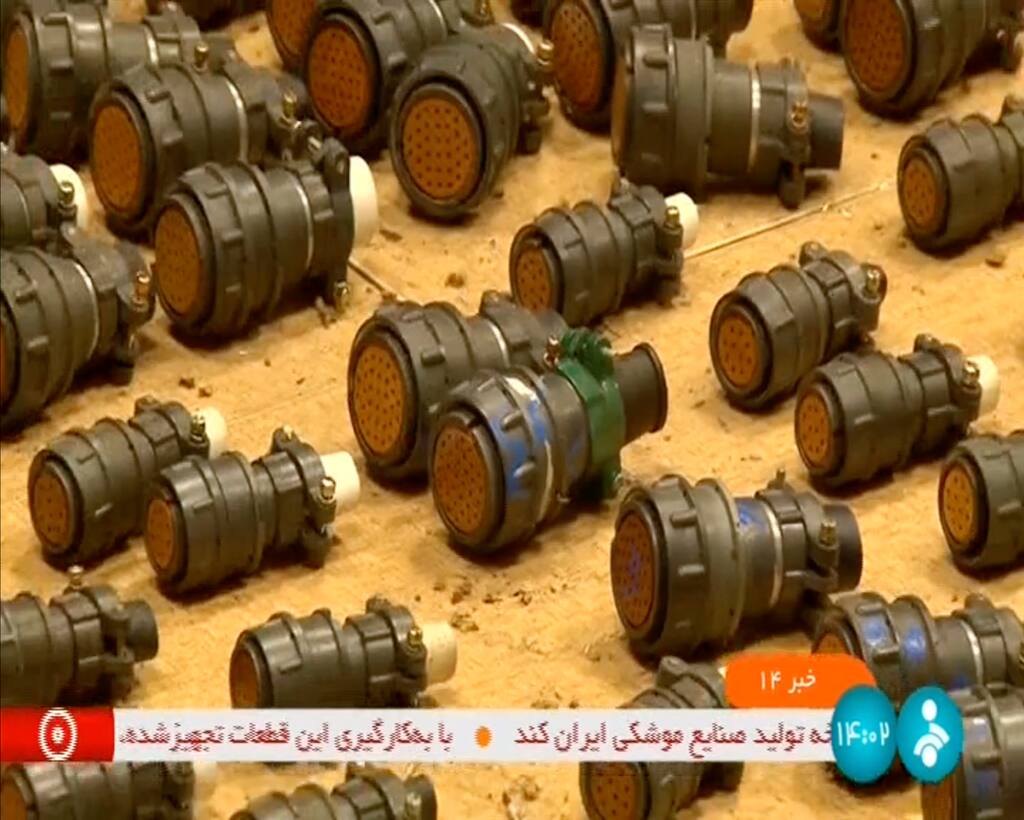
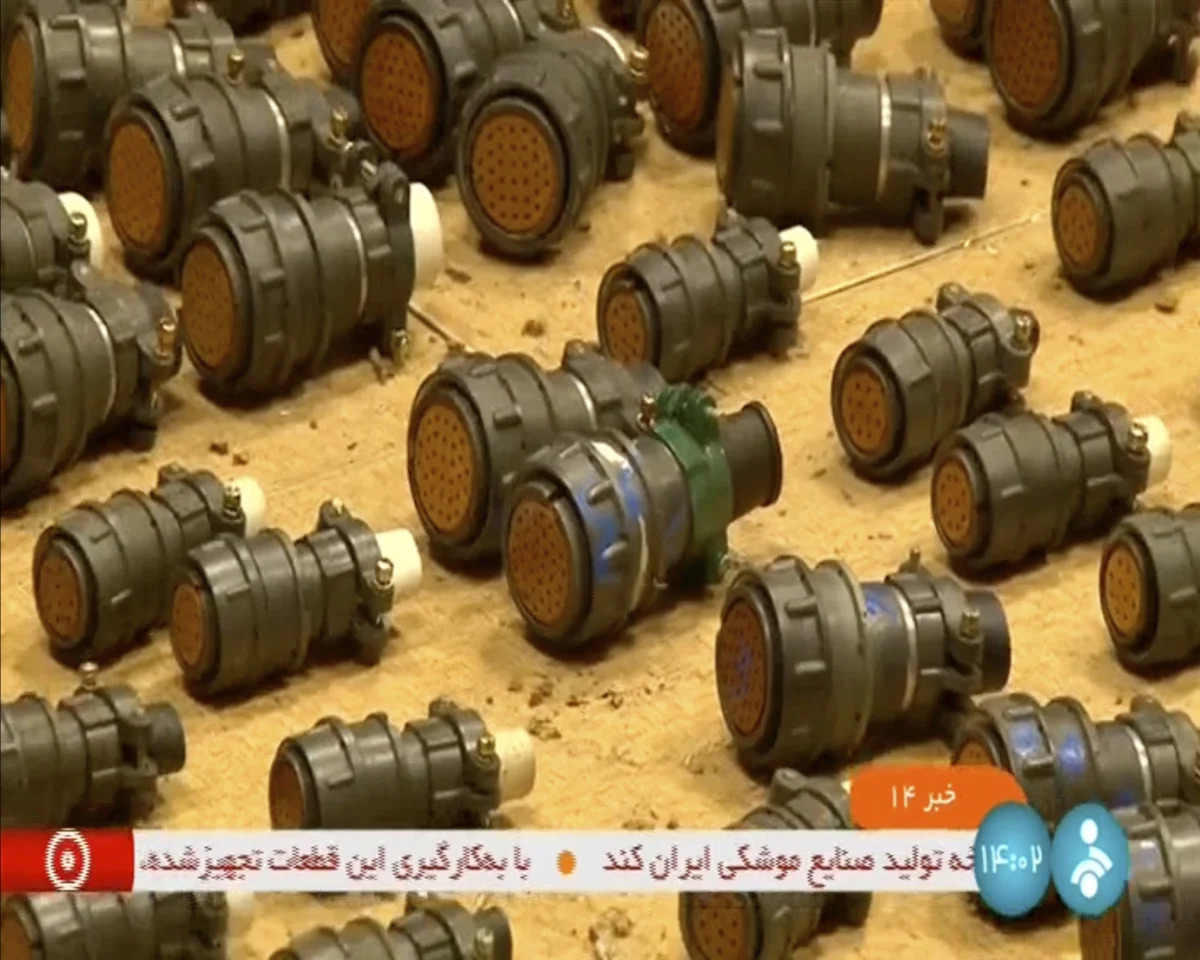
Iran has accused Israel of attempting to sabotage its ballistic missile program by supplying faulty foreign parts that could explode, damaging or destroying the weapons. The alleged operation, described as "one of the biggest attempts at sabotage," involved Israeli Mossad agents providing low-price "connectors" that are used to attach electronic components in missiles and drones. The report did not specify when the faulty parts were discovered or if they had been installed in any ballistic missiles prior. Israel has declined to comment on the allegation.
Iran has accused Israel of attempting to sabotage its ballistic missile program by supplying faulty foreign parts that could explode, damaging or destroying the weapons before use. The Israeli prime minister's office declined to comment on the allegation. The alleged operation by Israeli Mossad agents was described as one of the biggest attempts at sabotage. The parts shown on state TV appeared to be military-style connectors used to attach electronic components of missiles or drones. Iran's paramilitary Revolutionary Guard oversees the country's ballistic missile arsenal.