
Tag

Salt Glaciers

All articles tagged with #salt glaciers

space-science2 years ago

"Potential Life Found Under Mercury's Salt Glaciers, Scientists Say"

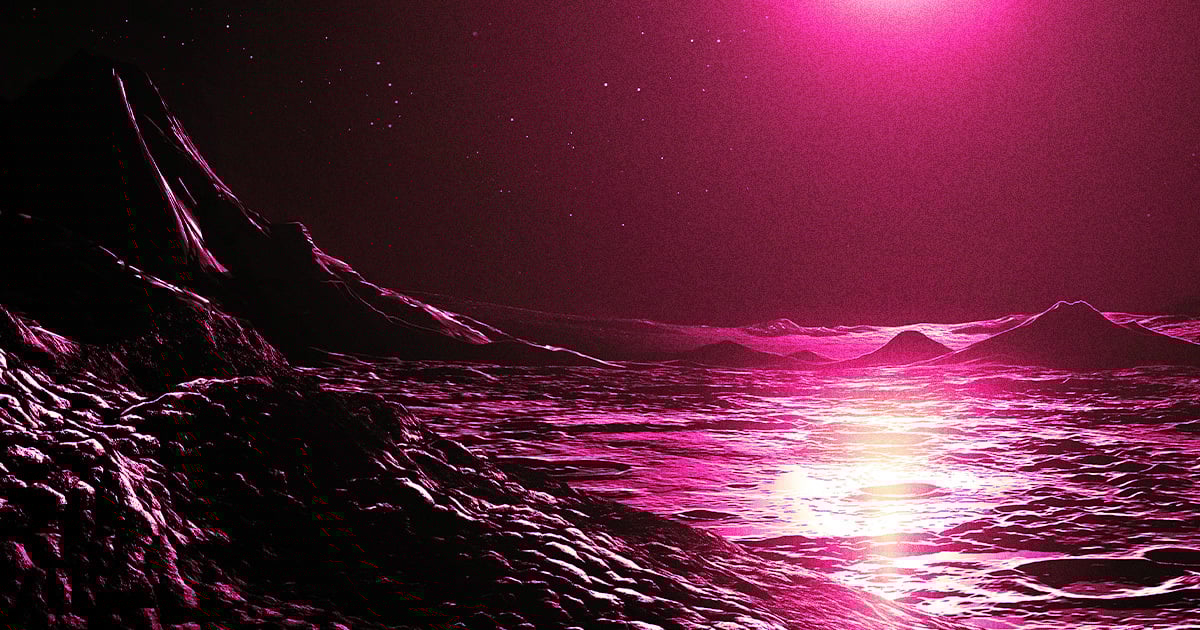
Scientists at the Planetary Science Institute have discovered evidence of salt glaciers on Mercury's surface, suggesting the possibility of subsurface areas that may be more hospitable to life than the planet's harsh surface. These salt glaciers contain volatile compounds, such as sodium and potassium, which were previously thought to have been stripped away due to the planet's proximity to the Sun. The researchers propose that these layers of salt could potentially harbor evidence of life, similar to the harsh salt pools on Earth. The upcoming BepiColombo probe is expected to provide further insights into Mercury's mysteries when it arrives in 2025.
space2 years ago

"Exploring Mercury's Salty Glaciers: Potential Havens for Alien Life?"

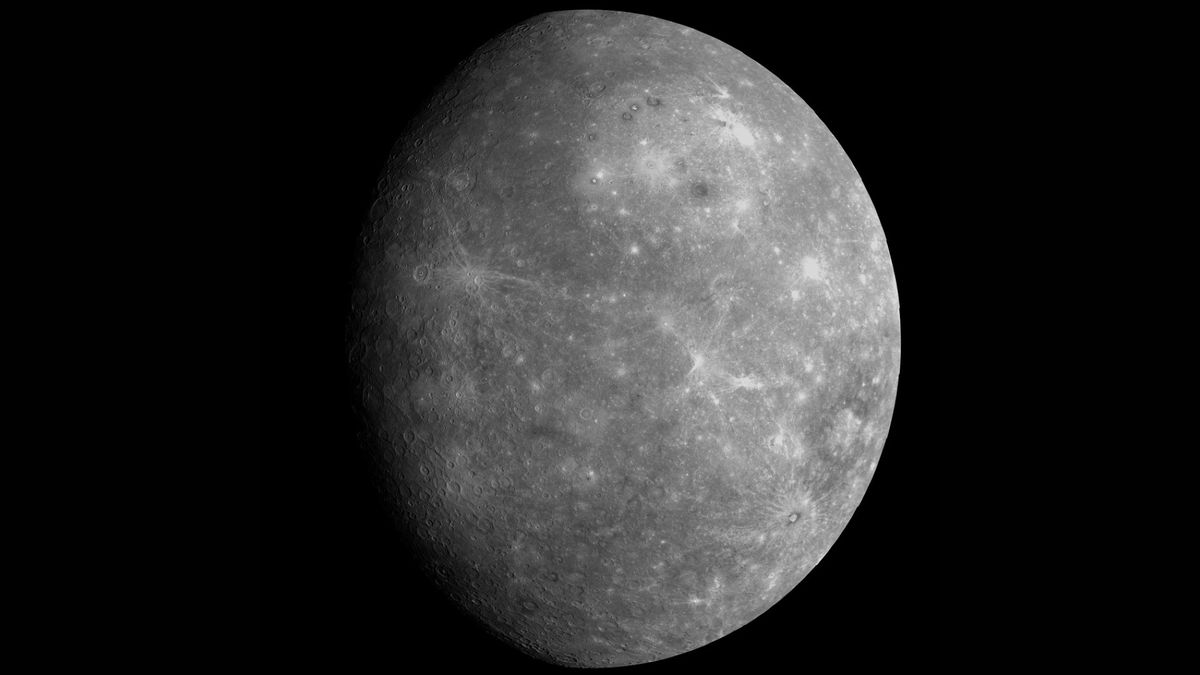
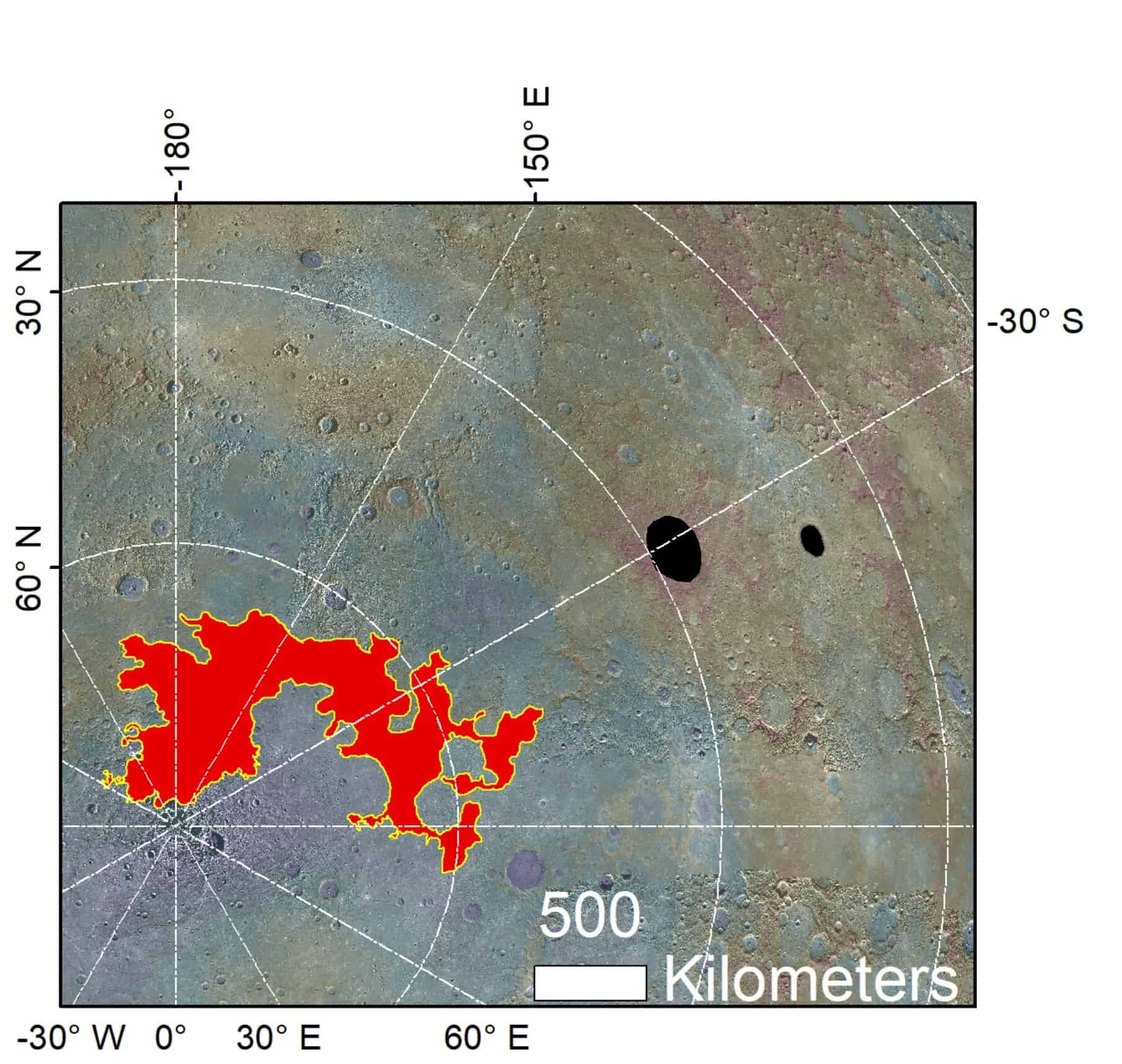
Scientists have discovered the presence of salt glaciers on Mercury, suggesting that even the closest planet to the sun may occasionally have conditions similar to Earth. These salt glaciers could potentially create habitable environments for life, similar to extreme environments on Earth. The discovery challenges the notion that Mercury is devoid of volatiles and indicates that they may be buried below the planet's surface. The glaciers are believed to have formed from deeply buried volatile-rich layers exposed by asteroid impacts. The research also suggests that clusters of hollows within impact craters on Mercury may originate from zones of volatile-rich layer exposure caused by space rock impacts.

space2 years ago

"Exploring Mercury's Mysteries: Salt Glaciers, Primordial Atmosphere, and Astrobiology's New Horizons"

Scientists have discovered evidence of potential salt glaciers on Mercury, challenging the long-held view of the planet as devoid of volatiles. These glaciers are believed to originate from deeply buried volatile-rich layers exposed by asteroid impacts and may retain volatiles for over 1 billion years. The discovery opens up new possibilities for astrobiology, suggesting that subsurface areas on Mercury could be more hospitable than its harsh surface and potentially act as depth-dependent "Goldilocks zones" for life. The findings also shed light on the formation of volatile-rich layers and suggest a grand-scale structure resulting from the collapse of a primordial atmosphere on Mercury.