
"Exploring Mercury's Mysteries: Salt Glaciers, Primordial Atmosphere, and Astrobiology's New Horizons"
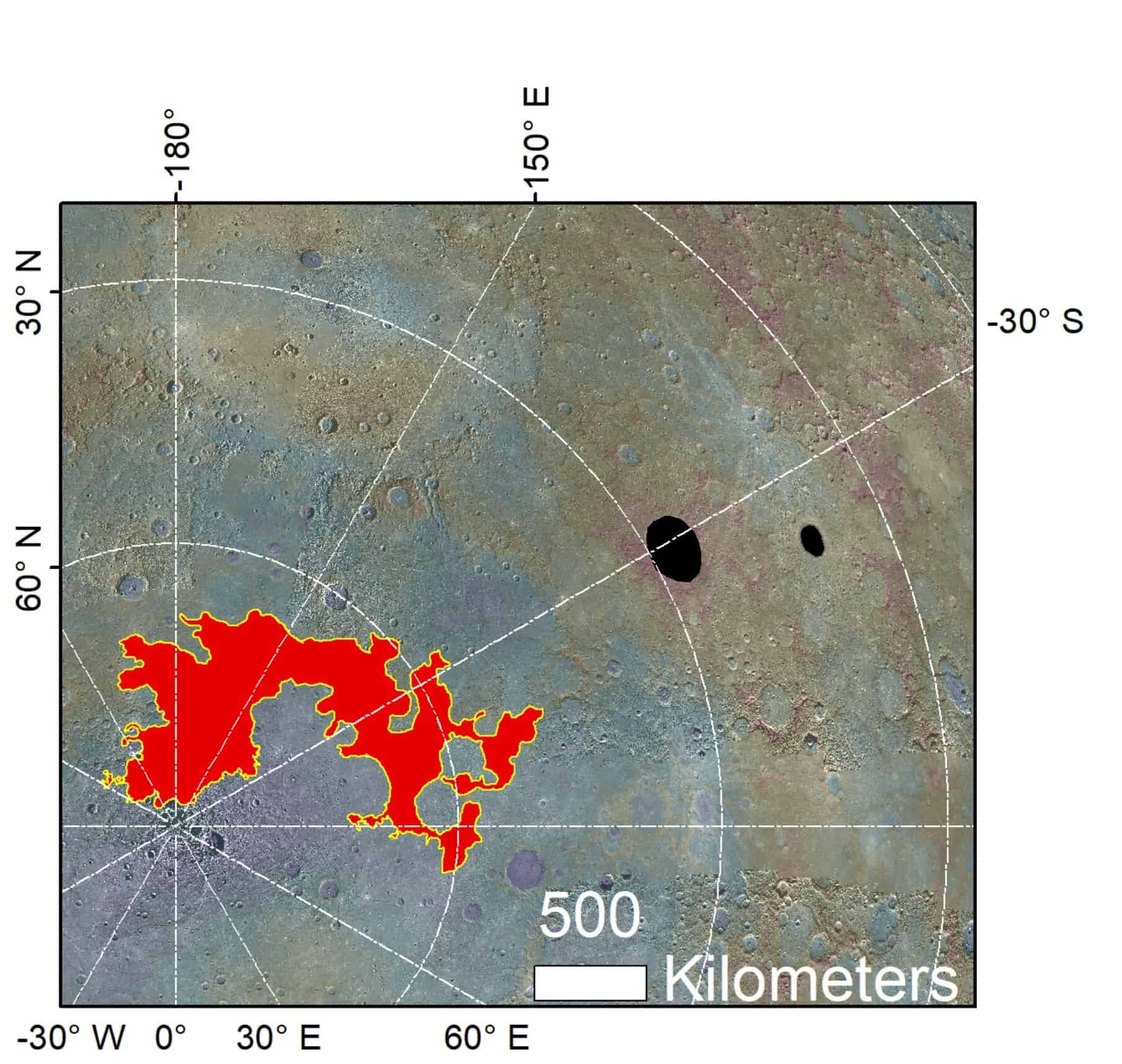
Scientists have discovered evidence of potential salt glaciers on Mercury, challenging the long-held view of the planet as devoid of volatiles. These glaciers are believed to originate from deeply buried volatile-rich layers exposed by asteroid impacts and may retain volatiles for over 1 billion years. The discovery opens up new possibilities for astrobiology, suggesting that subsurface areas on Mercury could be more hospitable than its harsh surface and potentially act as depth-dependent "Goldilocks zones" for life. The findings also shed light on the formation of volatile-rich layers and suggest a grand-scale structure resulting from the collapse of a primordial atmosphere on Mercury.
Reading Insights
0
5
4 min
vs 5 min read
88%
856 → 102 words
Want the full story? Read the original article
Read on Phys.org