Tag

Saliva Test

All articles tagged with #saliva test

health1 year ago

"New Spit Test Offers Hope for Prostate Cancer Detection"

Early research presented at the ASCO annual meeting suggests that at-home saliva tests are more accurate than standard PSA blood tests for identifying men with a high genetic risk of aggressive prostate cancer. The study, involving over 6,000 men, found that the saliva test gave fewer false positives and detected a higher proportion of aggressive cancers. This new method could lead to earlier diagnosis and save thousands of lives, while also reducing unnecessary treatments for those at lower risk. Further research is needed to confirm these findings before widespread implementation.

health1 year ago

"New Saliva Test Revolutionizes Prostate Cancer Screening"

New research suggests that at-home saliva tests are more effective at identifying men at higher risk of prostate cancer than standard blood tests. The study, conducted by the Institute of Cancer Research and The Royal Marsden NHS Foundation Trust, found that the saliva test could detect genetic factors linked to the disease, potentially leading to earlier and more accurate diagnoses. Preliminary results show the saliva test produced fewer false positives and identified a higher proportion of aggressive cancers. Further research is needed to confirm these findings and potentially implement a national screening program.

health1 year ago

Breakthrough Saliva Test for Prostate Cancer Outperforms Blood Samples

A new at-home saliva test for prostate cancer, developed by the Institute for Cancer Research in London, has shown to be more effective than current blood tests, potentially reducing unnecessary GP visits and physical exams. The test, which checks DNA for high-risk genes, could lead to earlier detection of aggressive tumors and fewer false positives. The trial, involving 6,142 men, found 187 cases of prostate cancer that might have been missed by traditional methods. The study aims to improve screening and outcomes for men, particularly those over 50, overweight, or black.

healthtech1 year ago

"Rapid Saliva Test Detects Breast Cancer Biomarkers in 5 Seconds"

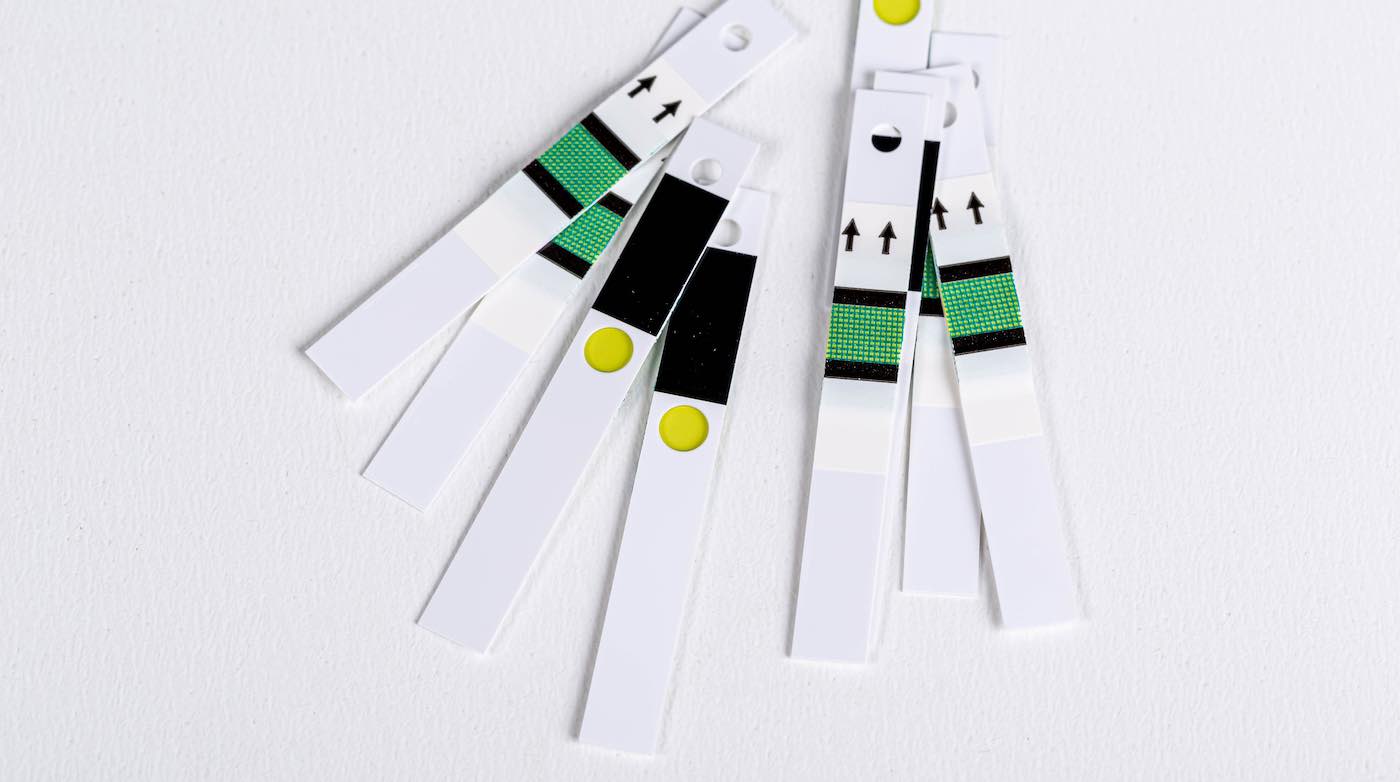
Scientists from the University of Florida and National Yang Ming Chiao Tung University in Taiwan have developed a hand-held portable device that uses saliva to detect breast cancer biomarkers in under five seconds, providing accurate results. The device, which is cost-effective and uses common components, could revolutionize breast cancer screening, especially in remote areas where advanced technologies like MRI may not be readily available. The biosensor, using paper test strips treated with specific antibodies, has the potential to help people worldwide by enabling early detection of breast cancer.

healthtech1 year ago

"Revolutionary $5 Saliva Test Detects Breast Cancer in Seconds"

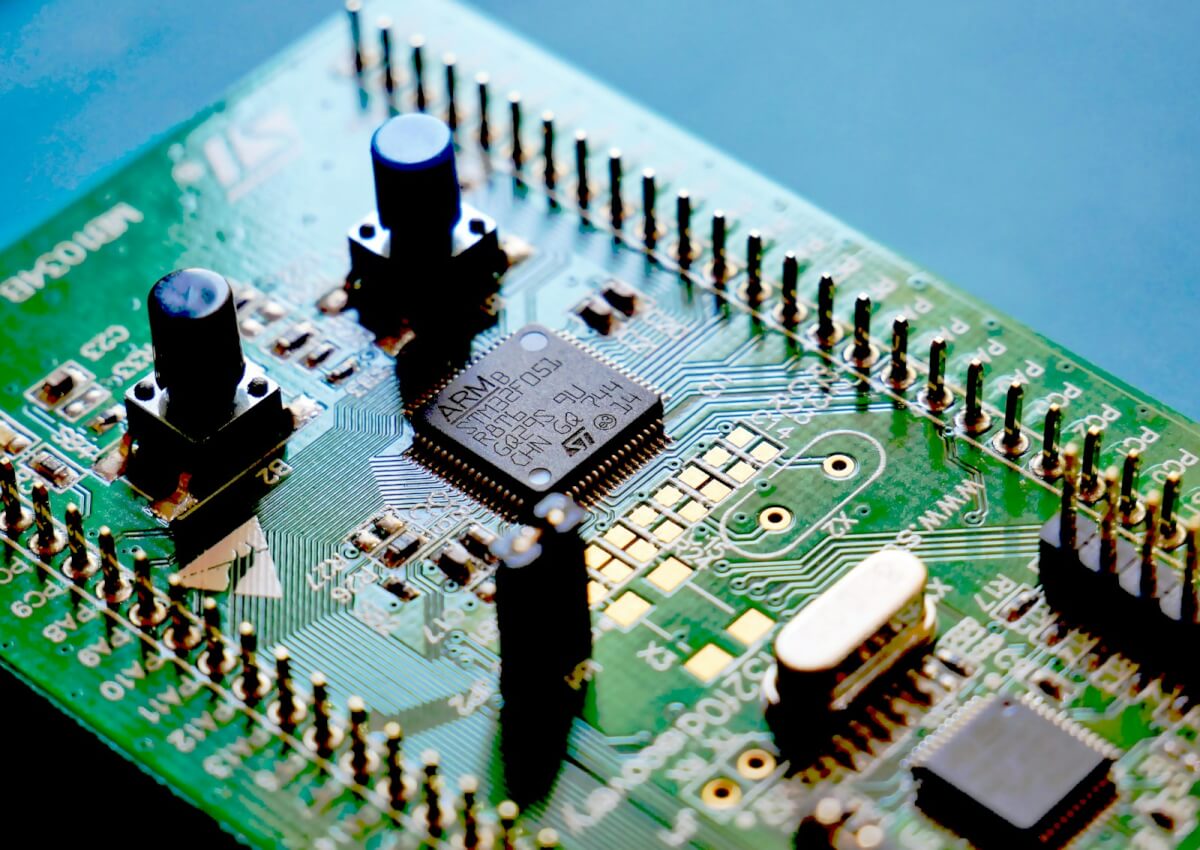
A new handheld biosensor device, costing only $5, is capable of accurately testing for breast cancer in less than five seconds using just a small sample of saliva. Developed by researchers at the University of Florida and National Yang Ming Chiao Tung University in Taiwan, the device uses common components such as glucose testing strips and an open-source Arduino platform. It provides highly efficient and cost-effective breast cancer screening, making it a revolutionary alternative to traditional methods like mammograms and MRIs, particularly in regions with limited access to advanced medical technologies. The device has the potential to enable early breast cancer detection worldwide and has been shown to provide accurate results even with very low biomarker concentrations.

health-technology1 year ago

"Revolutionary $5 Spit Test Detects Breast Cancer in 5 Seconds"

Researchers in Florida and Taiwan have developed a portable spit test that can detect breast cancer using a single drop of saliva in just five seconds, costing only $5. The palm-sized handheld device uses common components like glucose tests and open-source hardware to analyze cancer biomarkers in saliva, providing a low-cost alternative to invasive procedures like mammograms and ultrasounds. The test has shown promising results in differentiating between healthy individuals and those with breast cancer, but it may take several years to be available to patients pending regulatory approval.