Tesla has published analyst forecasts indicating that its 2025 vehicle deliveries will be lower than previously expected, with a decline in quarterly and annual sales compared to earlier targets, raising questions about its growth trajectory and valuation.
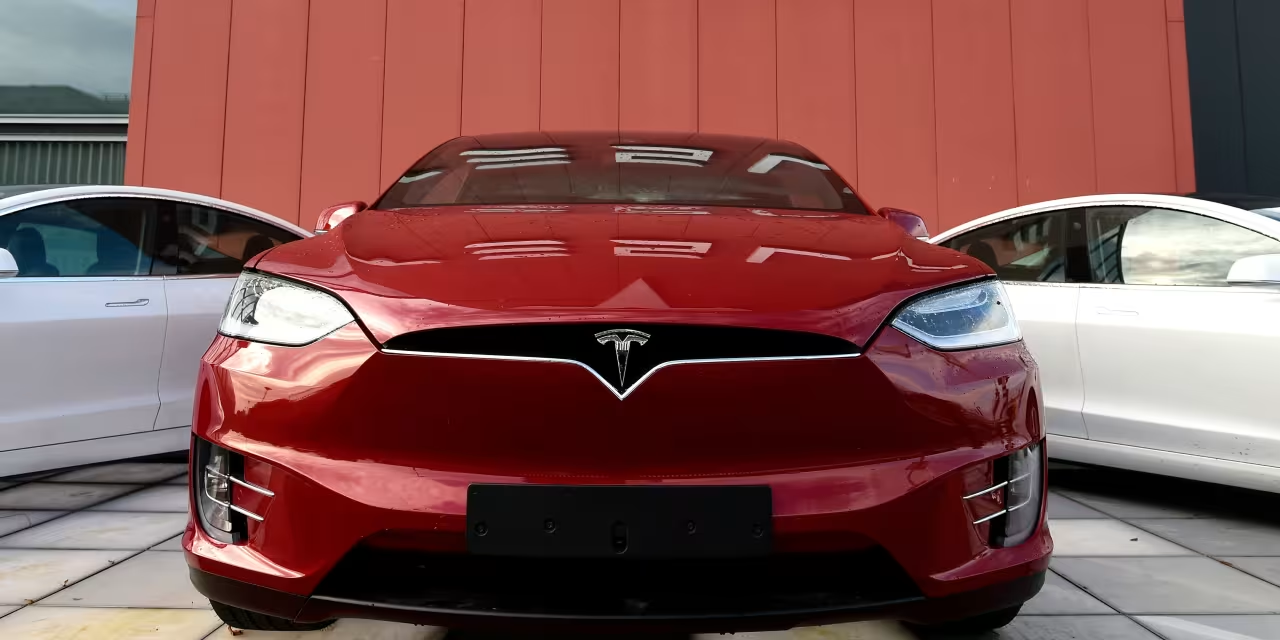
Tesla issued a pessimistic forecast for its Q4 deliveries, expecting a 15% decline to around 422,850 units, signaling a potential second consecutive annual sales decline and impacting its stock performance, amid ongoing challenges in Europe and China.
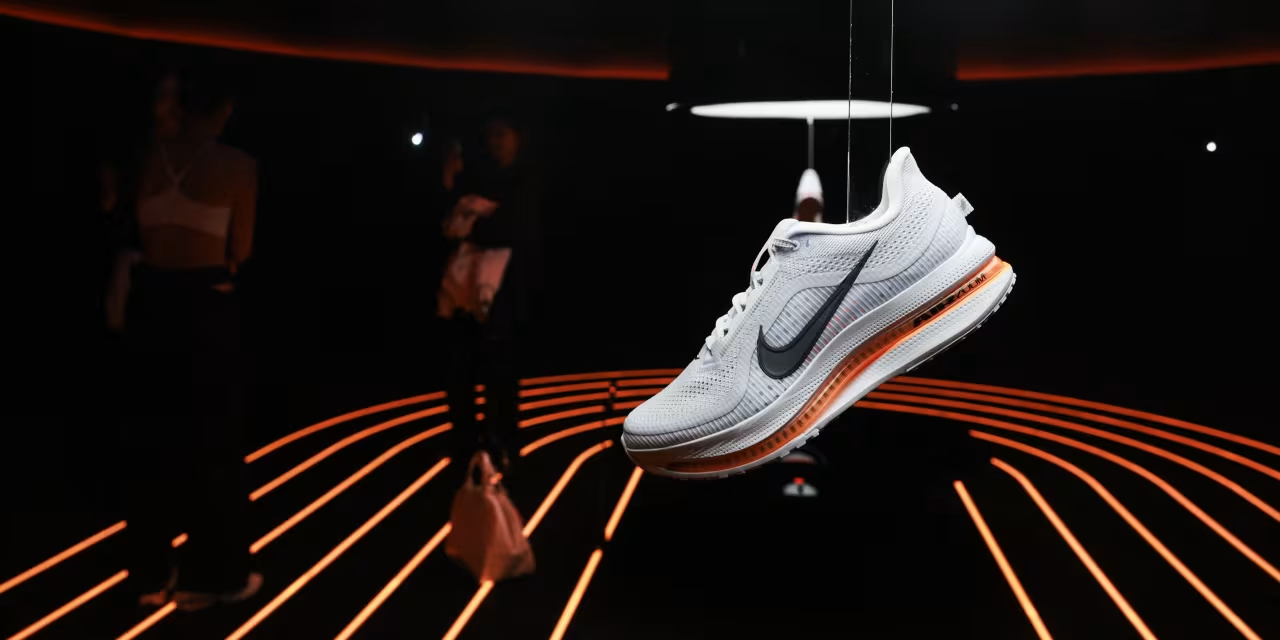
Nike's CEO describes the company's recovery as 'in the middle innings,' with ongoing challenges including declining sales in China and tariffs impacting margins. While North American sales are strong, overall outlook remains cautious, and shares fell after the earnings report, reflecting investor concerns about the pace of the turnaround.
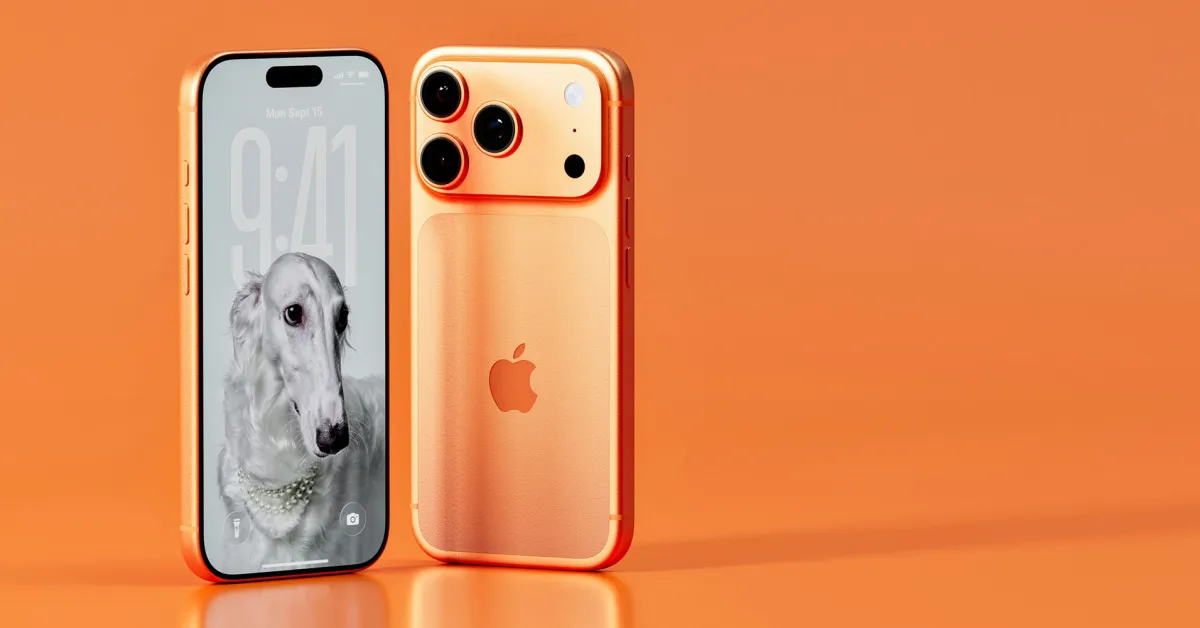
Counterpoint Research predicts a 2.2% decline in iPhone sales in 2026 due to rising manufacturing costs, with global smartphone shipments expected to fall by 2.1%, impacting especially the lower-end market, though Apple and Samsung are better positioned to handle increased costs.
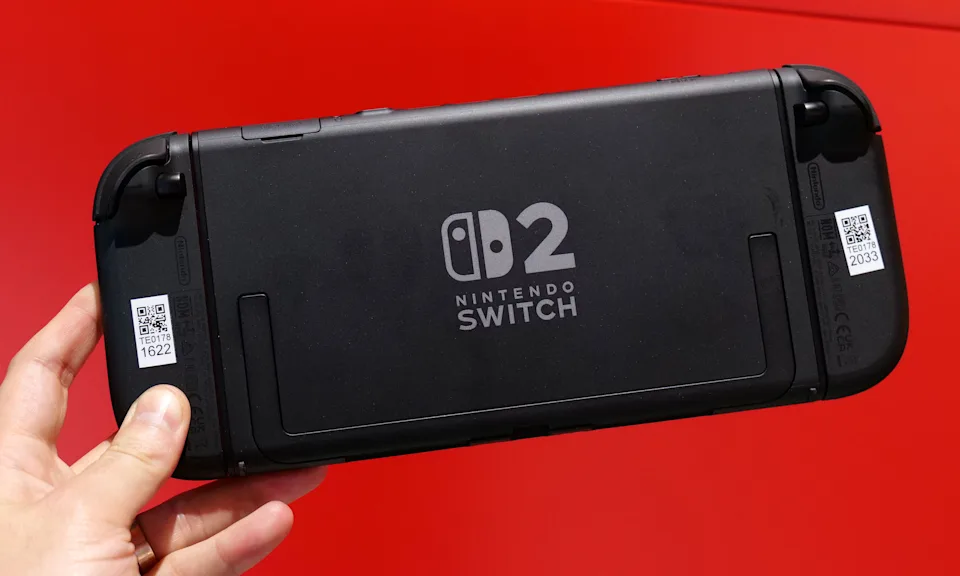
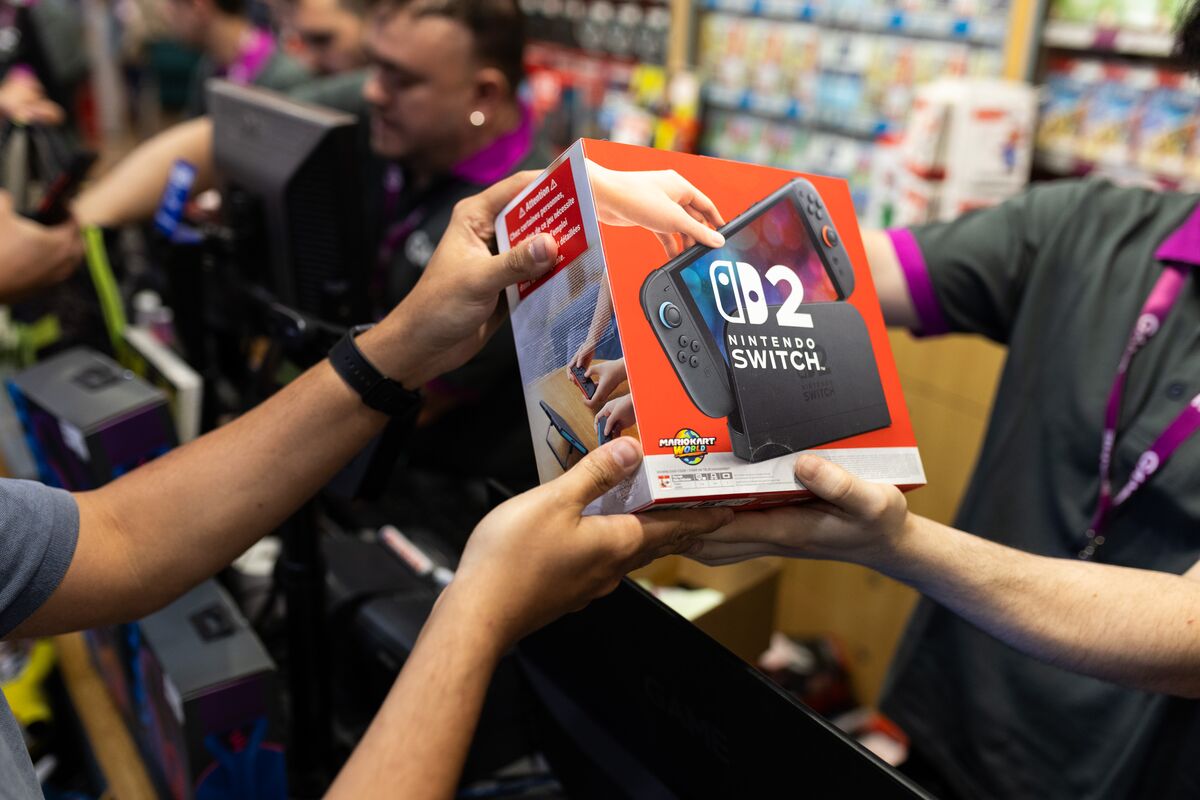
Nintendo has increased its sales forecast for the Switch 2, expecting to sell 19 million units by March 2026, surpassing the original Switch's first-year sales, driven by strong holiday season sales and popular game releases, leading to higher revenue and profit.
Nintendo's shares rose 10% after raising its sales forecast for the Switch 2 to 19 million units by March, driven by strong early sales and holiday demand, reflecting confidence in the console's momentum despite economic challenges.
Apple's CEO Tim Cook forecasts holiday quarter iPhone sales and revenue that surpass Wall Street estimates, driven by strong demand for iPhone 17 models despite supply constraints and delays in China. The company expects double-digit iPhone sales growth and a 10-12% increase in overall revenue for Q1 2026, with particular strength in base and Pro models, while addressing ongoing supply issues and trade tensions.
Chipotle's stock dropped over 15% after lowering its sales forecast for the third consecutive quarter due to ongoing macroeconomic pressures affecting consumer spending, especially among low- to middle-income customers, leading to reduced visits and sales.
IBM's stock declined nearly 5% after reporting a strong third-quarter with earnings and sales beating expectations, driven by increased AI demand and a boosted full-year sales forecast, despite the stock's recent gains and mixed segment performances.
Constellation Brands lowered its full-year sales and profit outlook due to declining demand for beer among U.S. consumers, especially Hispanic buyers, amid economic concerns and reduced social gatherings, leading to a projected 2-4% fall in beer sales for 2026 and a drop in stock value.
Marvell Technology reported strong earnings but issued a sales forecast below Wall Street expectations, leading to an 8% drop in after-hours trading. The company highlighted increased demand for AI and enterprise networking products, but investors reacted to the sales outlook, causing the stock to decline despite recent gains.
Super Micro's shares fell after lowering its revenue and profit forecasts for the fiscal year, citing weaker demand and pricing pressures in AI server markets, especially with Nvidia chips, raising concerns about its ability to capitalize on AI growth despite previous optimism and a significant stock surge this year.
Hims & Hers stock dropped over 11% after missing Wall Street's Q2 sales forecast despite higher profits, as the company shifts focus to personalized healthcare and faces challenges in its obesity-related business. The company maintains its annual sales guidance but faces scrutiny over its core business and recent market performance, amid a broader industry context involving weight-loss drugs and strategic partnerships.
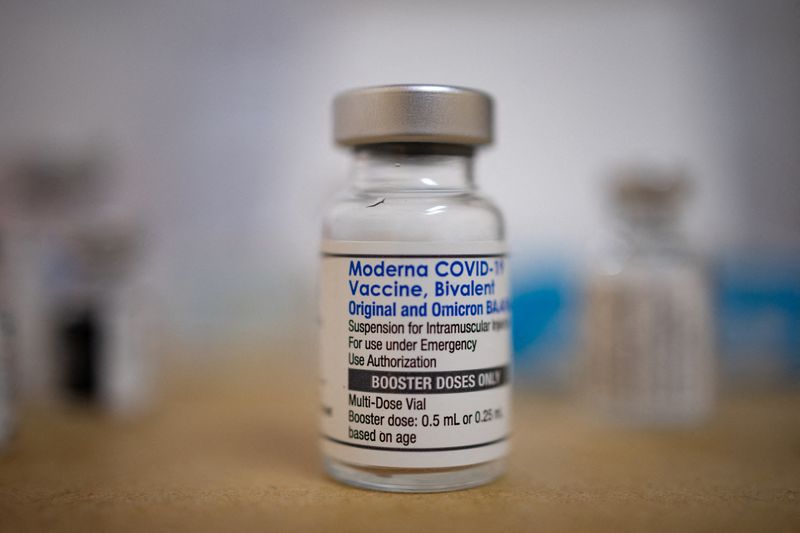
Moderna exceeded Wall Street sales expectations in Q2 driven by strong COVID booster demand and cost reductions, but lowered its 2025 sales forecast due to delayed UK revenue, and announced significant cost-cutting measures including workforce reductions.
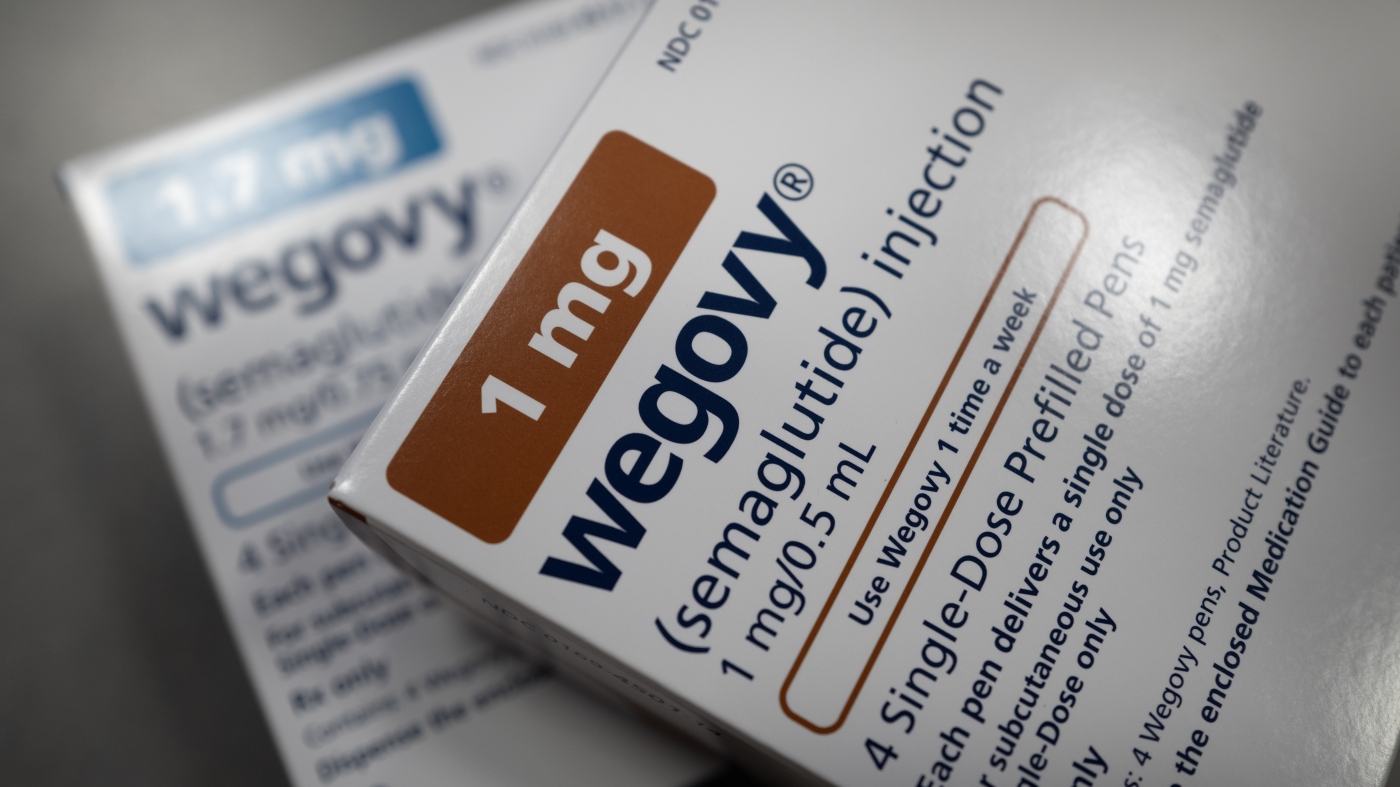
Novo Nordisk has lowered its sales forecast for the obesity drug Wegovy due to increased competition from compounded versions made by pharmacies, which are not FDA-approved but are legally customized for individual patients. The company is taking legal action to address this issue and has announced a new CEO, Maziar Mike Doustdar. Despite efforts to sell Wegovy directly to consumers, sales through cash channels have been lower than expected, impacting the company's stock.