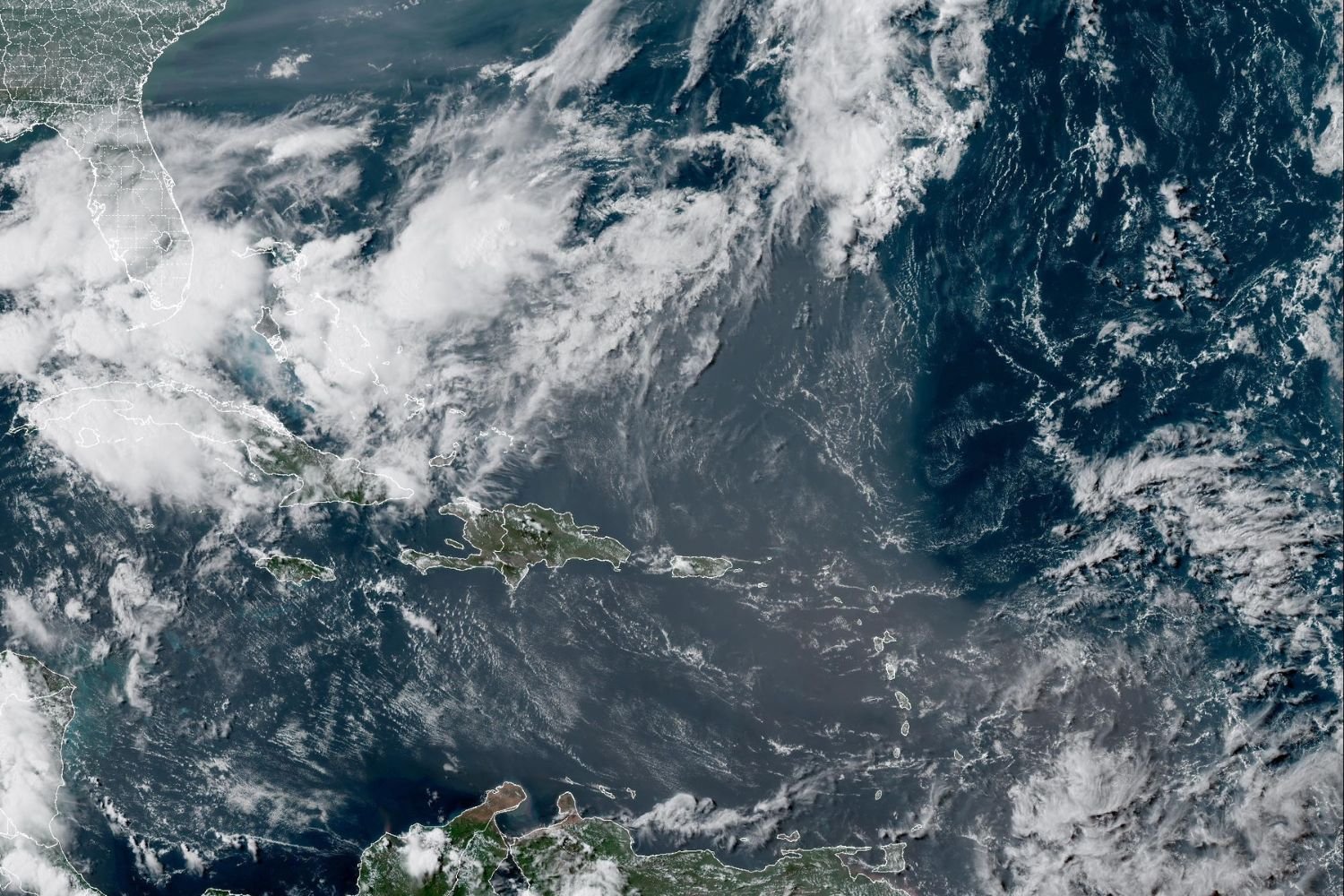
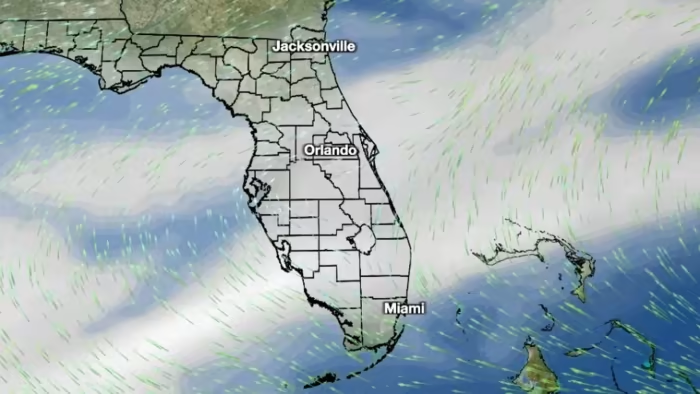
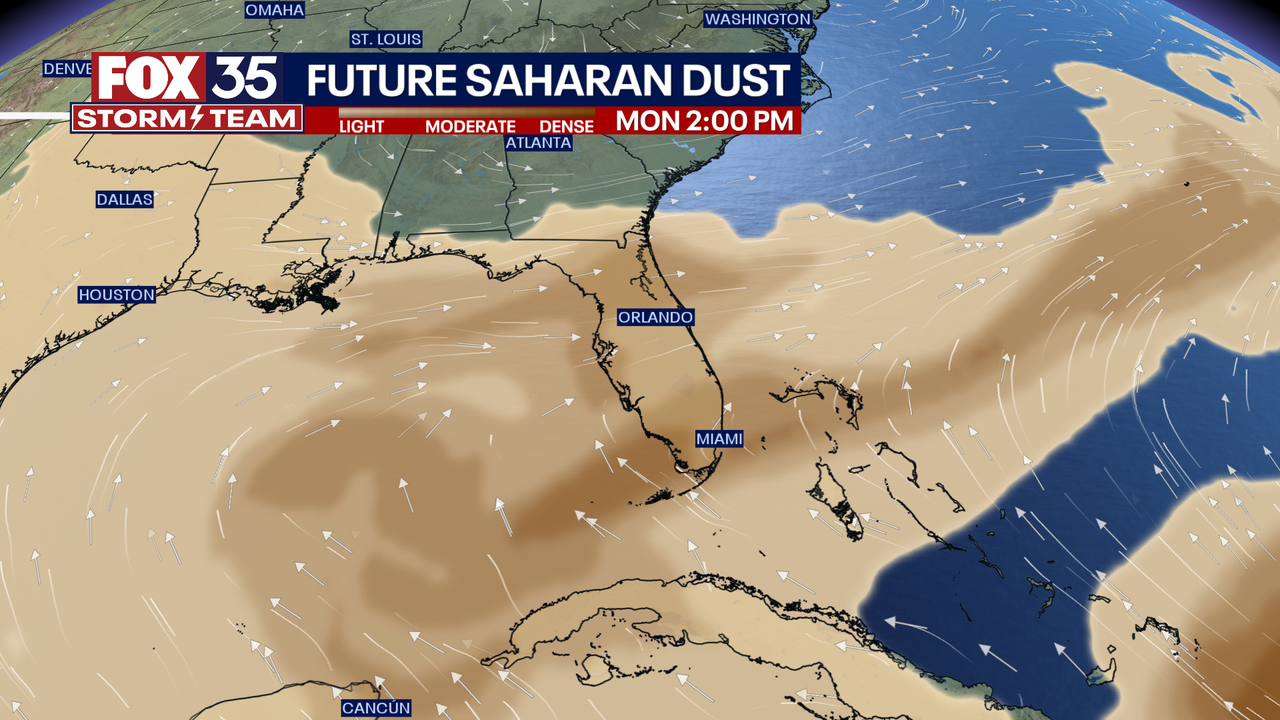
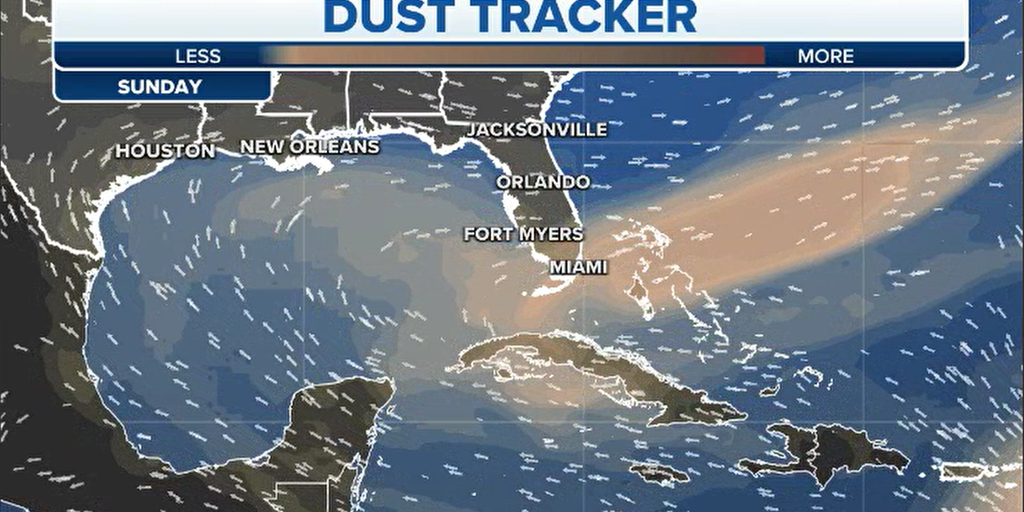
A plume of Saharan dust has reached South Florida and is expected to spread across the state, bringing drier weather and hazy skies, with some dust potentially reaching Texas and Georgia in the coming days.
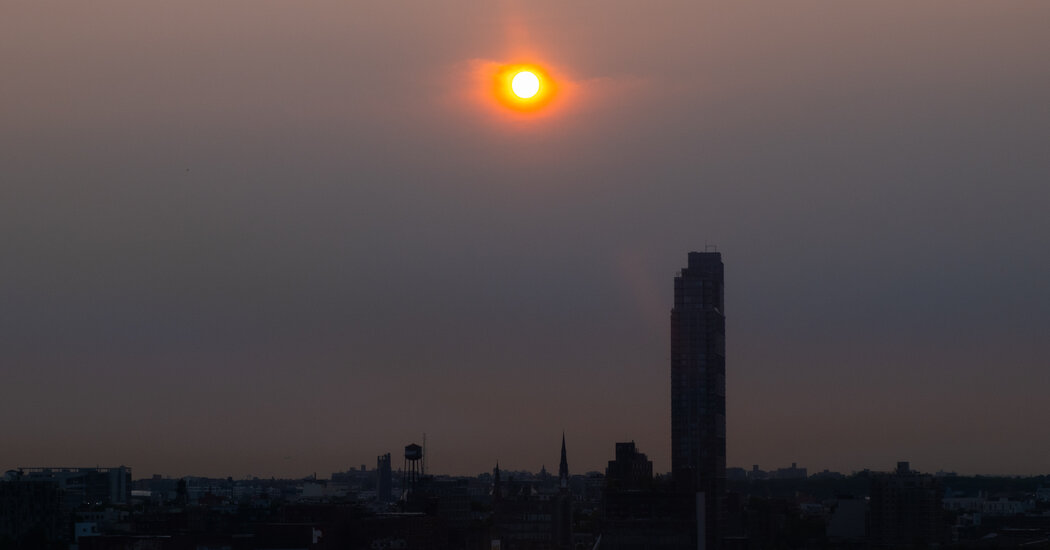
Wildfire smoke from Canada and dust from the Sahara are causing hazy skies and unhealthy air quality across the Eastern U.S., prompting air quality alerts and health advisories, especially for sensitive groups in New York City and surrounding areas.
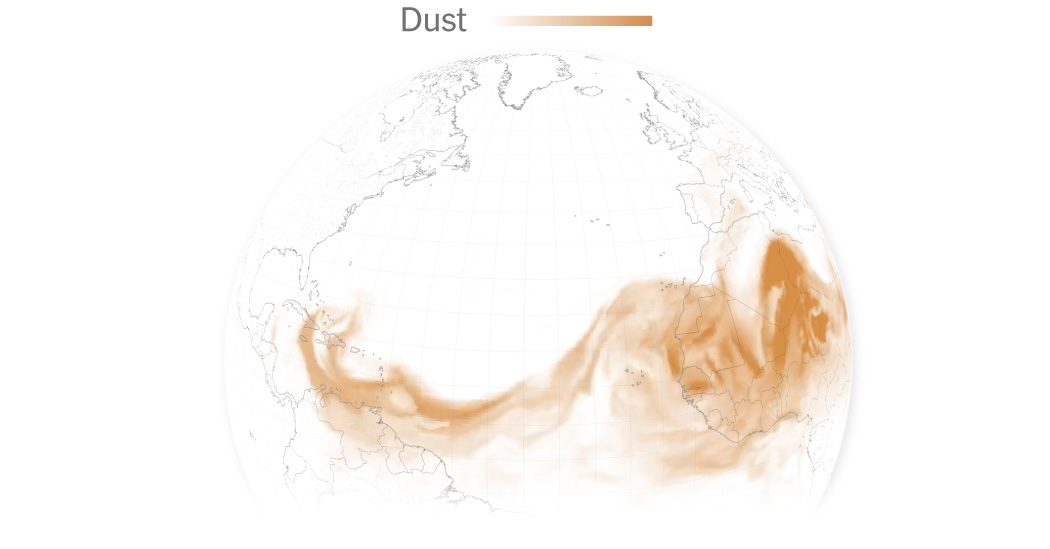
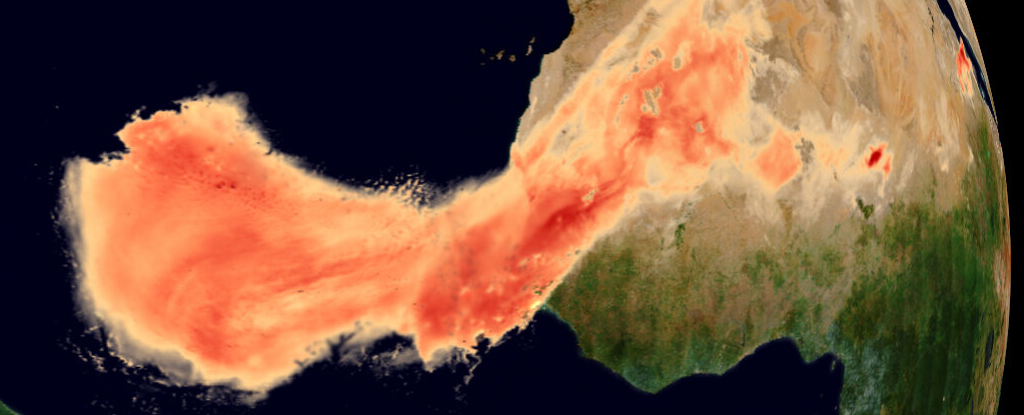
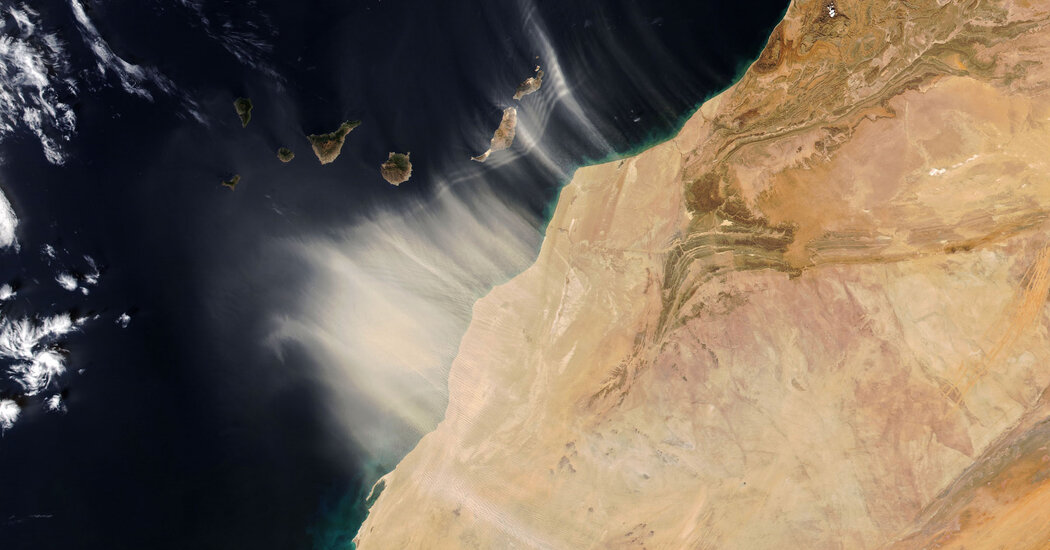
A massive 2,000-mile Saharan dust cloud is approaching Texas and Florida, causing hazy skies, potential health issues, and influencing hurricane activity by suppressing storm formation, while also bringing benefits like enhanced sunsets and nutrient fertilization.
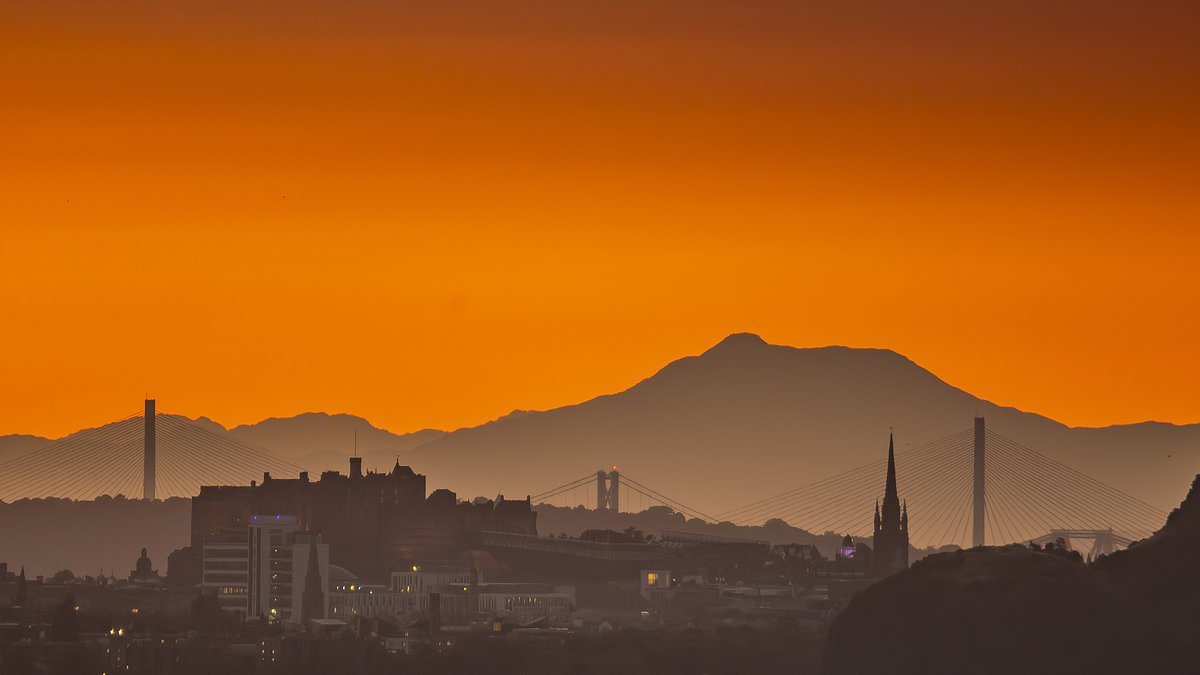
A large cloud of Saharan dust is expected to reach the southeastern US this week, affecting air quality, visibility, and potentially reducing hurricane activity, while also possibly creating striking sunsets and warmer nights.
Saharan dust from North Africa is expected to reach North Texas this week, causing hazy skies and colorful sunsets with minimal health or air quality impacts, and is considered a routine atmospheric event.
A massive Saharan dust cloud is moving towards Florida, expected to arrive by midweek, causing drier weather, vivid sunsets, and air quality concerns, while also potentially influencing early hurricane activity and bringing rain and thunderstorms to the region.
The UK is set to experience "blood rain" as a Saharan dust plume is expected to hit the country, following a series of extreme weather events including an Arctic blast and severe storms. The Met Office has issued warnings for strong winds and potential disruptions to transportation and power services. The dust, known for leaving red stains on surfaces, is a result of dust storms in North Africa and can produce colorful sunsets. Additionally, the UK recently experienced record-breaking temperatures, with southern winds bringing mild air from Africa.
Saharan dust is currently moving across the Atlantic Ocean and could reach South Florida, resulting in hotter days, less rain, and potentially affecting air quality. While the dust could arrive in South Florida by this week, meteorologists say there is no need to panic as it is a common occurrence throughout the year. If the dust does reach Florida, it could lead to higher temperatures and limited chances of rain due to its dryness. People in sensitive groups or with asthma may experience worsened air pollution, allergies, and lung problems. However, the haze is not expected to affect visibility or air traffic significantly.
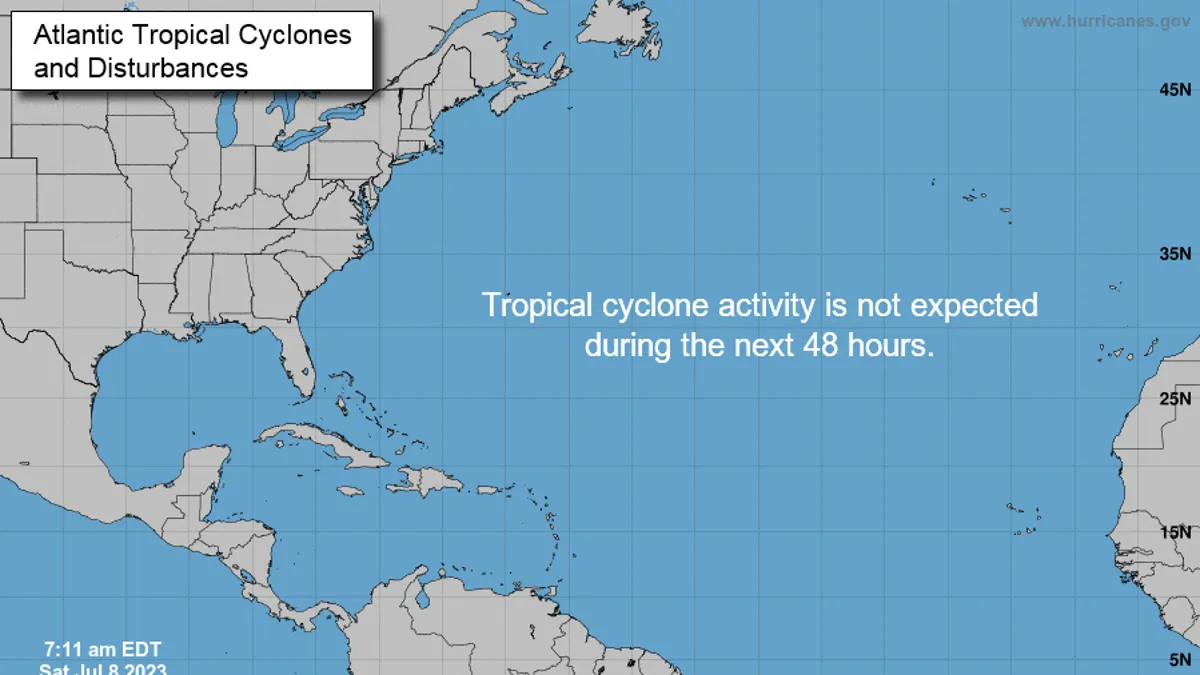
The National Hurricane Center (NHC) does not expect any tropical cyclone activity in the North Atlantic, Caribbean, or Gulf of Mexico for the next seven days. However, the NHC warns that Saharan dust from Africa could impact Florida and the Gulf Coast, potentially affecting air quality and triggering respiratory symptoms. While four tropical waves are being monitored, none are predicted to develop into organized storms. Residents are advised to stay vigilant and monitor the tropics.
The first round of Saharan dust from the Sahara Desert is expected to reach Florida late this weekend or early next week, with a potentially thicker plume arriving by next weekend. The dust is known for taming the tropics and lowering storm chances, but it can also cause air-quality issues for sensitive groups and fuel red tide and algal blooms. If the concentration of dust isn't too thick, it can enhance sunrises and sunsets, but if it is, it can result in dull or milky skies. The lack of dust at the start of the hurricane season likely contributed to the rare formations of tropical storms Bret and Cindy.
A large cloud of Saharan dust known as the Saharan Air Layer (SAL) is expected to reach Florida late this weekend and early next week, potentially affecting local air quality and creating vibrant sunrise and sunset colors. The arrival of the dust may also lead to a slight decrease in rain chances and a quieter tropical environment due to the dry air inhibiting cyclone development.
Plumes of Saharan dust originating from Africa are expected to impact air quality and create vibrant sunrise and sunset colors in Florida this weekend. The Saharan Air Layer (SAL) can reduce tropical activity and hinder cyclone development due to its dry and moisture-lacking properties. While the dust plumes typically remain above ground level, they can occasionally mix to lower levels, causing breathing difficulties for those with weak respiratory systems. NASA estimates that over 180 million tons of dust leave the continent annually.