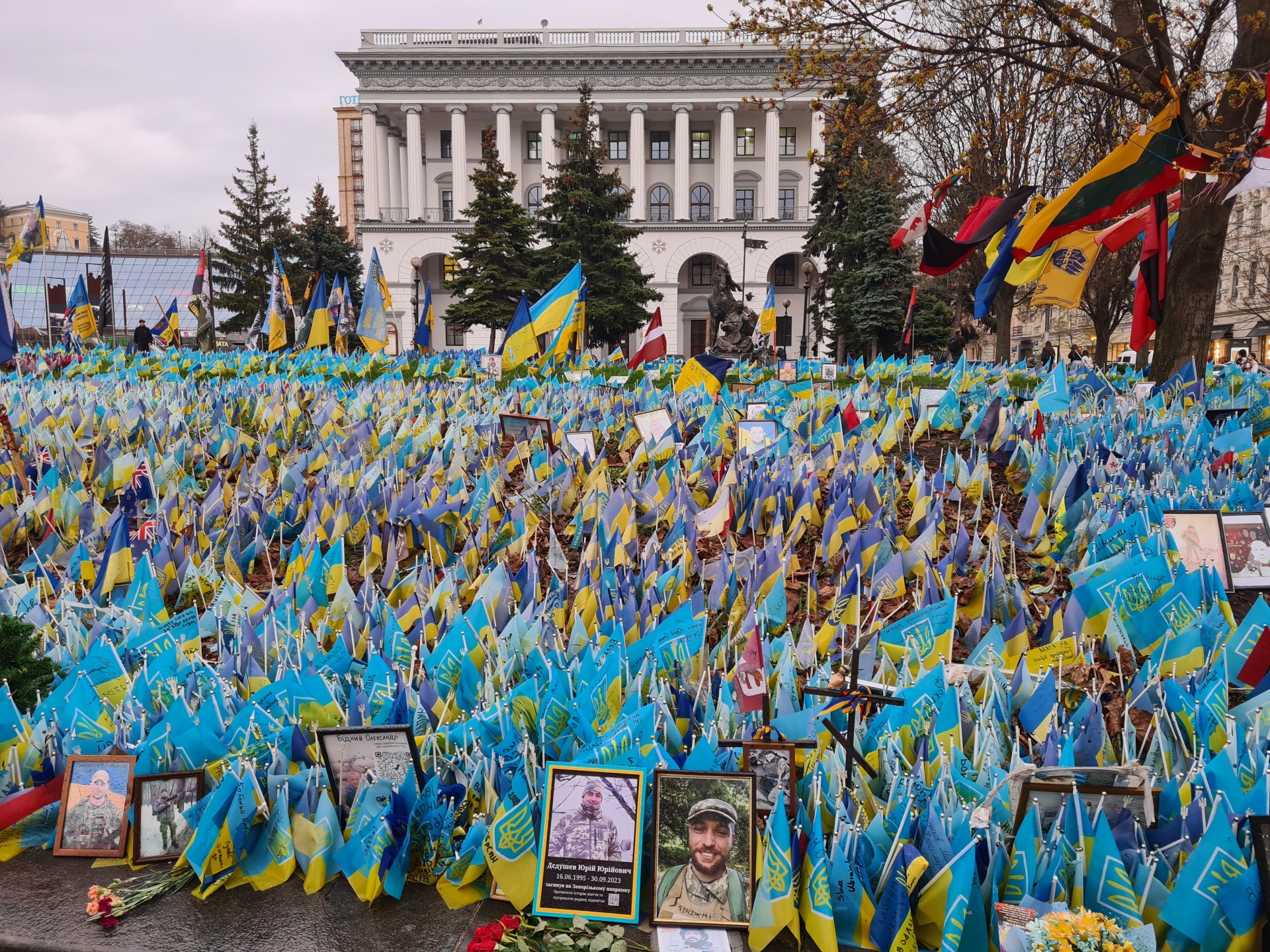
Ukraine's parliament has passed a controversial law scrapping service limits for military personnel, sparking anger and frustration among tired troops who now face the prospect of serving until disability or death. The law, aimed at addressing severe shortages of servicemen on the front lines, has drawn criticism from political rivals and seasoned soldiers, who feel devalued and uncertain about their future. The move has also led to a decline in enthusiasm for conscription, as concerns about corruption and inadequate training persist.
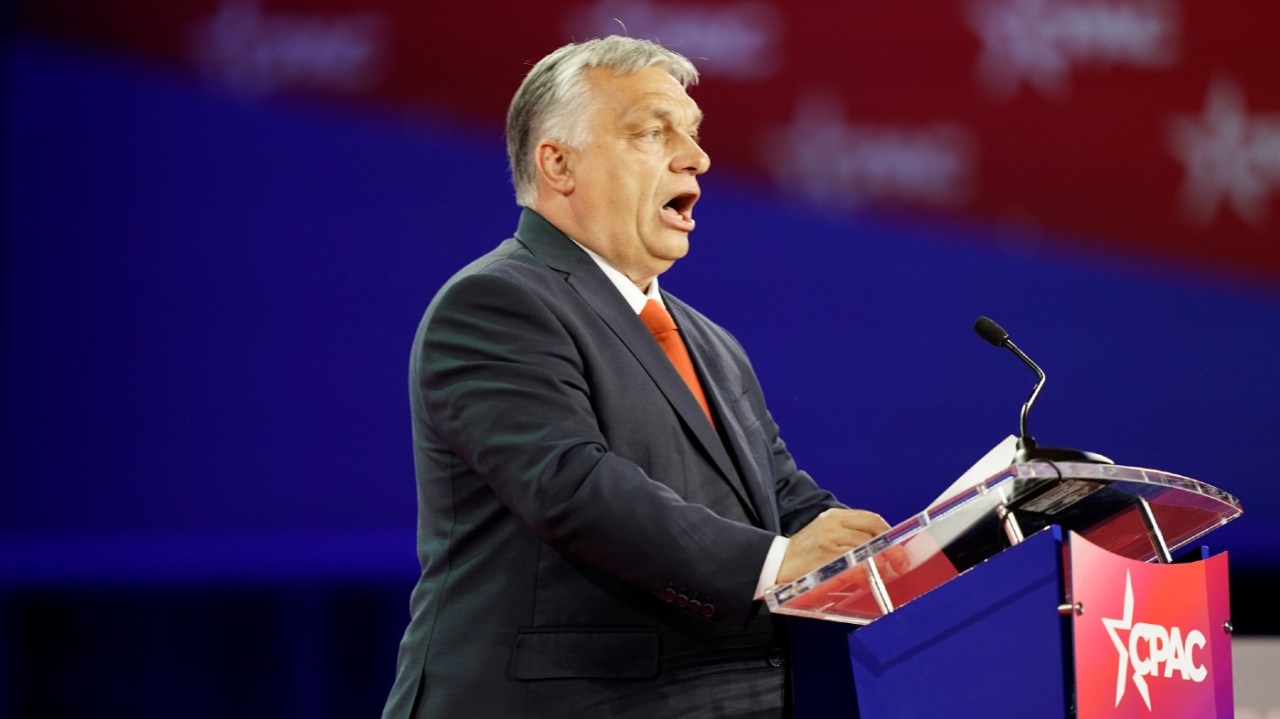
Hungarian Prime Minister Viktor Orbán has threatened to withdraw support for Ukraine in its war against Russia due to concerns about the treatment of ethnic Hungarians. Orbán cited a 2017 law in Ukraine that limits the use of the Hungarian language, particularly in schools, as the reason for his protest. Hungary, under Orbán's leadership, has maintained closer relations with Moscow and has refrained from participating in the war in Ukraine. Orbán also expressed dissatisfaction with the ongoing grain dispute between Hungary, Poland, Slovakia, and Ukraine, further straining relations between the countries.
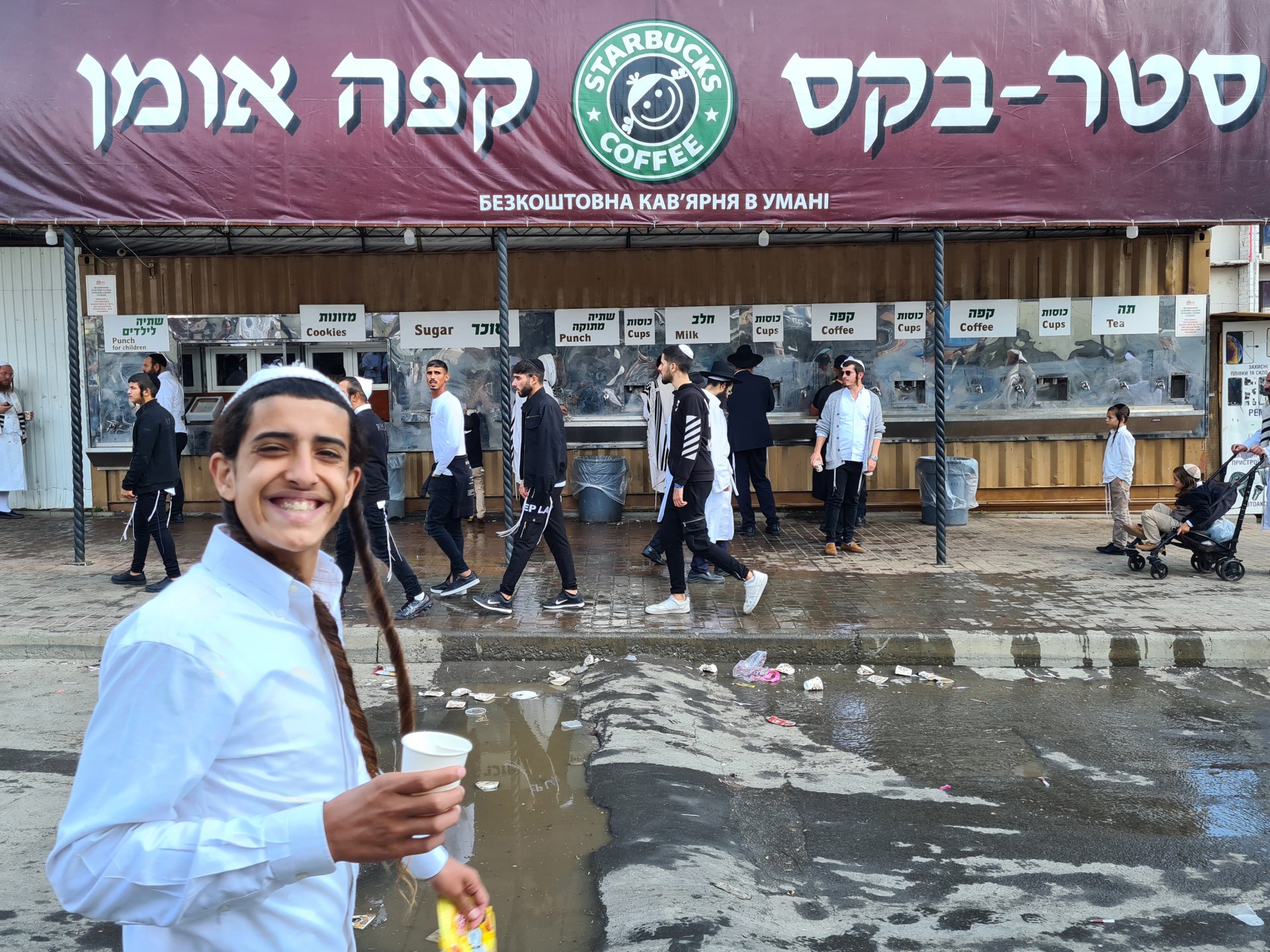
Despite the ongoing war between Russia and Ukraine, tens of thousands of Hasidic Jewish pilgrims flocked to the city of Uman in central Ukraine to celebrate Rosh Hashanah, the Jewish New Year. The pilgrims believe in the help of their deceased Rabbi and the resilience of their ancestors in the face of persecution. The influx of pilgrims transforms the city and brings much-needed economic benefits to Ukraine. While some locals have mixed feelings about the security measures and corruption, many welcome the pilgrims. The pilgrimage also serves as a reminder of the historical anti-Semitism in Ukraine and the enduring strength of the Hasidic community.