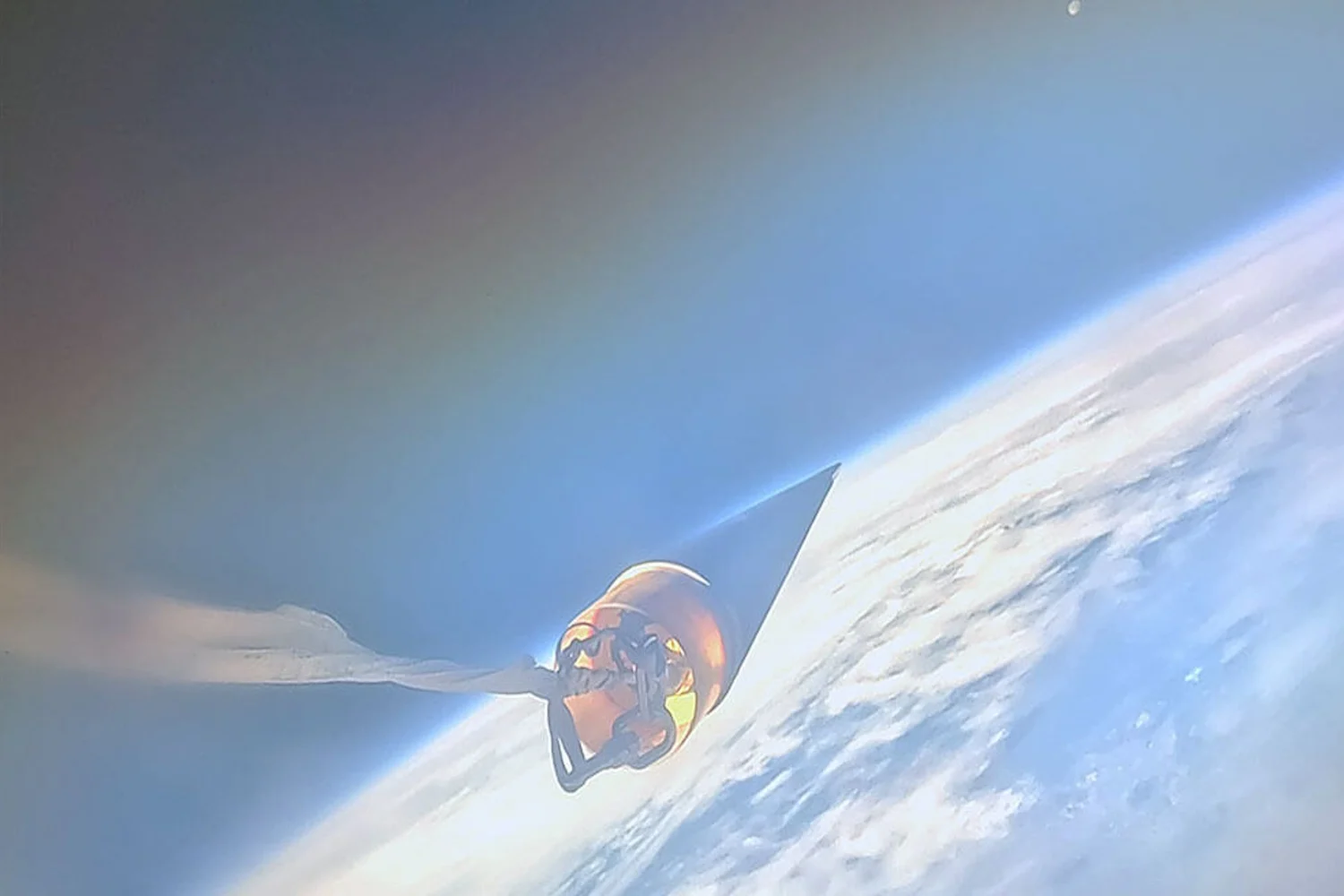
A team of students from the University of Southern California's Rocket Propulsion Lab set a new altitude record for a student-built rocket, launching Aftershock II to 470,000 feet, surpassing the previous record by 90,000 feet. The rocket, launched from Nevada's Black Rock Desert, reached Mach 5.5 and became the first non-governmental rocket to achieve such a height. This achievement highlights the students' innovative engineering, including advancements in thermal protection and avionics, and marks a significant milestone in amateur rocketry.
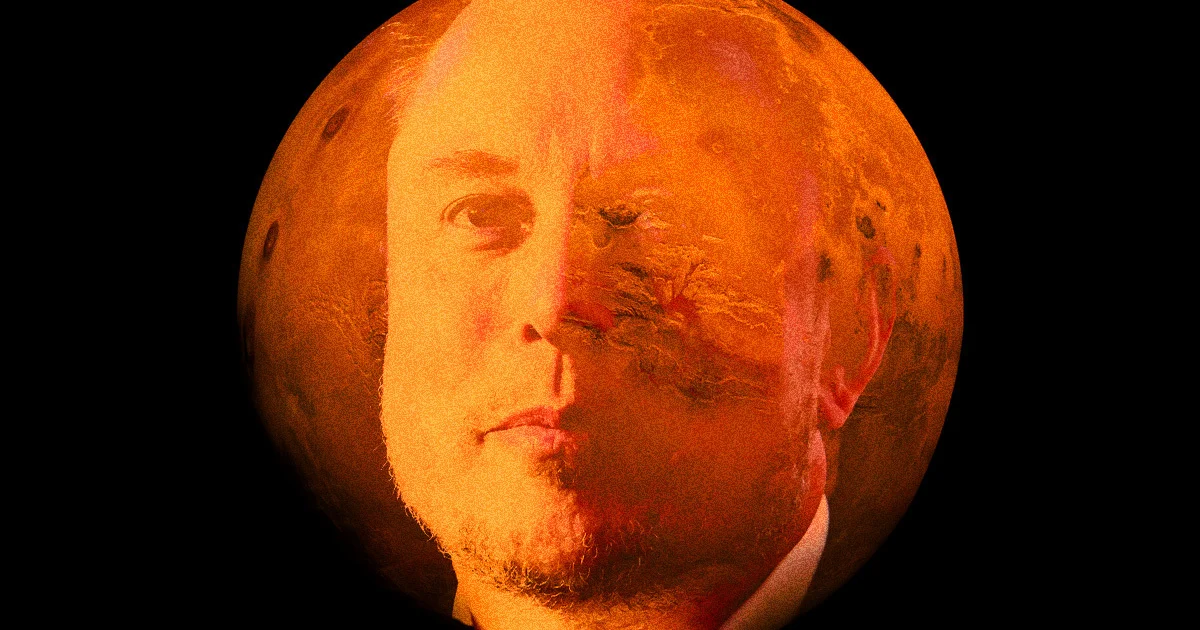
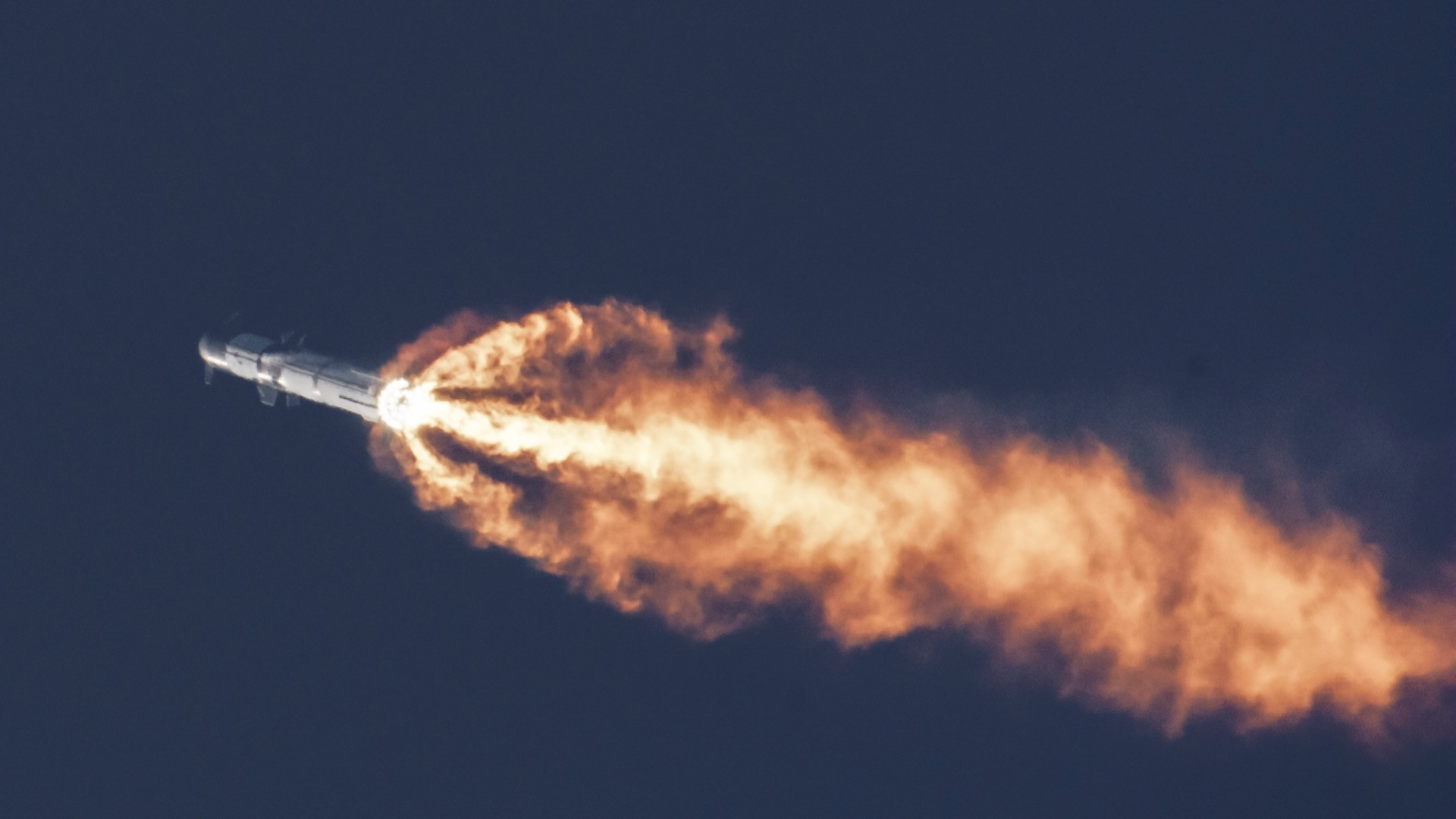
Elon Musk delivered a speech outlining SpaceX's plan to settle Mars using the Starship rocket, emphasizing the need for reusability and larger payloads. Despite setbacks, including recent test flight failures, Musk remains optimistic about the rocket's potential and aims to achieve regular launches to Mars. Critics have expressed skepticism about the feasibility of Musk's Martian ambitions, while the success of Starship is also crucial for its role in NASA's Artemis 3 mission to the Moon.
Chinese rocket scientists were able to diagnose the problem that caused Starship to spiral out of control before SpaceX released its official statement. The Starship's thrust vector control was identified as part of the problem that led to the rocket's failure during its first flight test.
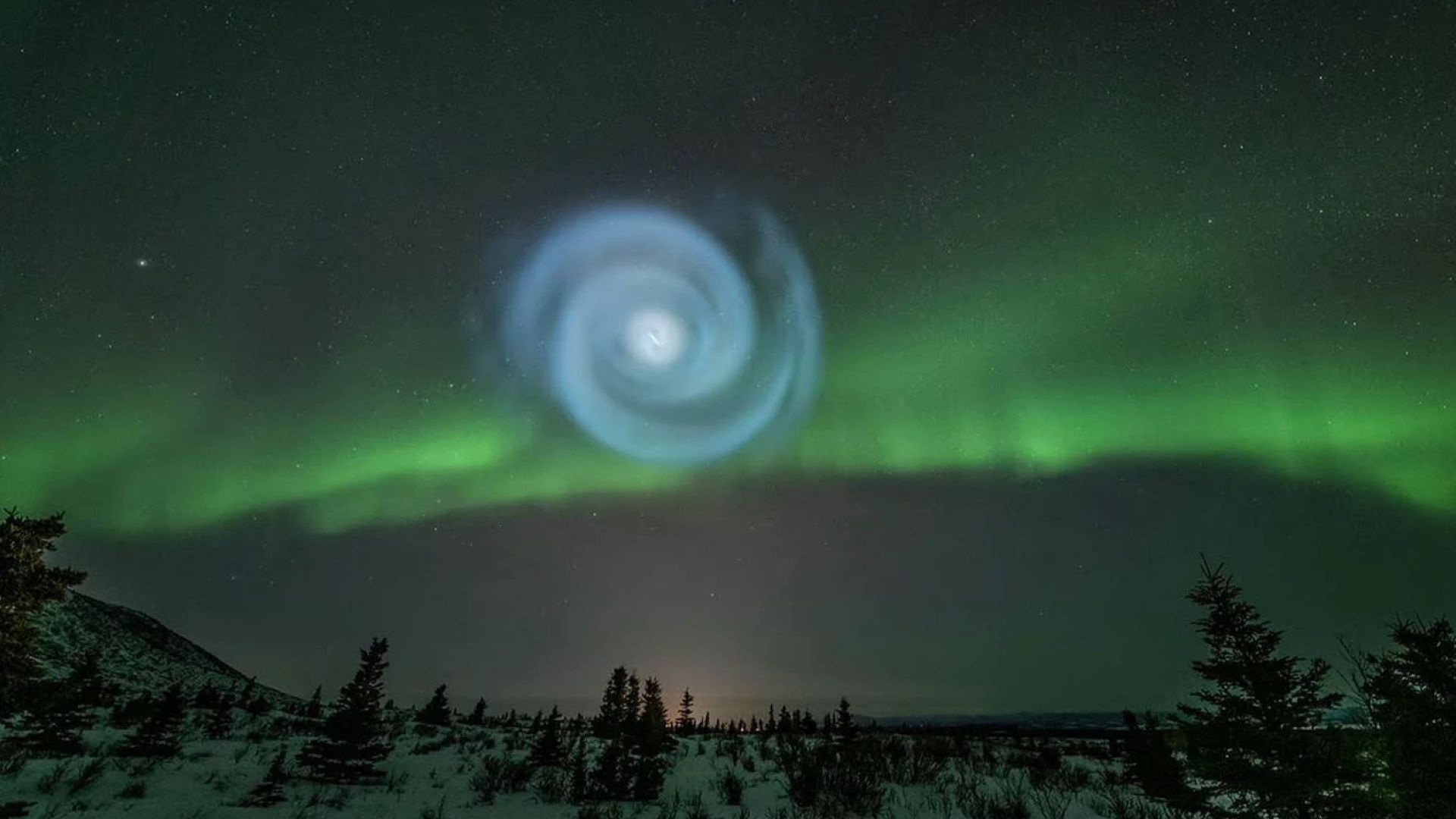
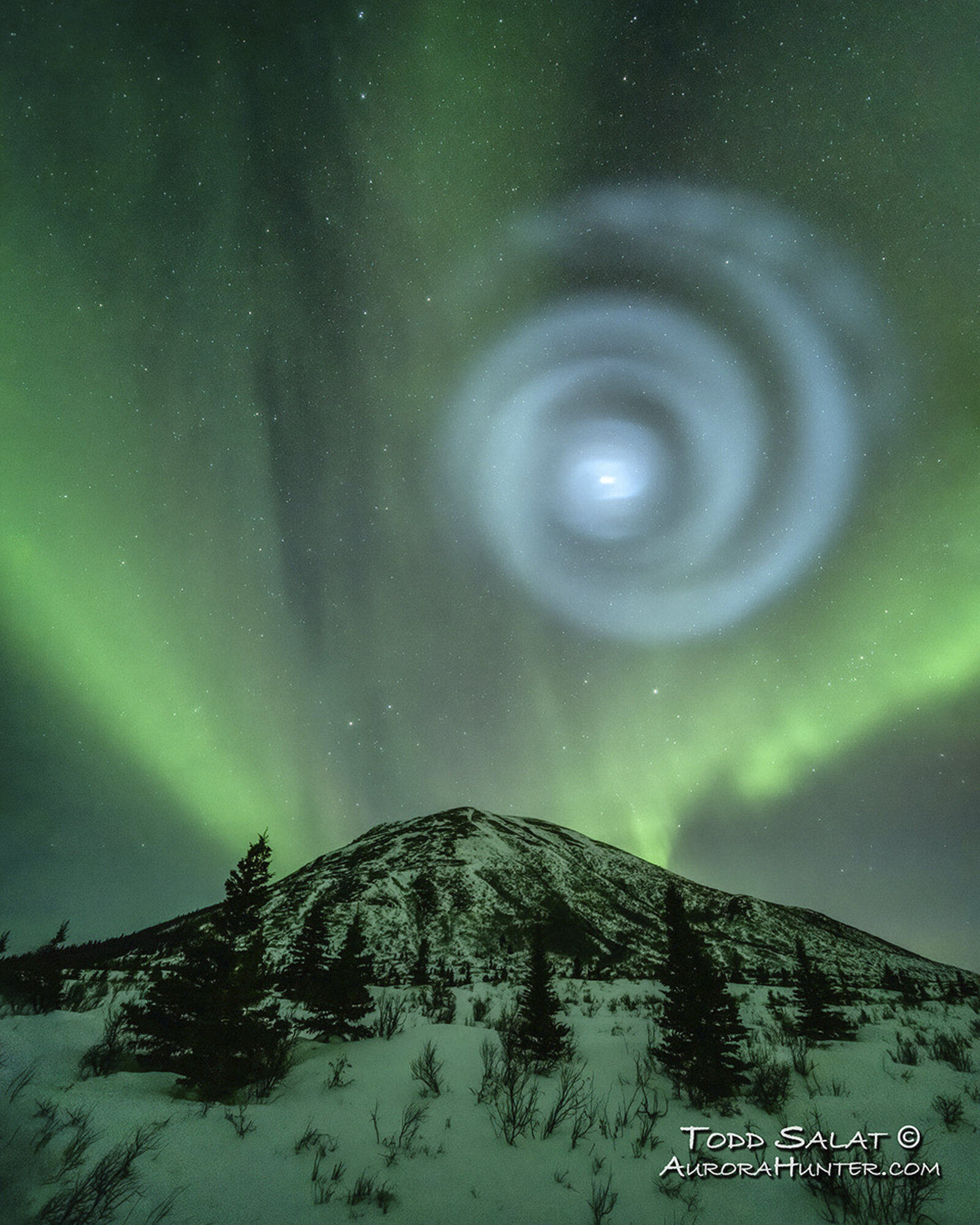
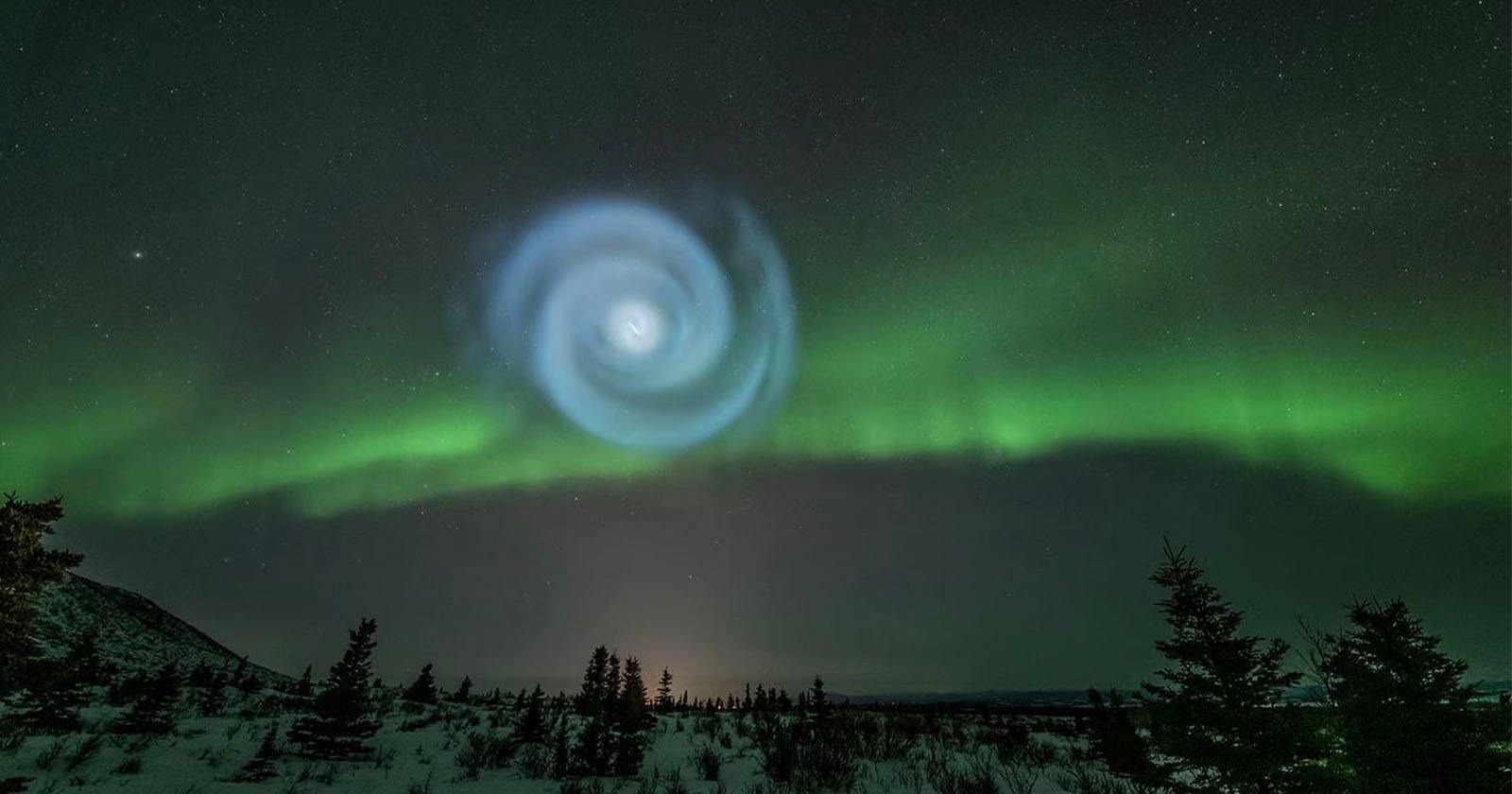
A stunning spiral of blue light in the Northern lights and aurora borealis over the Alaska skies was caused by a SpaceX rocket. The "SpaceX spiral" happens when a rocket dumps its remaining fuel reserves as it heads back to Earth and lands safely on the return pad. The blue spiral looks like another galaxy, only near Earth, and it increased in size as it drew closer to the photographer.
A light blue spiral resembling a galaxy appeared in the Alaska skies amid the aurora, surprising northern lights enthusiasts. The cause was excess fuel released from a SpaceX rocket that launched from California about three hours earlier. The fuel turned into ice and was visible as a big cloud in the sunlight. The timing of the fuel dump and the fact that it was a polar launch made the blue spiral visible over a large swath of Alaska. This is not a common sight, but space physicist Don Hampton has seen such occurrences about three times.
A light baby blue spiral resembling a galaxy appeared amid the aurora in Alaska, caused by excess fuel released from a SpaceX rocket that launched from California about three hours earlier. The fuel turned into ice and reflected sunlight in the upper atmosphere, creating the spiral. The appearance of the swirl was caught in time-lapse on the Geophysical Institute's all-sky camera and shared widely. This is not a common sight, but has been seen about three times, according to space physicist Don Hampton.
Photographer Todd Salat captured a giant blue spiral above him while shooting the aurora lights over Alaska. He later realized that it was a "SpaceX Spiral" caused by the second stage of the Falcon 9 rocket venting its unused fuel before burning up in the atmosphere. The spiral is created by frozen water vapor in the fuel emissions being illuminated by high-altitude sunlight. The phenomenon is becoming more common and was also spotted over Hawaii in January.