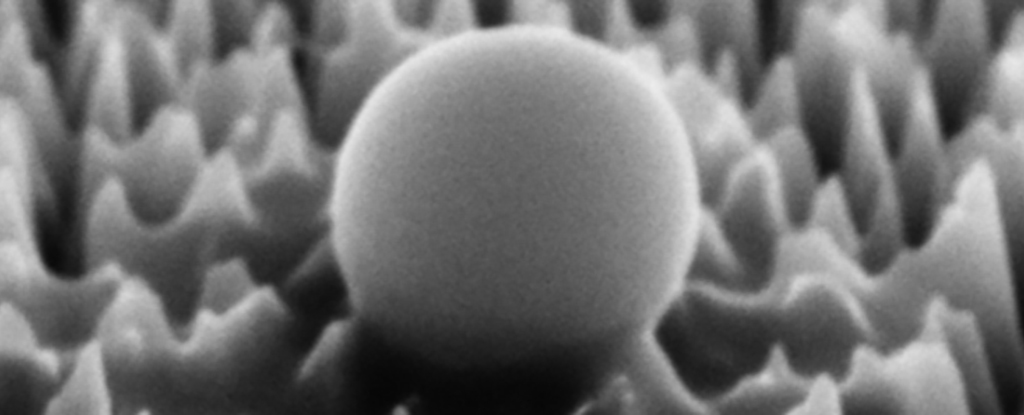
Researchers at RMIT University have developed a silicon material covered with nanospikes that can eliminate up to 96 percent of virus particles that come into contact with it. Inspired by nature, the material's nanospikes puncture and damage viruses, preventing them from reproducing. The material, which could be used in hospitals and labs, was tested on human parainfluenza virus and proved effective. If scaled up, this technology could significantly reduce the spread of viruses in high-risk environments and minimize the need for disinfectants.
Researchers at RMIT University and a US biotechnology firm have used high-frequency radiowaves to temporarily open bacterial cell walls and introduce new genetic material, enabling bacteria like E.coli to produce vital medicines such as insulin with 91% efficacy, showcasing a promising advancement in genetic engineering for drug production.
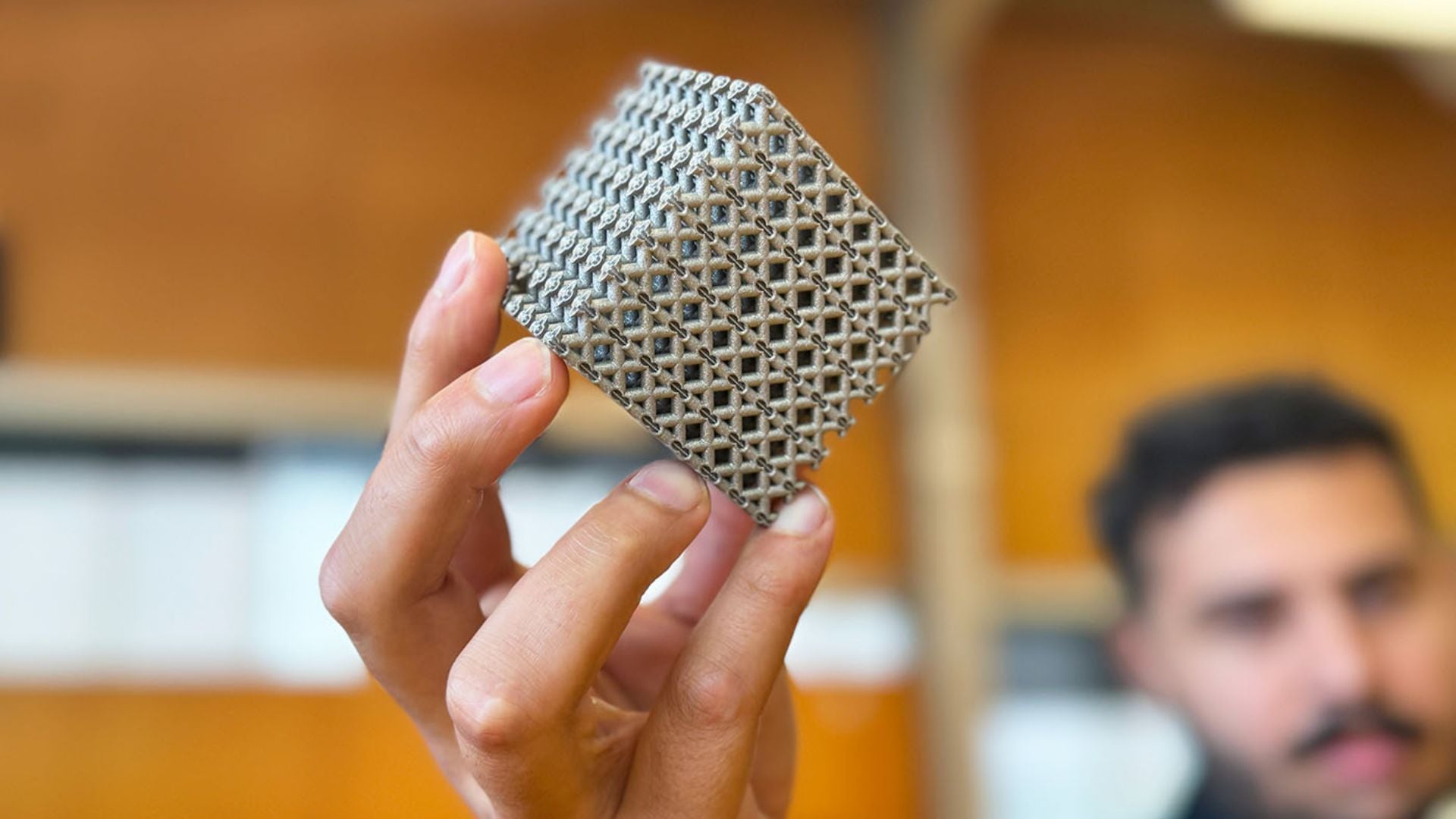
Australian scientists at RMIT University have successfully 3D printed a titanium structure that is at least 50 percent stronger than the strongest man-made alloy used in aerospace applications, creating a new 'metamaterial' with potential applications in aerospace and medicine. Metamaterials are engineered to deliver properties that surpass those of naturally occurring materials, and this breakthrough could lead to materials capable of withstanding extreme temperature and pressure demands.