Colorado is implementing about 20 new laws starting January 1, including expanded repair rights for electronics, additional neonatal care leave, stricter gun show security requirements, rent and fee transparency, and enhanced protection for wild bison, reflecting a broad range of policy updates across various sectors.
Starting in 2026, Colorado will implement new laws including expanded right-to-repair options for electronics, additional paid family leave for NICU parents, stricter gun show regulations, rent screening restrictions, and enhanced protections for wild bison, reflecting a broad range of policy updates across various sectors.
An Ioniq 5 N owner claims Hyundai's software prevents him from changing his own brake pads, requiring costly proprietary tools and subscriptions, raising concerns about the Right to Repair in the EV era.
Army Secretary Dan Driscoll announced aggressive reforms to modernize the U.S. Army's procurement and technology systems, emphasizing rapid innovation, reducing reliance on outdated equipment, and adopting Silicon Valley-style approaches to enhance military readiness and efficiency, including streamlining contracts and enabling in-field manufacturing through 3D printing.
Embodied, the company behind the $800 Moxie emotional support robot for kids, announced it will brick the devices and is unable to offer refunds due to financial issues and impending dissolution. Only recent buyers may receive refunds if the company's assets are sold. The shutdown highlights concerns over smart device longevity and has prompted calls for stronger regulations on software support. Embodied is seeking a buyer for Moxie, but if unsuccessful, user data will be erased according to privacy policies.
OpenWrt, in collaboration with the Software Freedom Conservancy, has launched its first hardware platform, the OpenWrt One, marking a significant step for the right to repair movement. The router features a dual-core MediaTek processor, Wi-Fi 6 capabilities, and is designed to be "unbrickable" with separate flash memory options. Priced at $89.99, it complies with FCC regulations, challenging the notion that such compliance conflicts with software repair rights. Ten dollars from each sale supports the SFC.
Google has revised its repair policy for Pixel devices, which previously stated that devices with unauthorized parts would not be returned to their owners. Following criticism, Google now confirms it will return such devices even if repairs cannot be completed due to safety concerns. The company is updating its Terms and Conditions to reflect this change.
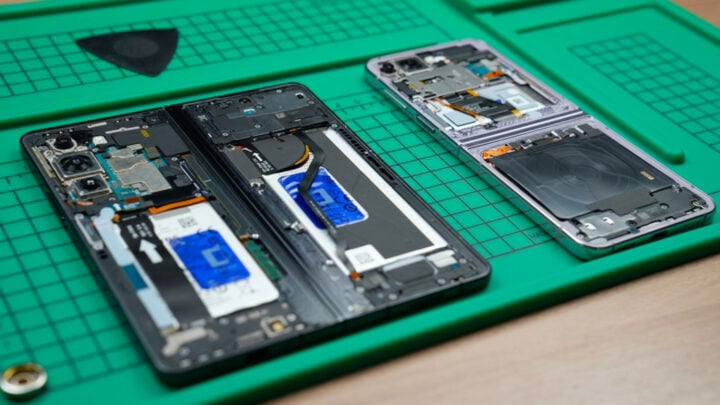
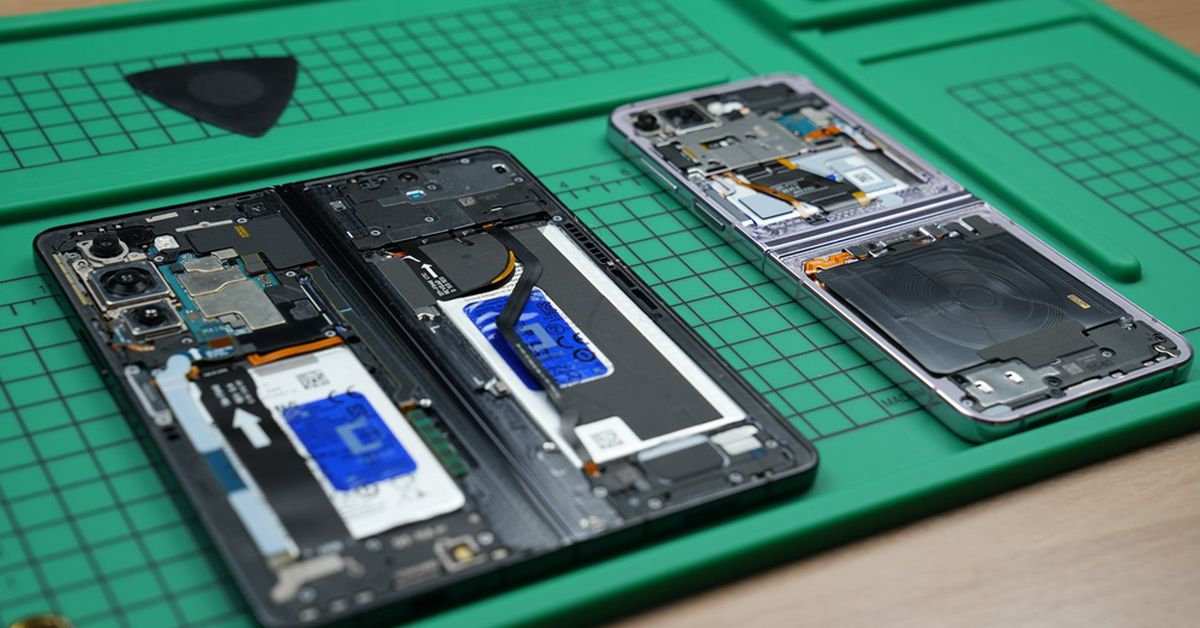
Samsung's promise of seven years of software updates for its Galaxy S24 series is undermined by high repair costs and restrictive repair policies, following the end of its partnership with iFixit. This contradiction between long-term software support and expensive, difficult hardware repairs raises concerns about the company's commitment to right-to-repair and eco-friendly practices.
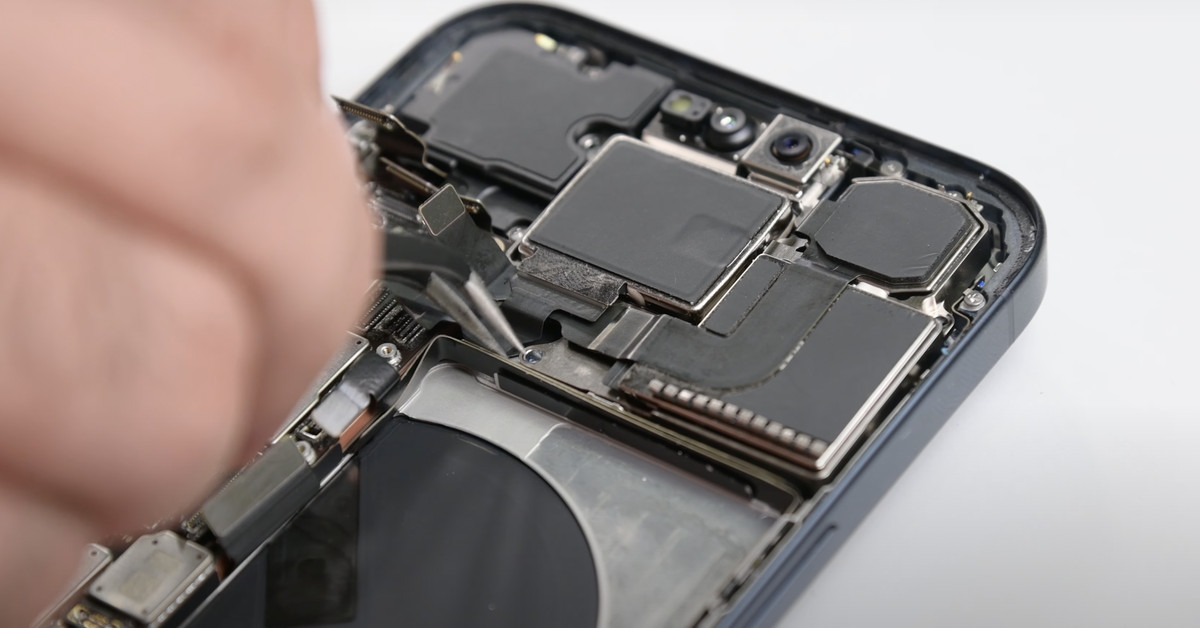
Apple prioritizes the durability of its devices over repairability, arguing that making products more durable is better for customers and the environment. Despite high repair costs and challenges for third-party repairers, Apple conducts extensive durability tests to ensure reliability. The company believes that the benefits of increased durability outweigh the drawbacks of harder repairs.
Apple has showcased its extensive durability testing for iPhones and iPads, which involves thousands of devices and sophisticated machinery, far surpassing the capabilities of individual YouTubers. The company argues that its rigorous testing ensures better reliability and environmental benefits, though this stance is contested by Right to Repair advocates like iFixit.
Colorado has enacted one of the broadest right-to-repair laws in the US, requiring manufacturers to make repair equipment accessible to consumers and independent businesses. Signed by Governor Jared Polis, the law covers most consumer electronics but excludes game consoles, medical devices, ATVs, and motor vehicles. Manufacturers must comply by January 1, 2026, for devices made after July 1, 2021.
A serious leak has revealed that Samsung's contract with independent repair shops requires them to report customer data and disassemble devices previously repaired with third-party parts, raising legal and ethical concerns. This comes as iFixit ends its collaboration with Samsung's Self-Repair program, citing obstacles against the right-to-repair. The leak could lead to lawsuits and further damage Samsung's reputation.
Samsung requires independent repair shops to report customers using aftermarket parts and provide personal information to the company, as revealed by 404 Media. This practice, which could violate Right to Repair laws in some states, has led to criticism and the end of a partnership with iFixit.
Samsung is under scrutiny for allegedly requiring independent repair shops to share customers' personal information and report the use of aftermarket parts. A leaked contract reveals that repair shops must provide Samsung with detailed customer data and remove third-party parts, raising privacy concerns and potential legal issues under new right-to-repair laws.
Apple is set to make it easier and cheaper for iPhone owners to repair their devices by allowing used components from other iPhones to be installed without limiting functionality or sending notifications about unknown parts. This move is seen as a positive step for the right-to-repair movement, which aims to pressure tech giants to make their devices easier to fix and reduce e-waste. However, experts believe that Apple's decision is a response to legislative pressure, and the company still opposes legislative proposals to limit parts pairing. E-waste, including discarded electronics, poses health risks, and the right-to-repair movement seeks to address this issue by making repairs more accessible and reducing the environmental impact of electronic waste.