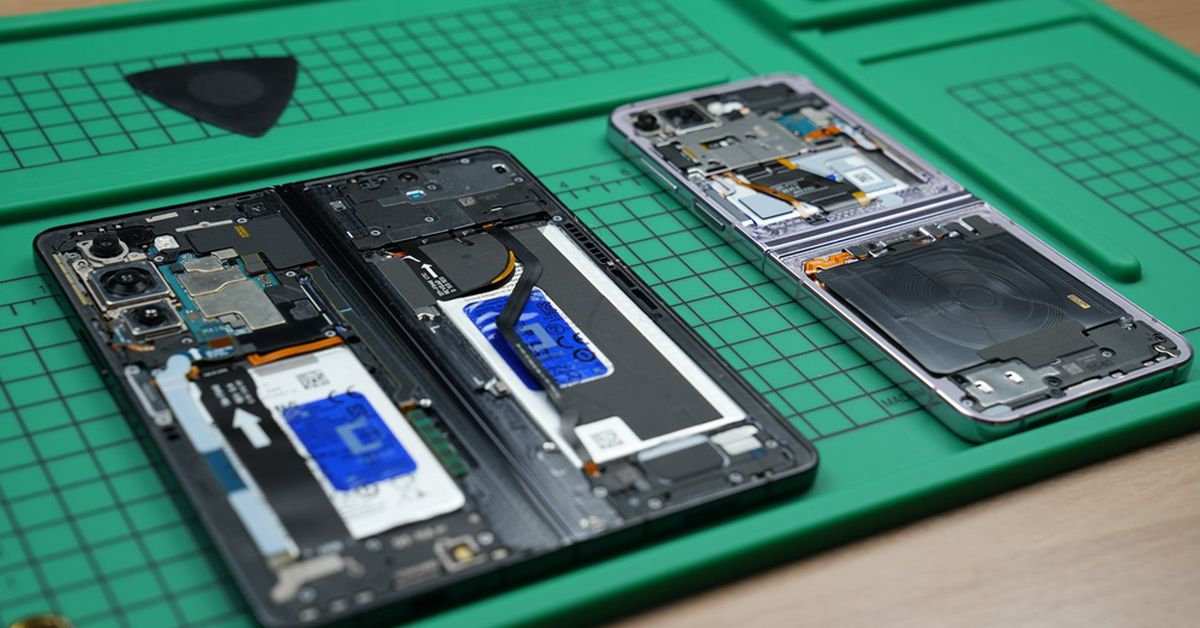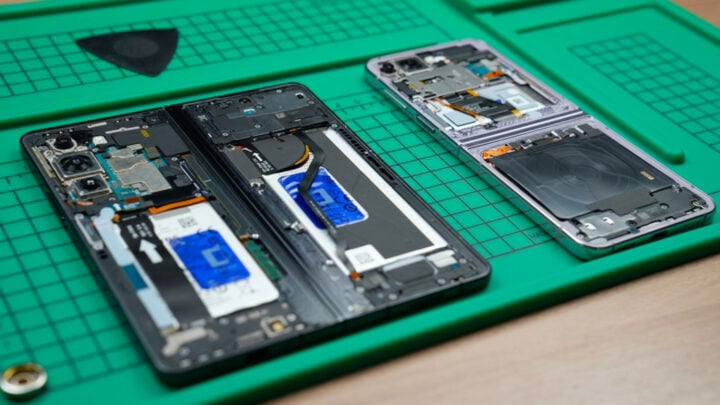
A serious leak has revealed that Samsung's contract with independent repair shops requires them to report customer data and disassemble devices previously repaired with third-party parts, raising legal and ethical concerns. This comes as iFixit ends its collaboration with Samsung's Self-Repair program, citing obstacles against the right-to-repair. The leak could lead to lawsuits and further damage Samsung's reputation.
Samsung requires independent repair shops to report customers using aftermarket parts and provide personal information to the company, as revealed by 404 Media. This practice, which could violate Right to Repair laws in some states, has led to criticism and the end of a partnership with iFixit.
Samsung is under scrutiny for allegedly requiring independent repair shops to share customers' personal information and report the use of aftermarket parts. A leaked contract reveals that repair shops must provide Samsung with detailed customer data and remove third-party parts, raising privacy concerns and potential legal issues under new right-to-repair laws.
Oregon's new Right to Repair law prohibits "parts pairing" restrictions, allowing consumers to use new, used, or third-party parts for device repairs. The law also requires manufacturers to make parts, tools, documentation, and software available for smartphones produced in 2021 or later, and for other electronics produced in 2015 or later. Apple did not support the bill, citing safety and security concerns, and will need to comply with the parts pairing portion for products made after January 1, 2025.
Consumer Reports' latest survey ranks Hyundai, Jeep, and Kia dealer repair shops as the worst in terms of customer satisfaction for auto repair prices, wait times, and overall service. The survey also highlights that independent repair shops received the highest scores for satisfaction with price, while dealerships tended to score lowest. Overall, consumers ranked independent repair shops the best, followed by Acura, Lexus, Mazda, Volvo, Toyota, Tesla, and Honda for dealership service.
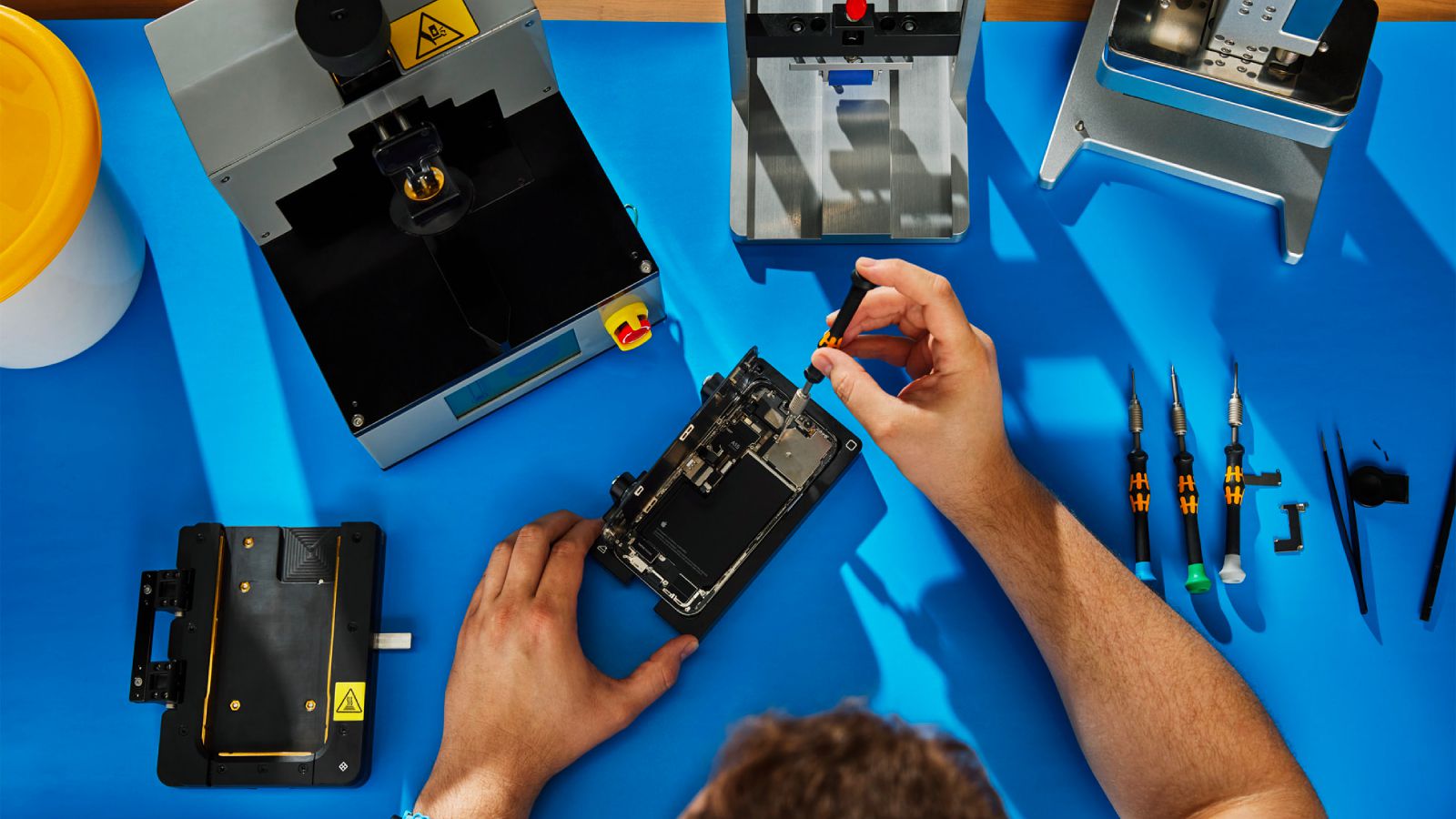
Apple has announced that it will allow customers nationwide to fix their damaged or broken iPhones and iPads themselves or take them to independent repair shops, marking a significant shift in the company's stance on right-to-repair rights. The move comes as President Biden pushes for consumer protection and follows the passage of a new California law requiring device manufacturers to provide manuals, parts, and tools for repairs. Apple has been criticized for making its devices expensive to fix, but in recent years, it has made efforts to make repairs easier and spare parts more accessible. The company supports a national right-to-repair law that ensures privacy, security, and transparency about repair parts.
California Governor Gavin Newsom has signed the Right to Repair Act into law, making it easier for device owners to repair their devices themselves or take them to independent repair shops. The law requires manufacturers to provide tools, parts, software, and documentation for devices priced above $100 for seven years after production. This move may have a nationwide impact, as California is one of the largest economies and home to major device makers like Apple and Google. The law is effective from July 1st, 2021, with some exceptions for game consoles and alarm systems.
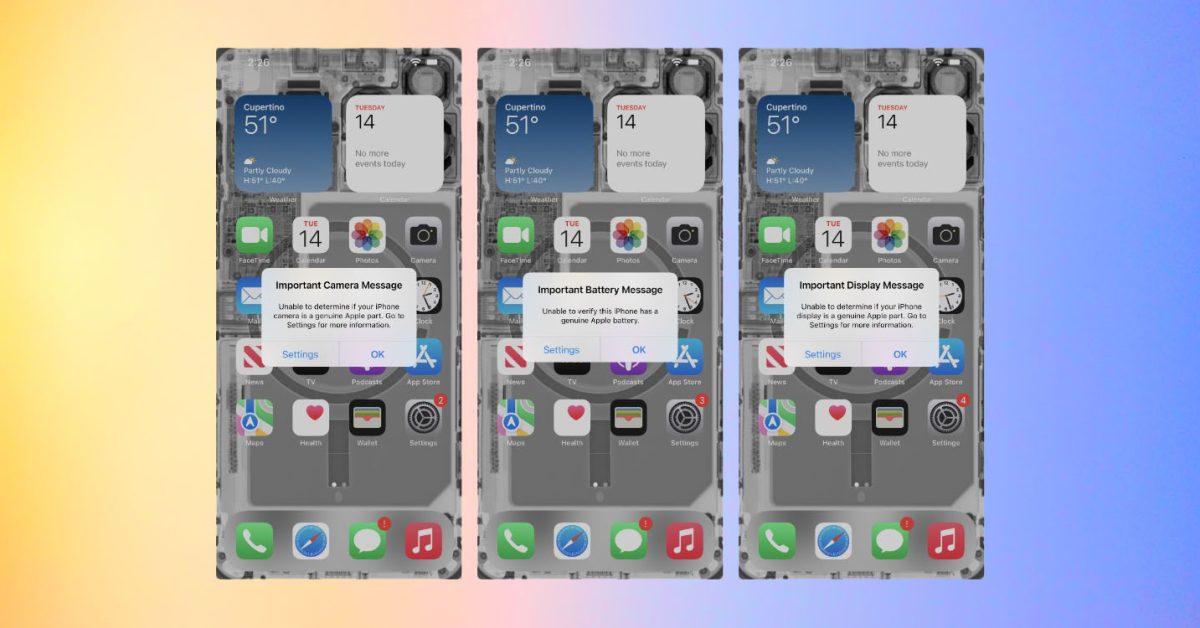
The repairability rating of the iPhone 14 by iFixit has been downgraded from 7/10 to 4/10 due to the significant barrier imposed by Apple's parts pairing process. Parts pairing, introduced with the iPhone 12, digitally pairs the serial number of a component to the serial number of the iPhone, making repairs with harvested parts or third-party components difficult. Independent repair shops and consumers raised concerns about the limitations and inconvenience caused by this practice. iFixit acknowledged the oversight and adjusted the rating, reflecting the challenges faced by individuals and independent repair shops when fixing the iPhone 14.
The US National Highway Traffic Safety Administration (NHTSA) has reversed its objection to a Massachusetts law requiring automakers to share vehicle data with independent repair shops, stating that automakers can comply with the law using short-range wireless technology. The NHTSA had previously raised concerns that sharing diagnostic data could make vehicles vulnerable to hacking. Massachusetts voters approved the law in 2020 to allow consumers to seek repairs outside of dealerships. The NHTSA clarified that longer-range wireless technologies could pose risks, but automakers must now comply with the state law using a short-range wireless compliance approach. Senators Elizabeth Warren and Ed Markey praised the decision, stating that it will ease burdens and lower costs for Massachusetts drivers.