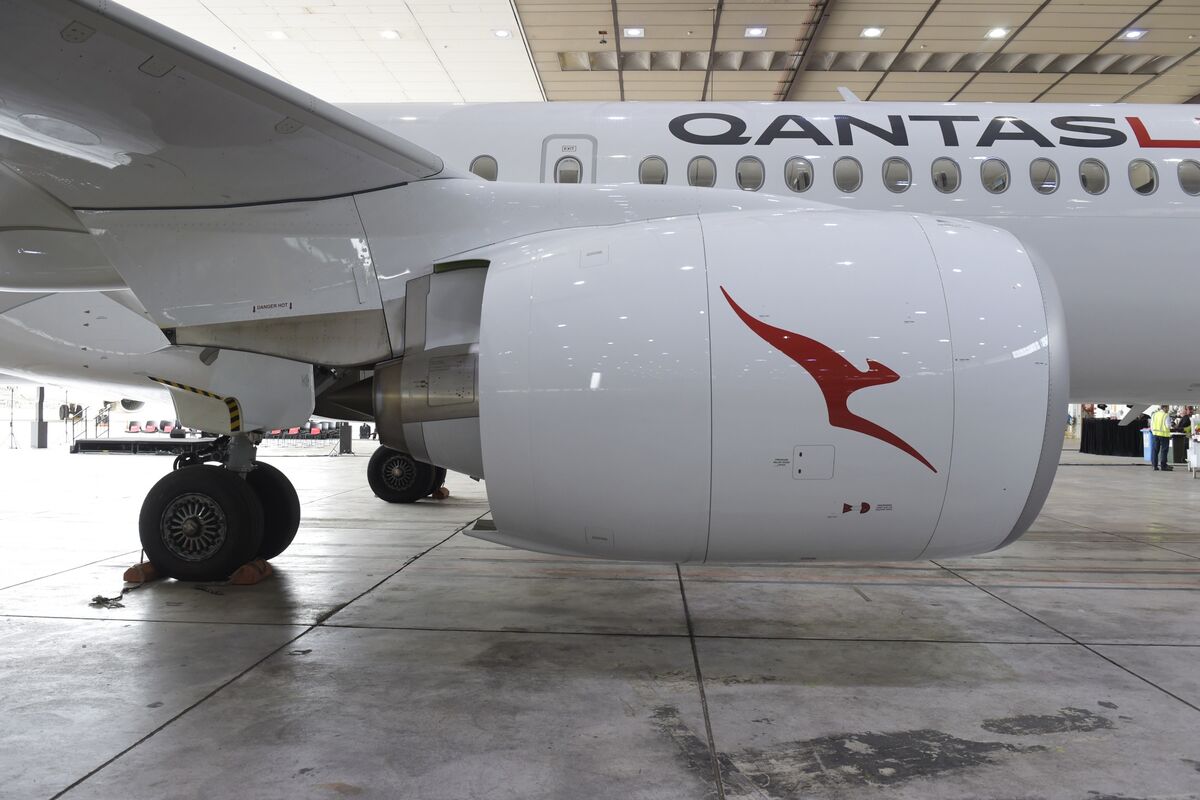
Qantas announced that customer data stolen in a July cyberattack, involving 5.7 million records mostly containing personal details like names and emails, has been posted online. The airline is working with authorities to assess the breach, which did not include sensitive information like credit card or passport details, and has taken measures to enhance security and support affected customers.
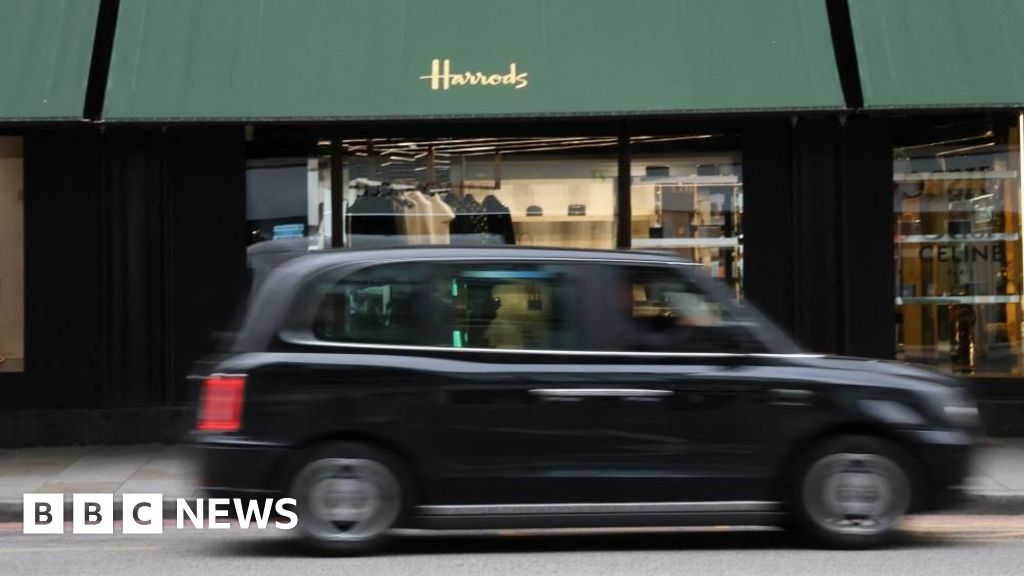
Luxury department store Harrods suffered a data breach affecting 430,000 customer records, primarily basic personal information, but no payment details or passwords were compromised. The store is cooperating with authorities and has not engaged with the hackers, who contacted the firm post-breach. This incident is part of a broader trend of cyber-attacks on UK businesses this year.
JPMorgan is planning to charge fintech companies for access to customer data, which has caused concern among fintech firms about potential impacts on their operations and data sharing practices.
Allianz Life Insurance experienced a data breach on July 16, affecting the personal information of most of its 1.4 million customers due to a third-party cloud system compromise, prompting immediate action and FBI notification.
JPMorgan Chase plans to start charging fintech companies for access to customer bank data, which could significantly impact the fintech industry, and this move has caused PayPal's stock to decline.
JPMorgan Chase plans to charge fintech companies hundreds of millions of dollars for access to customer bank account data, potentially disrupting industry business models, amid ongoing debates over open banking regulations and data sharing rules.
Luxury fashion brand Cartier disclosed a data breach exposing limited customer information such as names and email addresses, but not sensitive data like passwords or credit card details. The company has contained the breach, enhanced security measures, and alerted law enforcement. This incident follows similar breaches at other fashion brands like Dior, Adidas, and Victoria's Secret, highlighting a rising trend of cyberattacks targeting the fashion industry.
Adidas announced a data breach after hackers accessed customer contact information through a third-party service provider, but no payment or password data was compromised. The company is investigating, notifying affected customers and authorities, and has previously experienced similar incidents. Adidas remains committed to protecting customer privacy despite the breach.
Hackers from the group ShinyHunters have stolen and are attempting to sell confidential information belonging to millions of Santander staff and customers, primarily affecting those in Chile, Spain, and Uruguay. Santander has confirmed the breach but stated that no transactional data or online banking credentials were compromised. The breach is linked to a larger hack involving the cloud storage company Snowflake.
PayPal is developing an advertising platform leveraging transaction data from PayPal and Venmo users, led by former Uber Advertising VP Mark Grether. The platform will use customer purchase information to help merchants target ads more effectively, with data collection being the default but offering opt-out options. The initiative is in early stages, with privacy controls promised. This move aligns with similar strategies by companies like Facebook, JPMorgan Chase, and Visa.
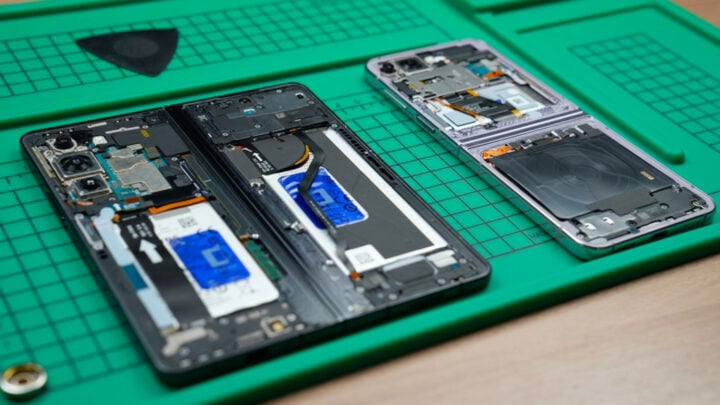
A serious leak has revealed that Samsung's contract with independent repair shops requires them to report customer data and disassemble devices previously repaired with third-party parts, raising legal and ethical concerns. This comes as iFixit ends its collaboration with Samsung's Self-Repair program, citing obstacles against the right-to-repair. The leak could lead to lawsuits and further damage Samsung's reputation.
CISA is working with private industry partners to address a recent compromise affecting Sisense, a data analytics services provider. Sisense customers are advised to reset credentials and investigate any suspicious activity related to the breach. CISA is particularly focused on supporting critical infrastructure sector organizations impacted by the incident and will continue to provide updates as more information emerges.
AT&T has notified millions of current and former customers that their account data, including personal information, has been compromised and published on the dark web. The company reported conflicting numbers of affected customers, listing 51.2 million in a filing with the Maine Attorney General’s office and 73 million on its corporate website. The compromised data includes names, email addresses, phone numbers, Social Security numbers, and more. AT&T has reset account PINs for current customers and is offering one year of free identity theft protection. The company has not explained the discrepancy in the reported numbers or how the breach occurred, despite the data being available for over two years.
Walmart has announced plans to acquire Vizio for approximately $2.3 billion, with the deal expected to close as soon as this summer pending regulatory clearance. The acquisition is primarily aimed at leveraging Vizio's advertising business and access to user data to fuel Walmart's Walmart Connect advertising business. By owning Vizio, Walmart aims to gain new ways to appeal to advertisers and utilize customer data for targeted ad space, potentially detracting from Vizio's focus on improving hardware and raising concerns about the potential for a worsened ad experience on Vizio TVs.
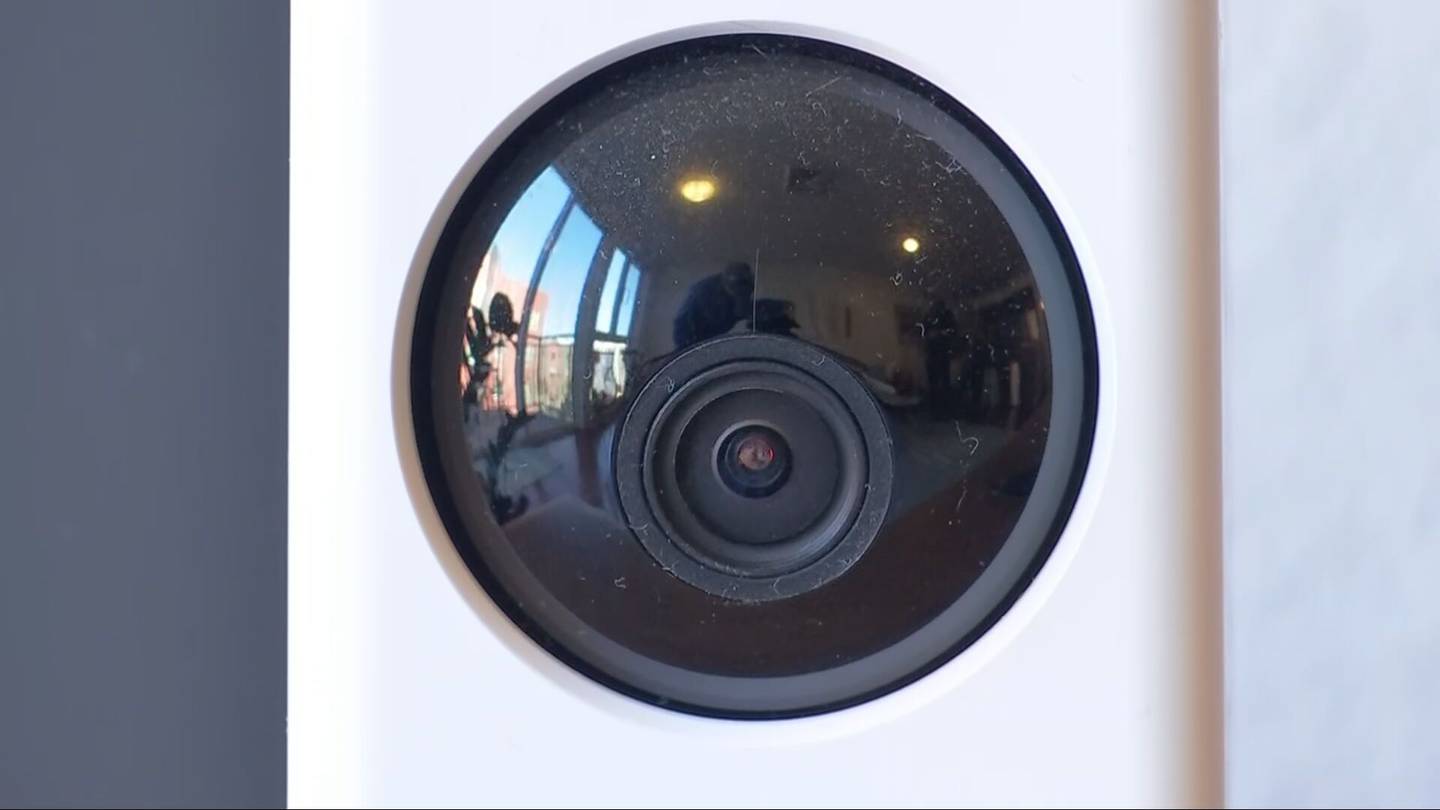
WYZE customers report being able to see inside other people's homes due to a glitch in the home security camera system, with one woman in South Bend, Indiana, witnessing footage from a different time zone. The company's office was found nearly empty, with no one available to address the issue. WYZE has acknowledged disruptions and login difficulties, and disabled the events tab in the app to investigate the security issue. Customers are concerned about the breach's implications for their privacy and security.