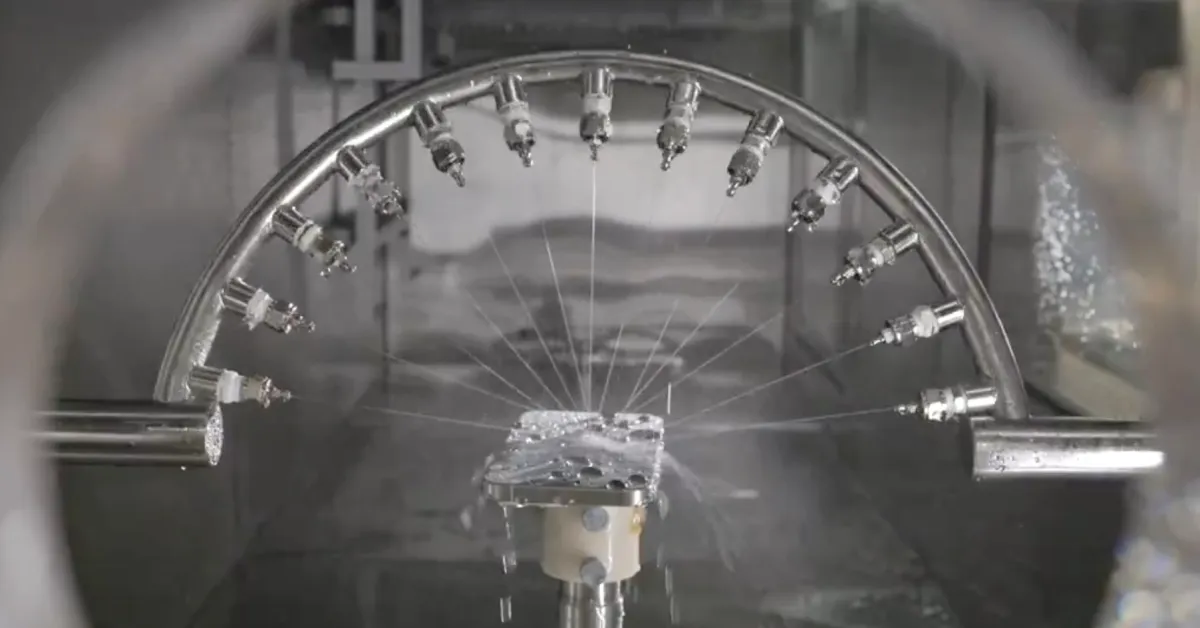
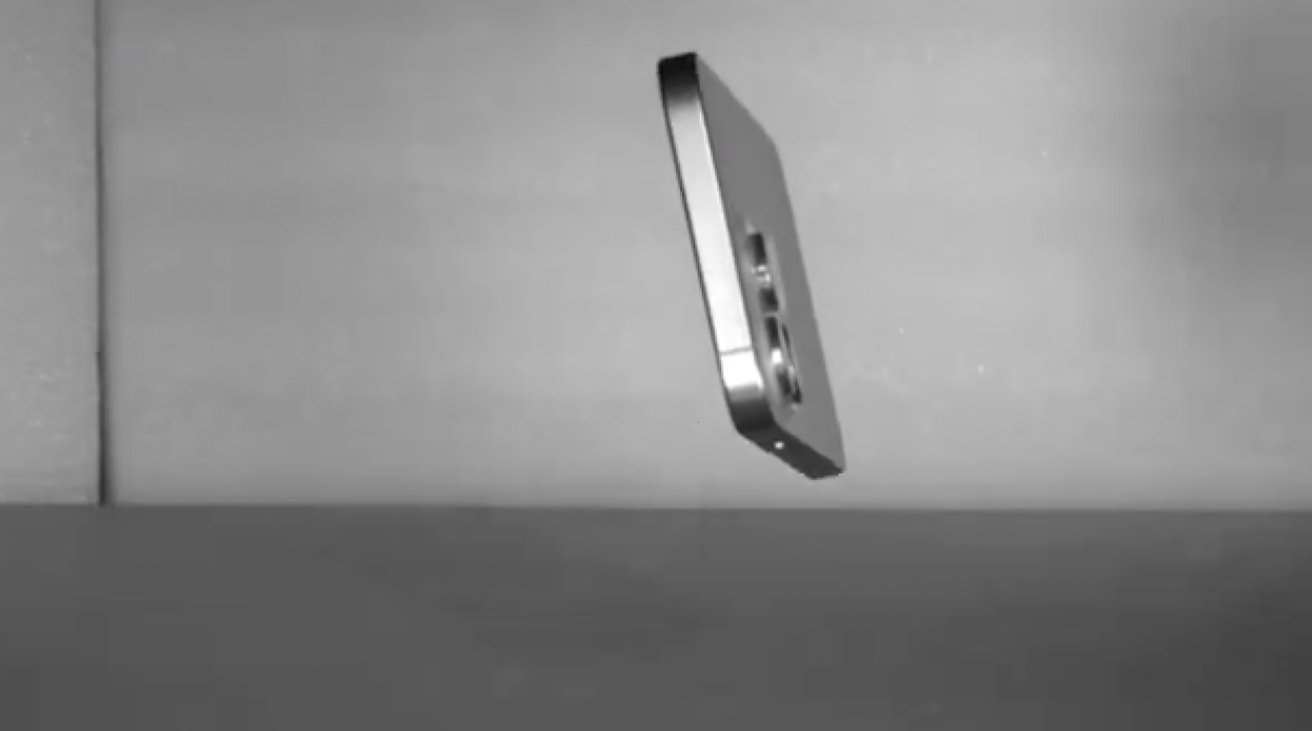
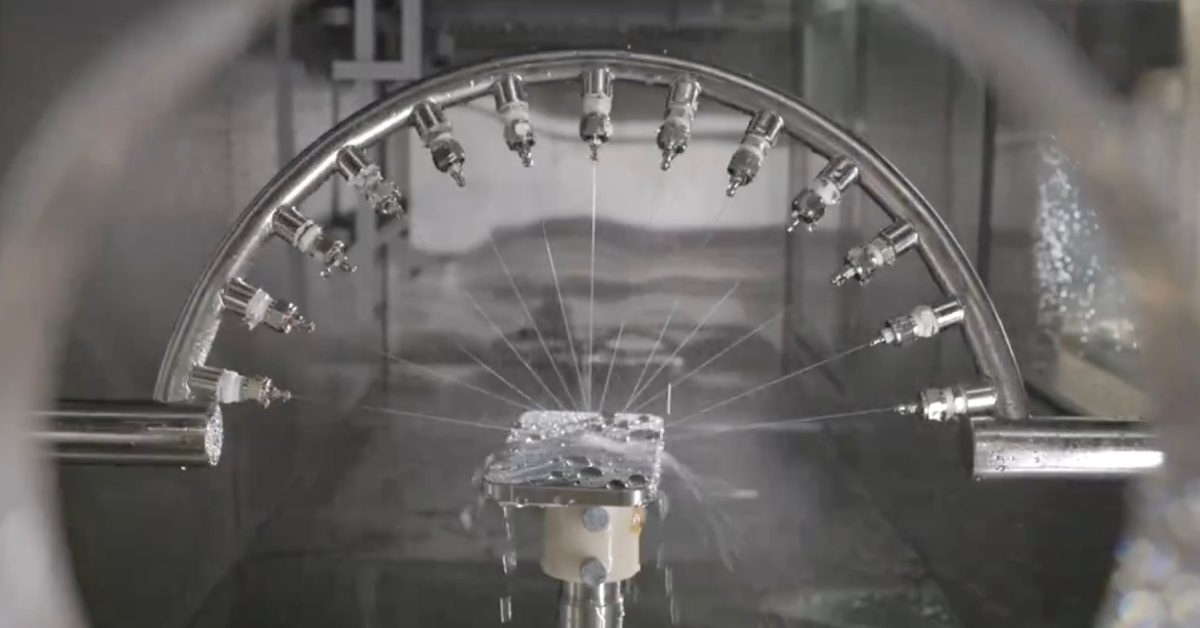
Apple rigorously tests its products through environmental, water, impact, and vibration tests to ensure durability and reliability, including extensive drop tests with robots and environmental simulations like salt, dust, and water exposure, to meet high standards such as IP ratings.
Apple has showcased its extensive durability testing for iPhones and iPads, which involves thousands of devices and sophisticated machinery, far surpassing the capabilities of individual YouTubers. The company argues that its rigorous testing ensures better reliability and environmental benefits, though this stance is contested by Right to Repair advocates like iFixit.
MKBHD shared a behind-the-scenes look at Apple's iPhone durability testing labs, showcasing detailed processes for testing dust, water, drop, and vibration resistance. The footage includes interviews with Apple's chief of hardware, John Ternus, and reveals that Apple sometimes tests over 10,000 pre-release iPhones for durability.
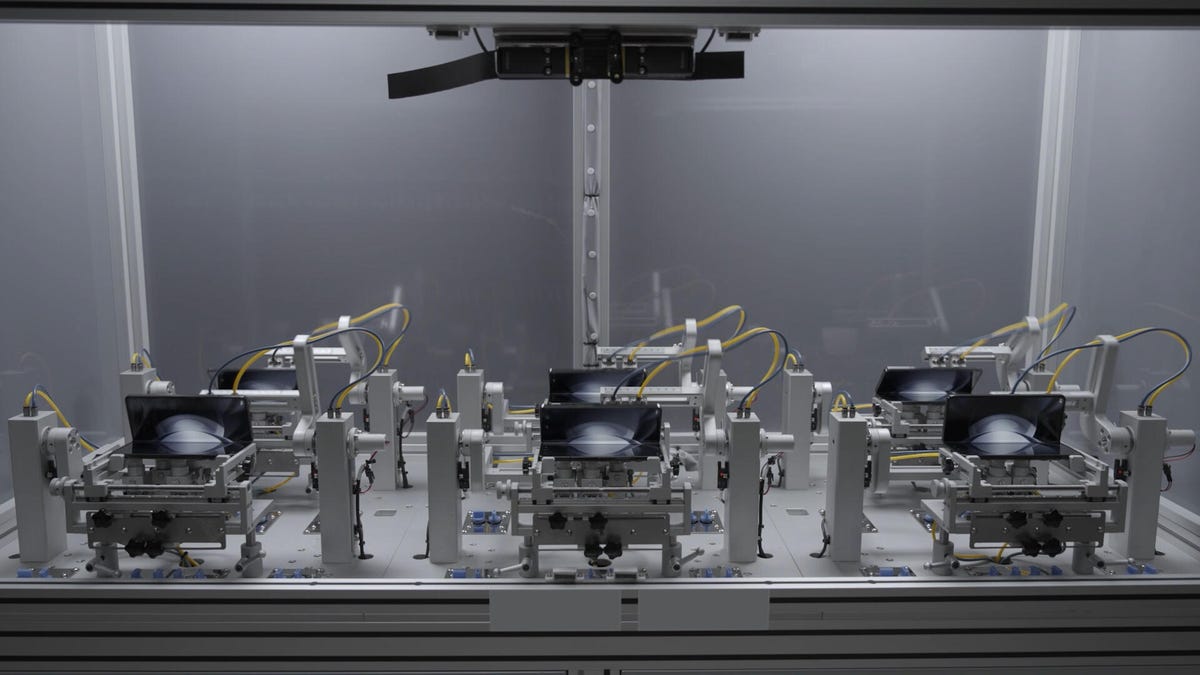
Samsung puts its Galaxy phones through rigorous durability testing in its reliability testing labs to ensure they can withstand drops, extreme climates, and other hardships. The tests include evaluating how phones react when falling at different angles and heights, assessing durability after impact, and measuring the number of open-and-close cycles for foldable phones. Samsung also tests for water resistance, USB port functionality, button durability, and camera performance in real-world scenarios. The company even immerses devices in extreme cold and highly humid conditions to ensure they function properly in different climates. The testing process helps Samsung identify and address potential reliability issues before shipping its smartphones, as the company ships more smartphones than any other worldwide.
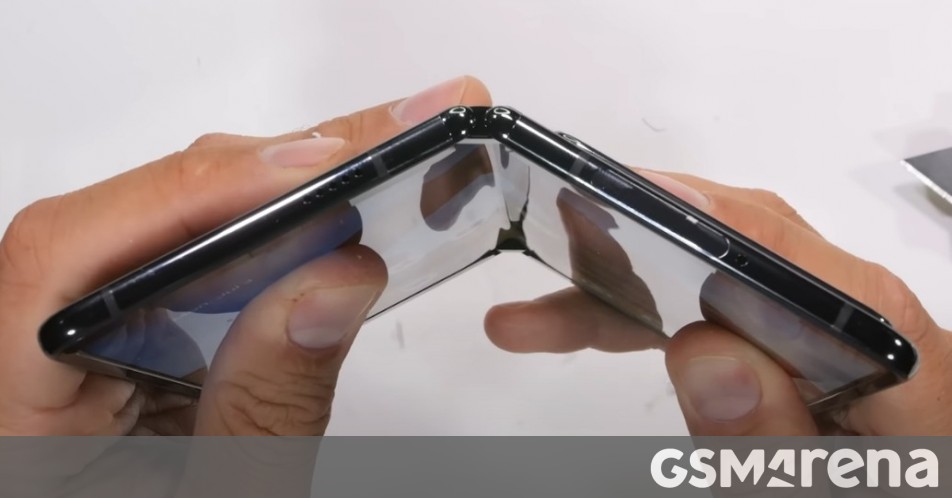
The Google Pixel Fold, the company's first foldable smartphone, has undergone durability testing and did not fare well. The outer screen scratches at level 6 on the Mohs hardness scale, while the inner foldable screen scratches at level 2. The phone's sides are made of metal, but the hinge and antenna lines are vulnerable points. The device also struggled with heat, shutting down automatically after exposure to an open flame. When subjected to a bend test, the Pixel Fold's inner screen was destroyed, rendering it unable to fold shut again.
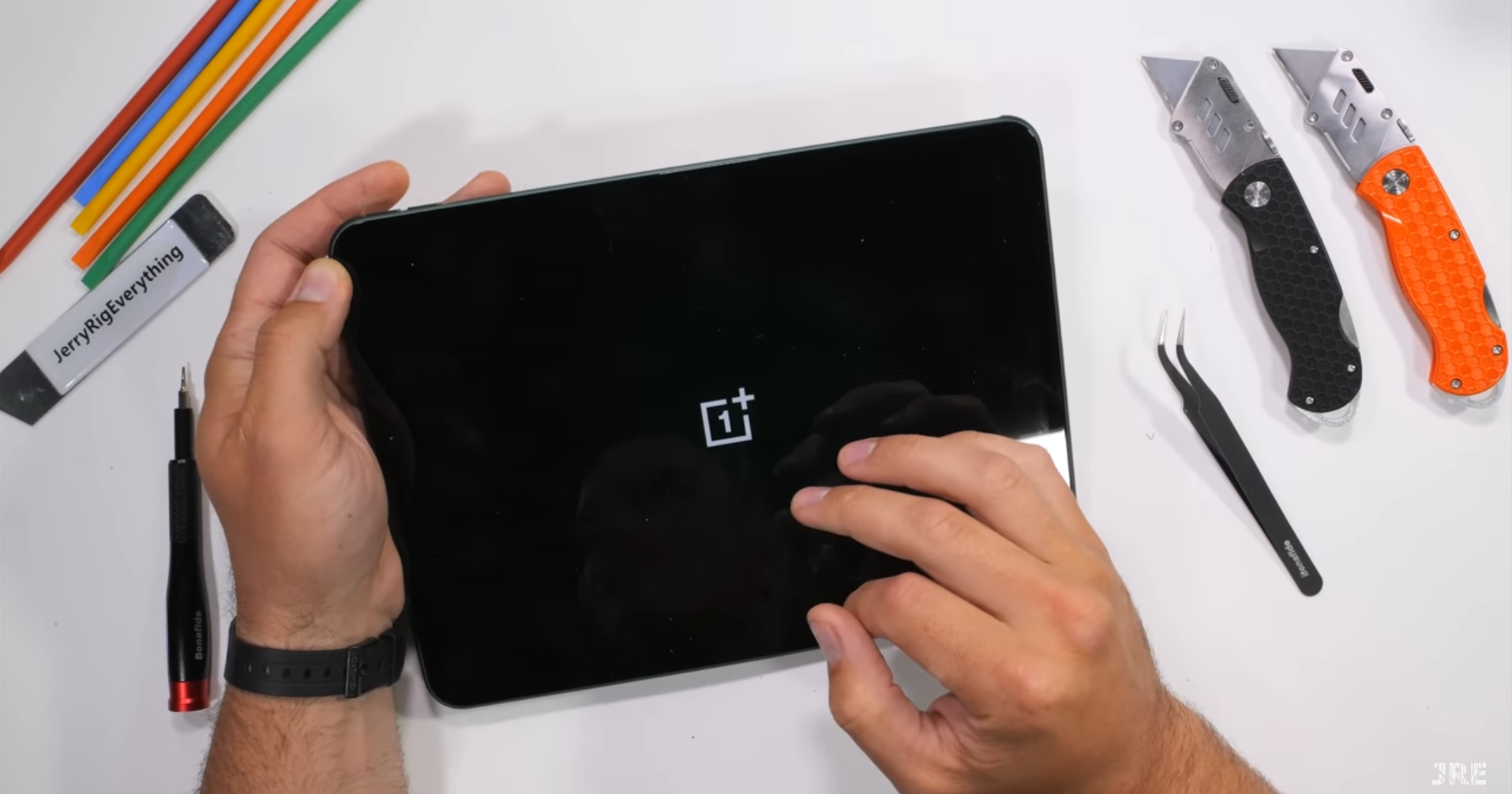
The OnePlus Pad, the company's first-ever tablet, has impressed in durability testing, beating some of its own brand's recent flagship smartphones and even some iPads. It is also relatively third-party repair-friendly and comes with its own 67W SuperVOOC charger in the box. The tablet's copper-rich internals and magnetic Stylo accessory have also received praise. Overall, the OnePlus Pad appears to be a robust and potentially more sustainable proponent of the resurging Android tablet space.