A Japanese clinical trial demonstrated that injecting non-oxygenated perfluorodecalin into the rectum is safe and tolerated, paving the way for a novel 'enteral ventilation' method that could assist patients with lung failure by delivering oxygen through the gut, inspired by a fish that breathes via its intestines.
Scientists have safely tested a novel method called enteral ventilation, which delivers oxygen through the rectum, potentially providing a new aid for patients with respiratory failure, especially when traditional methods are not suitable. The technique was safe in initial tests, with mild bloating as the only side effect, and could serve as a temporary oxygenation solution in critical care scenarios.
Scientists have successfully tested the safety of a novel method called enteral ventilation, which delivers oxygen through the intestine, in a human trial involving healthy volunteers, paving the way for potential emergency treatments for severe respiratory failure.
Actor and comedian Paul Reubens, best known for his portrayal of Pee-wee Herman, died in July from acute hypoxic respiratory failure, with acute myelogenous leukemia listed as the underlying primary cause of death. Reubens had been privately battling cancer for years, including metastatic lung cancer. He had been working on a memoir before his passing.
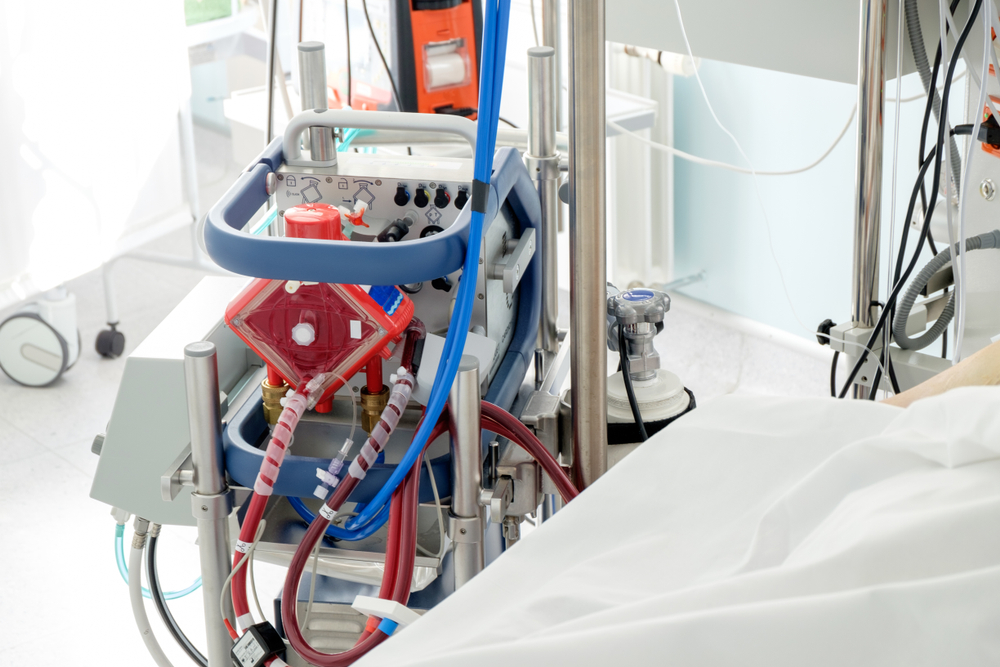
A study funded by the National Institutes of Health suggests that the use of extracorporeal membrane oxygenation (ECMO) does not complicate treatment for severe respiratory failure in adults with obesity. The study found that adults with obesity who received ECMO for acute respiratory distress syndrome (ARDS) had lower mortality rates compared to patients without obesity who received ECMO. The findings support the use of ECMO as a potential lifesaving therapy for critically ill patients with obesity and ARDS.
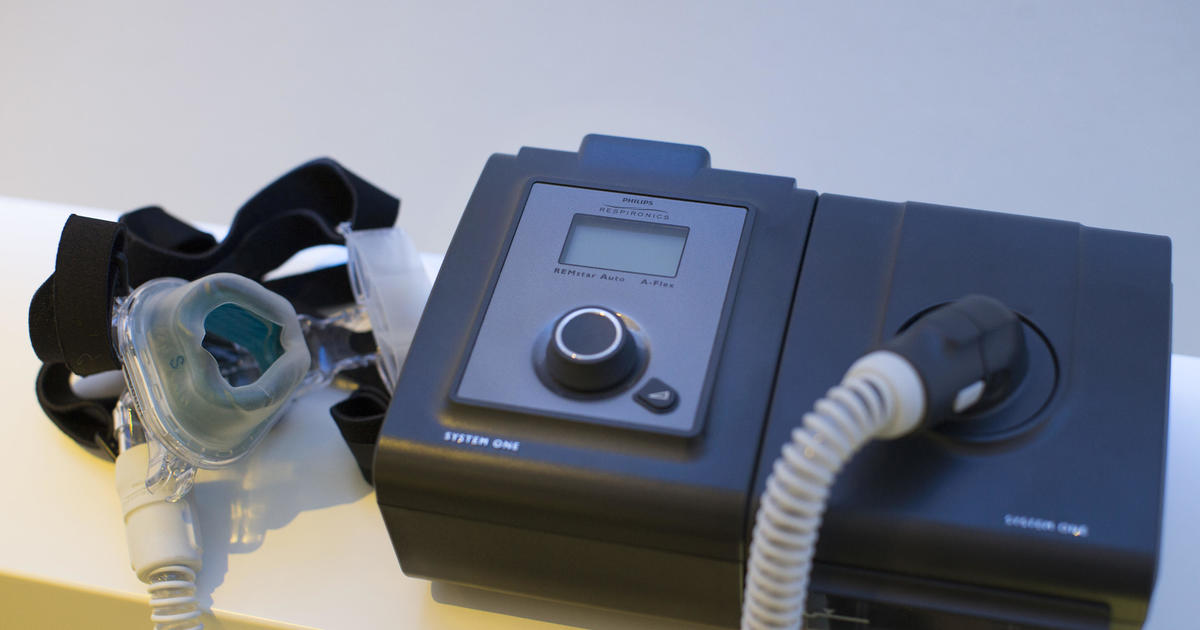
The U.S. Food and Drug Administration has issued a new alert about Philips Respironics' continuous positive airway pressure (CPAP) machines, which were recalled in June 2021 due to foam inside the units breaking off and blowing into users' mouths. The repaired machines have also been recalled, as they were given the wrong or a duplicate serial number when Philips re-programmed them. The error can cause the devices to deliver the wrong prescription to sleep apnea patients, or fail to offer any therapeutic benefits, which could lead to respiratory failure or heart failure. Philips has received 43 complaints about the reworked machines, although no injuries or deaths have been reported.