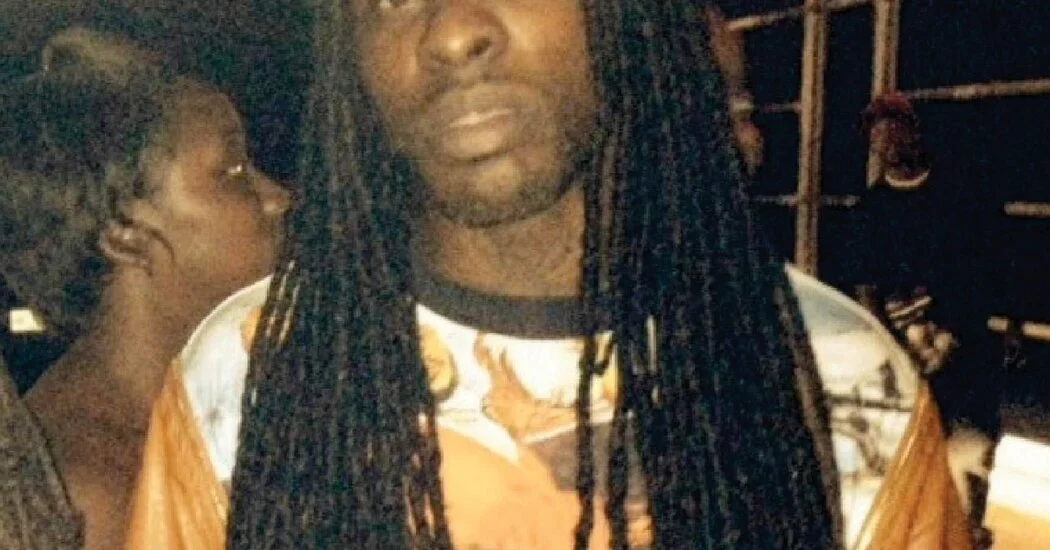
Damon Landor, a Rastafarian inmate, was forcibly shaved by prison guards, leading to a legal battle over whether he can sue for violating his religious rights under federal law, with the Supreme Court set to decide.
Justice Sonia Sotomayor strongly dissented from two recent Supreme Court rulings on birthright citizenship and religious rights, warning of their potentially profound and lasting negative impacts on schools, immigrants, and the justice system.
The US Supreme Court ruled that schools must allow students to opt out of reading LGBTQ+ themed books on religious grounds, a decision that highlights ongoing tensions between religious rights and inclusive education in the US.
The Supreme Court ruled 6-3 in favor of parents in Maryland who objected to LGBTQ-themed books in elementary schools, asserting that the school's refusal to allow opt-outs violated their First Amendment rights to religious freedom, amidst ongoing debates over LGBTQ content in education.
The Supreme Court will decide whether a Rastafarian prisoner can receive monetary damages after prison officials cut his dreadlocks in violation of his religious beliefs, with the case focusing on the interpretation of the Religious Land Use and Institutionalized Persons Act and similar laws.
The U.S. Supreme Court rejected a Native American group's attempt to block a copper mine in Arizona that would destroy a sacred site, Oak Flat, citing legal and procedural reasons, despite arguments that the project violates religious rights and tribal traditions.
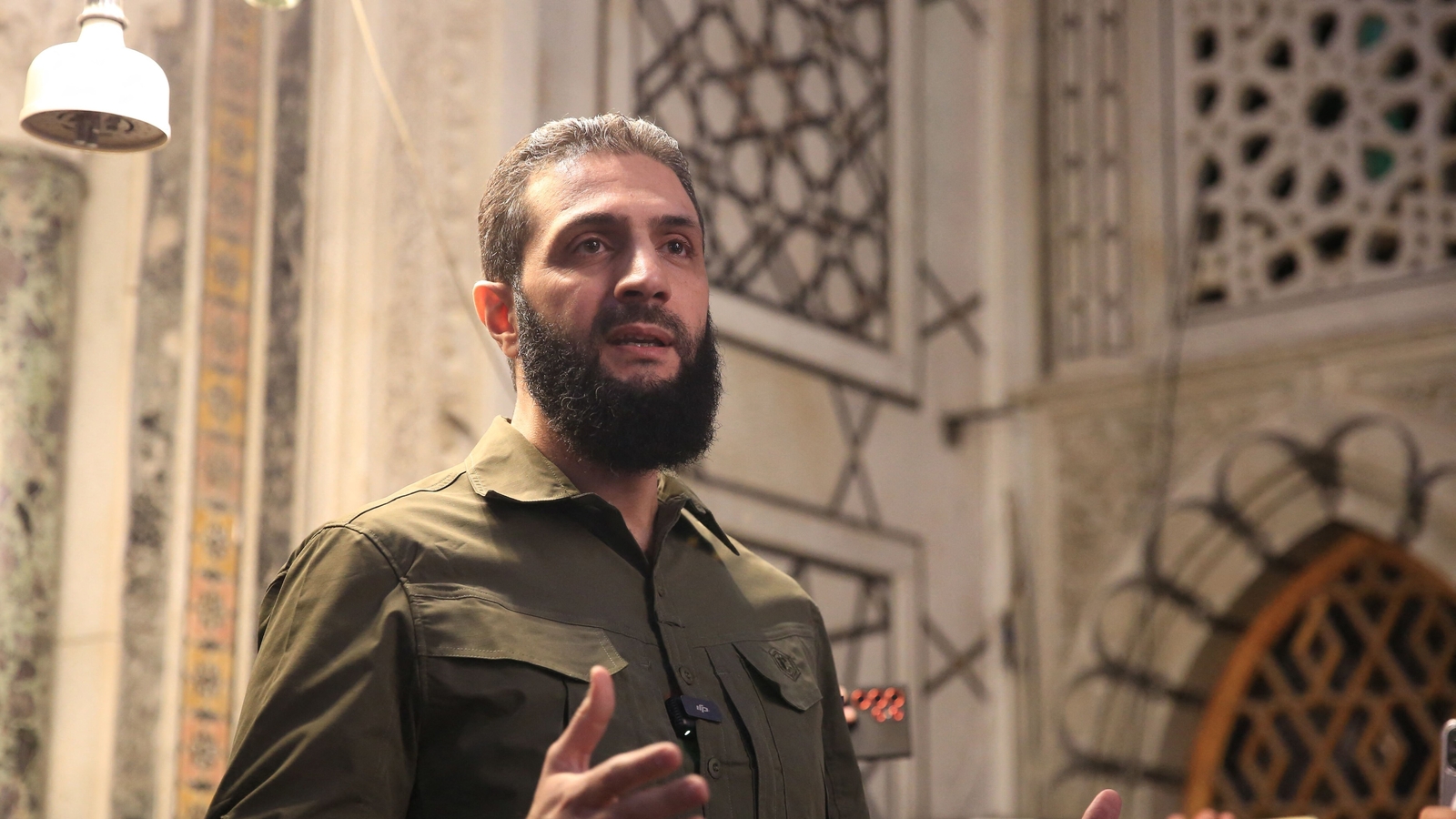
Syria's new prime minister, Ahmed al-Sharaa, leader of the Islamist Hayat Tahrir al-Sham (HTS) group, has pledged to guarantee the rights of all religious groups following the ousting of President Bashar al-Assad. The HTS-led alliance's victory ends decades of Assad family rule, and the new regime is urging Syrians who fled the war to return. Al-Sharaa has vowed justice for victims of Assad's regime, particularly those tortured in detention. The international community remains cautious, with concerns about potential new conflicts during the transition.
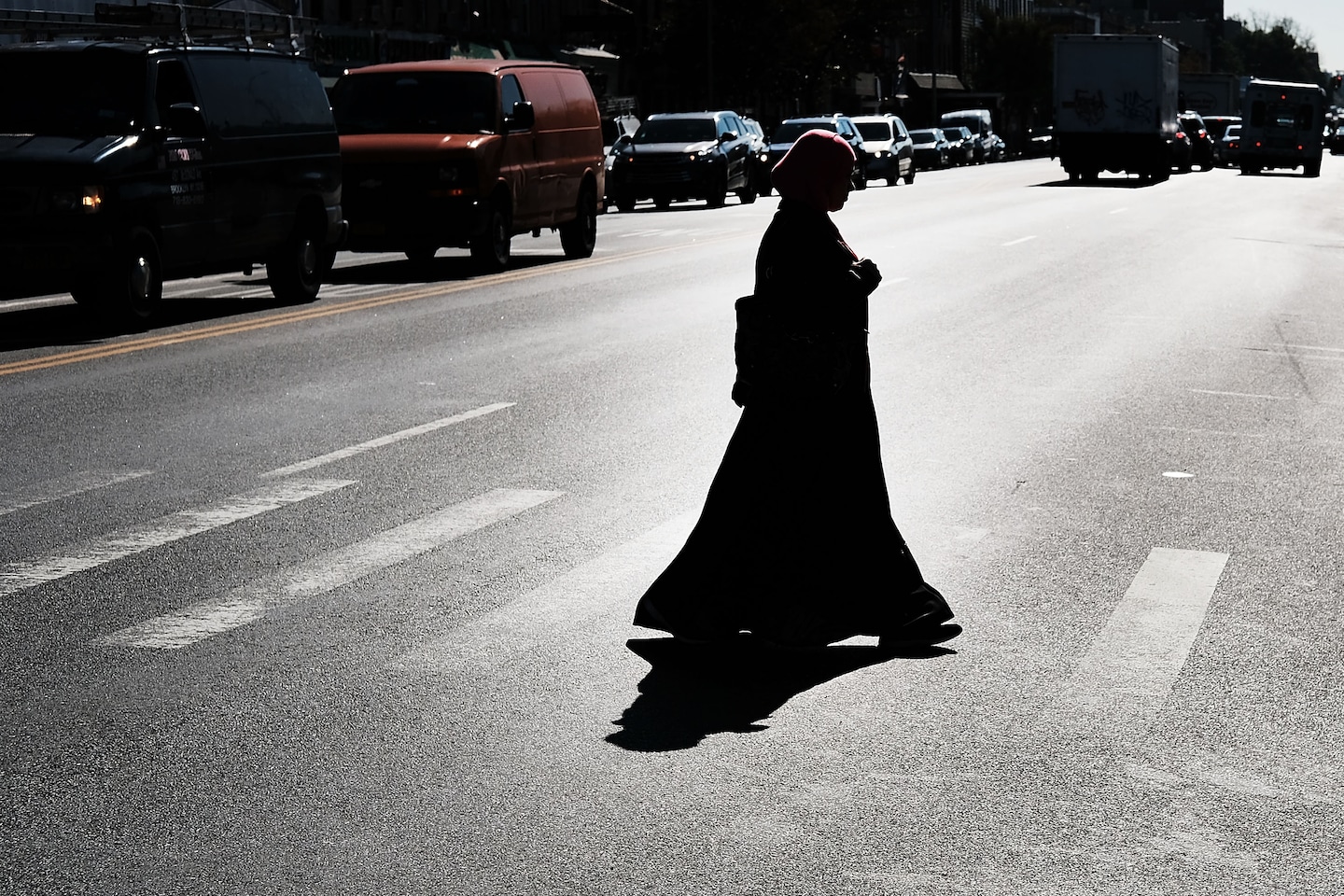
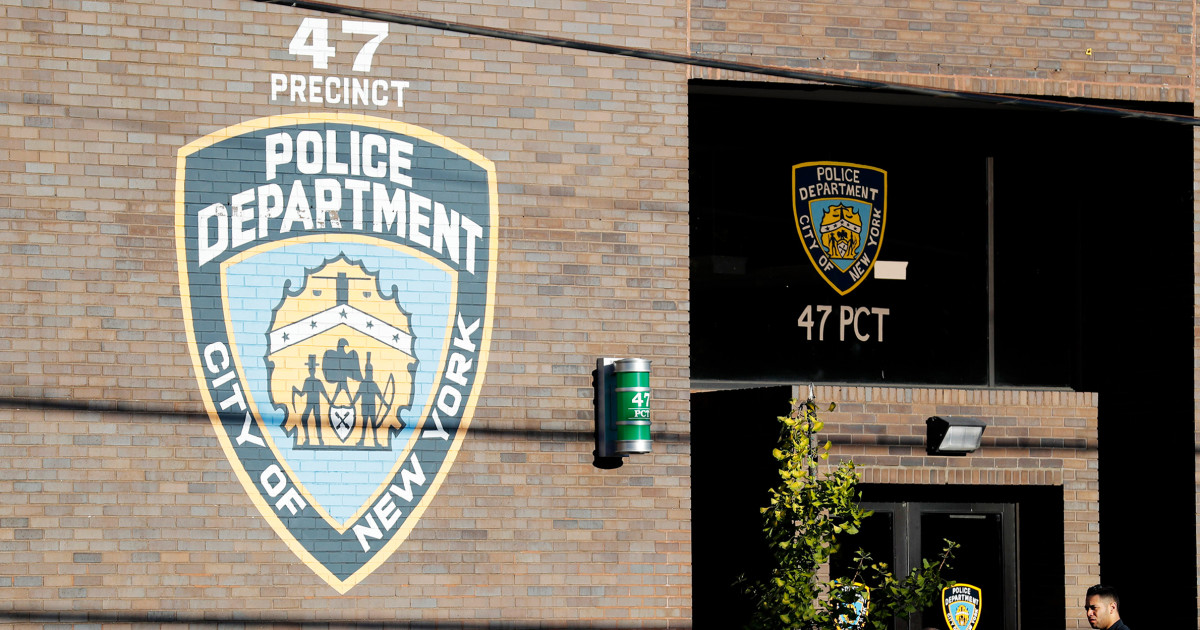
New York City has agreed to pay $17.5 million to settle a class-action suit brought by two women who were forced to remove their hijabs for mug shots, leading to a change in NYPD policy. The women, Jamilla Clark and Arwa Aziz, described feeling humiliated and violated, and the settlement will provide compensation for thousands of eligible individuals who were similarly affected. The lawsuit also highlighted the violation of religious rights and privacy, with the NYPD now facing a reform in its practices regarding religious head coverings during arrests.
New York City has agreed to pay $17.5 million to settle a lawsuit filed by two Muslim women who were forced to remove their head coverings for mug shots after being arrested, with the lawsuit claiming they felt shamed and exposed. The settlement, which requires approval by a federal judge, resulted in a change in the police department's policy to allow arrested individuals to keep their head coverings on for mug shots with limited exceptions. The financial settlement will be shared by approximately 4,100 eligible class members, with a guaranteed minimum payment of $7,824 for each eligible person.
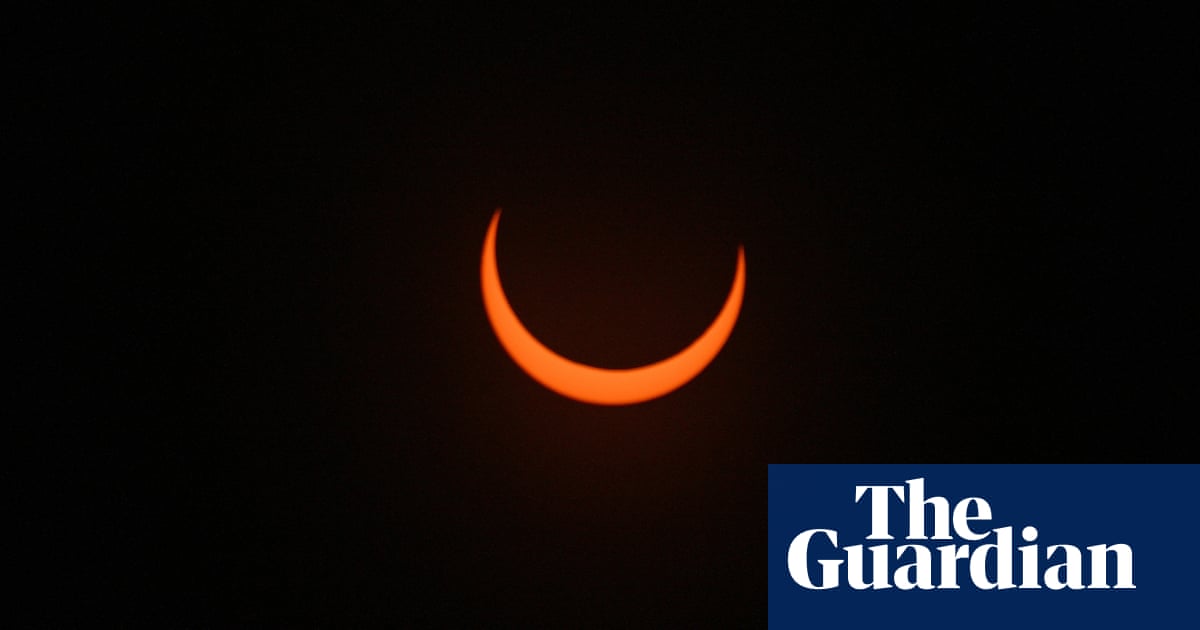
Inmates at a New York prison sued the state corrections department over a planned lockdown during the total solar eclipse, claiming it violated their religious rights. The plaintiffs, representing various religious backgrounds, were granted permission to view the eclipse in exchange for dismissing the lawsuit. The rare celestial event, which New York has not experienced since 1925, prompted security concerns and led to the cancellation or restriction of visitation at several facilities. The lawsuit argued that the eclipse held religious significance for the inmates, and the settlement agreement allowed them to view it in accordance with their sincerely held beliefs.
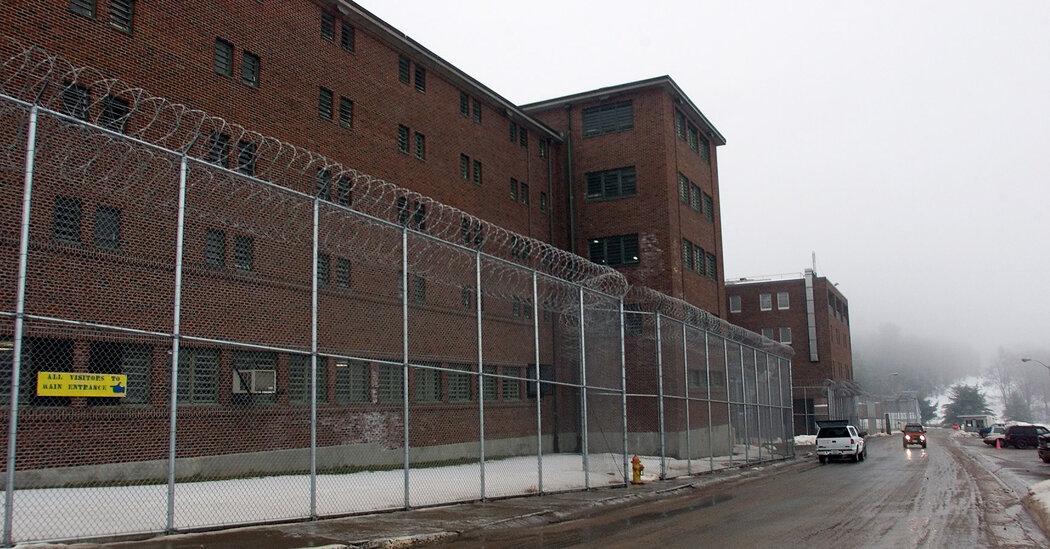
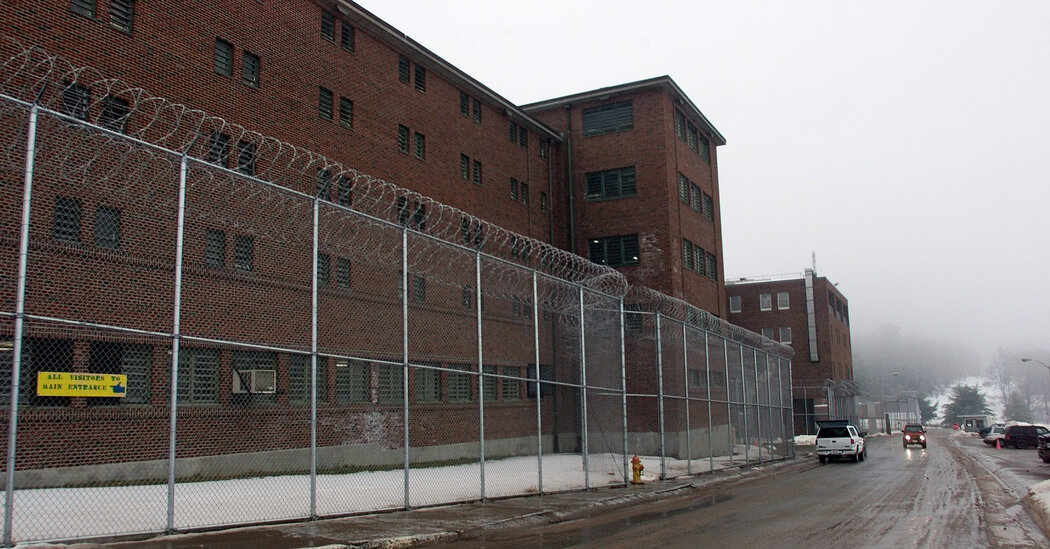
Six incarcerated individuals in New York's Woodbourne correctional facility will be allowed to view the upcoming solar eclipse after settling a lawsuit against the state's correctional department, which had planned to lock down the prison during the event. The group argued that the decision violated their constitutional rights, citing religious significance of the eclipse. The correctional department will provide protective eyewear, and other religious exemption requests are being considered.
Six New York inmates sued the state corrections department after it decided to lock down prisons during the upcoming total solar eclipse, claiming it infringed on their religious rights. The inmates, with varying religious beliefs and convictions, reached a settlement with the department, allowing them to view the eclipse in accordance with their sincerely held religious beliefs. The lockdown decision was issued in March, affecting all prisons in New York, and the next solar eclipse will take place in 2044.
The New York State Corrections Department has agreed to allow six inmates at Woodbourne Correctional Facility to view Monday's total solar eclipse, following a federal lawsuit claiming that the prison lockdown during the eclipse violated their constitutional right to practice their religion. The inmates, from varying religious backgrounds, believe the eclipse is a religious event they must witness and reflect on to observe their faiths. The lawsuit has been deemed to have come to an appropriate resolution by the Department of Corrections and Community Supervision.
Inmates at New York's Woodbourne Correctional Facility will be allowed to view the solar eclipse after a lawsuit was filed by six inmates arguing that denying them the right to see the eclipse would violate their religious rights. The New York State Department of Corrections and Community Supervision has entered into a binding settlement agreement to allow the inmates to view the eclipse in accordance with their religious beliefs, and the lawsuit has been withdrawn.
Six inmates at an upstate New York prison are suing the state's Department of Corrections and Community Supervision for denying them the opportunity to view the upcoming solar eclipse, which they believe has religious significance. The inmates argue that the lockdown order preventing them from watching the eclipse violates their constitutional right to practice their religion, as they come from varying religious backgrounds that recognize the eclipse as a significant event.