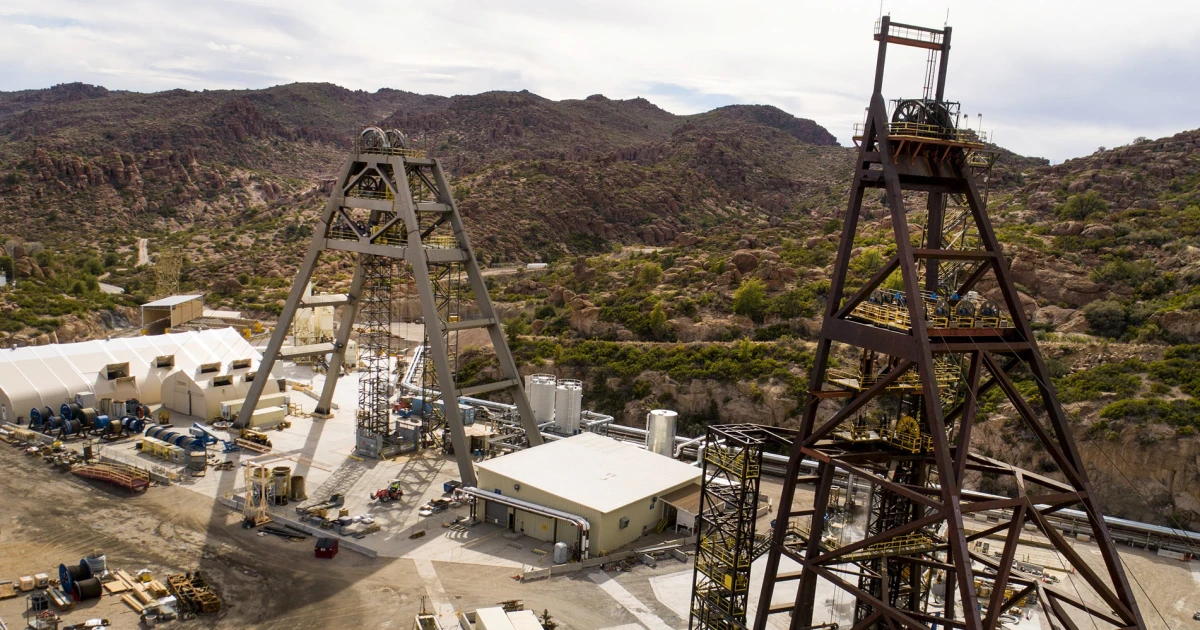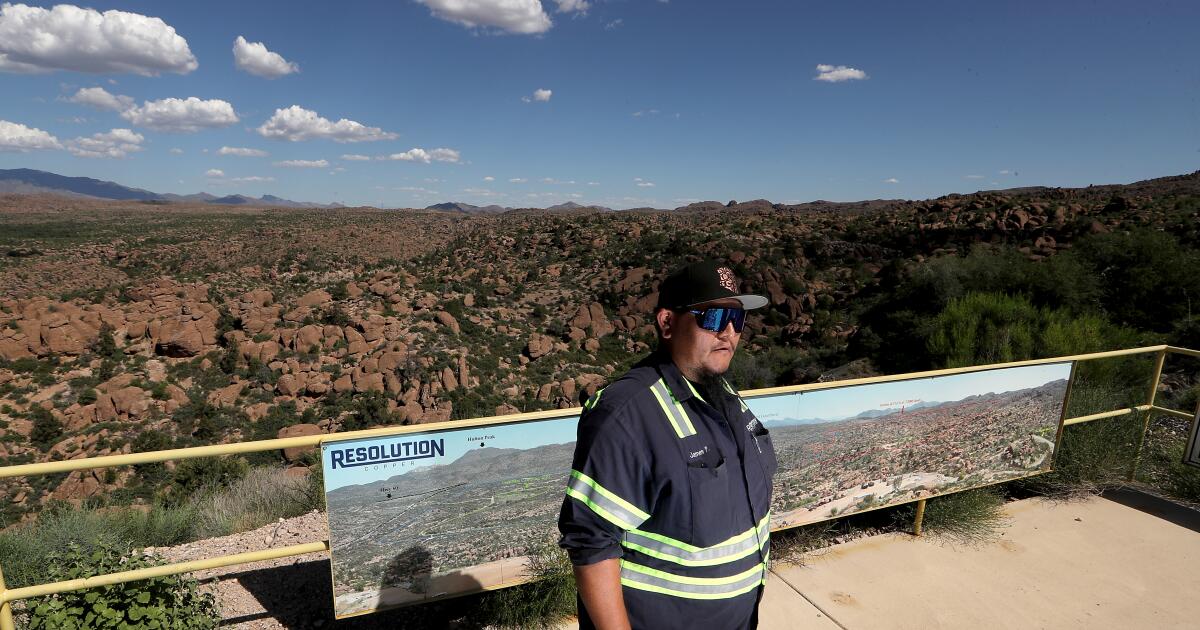
The U.S. Supreme Court declined to hear an Apache religious challenge to a copper mine on Oak Flat, a sacred site, allowing the project to proceed despite opposition from the Apache community who argue it violates their religious rights. The decision upholds a lower court ruling, with dissenting justices warning of broader implications for religious sites on federal land. The mine, rich in copper and economically significant, faces ongoing legal and political battles.
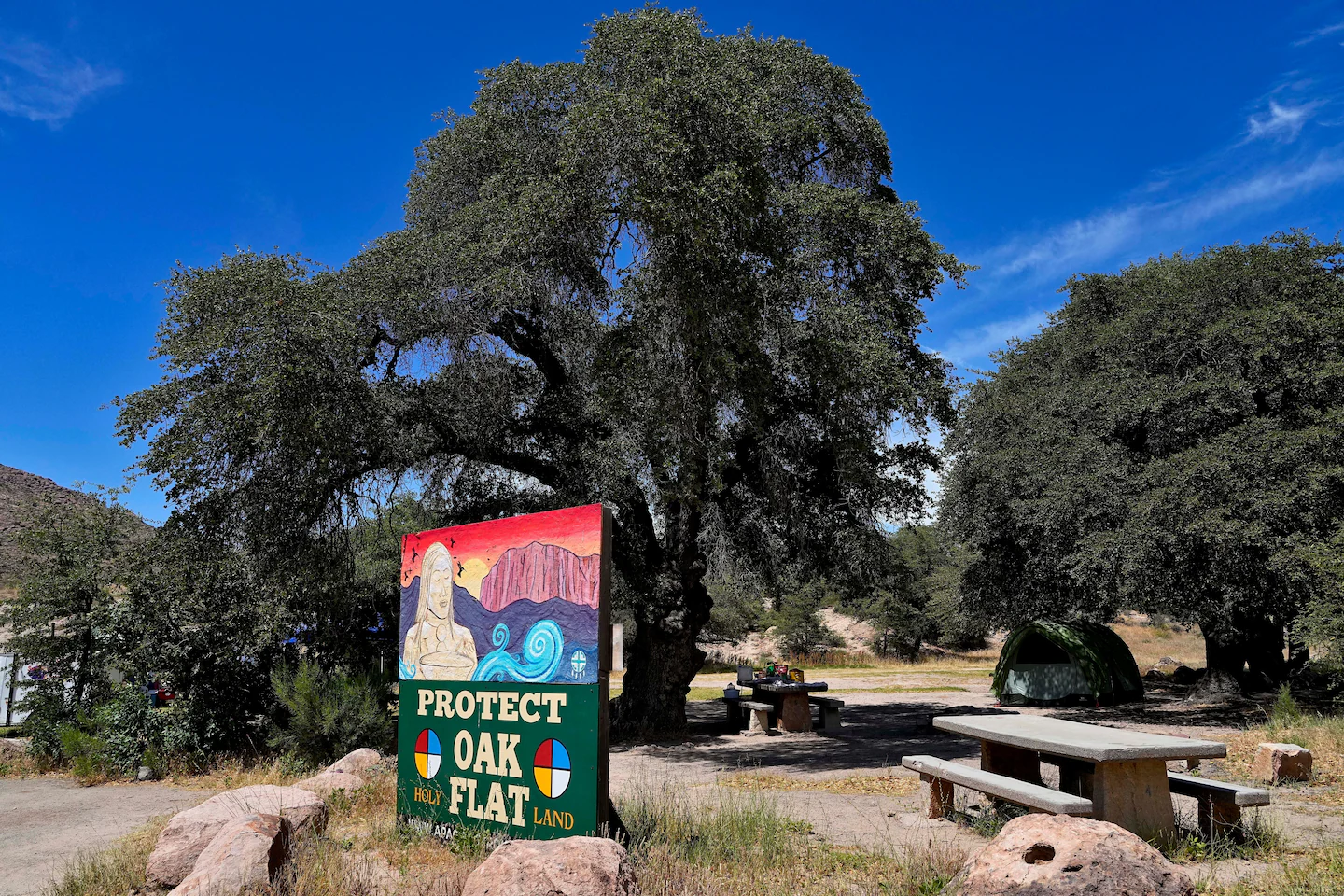
The Supreme Court approved the transfer of a Native American sacred site in Arizona to a copper-mining company, allowing the land to be used for mining despite its spiritual significance to the Western Apache Indians.
The U.S. Supreme Court rejected an appeal by Apache tribes to block a copper mining project on sacred land in Arizona, allowing the transfer of land to Resolution Copper, which plans to develop one of the world's largest copper mines, despite concerns over religious and environmental impacts.
The U.S. Supreme Court rejected a Native American group's attempt to block a copper mine in Arizona that would destroy a sacred site, Oak Flat, citing legal and procedural reasons, despite arguments that the project violates religious rights and tribal traditions.
The Biden administration is defending a mining project that will destroy a sacred Apache religious site, Chi’chil Biłdagoteel, also known as Oak Flat, to build one of the largest copper mines in the world. The project has been controversial since it was added as a rider to a defense authorization bill in 2014, and the San Carlos Apache have been fighting it ever since. The project hinges on the destruction of Oak Flat, which is considered a holy site by many Native American tribes. The Forest Service is nearing completion of an environmental impact study, and the initiation of construction depends on its publication. The case is being heard by an 11-judge panel on the 9th U.S. Circuit Court of Appeals, and the Biden administration has confirmed that it is moving forward with the project.