Tag

Refractive Index

All articles tagged with #refractive index

science-and-technology2 years ago

"Unveiling the Potential: Photonic Time Crystals and the Optics Revolution"

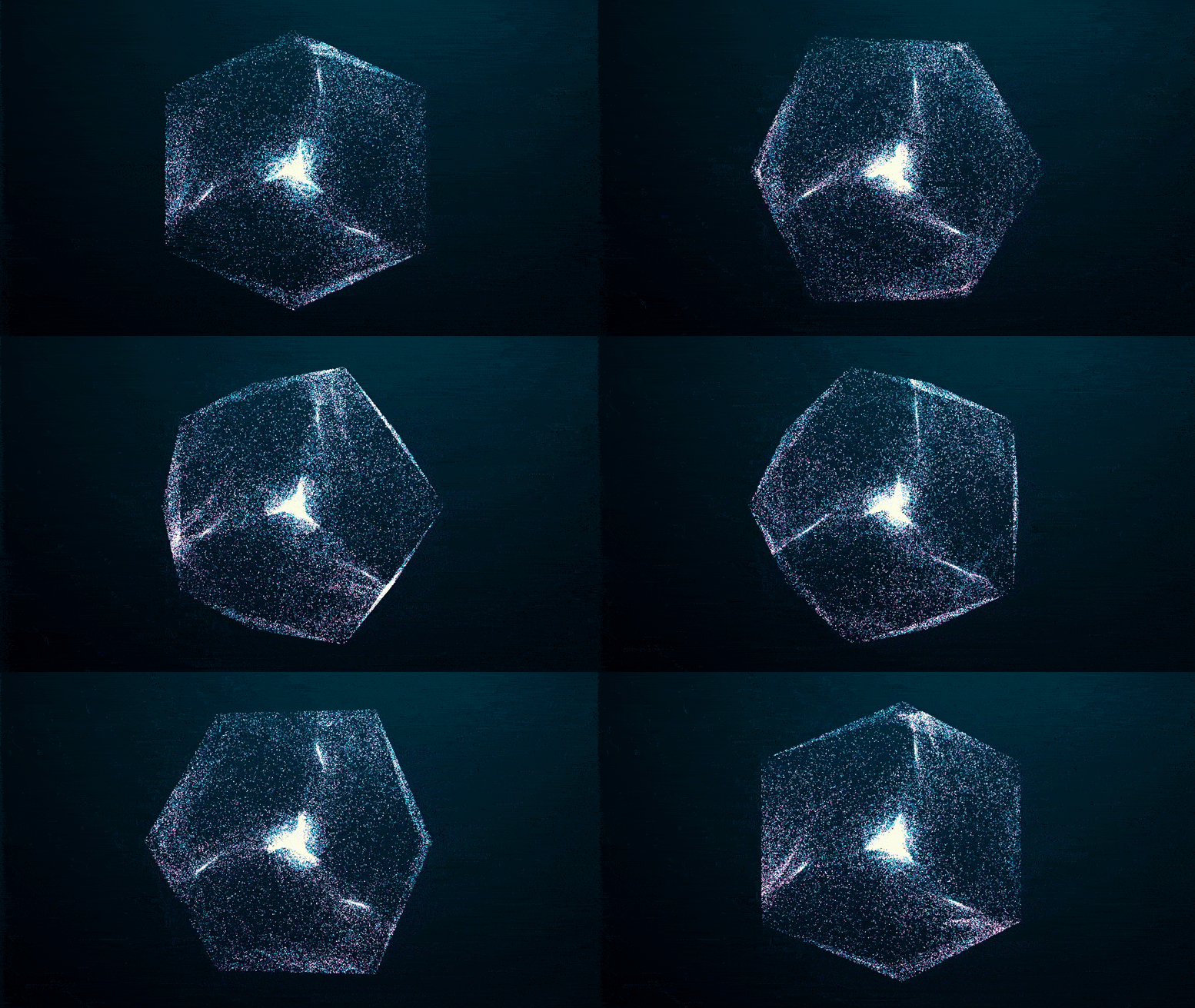
Researchers have successfully produced photonic time crystals (PTCs) in the near-visible spectrum by rapidly modulating the refractive index. This breakthrough expands the range of PTCs, which were previously observed only in radio waves. The ability to sustain PTCs in the optical domain could have significant implications for light science, enabling disruptive applications in the future. The study's authors acknowledge that the exact mechanisms behind this phenomenon are not yet fully understood.

science-and-technology2 years ago

"Revolutionary Photonic Time Crystals Formed by Laser Light's Swift Transformations"

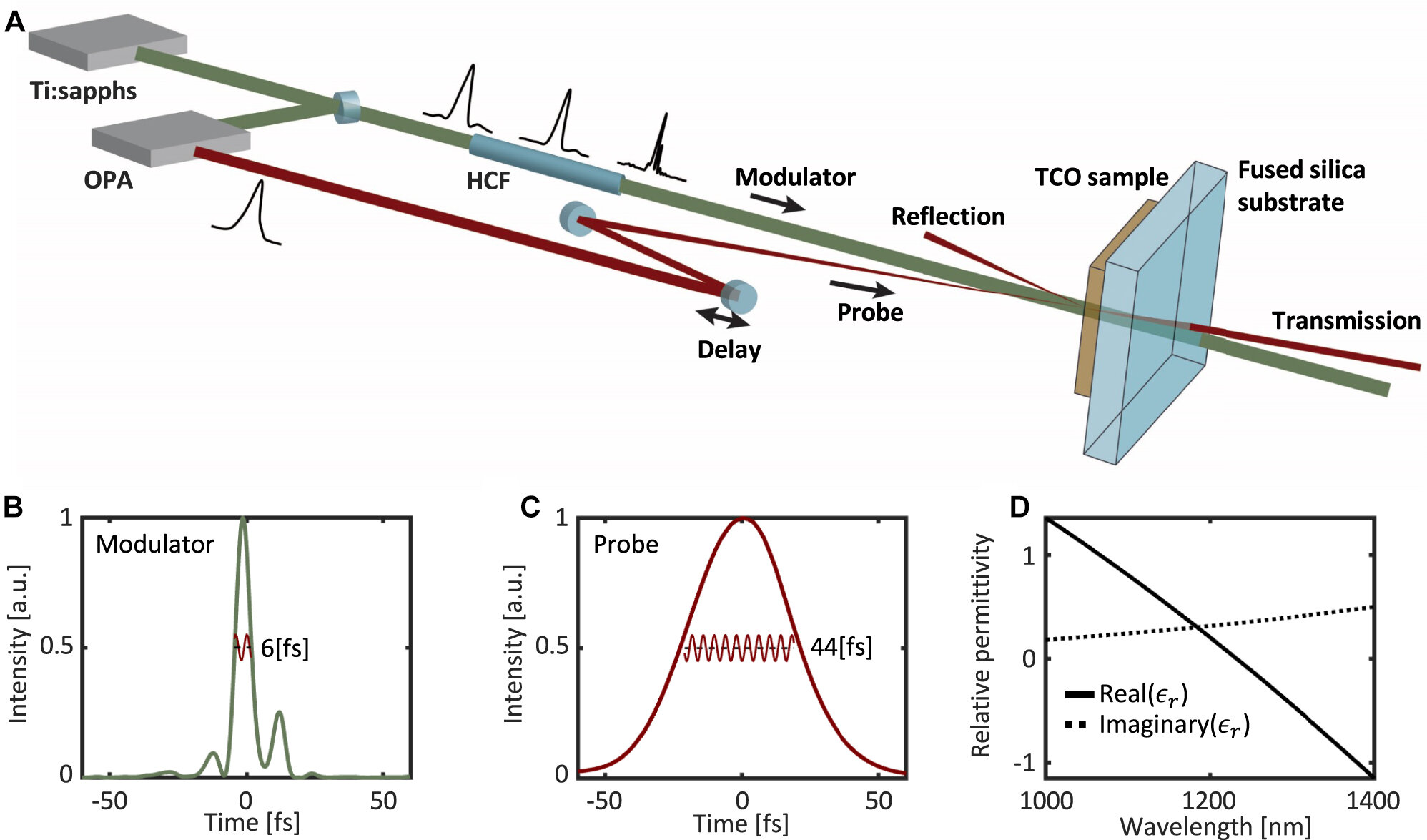
Scientists have conducted experiments that provide further evidence of photonic time crystals (PTCs), materials in which the refractive index oscillates rapidly. By using lasers to rapidly change the refractive index in transparent conducting oxides, researchers observed significant shifts in light frequency and relaxation time. While the exact mechanisms behind these phenomena are not yet fully understood, the findings pave the way for observing PTCs at optical frequencies and exploring other time-boundary phenomena.

science-and-technology2 years ago

"Unveiling the Potential of Photonic Time Crystals in Optics"

Researchers have demonstrated the ability to modulate the refractive index fast enough to generate photonic time crystals (PTCs) in the near-visible part of the spectrum. PTCs are materials in which the refractive index rises and falls rapidly in time, similar to how photonic crystals oscillate periodically in space. This breakthrough in sustaining PTCs in the optical domain could have significant implications for the science of light and enable disruptive applications in the future.

science-and-technology2 years ago

Visible Light and AI: Identifying Organic Molecules

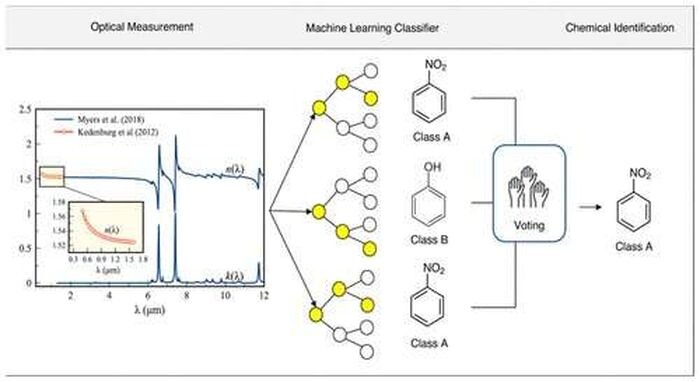
Researchers have developed a method to identify organic compounds using machine learning and the refractive index at a single optical wavelength. The technique could have applications for automated chemical analysis that is cheaper, safer and requires less expertise to operate. The machine learning was trained on a publicly available database of past optical experiments with published data from scientific literature dating back to 1940. The researchers achieved molecular classification testing accuracies in the visible regions better than 98%.