Tag

Refraction

All articles tagged with #refraction

science2 years ago

Unveiling the Mystery of Light: Isaac Newton's Refraction Experiments

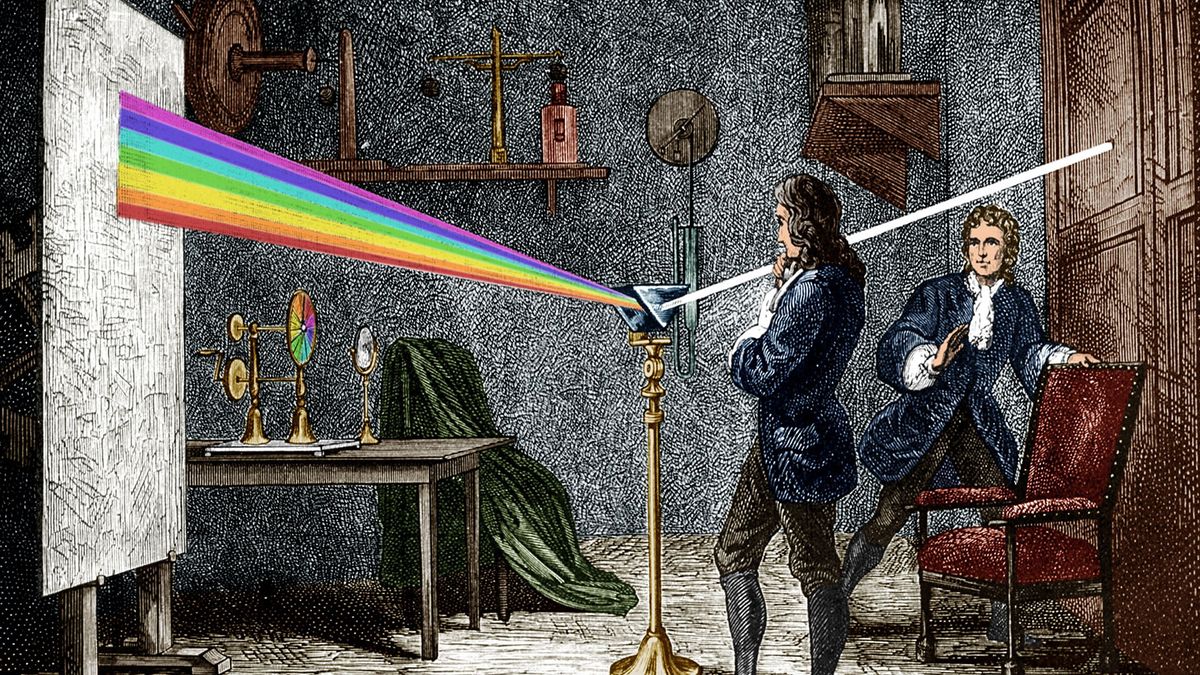
Isaac Newton's experiment with prisms in 1666 revolutionized our understanding of light, revealing that the colors of the rainbow are inherent in white light itself and that prisms simply separate them out through refraction. Newton's findings, published in his book Opticks in 1704, explained the nature of light, the formation of rainbows, and the defects of lenses. Despite initial criticism, his experiments have stood the test of time and continue to illuminate the unknown.

science2 years ago

The Science Behind Mirages: Explained

Mirages occur when light rays bend due to the refraction caused by layers of air at different temperatures. These optical phenomena are not illusions but distorted images of real objects. Superior mirages occur when light bends towards colder, denser air near the surface, making objects appear higher than they actually are. Inferior mirages occur when light bends upward towards cooler air above warmer surfaces, creating the illusion of a water surface on the ground. Mirages are highly dependent on position and receiving angle, and they can be fleeting and difficult to observe.

skywatching2 years ago

The Mystery of the Green Flash at Sunrise and Sunset.

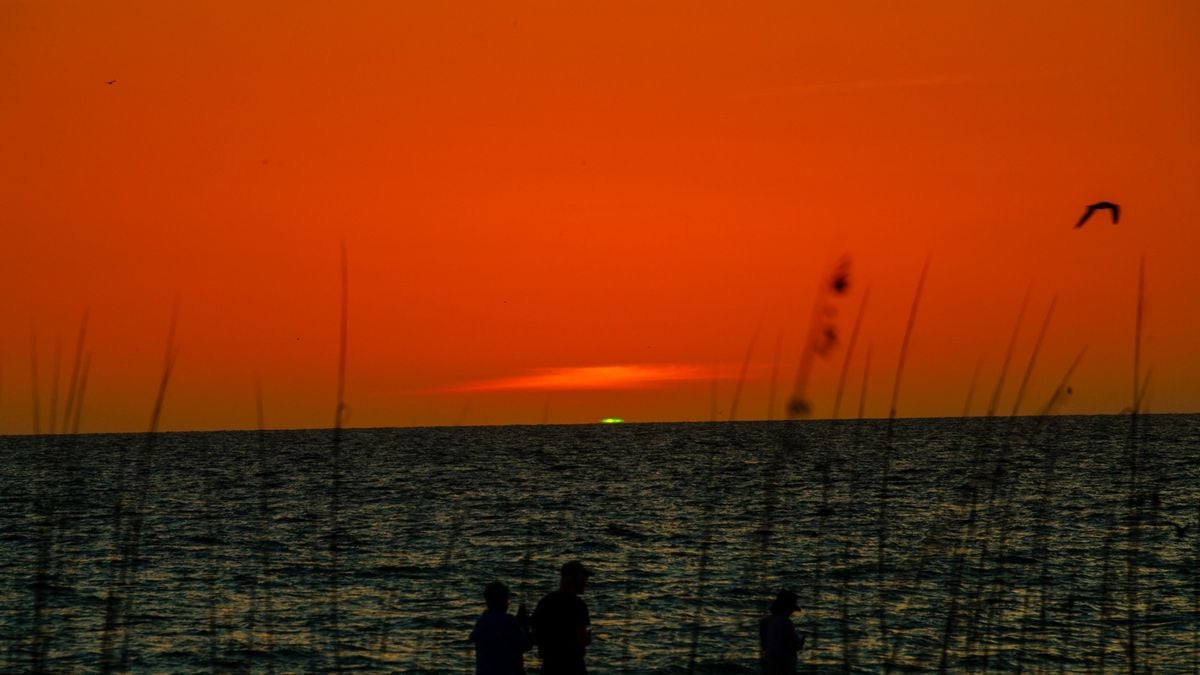
The green flash is a rare phenomenon that occurs during sunset or sunrise when the atmosphere behaves like a prism, separating the stack of different-colored images of the sun. The green color is produced by atmospheric refraction of light, causing objects near the horizon to appear slightly higher in the sky than they really are. The green flash can be elusive, but it can be seen during very clear and exceptionally transparent skies. To catch a glimpse of the green flash, look for a distant, sharply-defined, and low horizon, and avoid looking at the sun until the last moment to avoid eye damage.

science2 years ago

Sunlight Disparities Across the Globe.

Bodø in Norway gets on average 36.5 more minutes of daylight per day than Sydney, Australia due to refraction, hemisphere, and latitude. The Northern Hemisphere gets a longer summer than the Southern Hemisphere due to the elliptical orbit of the Earth. The Arctic Circle gets the most sunlight with an average of 12 hours 40 minutes per day, while the South Pole gets the least with an average of 12 hours. The summit of Mount Forel, Greenland, gets 5,052 hours of daylight a year, more than anywhere else on the planet.