Doctors in Arkansas warn about the rising risk of Alpha-gal syndrome, a potentially life-threatening allergy to red meat caused by tick bites, with no current cure, emphasizing prevention through protective clothing and tick checks.
The incidence of alpha-gal syndrome, an allergy to red meat caused by tick bites, has doubled in Arkansas since 2004, with more cases reported as the condition becomes better recognized. The allergy can cause symptoms like hives, swelling, and breathing difficulties, but early diagnosis and preventive measures such as avoiding tick habitats and using insect repellent can help manage the risk.
The incidence of red meat allergies caused by tick bites, known as alpha-gal syndrome, is increasing in Kansas and Missouri due to climate change, but underreporting hampers understanding of its true prevalence.
A rare allergy called alpha-gal syndrome, caused by tick bites, has led residents of Martha's Vineyard to avoid red meat and dairy, transforming their social and dietary habits due to the risk of severe allergic reactions.
Tick bites are increasing in 2025, leading to a rise in Lyme disease and red meat allergies, particularly affecting residents of Martha's Vineyard who suffer from Alpha-gal syndrome caused by Lone Star ticks.
The Centers for Disease Control (CDC) has reported an increase in Alpha-Gal Syndrome, a red meat allergy caused by tick bites, with Missouri being one of the most affected areas. Symptoms include allergic reactions such as hives and throat closing. Katie Cahoj, a woman from Howell County, Missouri, who has the syndrome, has published a cookbook called 'An Alpha Gal Cooks' to provide resources for those with the condition. She encourages individuals experiencing allergic reactions after consuming red meats to consult their doctors and request a tick panel.
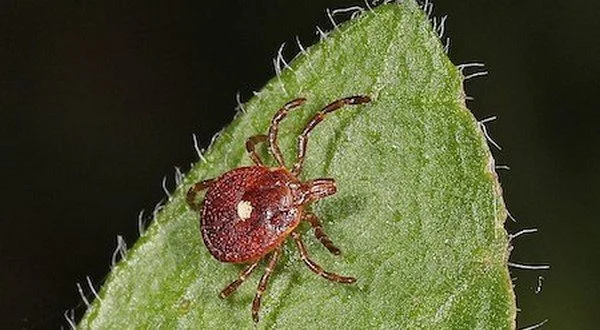
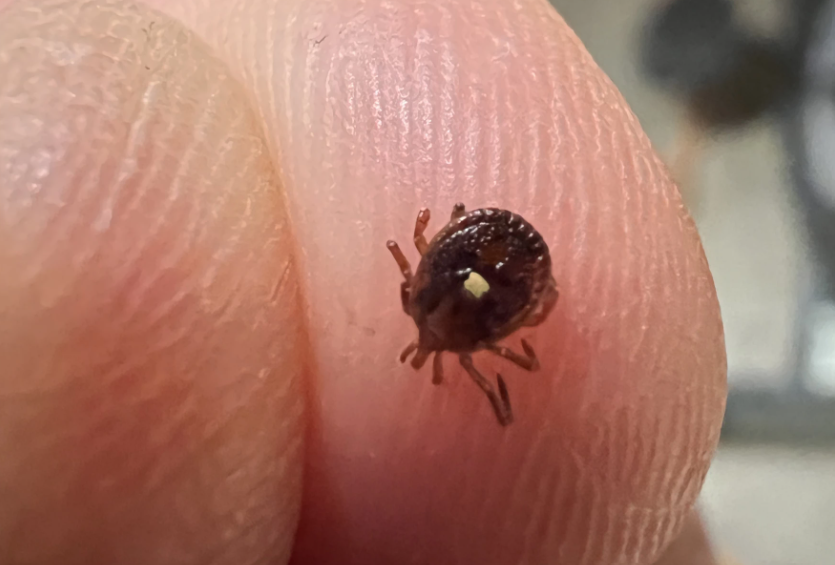
Up to 450,000 people in the United States may have developed a tick-associated allergic condition called alpha-gal syndrome, or red-meat allergy, which is triggered when eating red meat. The condition is caused by a sugar molecule found in tick saliva, and symptoms range from mild to severe. The lone star tick is believed to be the primary carrier of the allergy, and its expanding range due to longer summers and rising temperatures increases the risk of human exposure. Diagnosis and awareness of the condition are low among healthcare providers, and there is currently no cure or treatment.
Doctors are warning about a potential side effect of tick bites - an allergy to red meat. A 68-year-old man in the Czech Republic suffered a cardiac arrest after eating spicy pork kidneys, and it was later discovered that he had been bitten by a tick. The man was diagnosed with alpha-gal syndrome, also known as a red meat allergy, which is triggered by a specific sugar found in the flesh of mammals. Symptoms of the allergy include rash, swelling of the mouth and throat, and breathing difficulties. The severity of the symptoms varies, and subsequent tick bites can worsen the allergy. As global temperatures rise, experts are concerned about the spread of tick-borne diseases like alpha-gal syndrome.