Stock futures were little changed as investors awaited March inflation data, with S&P 500 and Nasdaq 100 futures hovering near the flatline. The 10-year Treasury yield topped 4.4% as investors awaited the consumer price index report for insight into the Federal Reserve's rate policy impact on inflation. Real estate sector outperformed on a tepid day, while gold futures extended their rally to touch an intraday record of $2372.50/ounce. Additionally, various commodity futures, including silver, copper, aluminum, and tin, experienced notable movements in 2024.
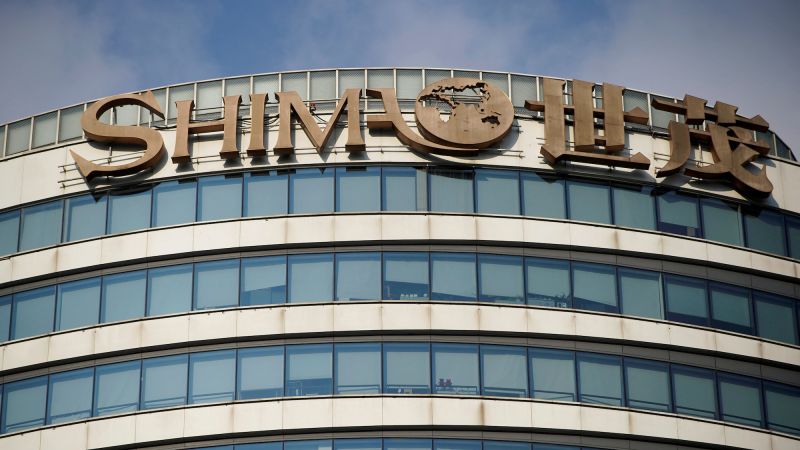
Shanghai-based property giant Shimao Group faces a liquidation petition from a Chinese state-owned bank over a financial obligation of approximately $204 million, as the company's debt troubles continue amid China's crackdown on excessive borrowing by developers. This comes as China's real estate sector grapples with numerous defaults, with Evergrande, the world's most-indebted property developer, already ordered to liquidate by a Hong Kong court, raising concerns about the impact on investors, workers, and homebuyers.
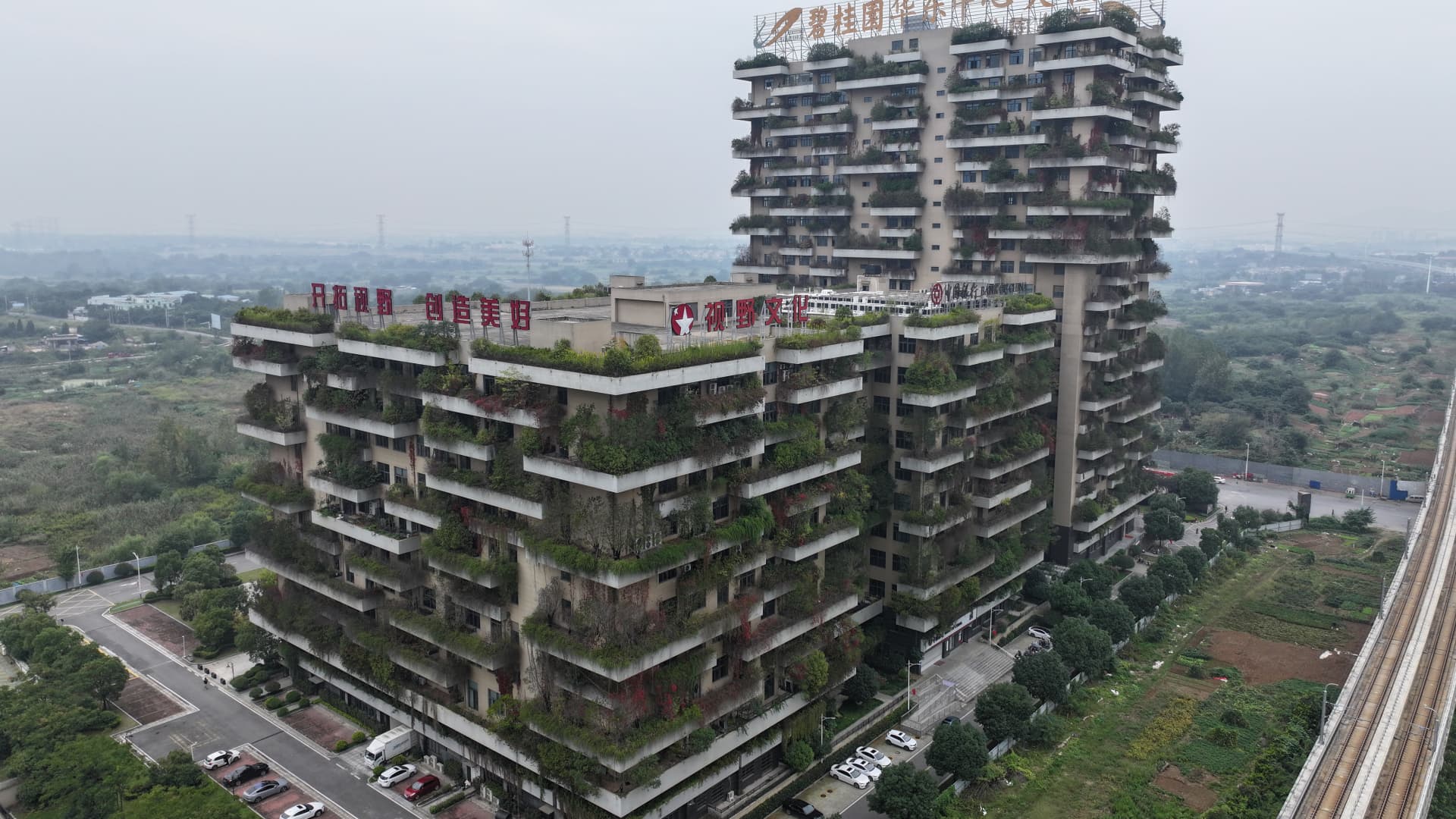
Chinese property developer Country Garden is reportedly set to avoid a default on its yuan-denominated bonds as most holders of a local note have agreed not to demand repayment before maturity next year. The company, once the largest non-state-owned developer in China, has been facing financing troubles and recently defaulted on a U.S. dollar bond. China's real estate sector, which accounts for about 33% of its economy, is grappling with serious debt problems as the government aims to deleverage the sector.
China's recent policy support measures, including the issuance of 1 trillion yuan in government debt, should be seen as stop-gap measures rather than economic stimulus, according to Societe Generale's Asia chief economist. The measures are aimed at fixing the system and resolving the debt problem, particularly in the real estate sector, which has been hit hard by the housing correction. While there are signs of expansion in the services and manufacturing sectors, there is a divergence between official and private surveys, indicating the fragility of the Chinese economy and the need for further stabilization efforts.
Shares of China Evergrande, the world's most indebted property developer, plummeted by up to 25% following reports of the apparent detention of staff by police. The company has been grappling with a financial crunch since 2021, resulting in defaults and a suspended stock trading. Concerns about the state of the company and China's wider property sector were reignited by the news. Evergrande's liabilities were revealed to be $127 billion in May. The troubles in the real estate sector have had a significant impact on the Chinese economy, leading to increased economic stimulus measures.
Hong Kong stocks, led by the Hang Seng index, fell over 2% due to a selloff in the property sector, with real estate firm Country Garden Holdings leading losses. Asian markets, including Japan's Nikkei 225 and South Korea's Kospi, also experienced declines. Meanwhile, energy stocks emerged as the best-performing sector in the S&P 500, outperforming technology stocks since June 30. The dollar index is on track for its fourth consecutive week of gains, and the producer price index rose more than expected in July.
China's largest developer, Evergrande, has defaulted on its debt, highlighting the mounting debt problems in the country's real estate sector. This, along with grim trade data, has negatively impacted the stock market.
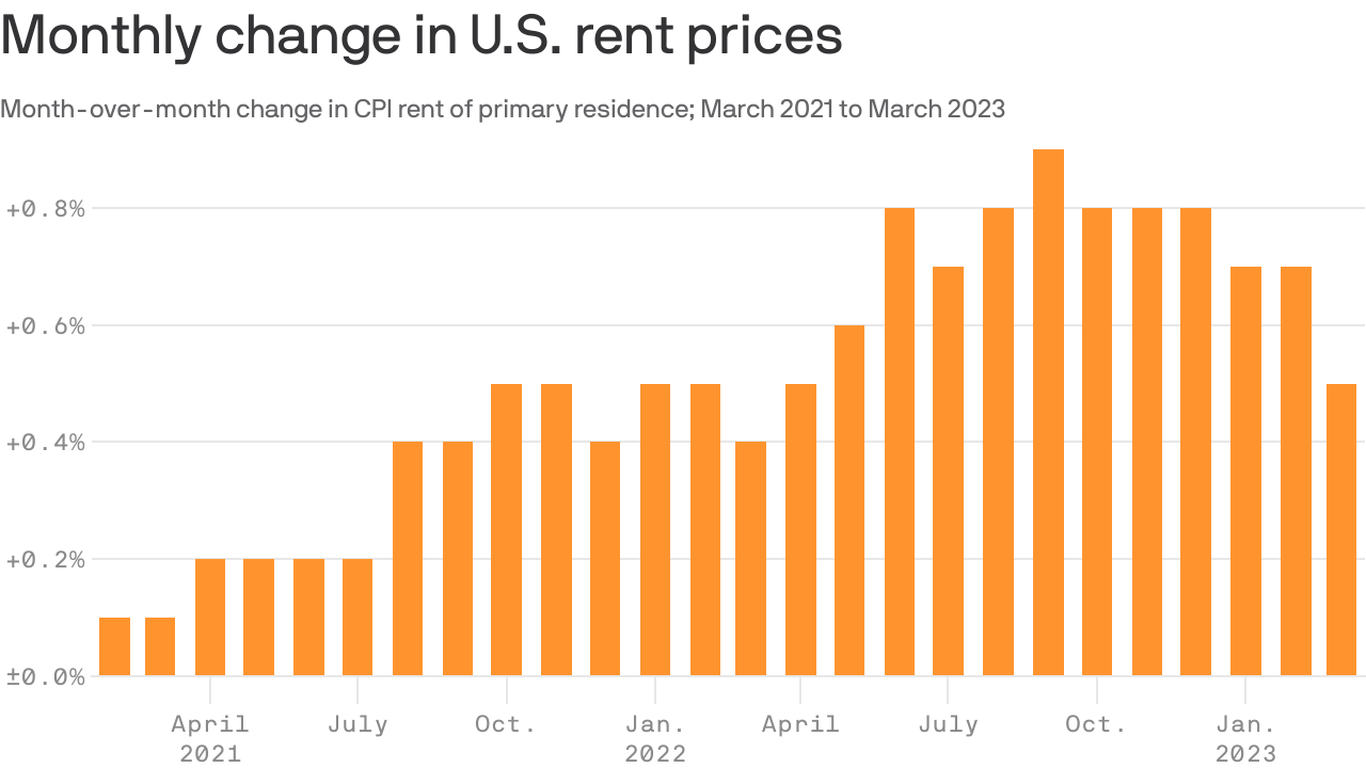
Rent inflation in the US is showing signs of peaking, with the month-over-month pace of rent growth dropping to 0.5% in March from 0.8% in the second half of 2021. However, the annual number is still high, with rents up nearly 9% in March compared to last year. Falling rents are good for renters but pose a problem for the real estate sector, with property values on multifamily apartments falling at the same time as interest rates are soaring.
US mortgage lenders lost an average of $301 on each home loan they originated last year, marking the first time on record that they have taken losses, according to the Mortgage Bankers Association. The loss was due to a surge in loan rates that caused demand for purchase and refinance applications to plummet to their lowest level in decades. The cost of mortgage lending ballooned to $10,624 per loan last year, outpacing gains in loan servicing. Just 32% of firms active in the mortgage lending sector were profitable last year, down from 98% two years earlier.