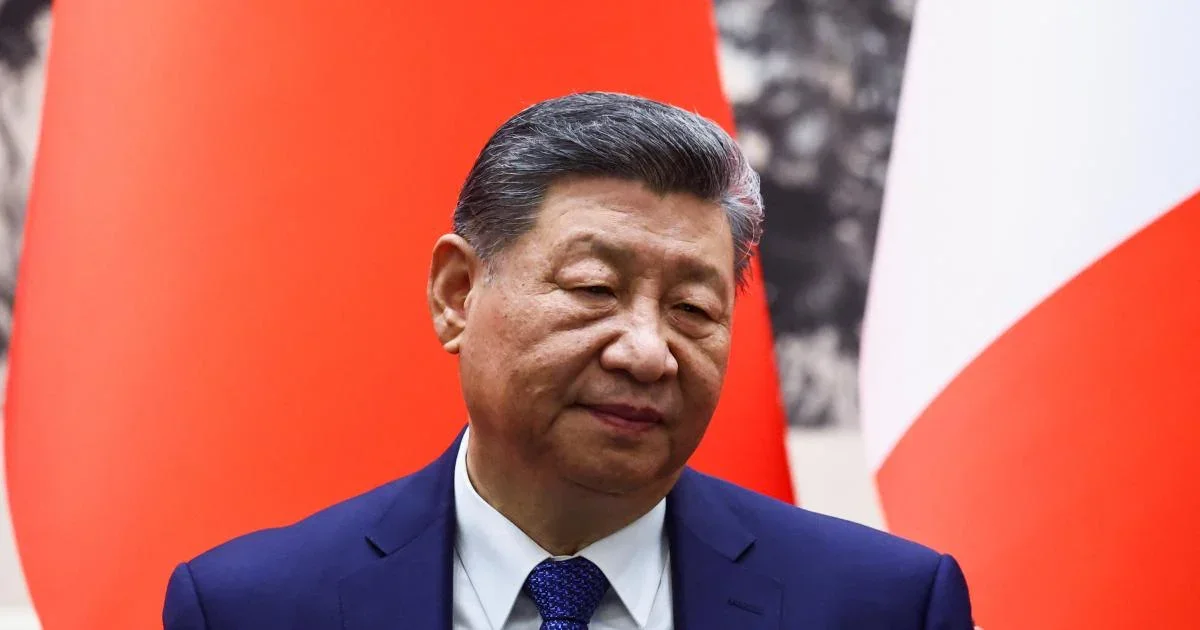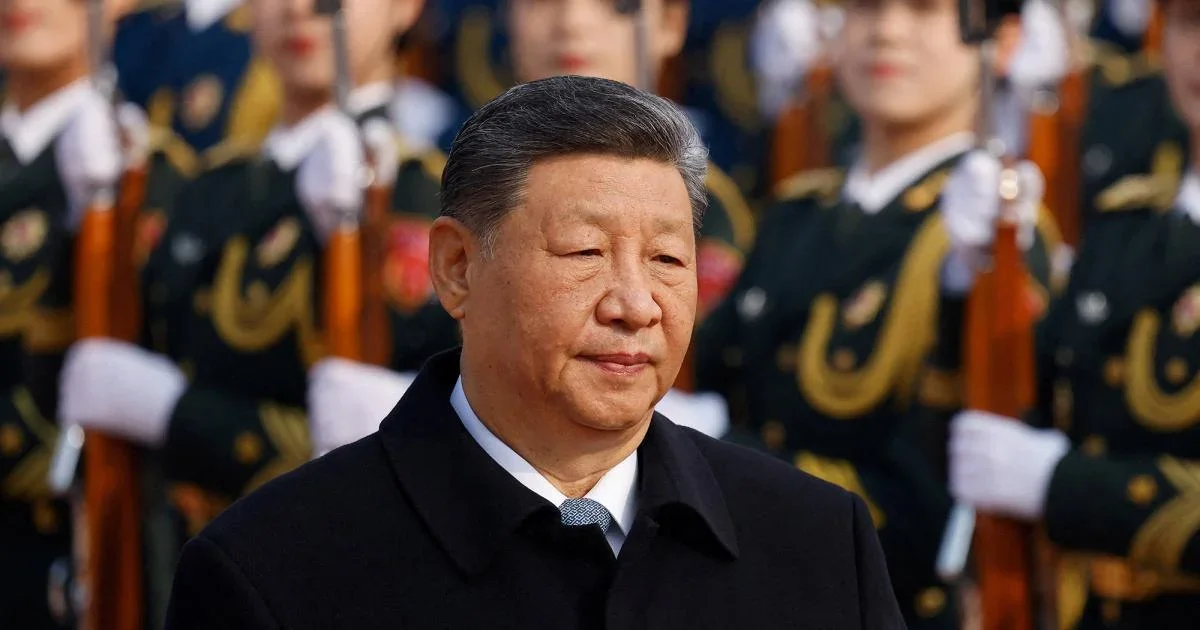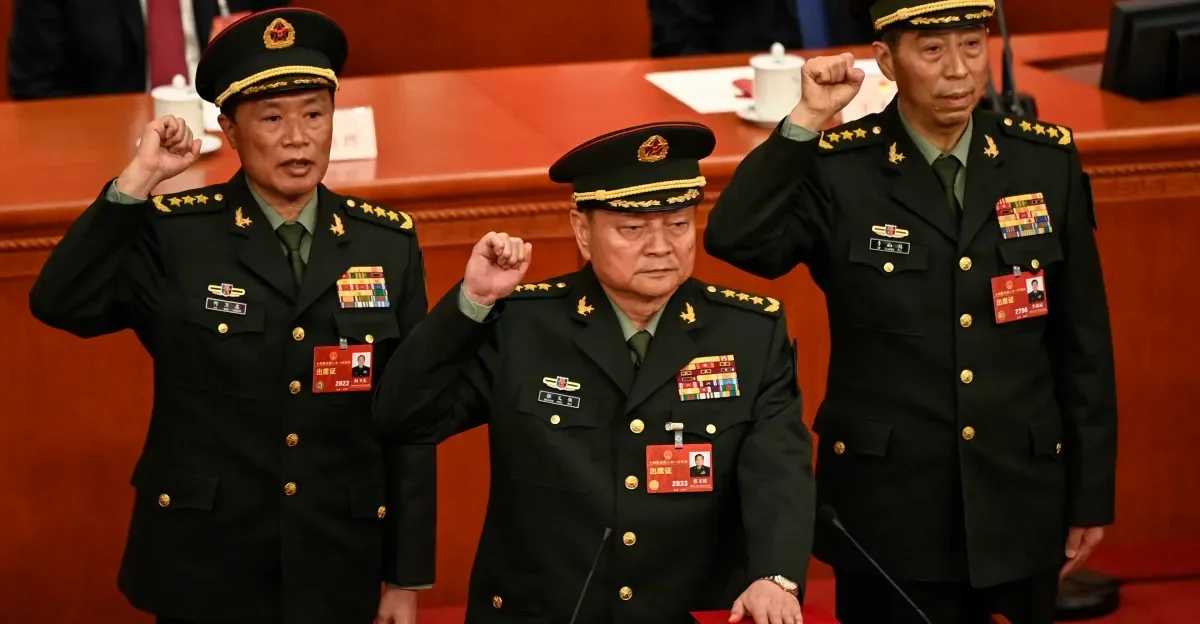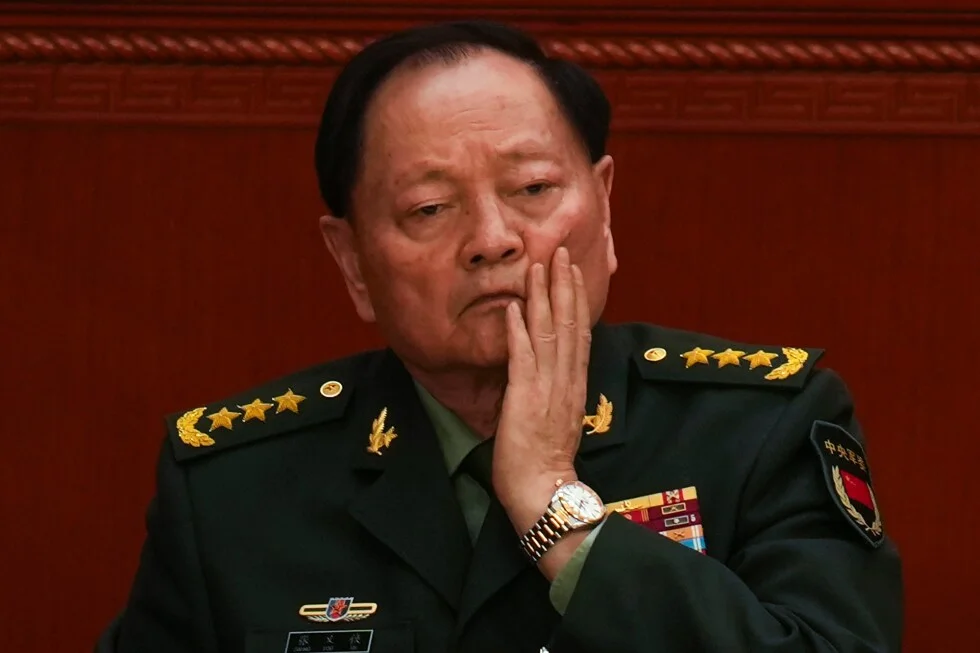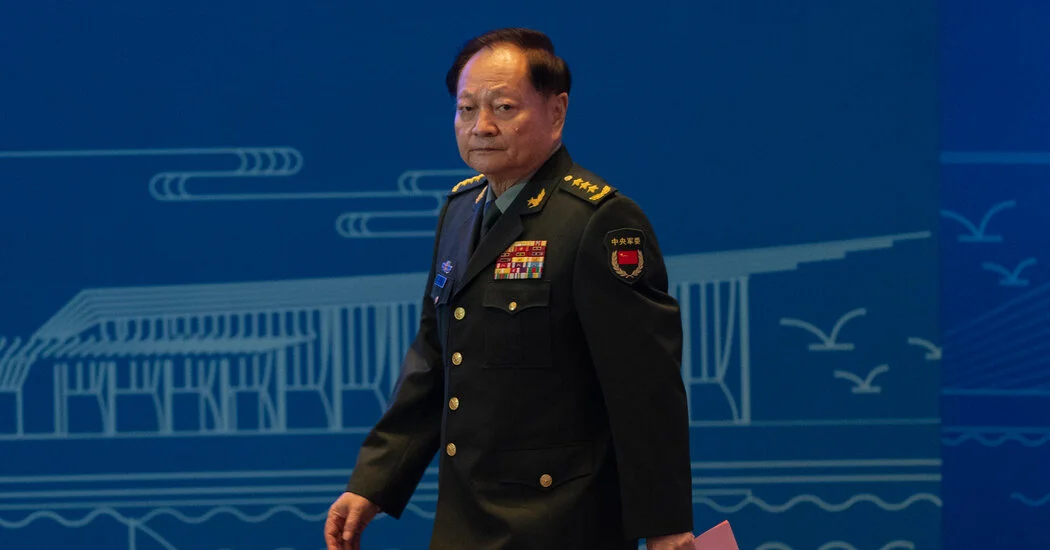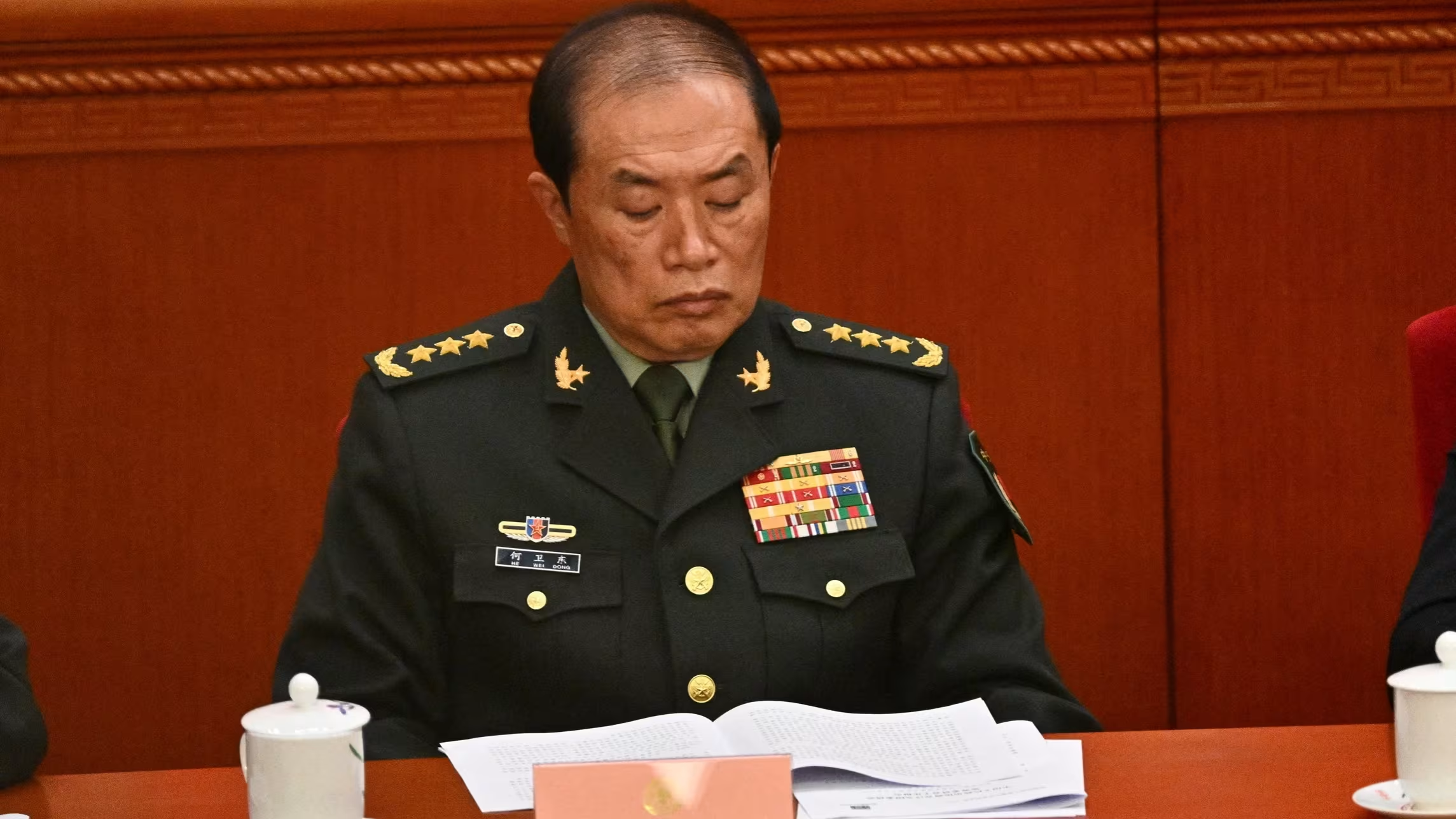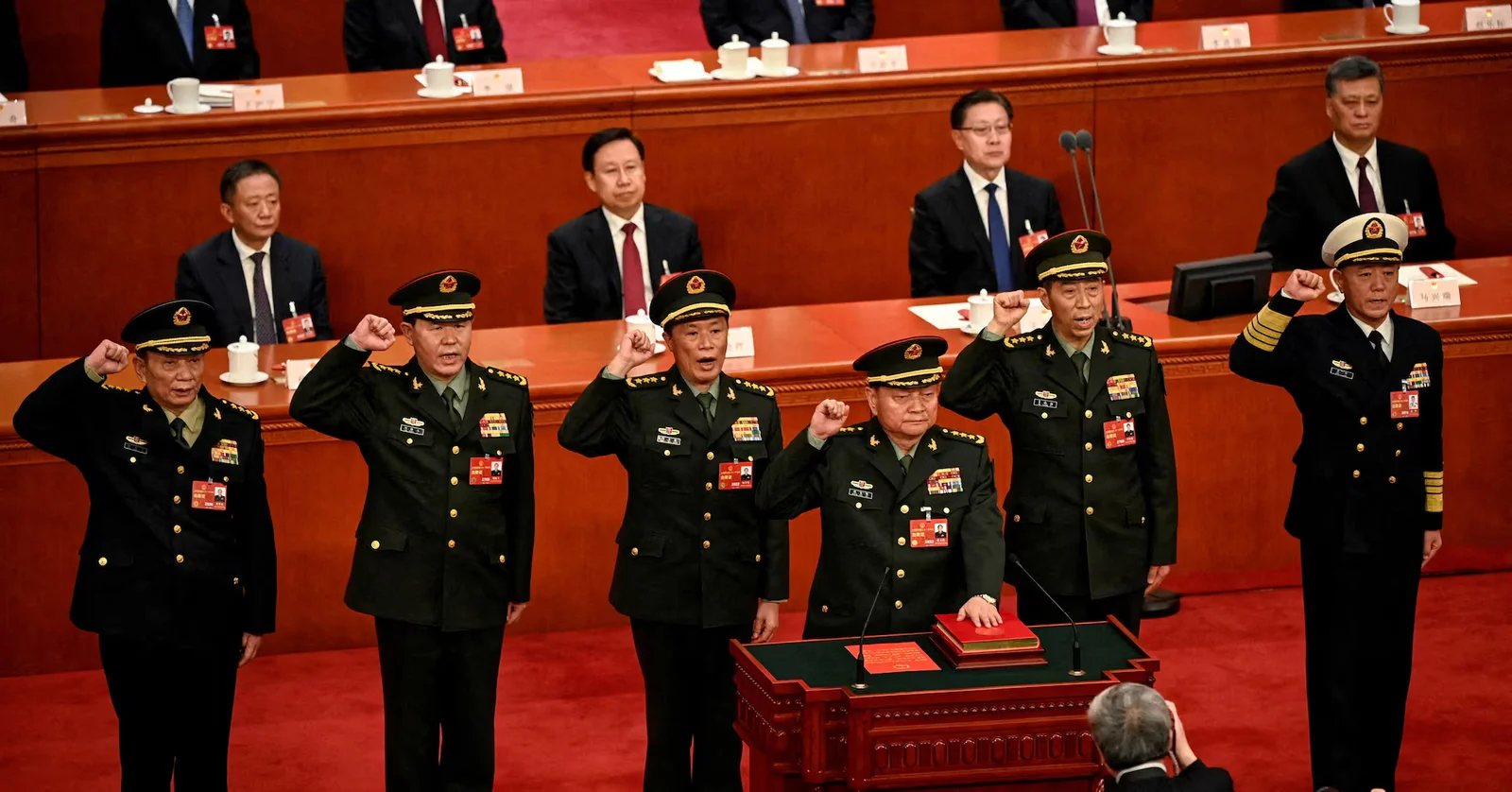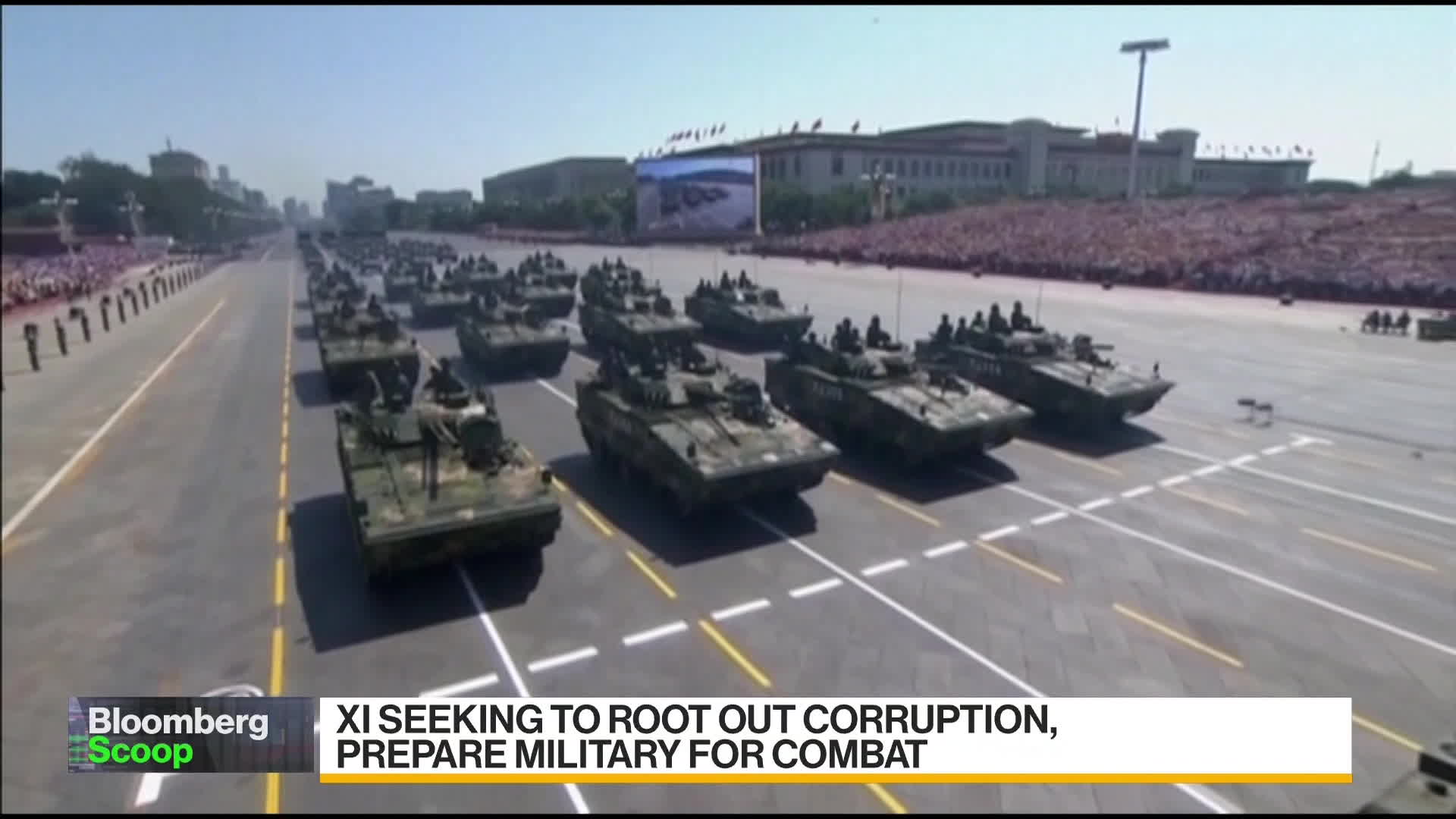
China has dismissed nine top commanders in the People's Liberation Army as part of a major military purge, signaling a significant shake-up within the country's military leadership.
The Chinese Communist Party has expelled nine top military generals, including He Weidong, amid a large-scale anti-corruption and political purge, signaling a significant crackdown on military and political elites ahead of the party's upcoming plenum.
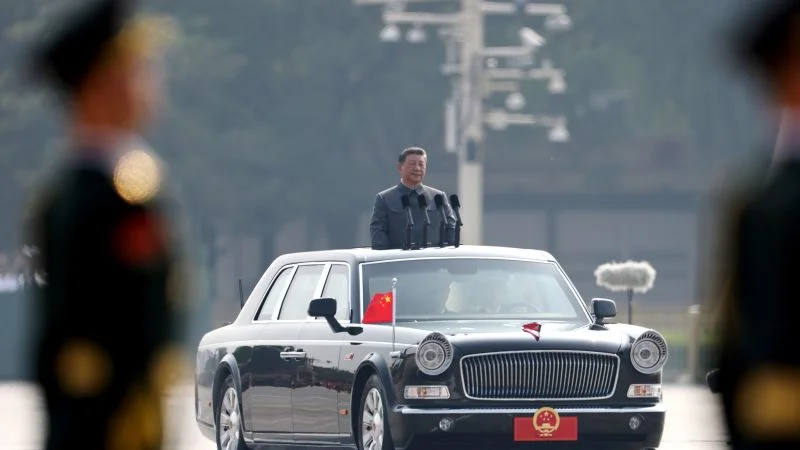
China has expelled two top military leaders, including the influential Vice Chairman of the Central Military Commission, Weidong He, and navy admiral Miao Hua, on corruption charges, marking the most senior officers purged in the ongoing anti-graft campaign. The move is seen as part of President Xi Jinping's broader effort to consolidate power and 'clean house' ahead of an important Communist Party meeting.
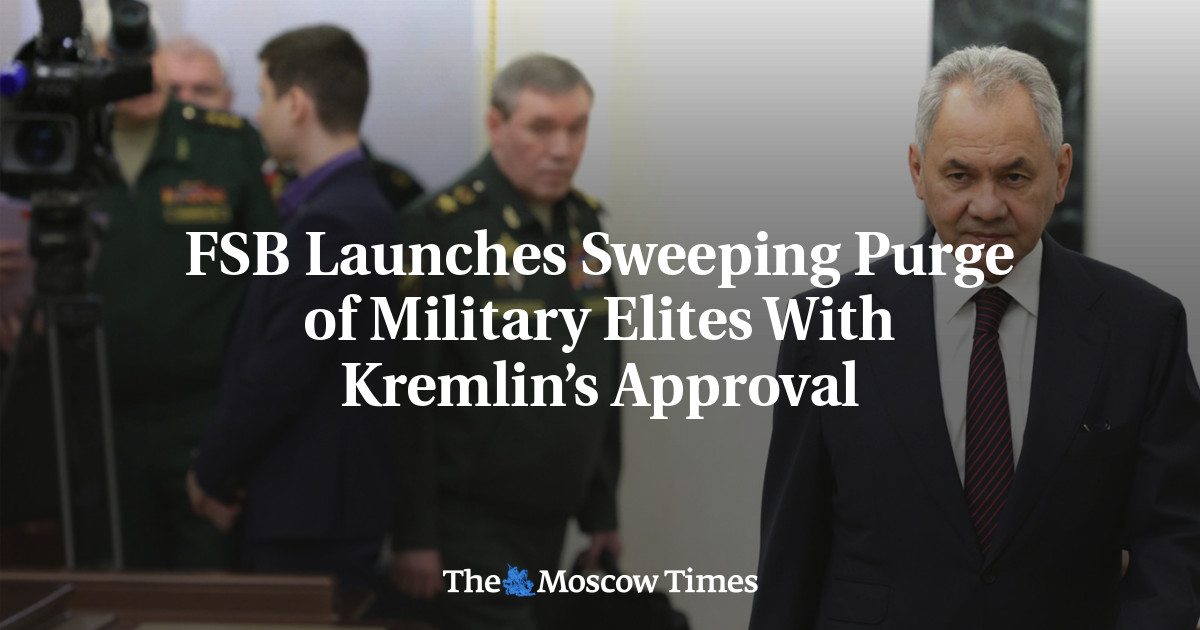
The FSB, with Kremlin approval, has begun a sweeping purge of Russian military elites, arresting top officers to root out corruption and blame them for the failed 2022 Ukraine invasion. This move, seen as a power struggle between the FSB and the Defense Ministry, risks destabilizing the military during a critical phase of the war. The campaign highlights the FSB's growing influence and control over military resources.
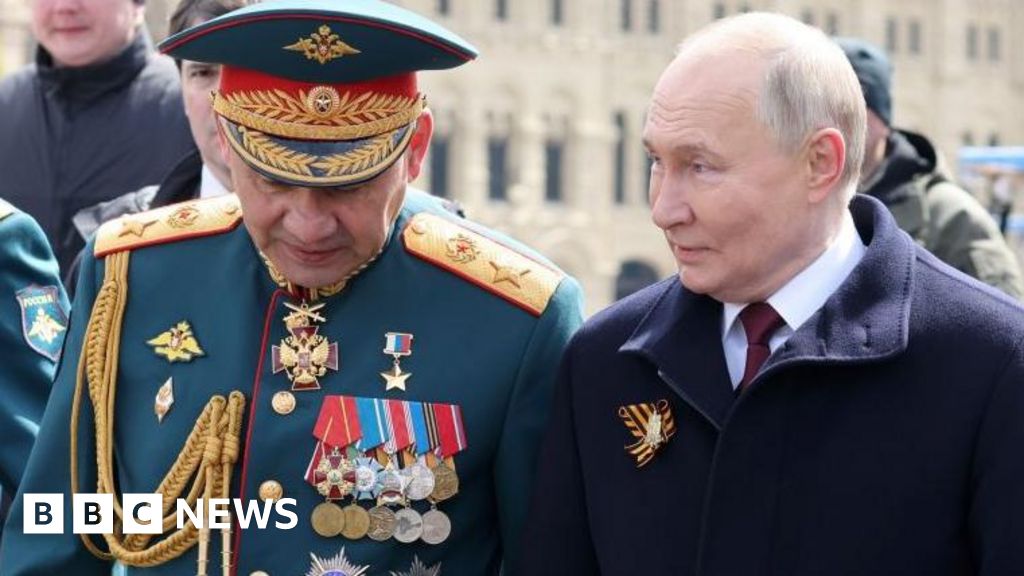
Russian President Vladimir Putin has initiated a significant purge within the military, arresting several high-ranking officials on corruption charges. This move follows the public criticism and failed mutiny led by Wagner Group's Yevgeny Prigozhin, who had accused military leaders of incompetence and corruption. The recent reshuffle, including the replacement of long-time Defence Minister Sergei Shoigu, aims to boost efficiency and tackle corruption within the Russian military.
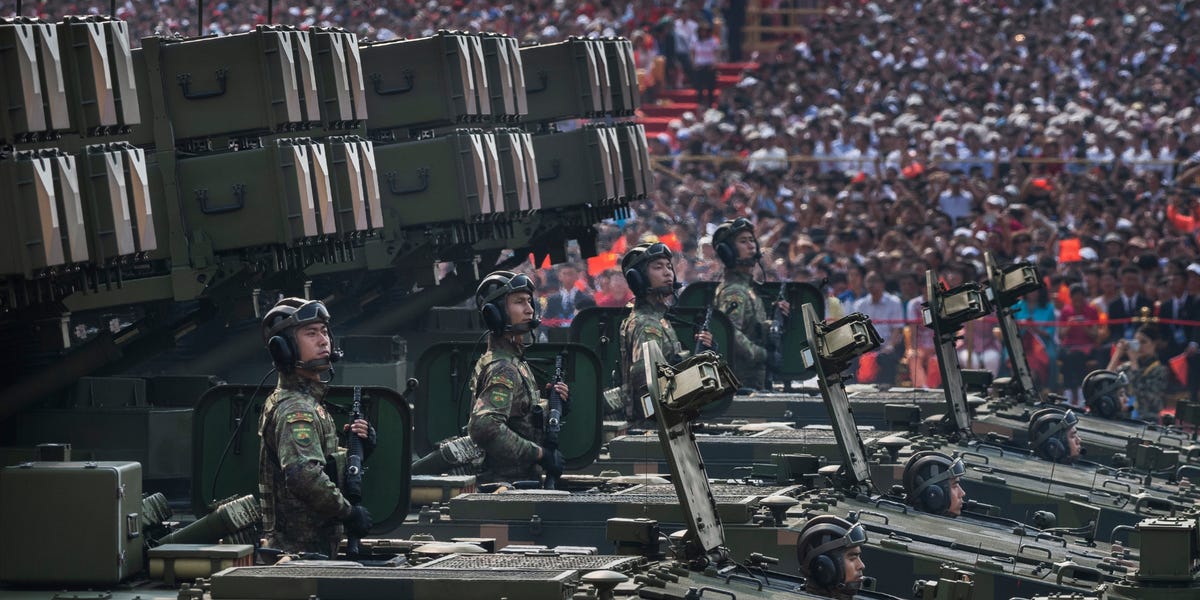
US intelligence reports reveal that China's military purge, which saw the removal of over a dozen senior commanders, was prompted by serious equipment issues, including missiles filled with water instead of fuel and improperly sealed silo lids. This corruption scandal has impacted Xi Jinping's efforts to modernize the Rocket Force, China's main nuclear arm, and may affect Beijing's military capabilities. The purge, long speculated to be linked to Xi's anti-corruption campaign, has led to a renewed emphasis on combating graft within the People's Liberation Army.
US intelligence reports that China's military purge, which saw the ousting of top officials including Defense Minister Li Shangfu, was prompted by serious equipment issues such as missiles filled with water instead of fuel and improperly sealed silos. This corruption scandal has undermined Xi Jinping's focus on modernizing the Rocket Force, China's main nuclear arm, and may impact Beijing's ability to take on major military actions. The purge has raised concerns about the PLA's capabilities and has been linked to Xi's anti-corruption campaign, with the Chinese embassy in Washington yet to comment on the matter.
US intelligence sources reveal that deep flaws in China's missile force and military preparedness, including missiles filled with water instead of fuel and others lacking necessary components, have led to a sweeping purge of at least 15 senior figures from the defense establishment. This revelation suggests a setback for Xi Jinping and China's military ambitions, particularly in relation to potential conflict with Taiwan. The US has sanctioned five defense firms for arms sales to Taiwan, reflecting the ongoing tensions between the US, China, and Taiwan.
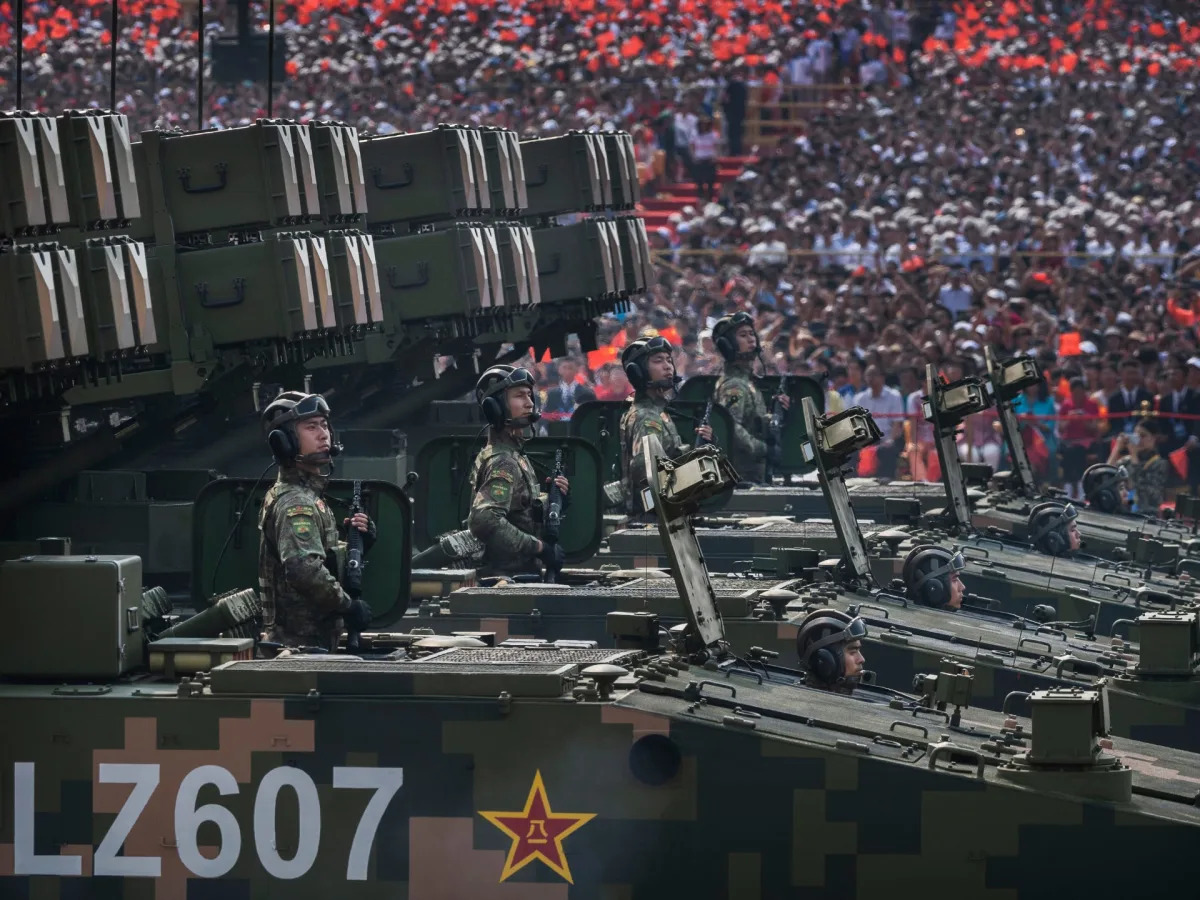
China's recent purge of nine senior military officers, including those from the strategic Rocket Force, has exposed significant corruption within the People's Liberation Army (PLA) and could weaken the military's capabilities. This crackdown is part of President Xi Jinping's broader anti-corruption campaign and raises concerns about the oversight of China's military investments. The upheaval comes at a time of growing geopolitical tensions and may deter the PLA from engaging in major conflicts in the near term. Analysts suggest that the root causes of corruption, such as low officer pay and opaque military spending, remain unaddressed, indicating that these issues may persist despite ongoing efforts to combat them.