The article discusses five Raspberry Pi projects that can replace costly subscriptions: a DIY streaming box, a home NAS for cloud storage, a self-hosted password manager, a personal music server, and a game streaming device, all of which can save money and offer customization.
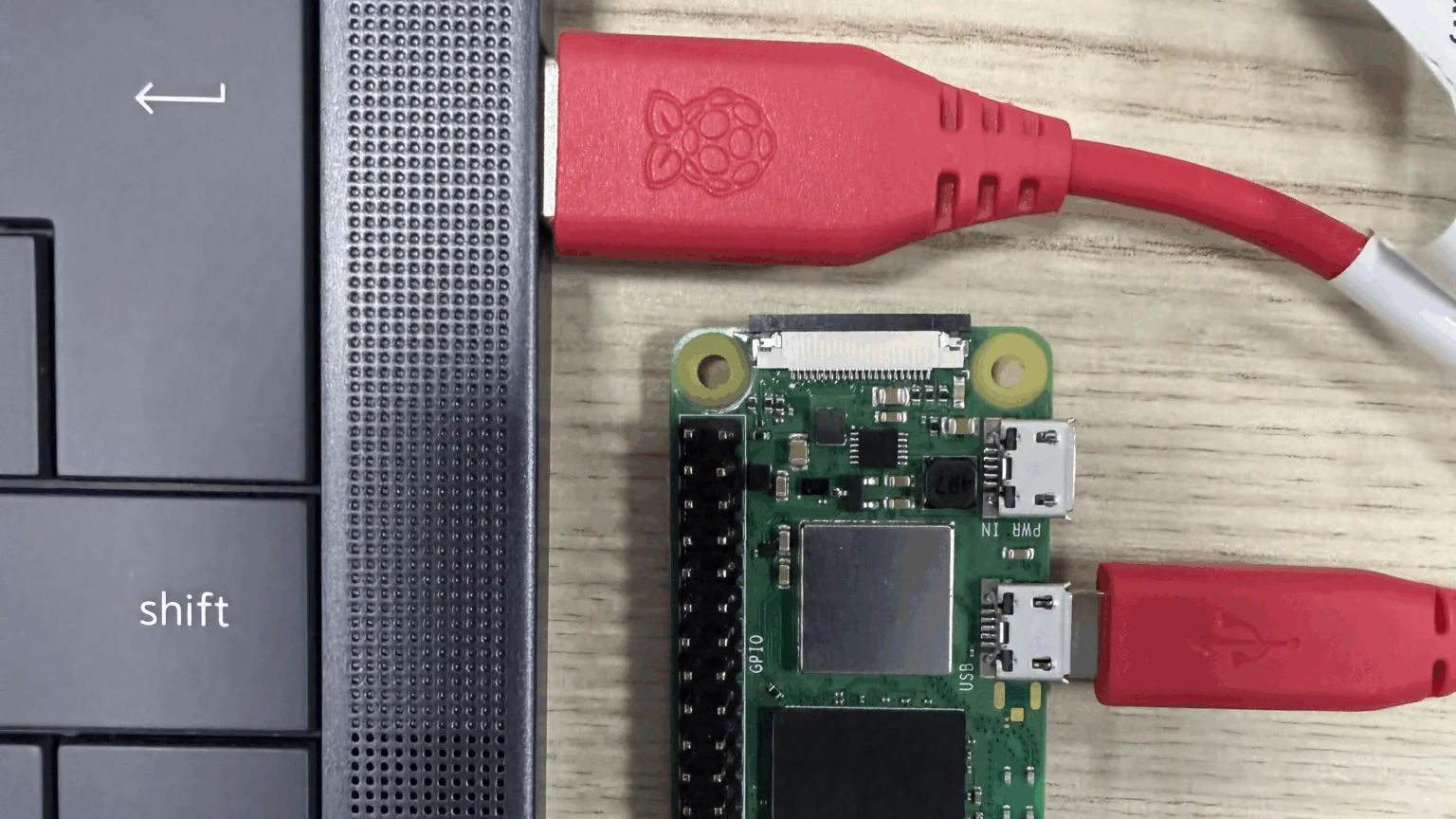
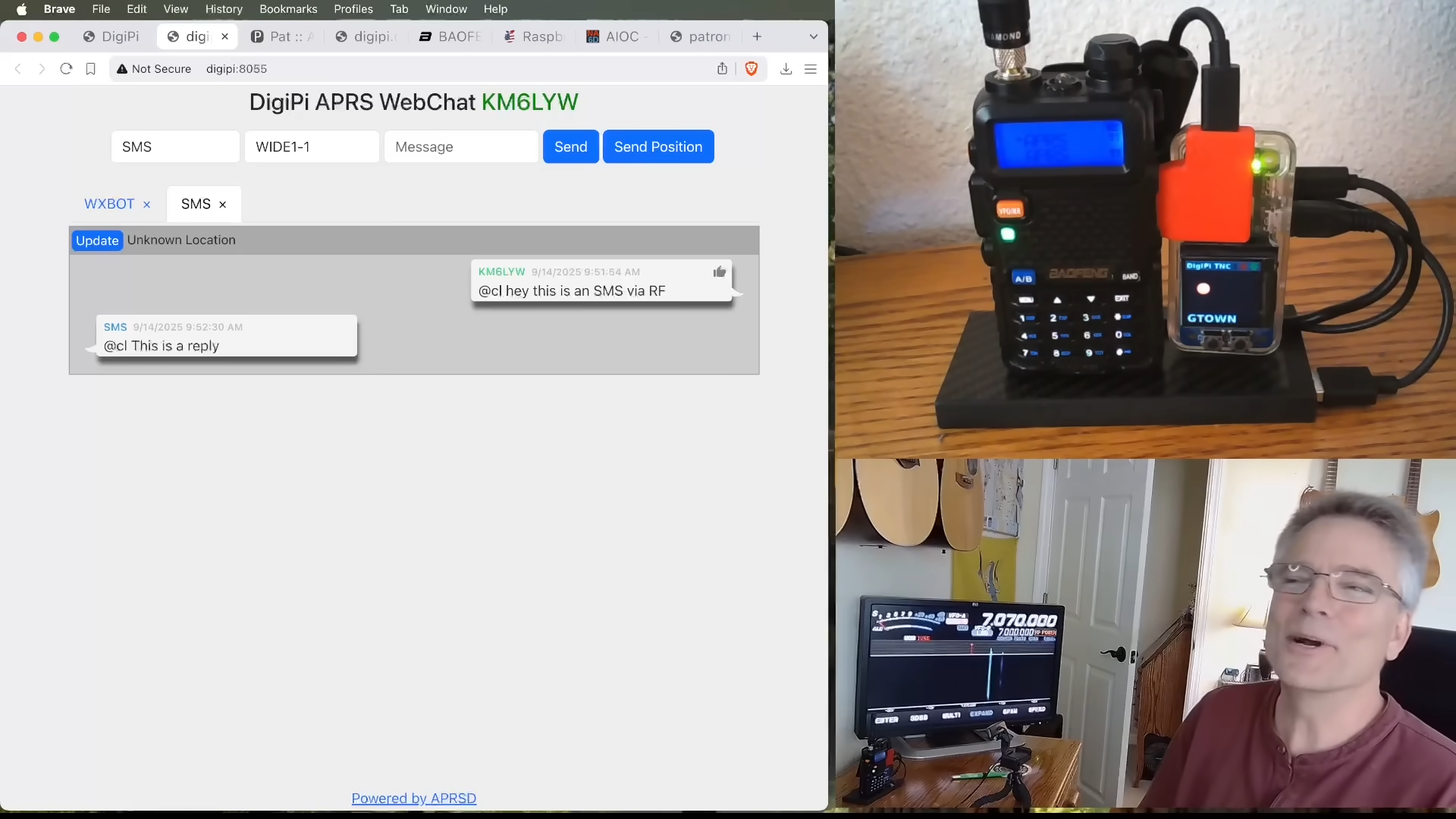
A hobbyist has built an affordable ham radio data transceiver for under $100 using a Baofeng UV-5R radio, a Raspberry Pi Zero 2W, and a few accessories, enabling digital modes like email, APRS, and web chat through a web interface.
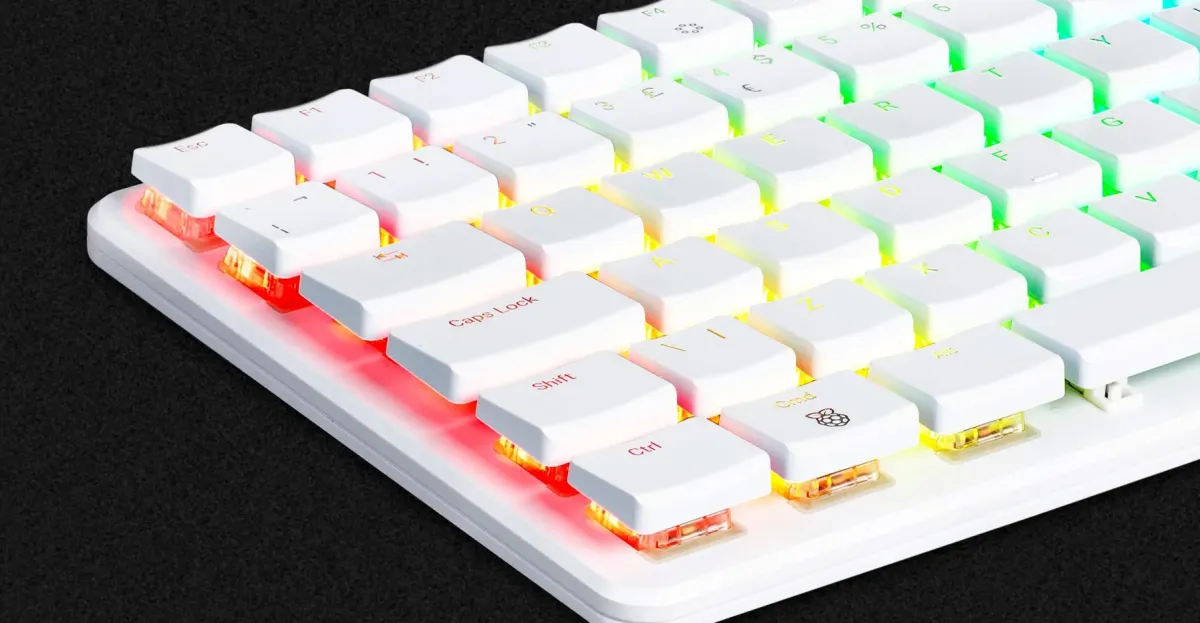
Raspberry Pi has released the Raspberry Pi 500 Plus, an upgraded keyboard computer featuring a Raspberry Pi 5, M.2 SSD slot, 16GB RAM, Gateron KS-33 Blue mechanical switches, customizable RGB lighting, and various connectivity options, available for $200.
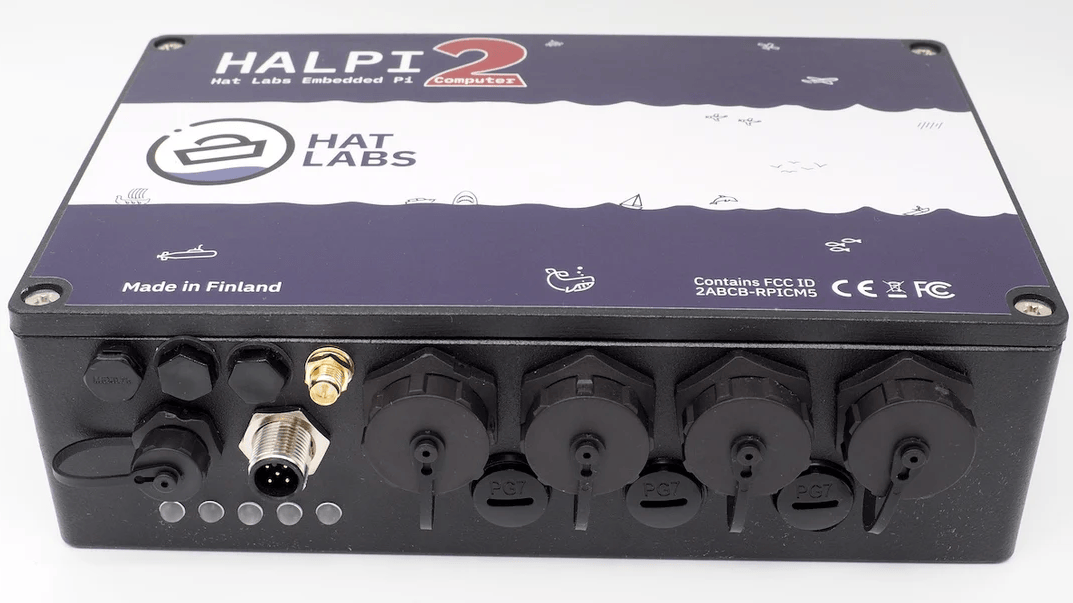
A rugged, waterproof Raspberry Pi-based computer called HALPI2 has been developed for maritime use, housed in an aluminum enclosure with extensive waterproofing and electrical protection, suitable for navigation and data logging on boats, and thoroughly documented for easy customization.
Raspberry Pi has introduced a new 5-inch, $40 touchscreen display that supports 720p resolution and is compatible with Raspberry Pi OS, making it ideal for creating custom touchscreen projects.
Raspberry Pi has announced a new 5-inch version of its Touch Display 2, offering a 720 x 1280 resolution, multi-touch support, and compatibility with Raspberry Pi OS, all for $40, providing a smaller, high-density display option.
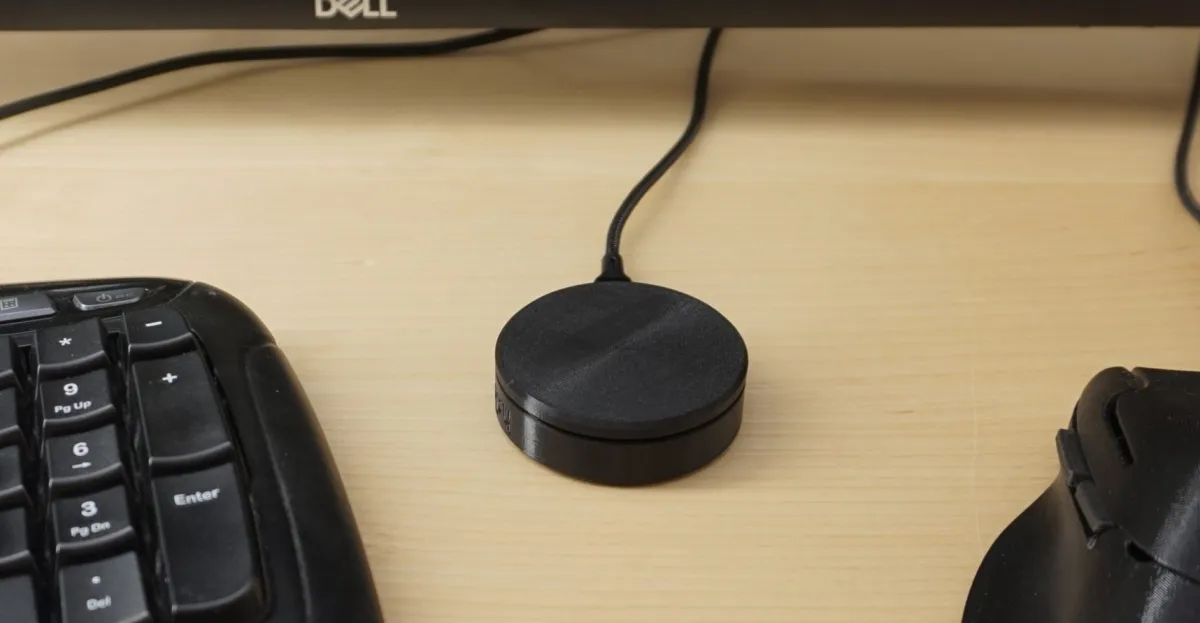
The Ploopy Knob is an open-source, customizable control dial for PCs, powered by a Raspberry Pi microcontroller, designed for functions like volume control and media scrubbing. It is available fully assembled for around $37 CAD, with design files and software open for DIY customization, though high-resolution scrolling may be limited on macOS.
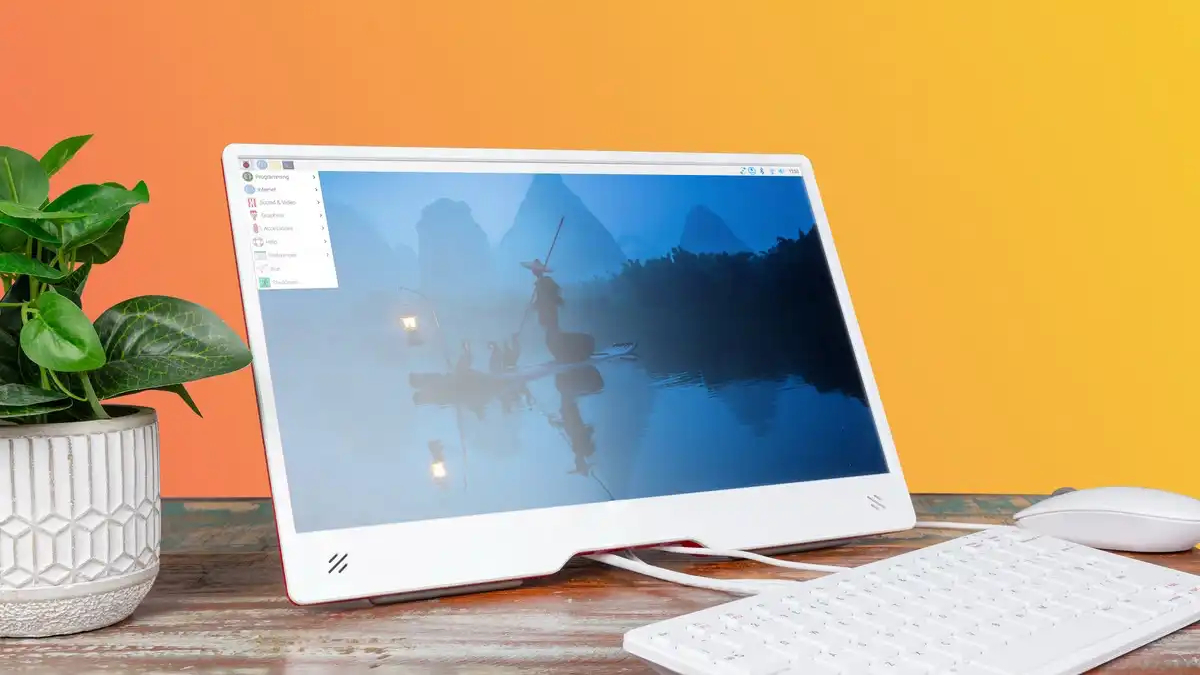
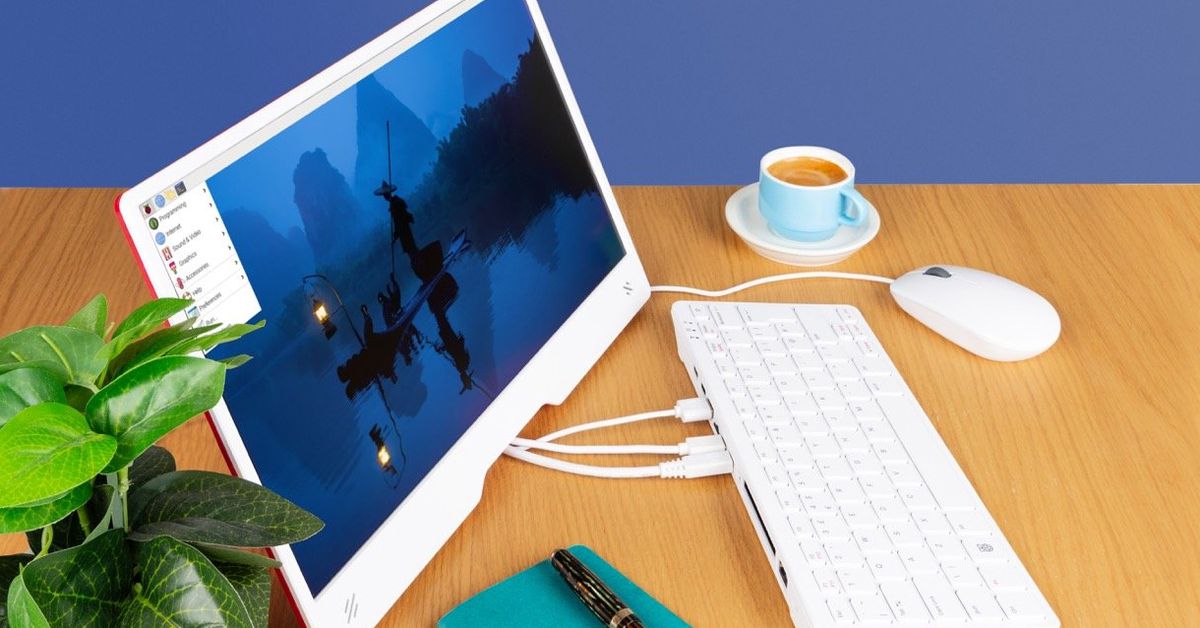
Raspberry Pi has launched its own monitor, the 'Raspberry Pi Monitor,' priced at $100, designed to complement its single-board computers. The 15.6-inch Full HD IPS LCD monitor features HDMI and USB-C connectivity, integrated speakers, and can be powered directly from a Raspberry Pi. It was released alongside the Raspberry Pi 500, an all-in-one PC with a built-in keyboard, priced at $90 for the unit or $120 for the desktop kit. Both products are available from approved resellers, offering an affordable desktop solution for Raspberry Pi enthusiasts.
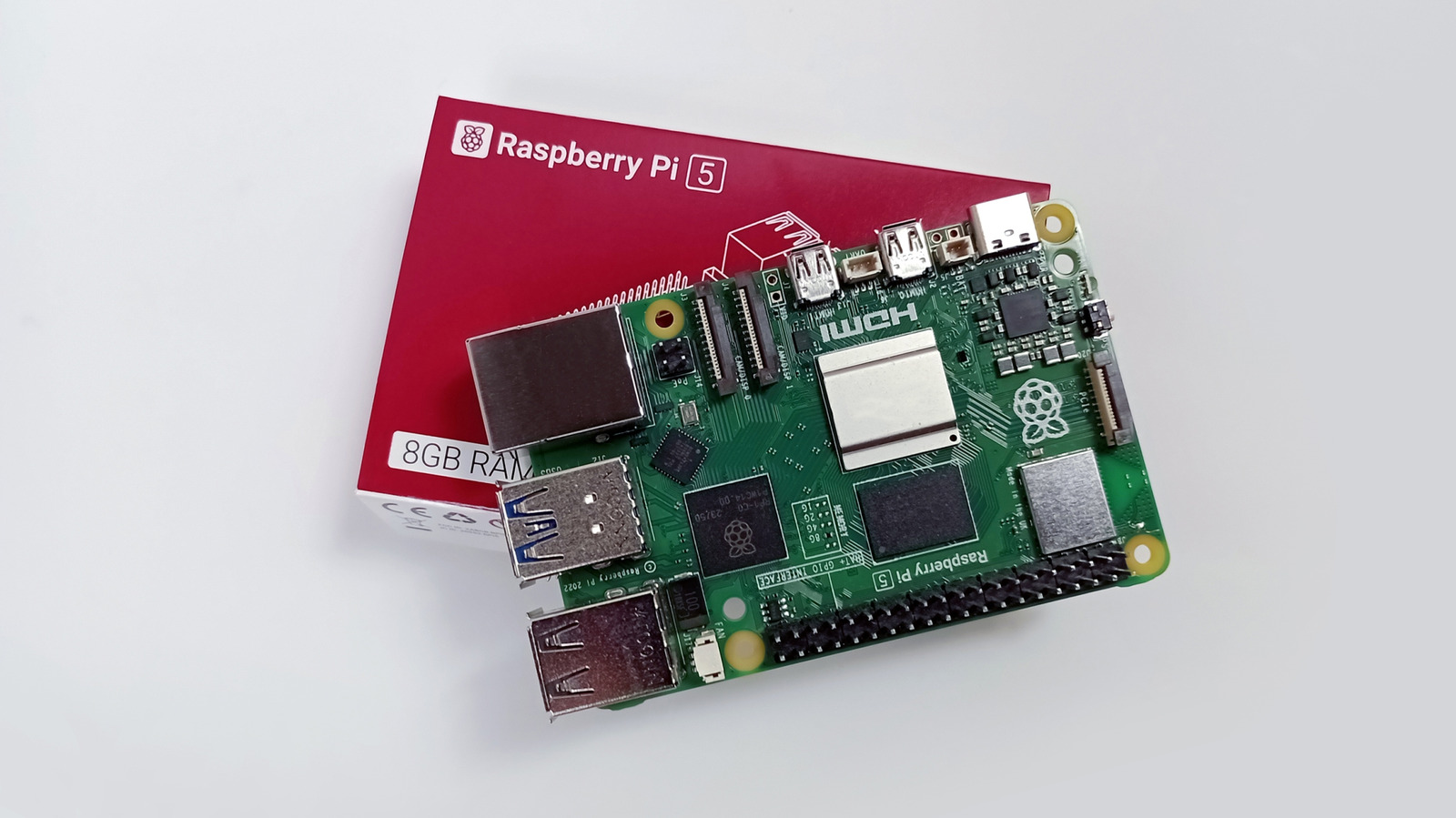
Raspberry Pi has launched the Raspberry Pi 500, an upgraded computer-in-a-keyboard featuring a 2.4GHz quad-core Arm Cortex-A76 processor and 8GB RAM, priced at $90. It can be paired with a new $100 15.6-inch full HD monitor, creating a $220 all-in-one desktop solution. The monitor can be powered by the Raspberry Pi 500, though full brightness and volume require an additional power supply. The Raspberry Pi 500 includes various ports, Wi-Fi, Bluetooth, and supports dual 4K displays. The older Raspberry Pi 400 remains available at a reduced price.
Raspberry Pi has launched the Raspberry Pi 500, a keyboard-integrated single-board computer with the same powerful specs as the Raspberry Pi 5, including a 64-bit quad-core Arm processor and 8GB of RAM. Priced at $90, it aims to be an accessible and customizable computing solution, ideal for educational purposes. The device comes with a 32GB SD card preloaded with Raspberry Pi OS and supports dual 4K displays. Additionally, Raspberry Pi introduced a 15.6-inch 1080p monitor for $100, expanding its product lineup.
Raspberry Pi has launched the Compute Module 5, a compact system-on-module variant of its single-board computers, designed for embedded applications. Priced starting at $45, it features a quad-core Arm Cortex-A76 processor, support for dual 4K displays, and options for up to 8GB RAM and 64GB storage. The module is aimed at industrial and embedded markets, which make up 72% of Raspberry Pi's sales, and can be expanded with an IO board and a metal case for desktop use.
The Raspberry Pi Compute Module 5 (CM5) has been launched, featuring a Broadcom BCM2712 quad-core Cortex-A76 SoC, up to 16GB LPDDR4 ECC memory, and optional WiFi 5 and Bluetooth 5.0. It maintains the form factor of the CM4 but offers enhanced performance, making it suitable for embedded applications. The CM5 is available in various configurations, with prices ranging from $45 to $135, and includes options for eMMC storage and wireless connectivity. An IO board and development kit are also available to support early software development.
Raspberry Pi has launched the Pico 2 W, an updated version of its microcontroller board featuring built-in Wi-Fi and Bluetooth 5.2, priced at $7. The board is powered by the RP2350 microcontroller, which supports both Arm and RISC-V architectures, and is compatible with standard Raspberry Pi Pico accessories. The Pico 2 W's Wi-Fi 4 capability makes it suitable for various IoT applications, from smart home devices to custom gadgets. It is currently available for preorder at select retailers.
A new DIY radio telescope design allows amateur astronomers to observe cosmic phenomena using accessible components like a 1-meter satellite dish and a Raspberry Pi. Detailed in a paper by Jack Phelps, this setup focuses on the 21-cm hydrogen line, crucial for studying galactic structures and dark matter. The project is affordable and opens up the possibility of observing not just hydrogen clouds, but also the sun, Jupiter, and other celestial phenomena, making radio astronomy more accessible to hobbyists.
Velo AI has developed Copilot, a Raspberry Pi-powered bike light equipped with AI and machine learning to detect cars, alert cyclists about approaching vehicles, issue warnings to drivers, and record incidents. Priced at $400, the device aims to enhance cyclist safety and is being used in a partnership with Pittsburgh to analyze data for potential road safety improvements.