Nia DaCosta's adaptation of Hedda Gabler transposes the classic play to 1950s England, blending melodrama, gender and racial themes, with Tessa Thompson as Hedda in a decadent setting, exploring complex relationships and societal issues in a stylized, intense narrative.
George Lucas defended the predominantly white casting of the original "Star Wars" trilogy and prequels at the Cannes Film Festival, arguing that the films' diverse alien characters promote equality. He acknowledged some criticism but highlighted the inclusion of Black characters like Lando Calrissian and Mace Windu. Lucas also criticized Disney's follow-up films, claiming they lost the essence of the original series.
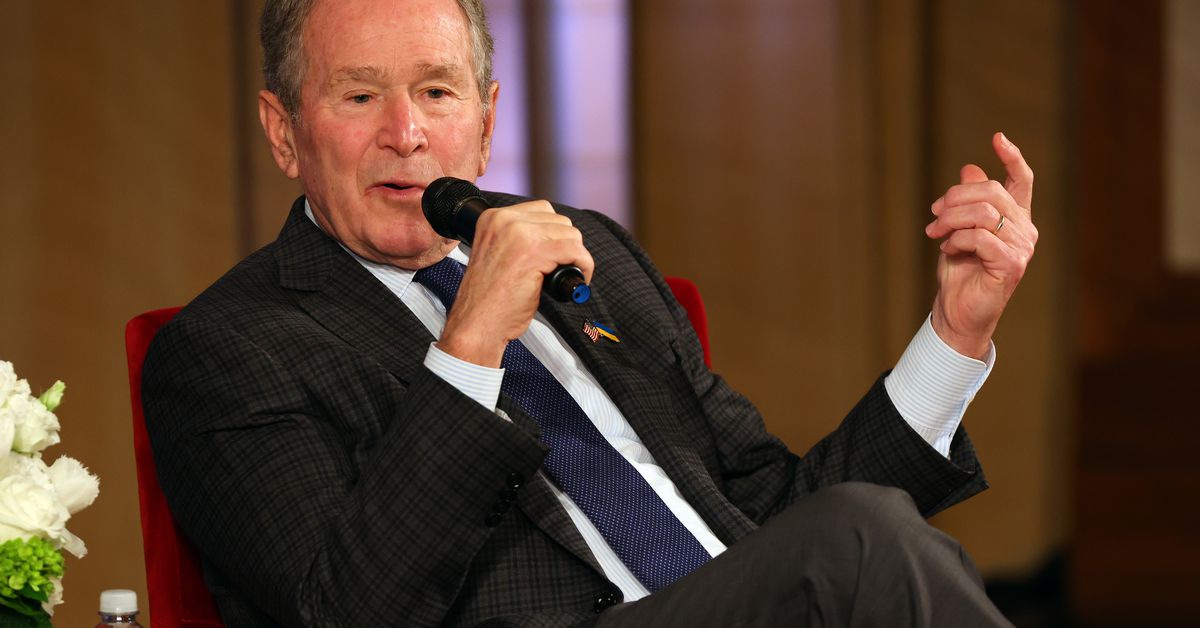
Justice Alito expressed anger over a school admissions policy similar to one championed by George W. Bush, which aimed to diversify Texas universities without considering race. The Supreme Court declined to hear a case involving a Virginia magnet school's admissions process, which was designed to increase racial diversity without explicitly considering race. The decision suggests that the Court may still tolerate some attempts to diversify schools using methods previously approved by Republicans, but it does not guarantee the future of such programs. If the Court were to rule against these programs, it could have significant implications for diversity on campuses and would reflect the Republican Party's shift on race issues.
Beyoncé's foray into country music challenges the industry's historical narrative of whiteness and exclusion, highlighting the genre's Black, Mexican, and Indigenous roots. Her upcoming country album has already boosted visibility for Black artists in the genre, signaling a shift in the industry's landscape. By embracing her own cultural heritage and amplifying underrepresented voices, Beyoncé's presence in country music marks a significant step towards dismantling institutional barriers and acknowledging the genre's diverse origins.
Clinical trials for Alzheimer's treatments, such as the drugs lecanemab and donanemab, are lacking racial diversity, with black and Hispanic people being significantly underrepresented. This raises concerns about the effectiveness and safety of these drugs for people of color. The low participation of diverse populations in trials hinders the understanding of the causes of Alzheimer's and other forms of dementia. Efforts are being made to increase diversity in trials, including wider recruitment strategies and the use of blood-based tests to screen potential participants. The lack of diversity in clinical trials is not only an equity problem but also a scientific one, as it may hinder the development of effective treatments and the understanding of the disease across populations.
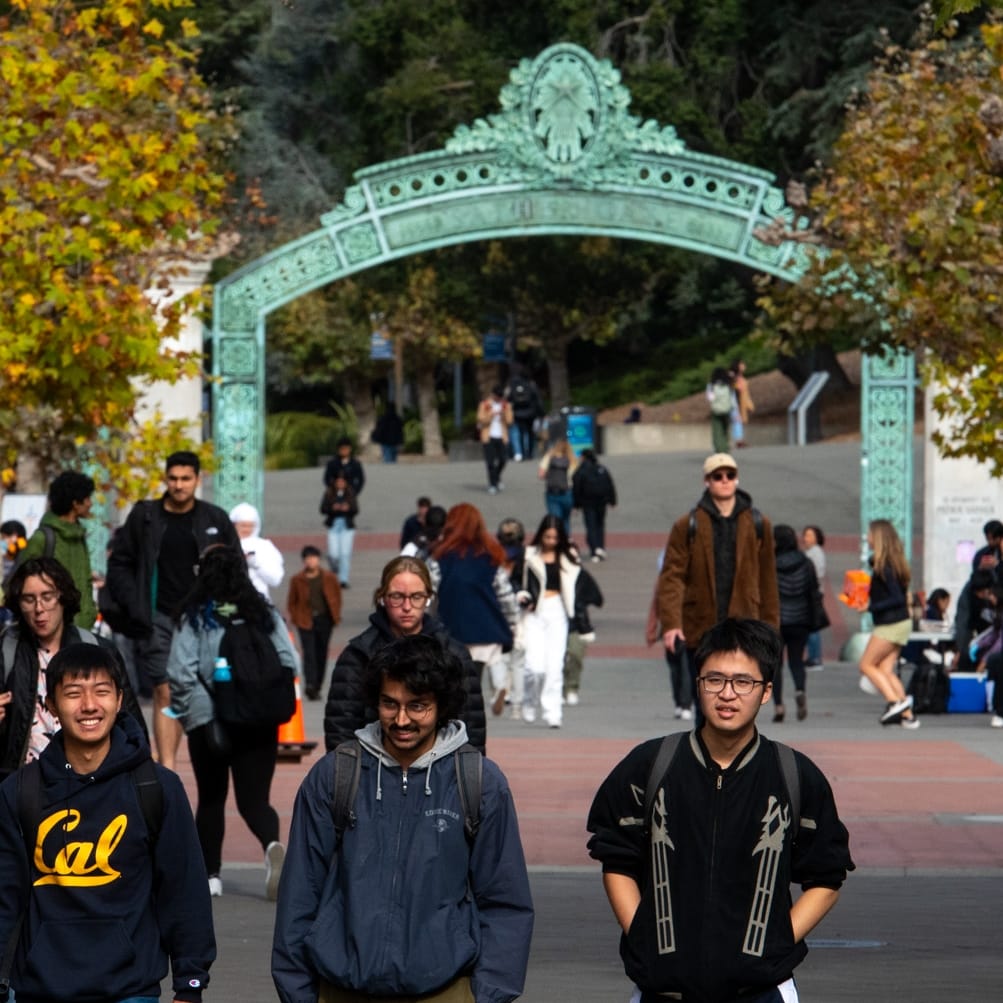
Following the Supreme Court's rejection of race-based affirmative action, colleges are grappling with how to maintain racial diversity in their admissions processes. While direct consideration of race is no longer an option, colleges can pursue diversity through various means, such as actively seeking diverse applicants from overlooked high schools and regions, reviewing essays and recommendations for relevant information, making standardized tests optional, eliminating legacy preferences and reducing slots for recruited athletes. However, these approaches are challenging and not guaranteed to achieve racial diversity. Colleges are concerned that the elimination of race-conscious admissions may lead to significant drops in Black, Latino, and Native American enrollment, and are exploring alternative strategies to continue promoting diversity.