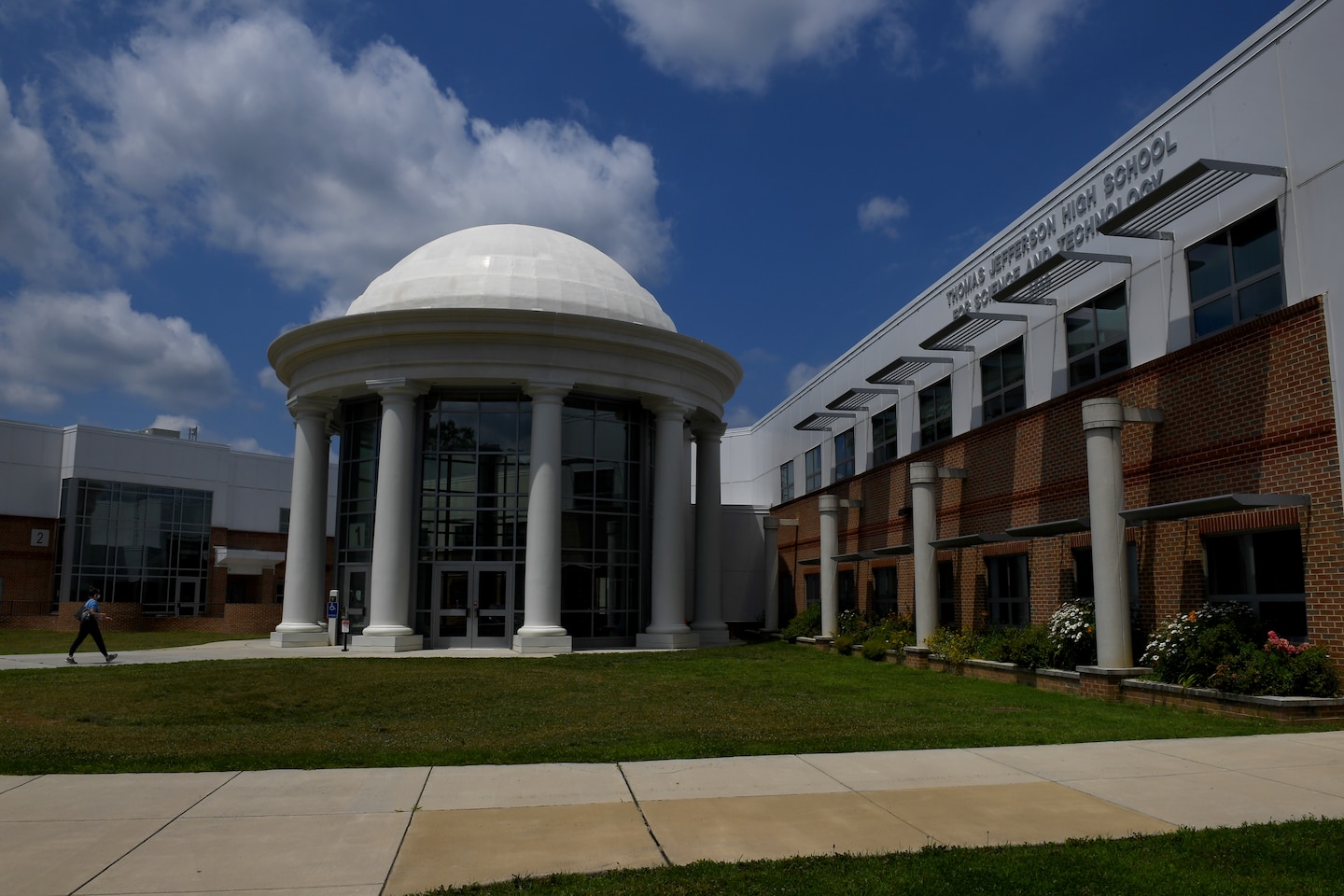
The Supreme Court declined to review a challenge to the admissions system at Virginia's Thomas Jefferson High School for Science and Technology, signaling a reluctance to quickly revisit the issue of race in student selection. The legal battle involved a group of parents and the Fairfax County School Board over an admissions policy designed to boost diversity, which was initially challenged for allegedly discriminating against Asian American students. The revised process used "race-neutral" factors and saw boosts in Black and Latino enrollment, but also a drop in Asian American enrollment. The decision not to review the case has sparked criticism and support from various parties, and may have implications for similar challenges to admissions policies at other schools.
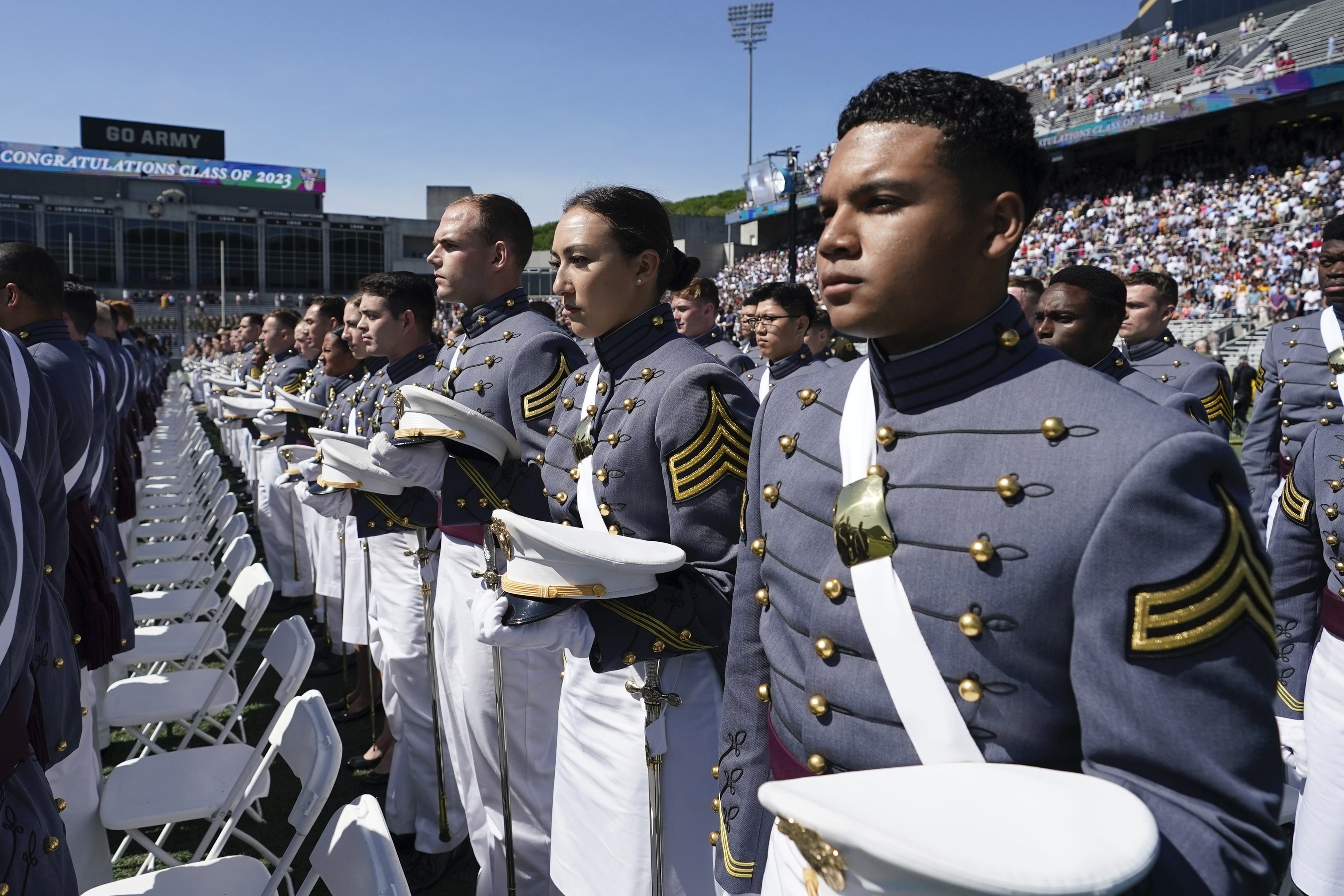
The Supreme Court declined to immediately halt West Point's race-conscious admissions policy, rejecting a request from Students for Fair Admissions to change the program, which considers race among other factors in selecting future Army officers. The court's conservative majority had previously struck down similar programs at other universities, but left open the question of race in military service academies. The Biden administration argued that a diverse officer corps is crucial for national security and urged the court to defer to the military's judgments, while the group challenging the policy claimed it was unconstitutional and unnecessary.
The Supreme Court rejected an emergency petition to halt West Point's race-conscious admissions policies, allowing the military academy to continue considering race in admissions while a lawsuit over its policies proceeds. The court's decision aligns with lower court concerns that the case against West Point has yet to establish a factual record proving that the consideration of race in admissions is not narrowly tailored to further compelling governmental interests.
The Supreme Court declined to temporarily block the use of race in admissions at the U.S. Military Academy at West Point, allowing the school to continue considering race as a factor in selecting the upcoming class. The decision came in response to a request from Students for Fair Admissions, a conservative group challenging affirmative action, as a lawsuit proceeds. The court's order emphasized that it should not be seen as expressing a view on the merits of the constitutional question and signaled that the issue could be considered in the future.
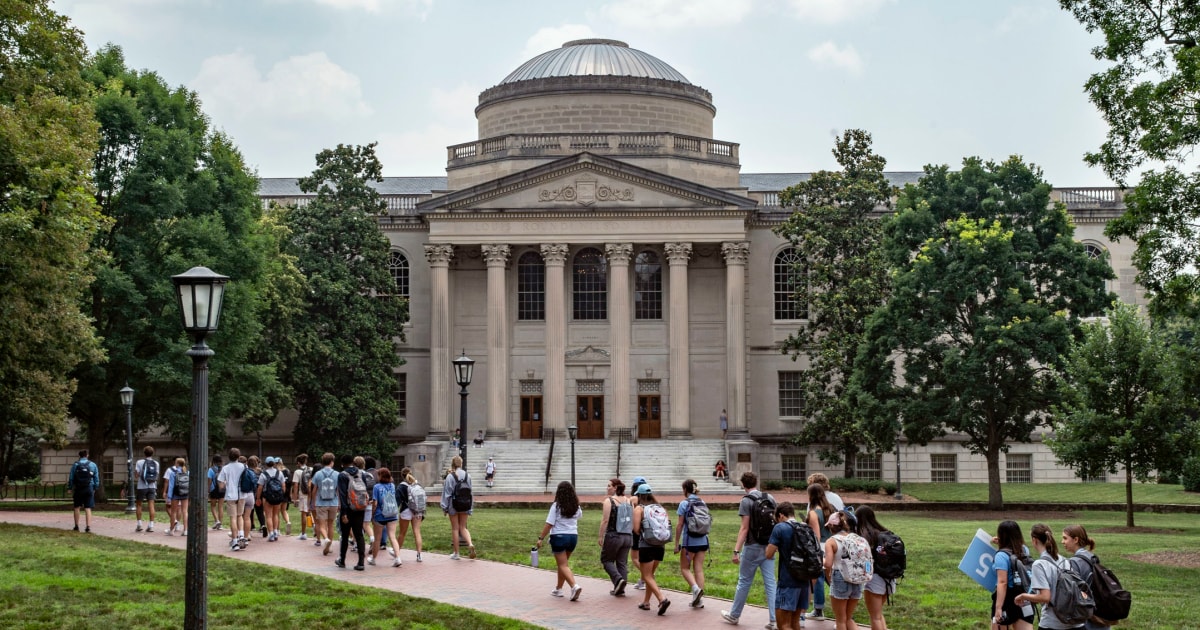
The University of North Carolina at Chapel Hill has officially prohibited the use of "race, sex, color or ethnicity" in admissions and hiring decisions, following the U.S. Supreme Court's ruling against their race-conscious admissions plan. The resolution, approved by the Board of Trustees, aims to comply with the court's decision and prevent preferential treatment based on race. The university is now exploring new methods to achieve diversity on campus, and recently announced a program offering free tuition to students from families earning less than $80,000 annually.