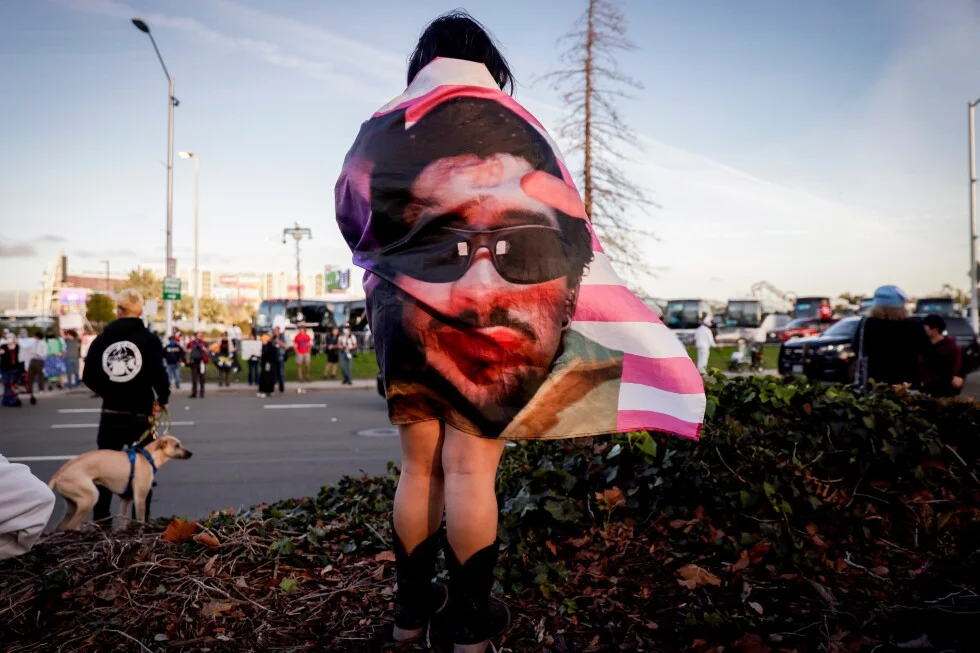
Bad Bunny’s Super Bowl halftime performance celebrated an inclusive American story, blending Puerto Rican and Latinx identity with a message of unity, and prompting broader discussion about who gets to be American.
A JAMA Network Open study links decades of stress from discrimination and economic hardship to higher inflammation, helping explain roughly half of the Black-White mortality gap and supporting the weathering hypothesis that systemic racism accelerates health deterioration.
President Trump signed a memorandum requiring colleges to report detailed admissions data, including applicant race and academic achievements, aiming to scrutinize potential race-based preferences following the Supreme Court's ban on affirmative action. The move seeks to promote meritocracy but faces criticism over its complexity and potential impact on diversity.
A study highlights that self-reported race and ethnicity in the U.S. often do not align with genetic ancestry, emphasizing the complexity of human genetic diversity and the limitations of race as a proxy for genetics. The discussion underscores that while race is a social construct, genetic differences within and between populations are significant, especially in Africa, which harbors the greatest human genetic diversity. The conversation advocates for moving beyond simplistic racial categories in medical research to better understand individual health and ancestry.
A new report from the Institute of Health Metrics and Evaluation highlights a growing life expectancy gap in the U.S., with disparities based on race, ethnicity, geography, and income. The study identifies 10 distinct 'Americas' with varying life spans, ranging from 84 years for Asians to 63.6 years for American Indian/Alaska Native populations. The COVID-19 pandemic exacerbated these disparities, particularly affecting American Indian/Alaska Native, Latino/Hispanic, and Black communities. The report calls for systemic changes, including universal healthcare and addressing socioeconomic factors, to improve health equity.
The U.S. Office of Management and Budget has updated how it classifies people by race and ethnicity for the first time in over 25 years, combining questions on federal forms and adding a "Middle Eastern or North African" category. The changes aim to better capture the country's diversity and provide policymakers with a more comprehensive view of the population. The revised standards, effective immediately, are expected to impact federal data collection forms, including census surveys, and guide analyses of various issues such as healthcare outcomes and redistricting.
The US government is updating its race and ethnicity categories for the first time in 27 years to better reflect the country's diverse population, including adding a Middle Eastern and North African category and allowing respondents to select multiple options. The changes aim to provide more accurate data for legislative redistricting, civil rights laws, and health statistics, but some concerns have been raised about potential reduction of representation for certain groups and omissions in the new categories.
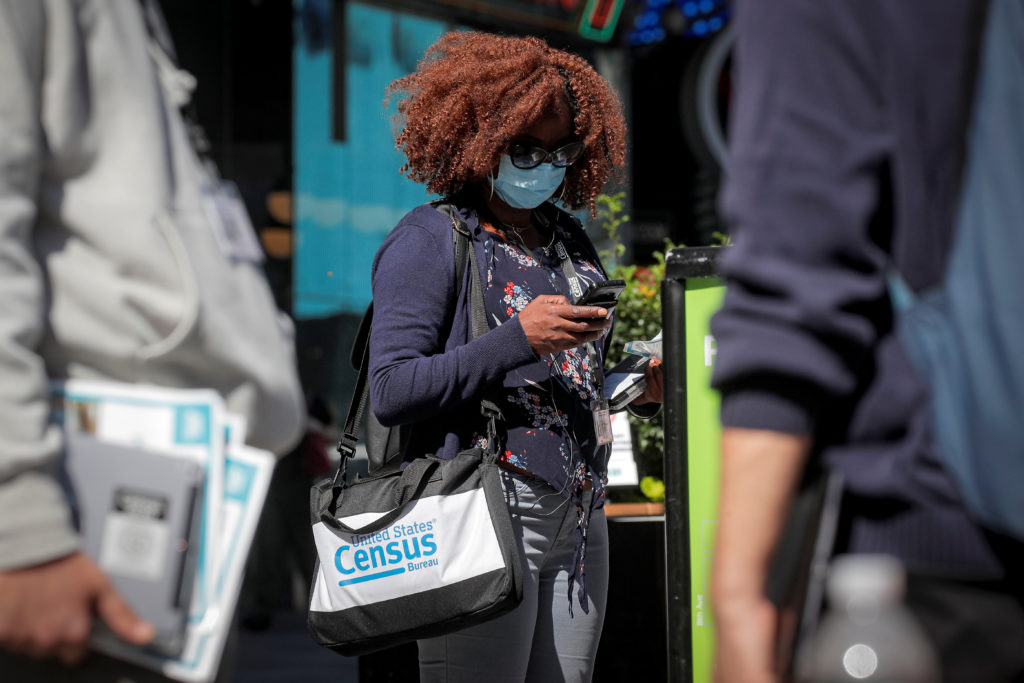
The 2030 US Census will introduce new checkboxes for Hispanic and Middle Eastern or North African individuals, marking the first change in race and ethnicity categories in 27 years. This comes after years of criticism for leaving out major racial and ethnic groups. The revisions aim to create more accurate federal data on race and ethnicity, combining separate questions into one and adding a new category for Middle Eastern and North African people. All federal demographic collection will reflect the new standards within five years, and a new task force will regularly review data collection for future changes.
The U.S. Census is updating its race and ethnicity categories for the first time in 27 years, aiming to more accurately count residents who identify as Hispanic and of Middle Eastern and North African heritage. The revisions will combine race and ethnicity questions into a single question, allowing respondents to select multiple categories. A new Middle Eastern and North African category will be added, and pejorative terms will be removed. The changes reflect the nation's evolving demographics and aim to provide more inclusive and accurate data.
The Biden administration has adopted new race and ethnicity standards, combining Hispanic or Latino into one category and adding a separate checkbox for people of Middle Eastern or North African descent. The changes aim to better capture the expanding multicultural identity of the country and allow individuals to check as many categories as apply to their identity. The revisions, effective immediately, will impact federal data collection, census, and other agencies, with subcategories provided for each race/ethnicity. While praised for being a critical step, concerns have been raised about the prescriptive nature of the new standards and their potential impact on visibility for certain groups.
The Biden administration has approved changes to the U.S. census and federal surveys, including adding a checkbox for "Middle Eastern or North African" and reformulating the question about race and ethnicity to include a "Hispanic or Latino" box. These changes, set to be implemented by 2030, aim to better reflect people's identities and could impact data used for redrawing voting districts, enforcing civil rights protections, and guiding policymaking. The revisions also include new definitions for racial and ethnic categories, but some unresolved questions and tensions remain, particularly regarding the "Middle Eastern or North African" category and the combination of race and ethnicity questions.
The US government is revising its race and ethnicity categories for the first time in 27 years, allowing respondents to select multiple categories and adding a Middle Eastern and North African category. The changes aim to more accurately count residents who identify as Hispanic and of Middle Eastern and North African heritage. The revisions also remove pejorative terms and encourage detailed data collection. While some see the changes as meaningful representation, others, such as Afro Latinos, express concerns about potential reduction in their numbers and representation in the data.