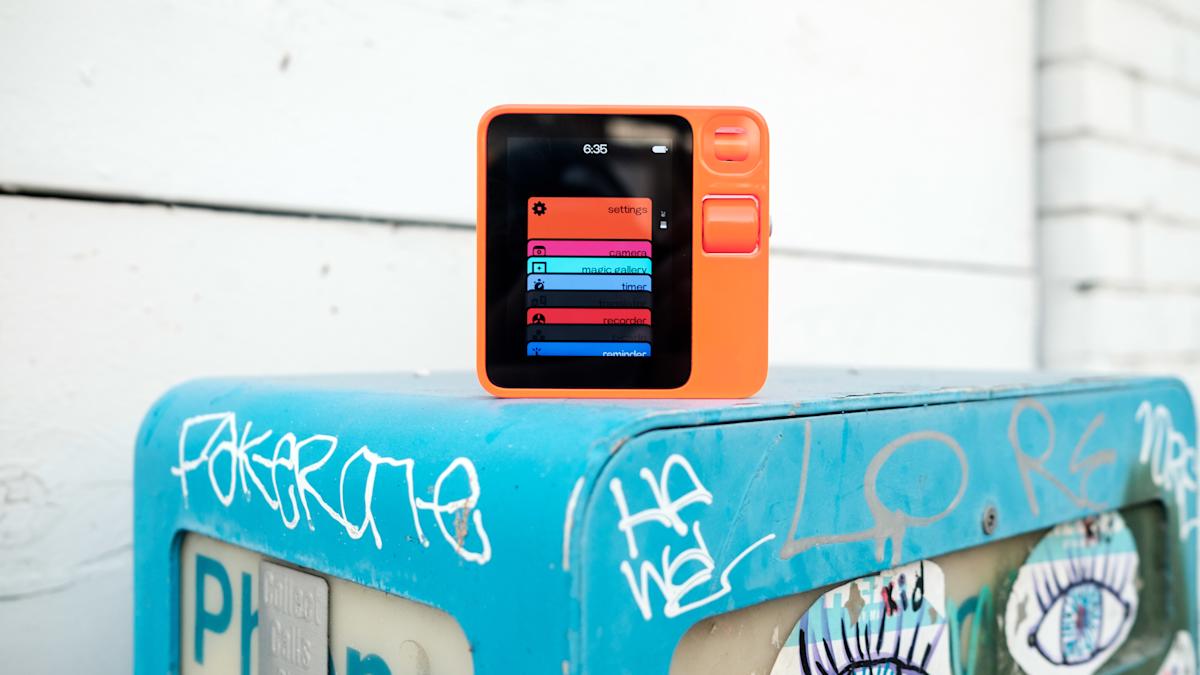
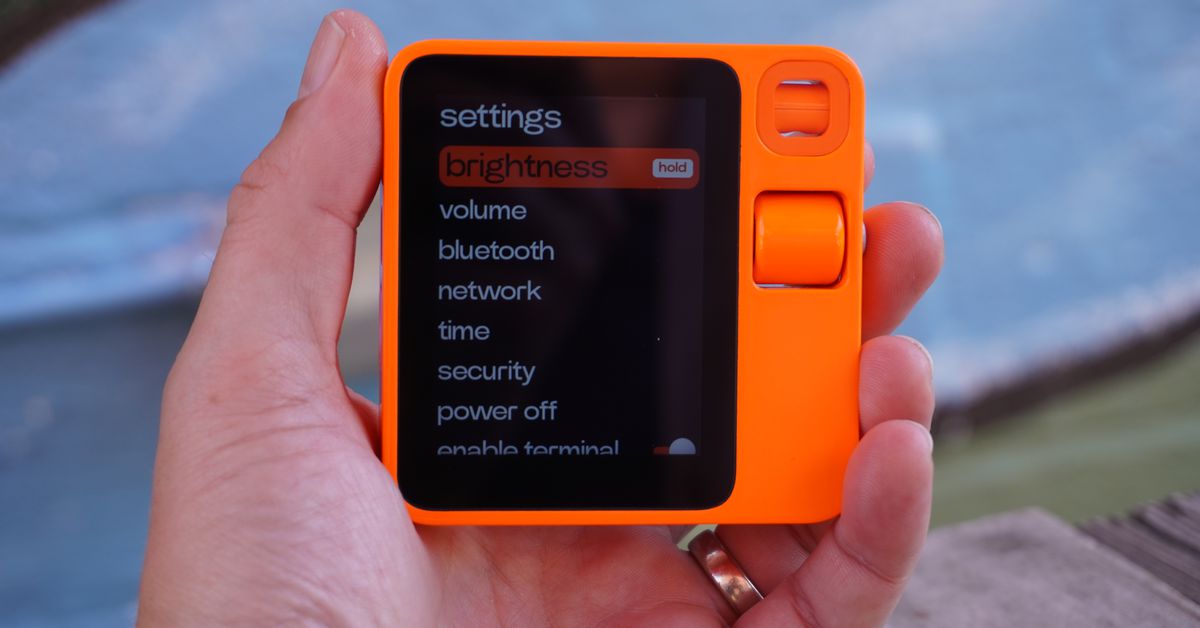
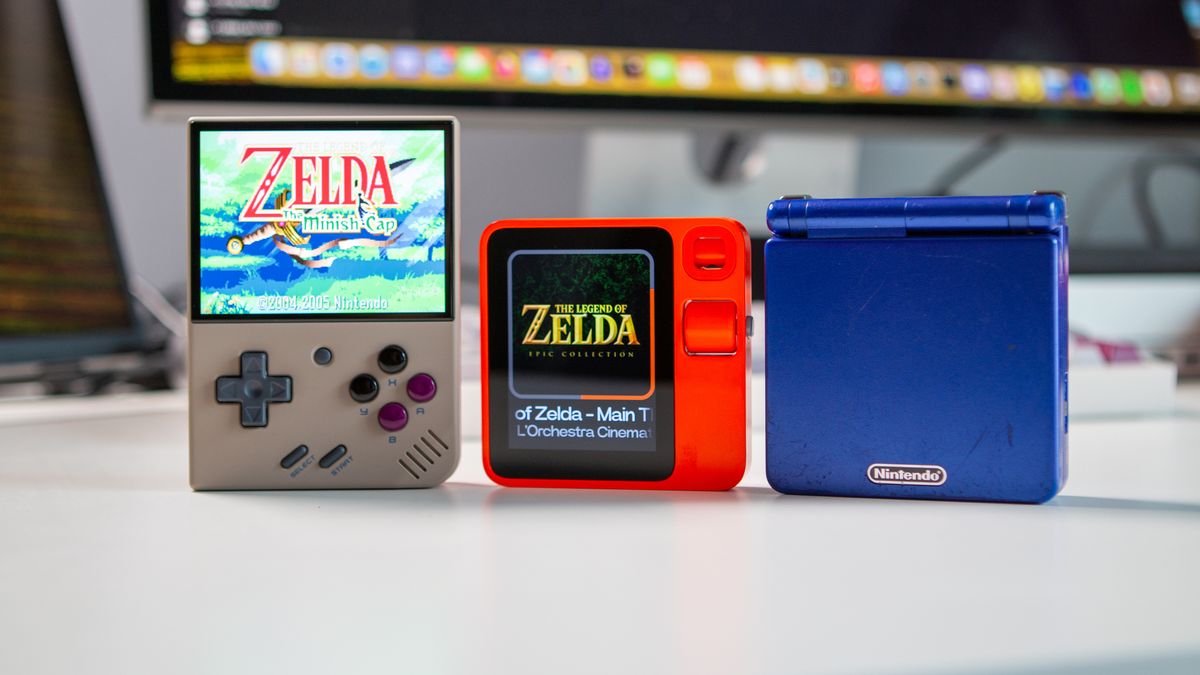
Rabbit has significantly improved the R1 AI gadget with RabbitOS 2, featuring a redesigned interface and new app creation tools called Creations, aiming to differentiate itself in a competitive market and seek consumer trust after a rocky launch.
Rabbit has introduced a 'teach mode' for its R1 devices, enabling users to create AI agents that learn and perform tasks by demonstration. Accessible via the Rabbithole web interface, users can record themselves performing tasks, which the AI can then replicate. While the feature supports various websites, it may struggle with CAPTCHA-protected sites. This experimental feature follows the recent release of Rabbit's large action model and customizable AI prompts, further enhancing the R1's functionality.
Iyo is launching the Iyo One, a generative AI-powered Bluetooth earbud, aiming to succeed where Humane's Ai Pin and Rabbit's R1 failed. Unlike its competitors, Iyo leverages an established product category and offers immediate value as premium headphones. The Iyo One, priced at $599 for Wi-Fi and $699 for cellular, promises advanced features without requiring a subscription fee, though it faces stiff competition from major tech brands and budget options.
The author shares their disappointing experience with the Rabbit R1, an AI gadget that failed to deliver on its promises, drawing parallels to previous ventures by its CEO, Jesse Lyu, including a dubious NFT project. Despite initial excitement, the device's limited functionality and unmet expectations highlight the pitfalls of buying into AI hype, especially when compared to more reliable AI solutions from companies like OpenAI and Google.
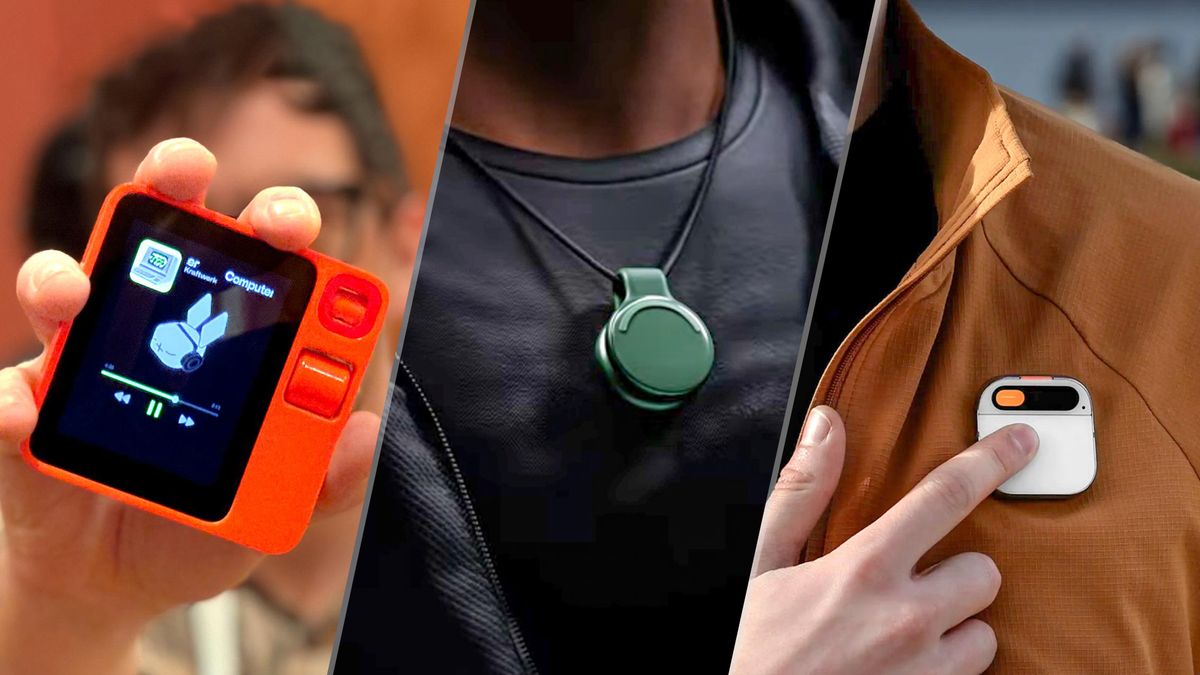
The Rabbit R1, Humane AI Pin, and Limitless Pendant are three AI wearables generating considerable hype. The Humane AI Pin boasts a premium design but suffers from usability issues and overheating, while the Rabbit R1 offers a more traditional yet appealing design. The Limitless Pendant impresses with a 100-hour battery life and transcription capabilities. The Rabbit R1 excels in multimodal AI capabilities and affordability, making it the overall winner among the three devices.
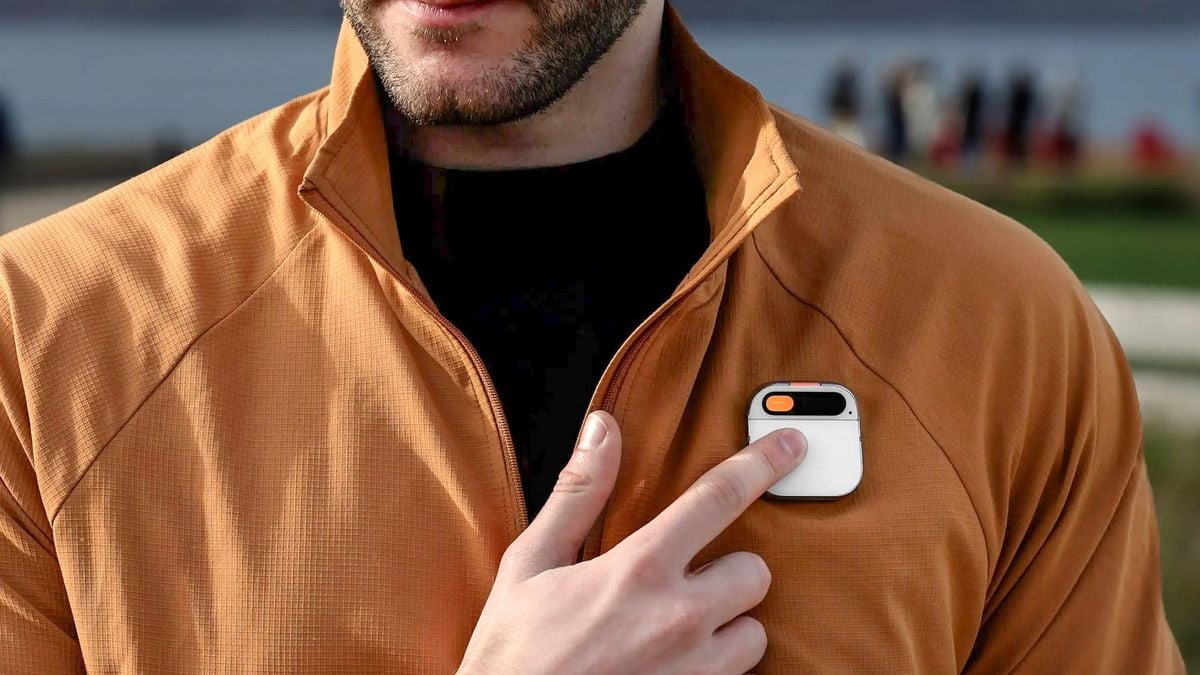
Rabbit founder and CEO Jesse Lyu tested the Humane AI Pin against his company's Rabbit R1 in a YouTube video, highlighting the challenges of using the AI-powered wearable, including the awkwardness of tapping without touching nipples. While the Humane AI Pin lacks a screen and has a steep learning curve, upcoming AI wearables like the Limitless Pendant and Ray-Ban Meta Smart Glasses offer alternative ways to interact with AI. Despite the initial kinks, AI-powered wearables are gradually becoming more accessible for users.
The upcoming launch of AI hardware products like the Humane AI Pin, Rabbit R1, and The Frame raises questions about their practicality and usefulness compared to smartphones. While these devices offer unique features such as gesture recognition and heads-up display, concerns about pricing and functionality persist. The Humane AI Pin, priced at $800 plus a monthly subscription, faces scrutiny to prove its value. Despite skepticism, there may be potential for these devices to influence future AI hardware alongside smartphones. Additionally, Google Podcasts has been shut down, and Android's Find My Device network is expected to launch soon.
The Rabbit R1, co-designed by Teenage Engineering, will start shipping in the US on March 31, with estimated delivery to customers around April 24. Meanwhile, a chip-level exploit in Apple Silicon-powered Macs has been discovered, but the odds of it being exploited are low as long as Apple's Gatekeeper is turned on. Senators are seeking to declassify details about TikTok and ByteDance's alleged national security threat, while Instagram porn bots have adopted a new tactic to evade word filters.
The first batch of Rabbit R1 AI devices, showcased at CES 2024, will begin shipping to pre-order customers in the US and Canada starting March 31, with an estimated arrival around April 24. The device, priced at $199, functions as a pocket computer with an AI assistant powered by the Perplexity AI engine, allowing it to interact with mobile apps. Additional batches are expected to ship in the following months, and the device has garnered significant industry attention for its innovative approach.
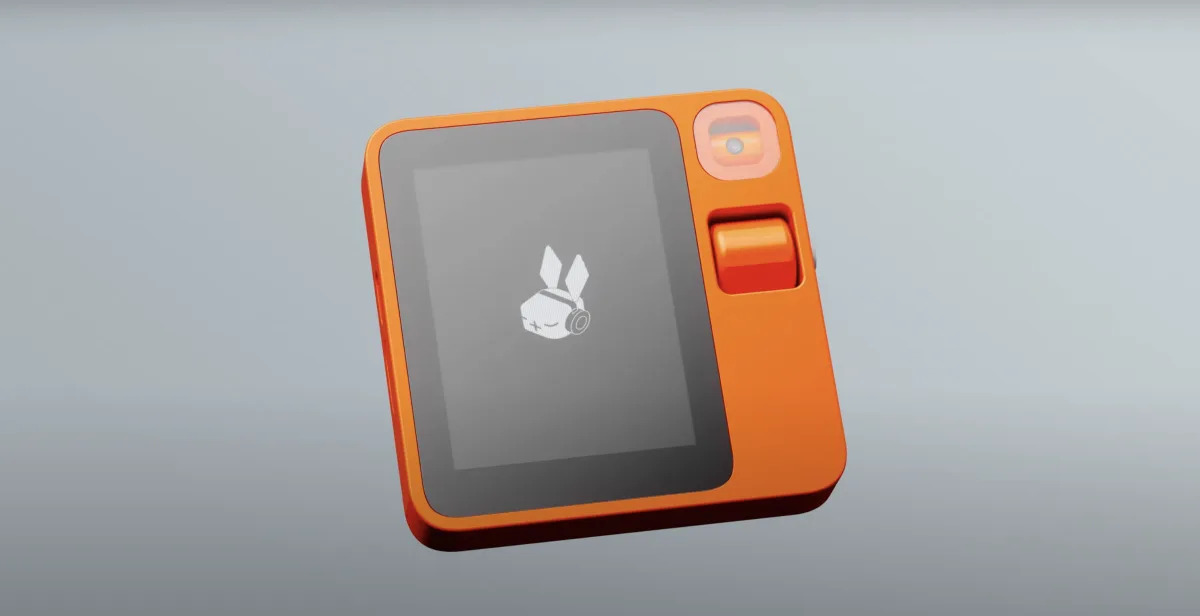
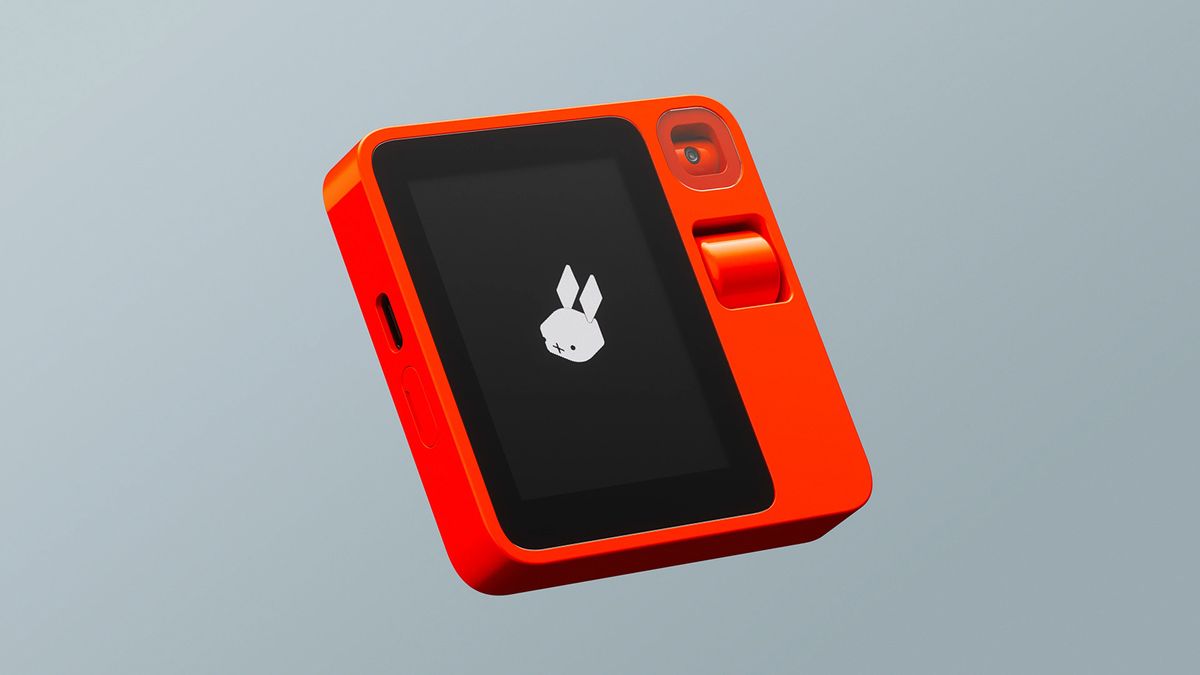
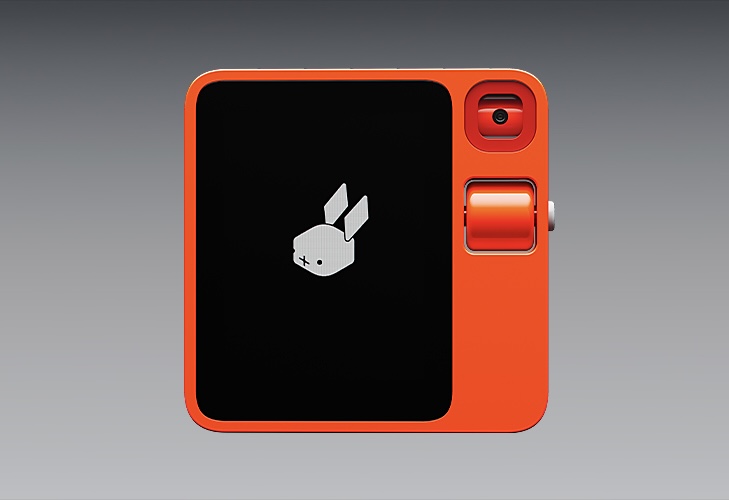
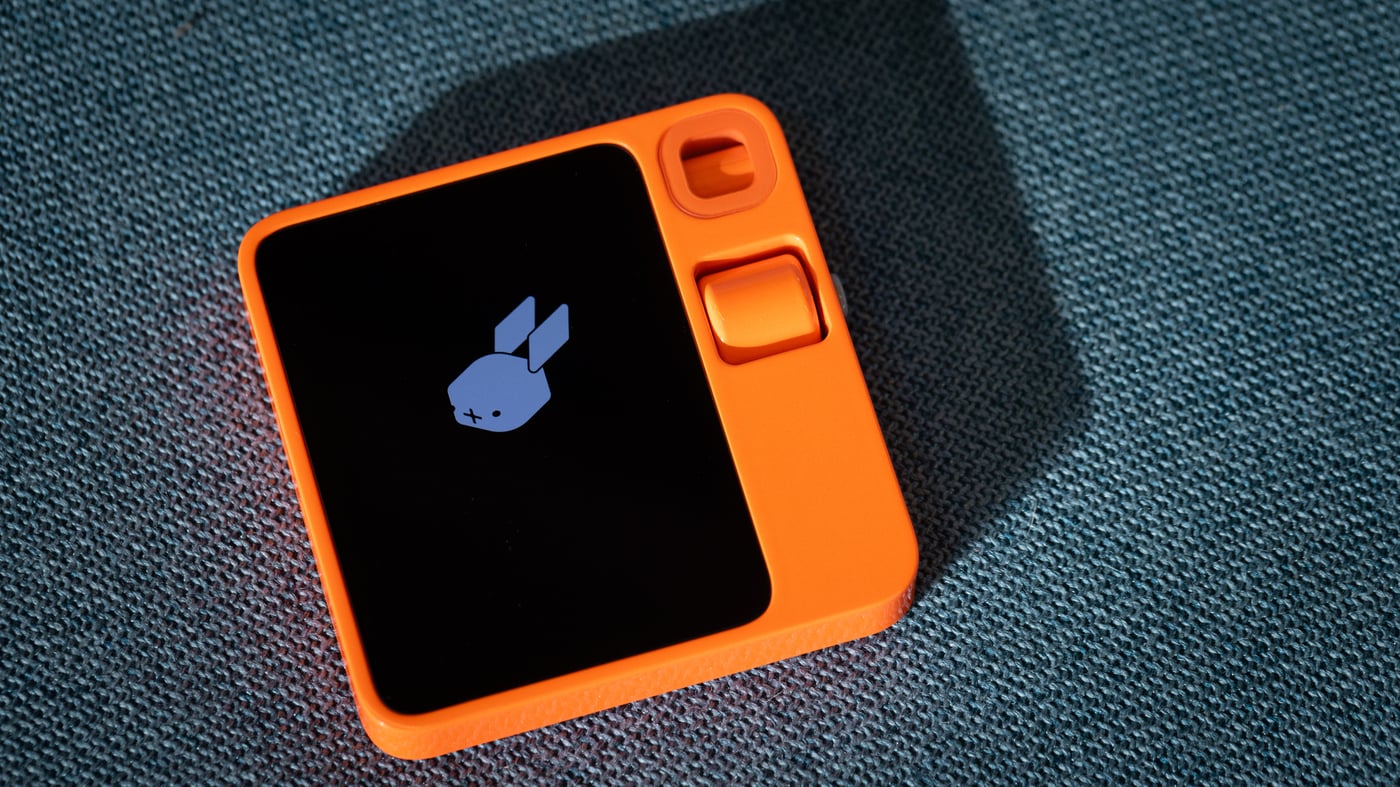
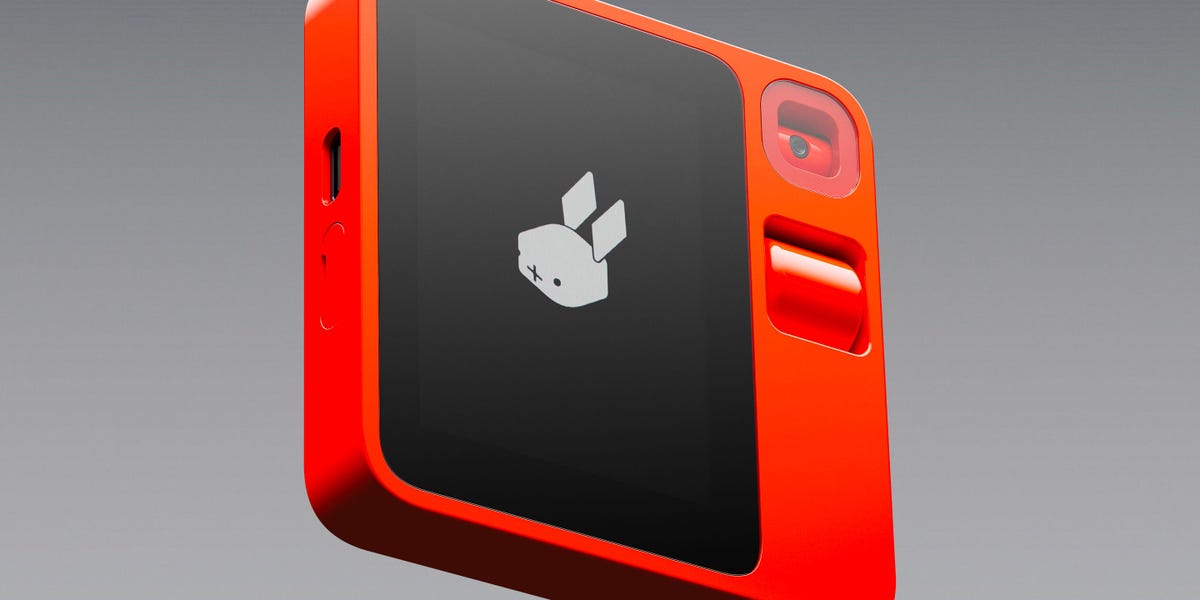
The Rabbit R1, a highly anticipated AI device, will begin shipping to the first batch of US buyers on March 31, with estimated delivery around April 24. The company is also hosting a pickup party in New York City on April 23 for all buyers, not just from the first batch. The device, priced at $199, features a physical scroll wheel, rotating camera, and an animated bunny mascot, and has generated significant interest and questions about the role of dedicated AI hardware in the smartphone era.
Tech startups are developing AI-powered personal assistant devices like the Rabbit R1, which can fulfill tasks such as ordering food, calling an Uber, and booking vacations. These devices use AI to mimic user actions and make suggestions based on preferences. While there is excitement over the potential of AI agents, concerns about privacy, obsolescence, and the potential for AI to go rogue have been raised. Despite these concerns, companies like Rabbit are touting their devices as a way to efficiently get things done without being sucked into smartphone apps.
The Rabbit R1, a new handheld 'AI' gadget, has garnered excitement and confusion since its announcement, with some touting it as a potential iPhone killer. Trevor, a veteran in the software industry, has preordered the device and sees potential in its ability to simplify complex tasks through voice commands. He has also praised the accompanying Perplexity Pro service, which provides fast and precise answers using a Large Language Model. Trevor looks forward to testing the Rabbit R1 and determining whether it lives up to its potential as a game-changing device or is merely a gimmick.
The Rabbit R1, a pocket-sized AI device, has sold out multiple batches since its January 2024 launch, prompting questions about why it isn't just a smartphone app. Rabbit CEO Jesse Lyu explained that creating a separate device was partly due to concerns about working with Apple and competition within the AI software market. He emphasized the need to protect the company's unique AI model from being copied and to distinguish itself in a crowded consumer market, despite acknowledging the inconvenience of carrying an additional device.
Jesse Lyu, founder of Raven Tech, collaborated with Teenage Engineering to design the Rabbit R1, a bright orange walkie-talkie for AI with a retro appeal, priced at $199. Despite criticism, Lyu believes AI hardware is a new frontier and aims to de-risk the product by offering something familiar yet disruptive. The R1's large action model and dedicated hardware provide defensibility to the business, and its key processing happens in the cloud, ensuring data security. With 50,000 preorders, the Rabbit R1 is set to ship in waves through June or July, offering a glimpse into the future of AI hardware.
The Rabbit R1's built-in audio is not ideal for listening to The Gorillaz, as demonstrated by founder Jesse Lyu in a video showcasing the gadget's vision capability, although it's not particularly effective for keeping up with friends on Discord. The video serves as a demo of the R1's real-time interpretation of what it sees, with promises of improved speed in the future.