The article highlights significant tech and service discontinuations in 2025, including the end of AOL dial-up, the last iPhone with a home button, the shutdown of Google Stadia, and the shift of Microsoft Skype into Teams, reflecting broader industry trends and nostalgia for bygone innovations.
In 2025, several notable tech products and services were discontinued, including TiVo DVRs, Skype, Humane AI Pin, Pocket, Zelle's standalone app, Meta's fact-checking program, Mr. Deepfakes, Google Assistant, and Twitter's domain, reflecting the fast-paced and ever-evolving nature of the tech industry.
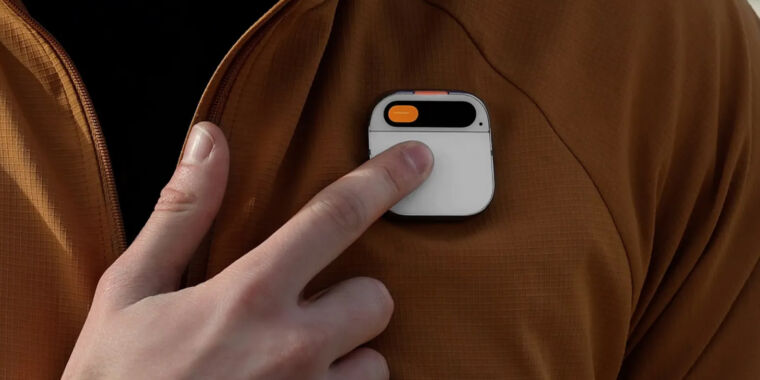
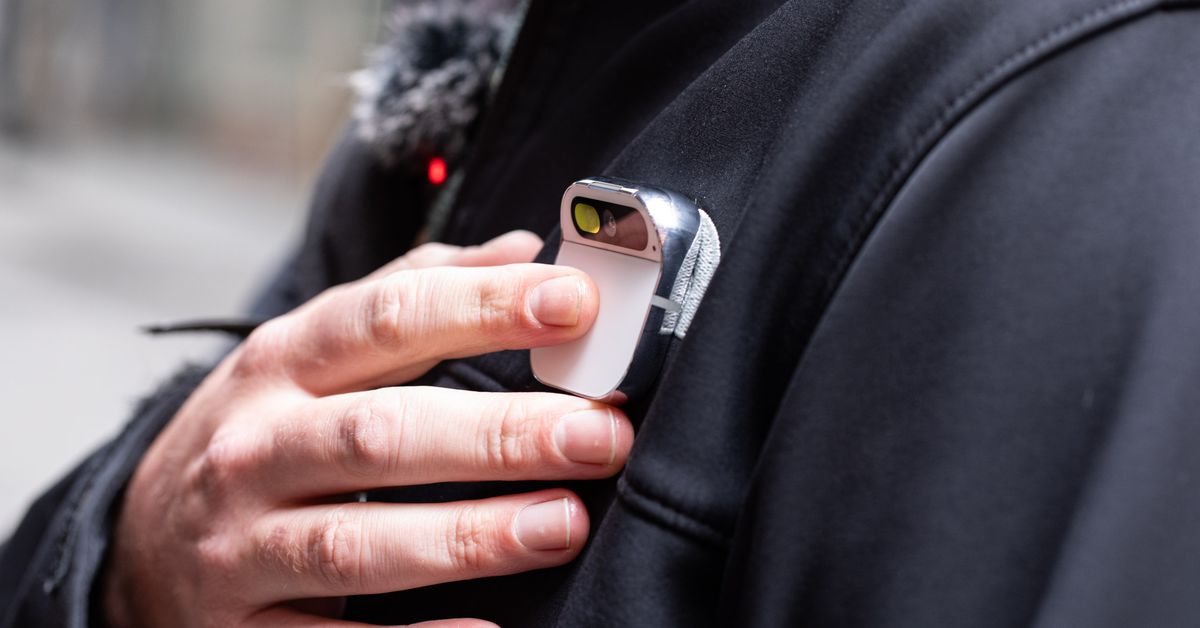
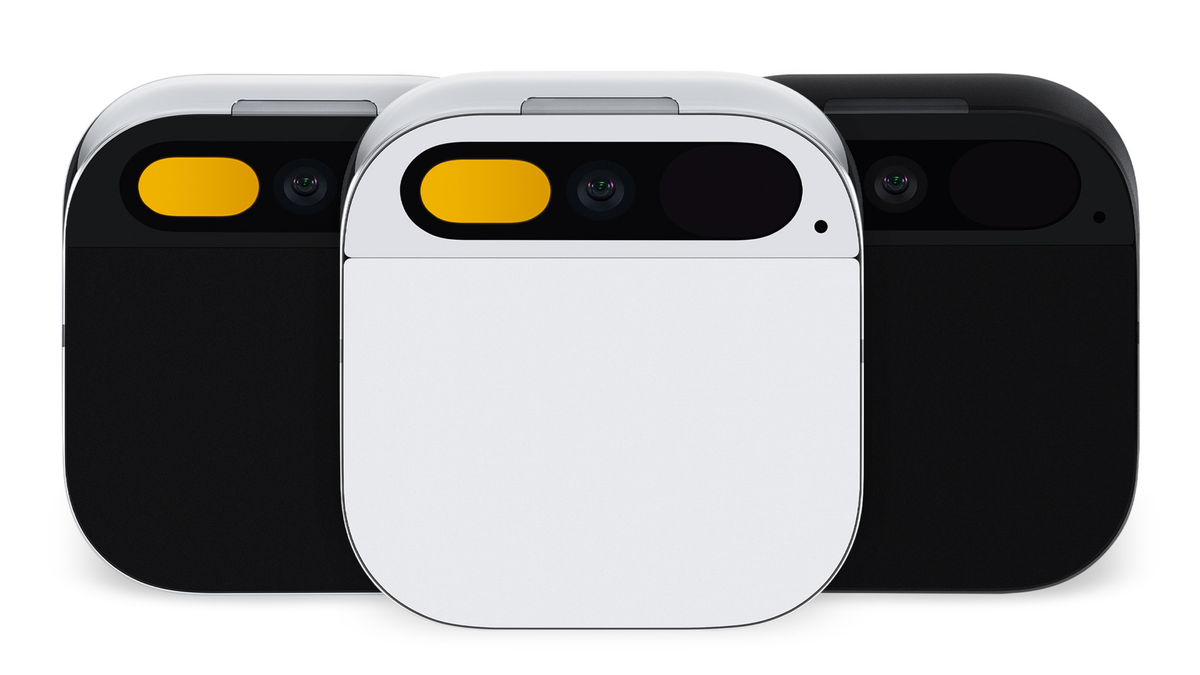
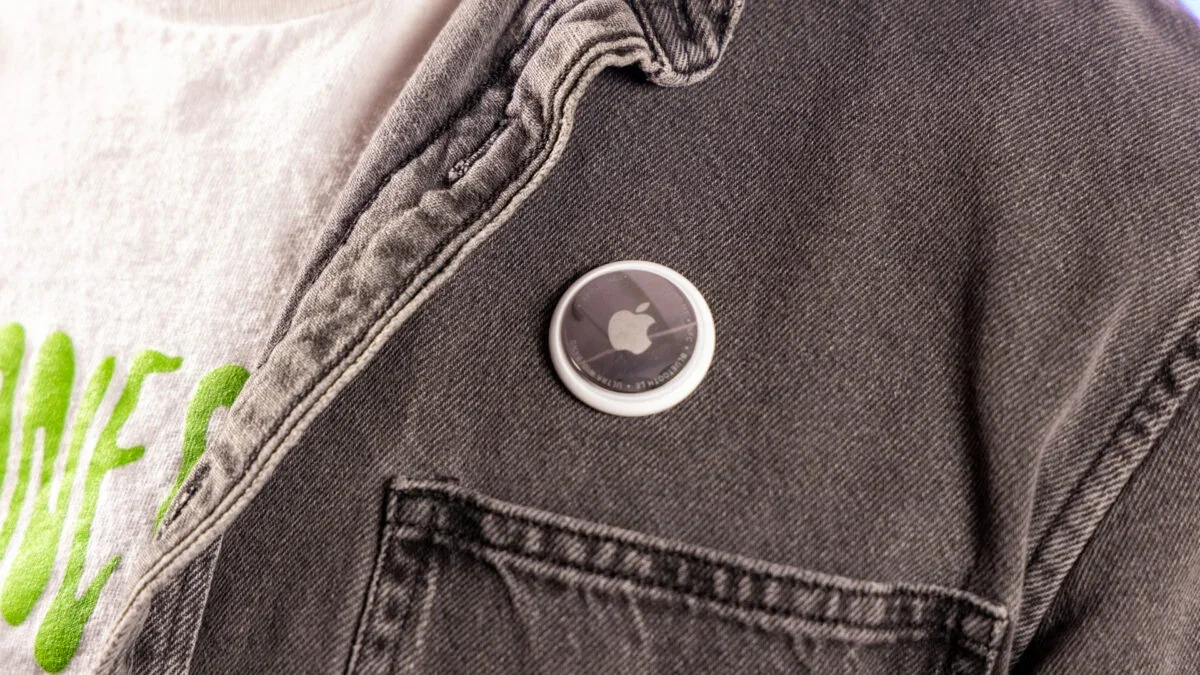
Humane, a company founded by ex-Apple employees, launched the AI Pin, a voice assistant device, which failed spectacularly due to poor performance, high price, and safety issues. Internal criticism was banned, leading to ignored warnings about the product's flaws. Despite only $7 million in sales and devastating reviews, the founders are seeking to sell the company for over $1 billion.
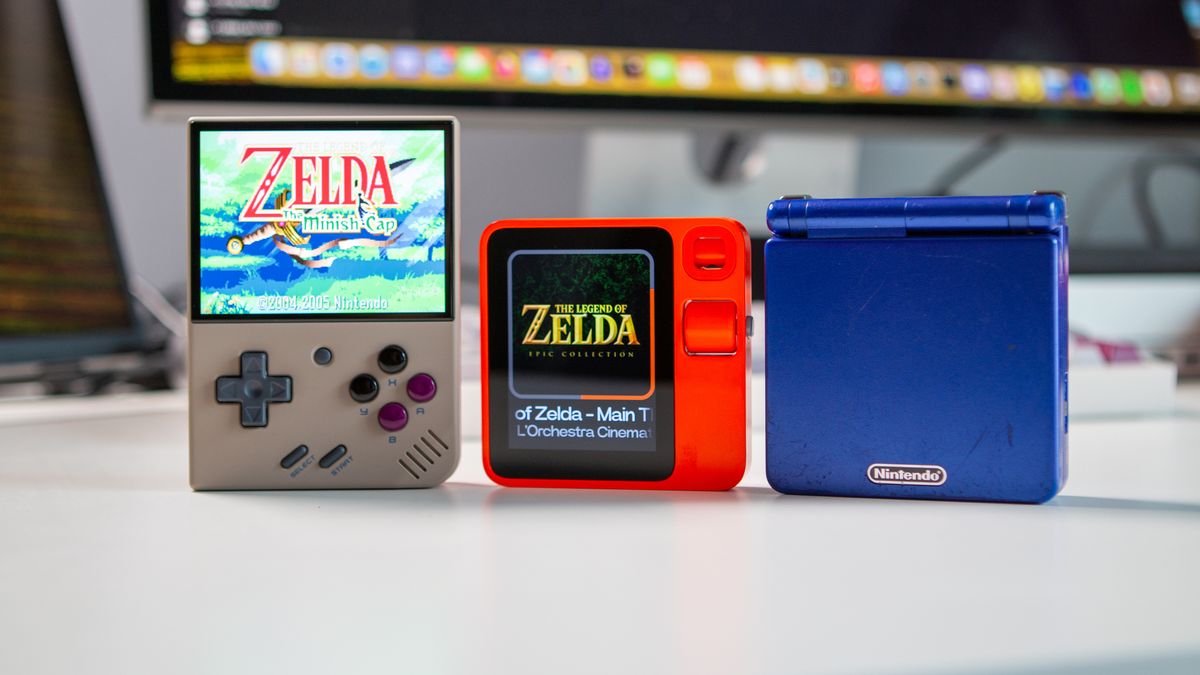
The author shares their disappointing experience with the Rabbit R1, an AI gadget that failed to deliver on its promises, drawing parallels to previous ventures by its CEO, Jesse Lyu, including a dubious NFT project. Despite initial excitement, the device's limited functionality and unmet expectations highlight the pitfalls of buying into AI hype, especially when compared to more reliable AI solutions from companies like OpenAI and Google.
Humane, the startup behind the Humane AI Pin, is seeking a sale just one month after launching its wearable device, which has been widely criticized and deemed a failure. Founded by ex-Apple employees and backed by significant investment, the company is reportedly looking for a buyer at a price between $750 million and $1 billion despite the product's poor reception and lack of future prospects.
The Humane AI Pin, which promised seamless translation without screens, failed to deliver on its demo, leaving the author reflecting on the challenges of language barriers in their multilingual family, especially during their parents' illnesses. While existing translation tools like Google Translate struggle with nuances and evolving language, the author longs for a future where real-time translation technology can bridge the gaps in communication and understanding, particularly in moments of vulnerability and need.
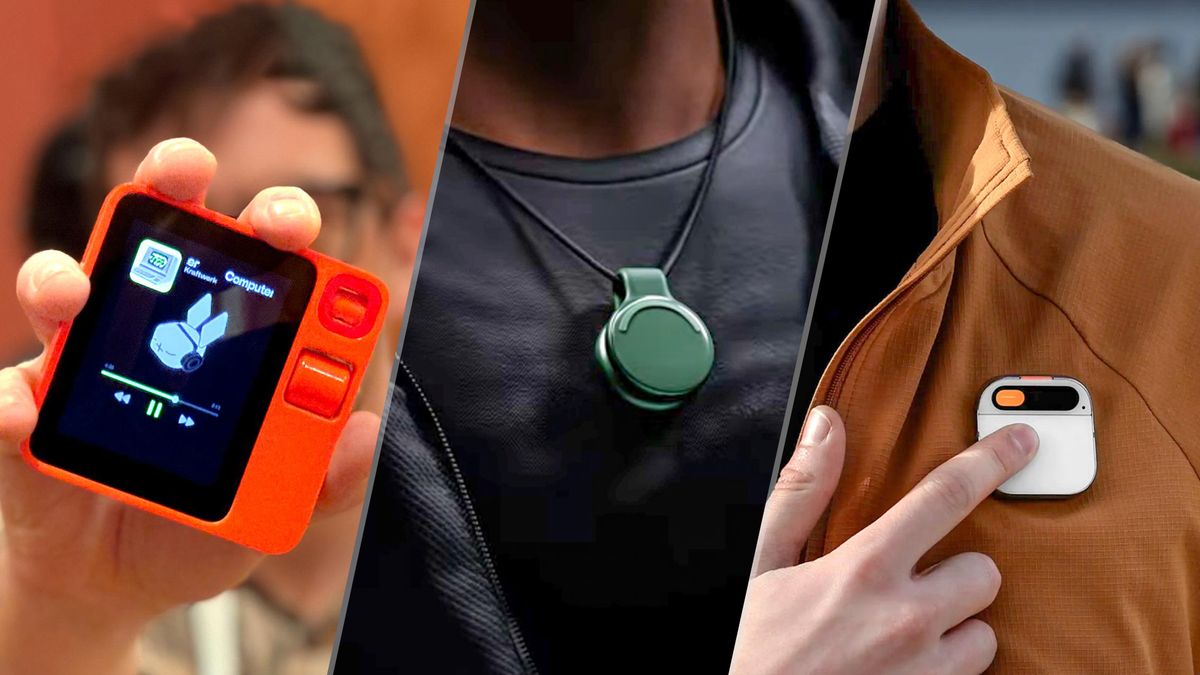
The Rabbit R1, Humane AI Pin, and Limitless Pendant are three AI wearables generating considerable hype. The Humane AI Pin boasts a premium design but suffers from usability issues and overheating, while the Rabbit R1 offers a more traditional yet appealing design. The Limitless Pendant impresses with a 100-hour battery life and transcription capabilities. The Rabbit R1 excels in multimodal AI capabilities and affordability, making it the overall winner among the three devices.
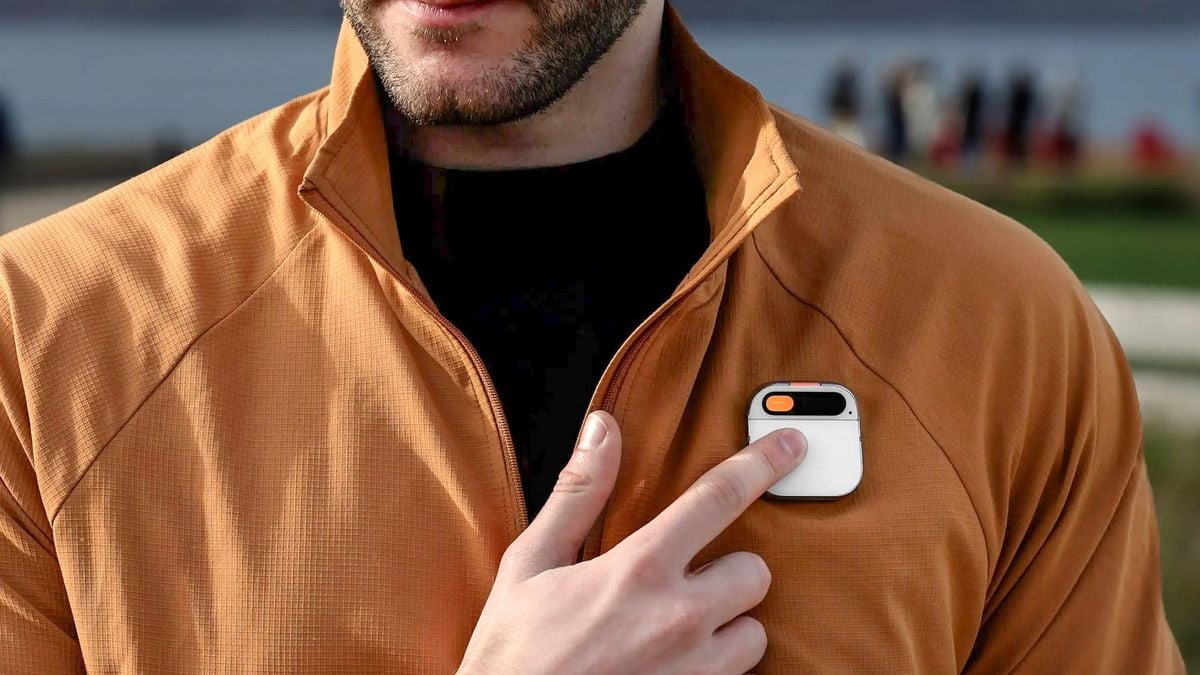
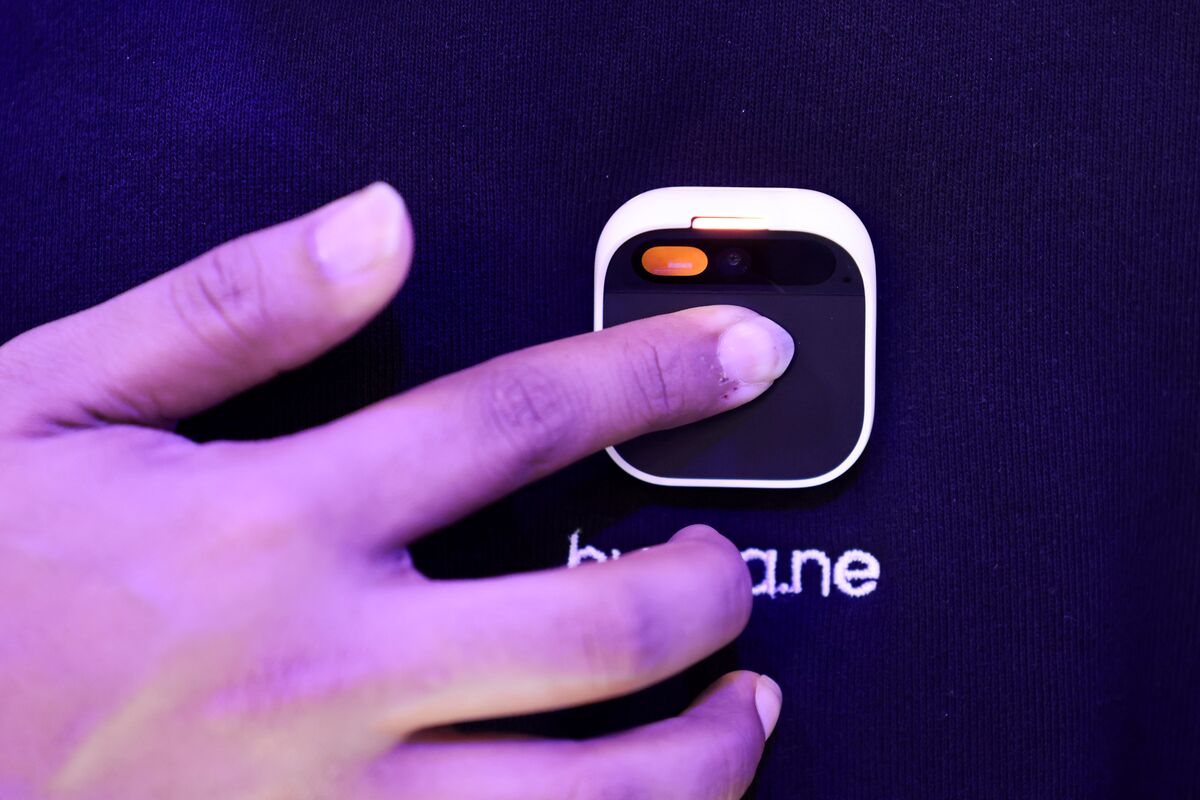
Rabbit founder and CEO Jesse Lyu tested the Humane AI Pin against his company's Rabbit R1 in a YouTube video, highlighting the challenges of using the AI-powered wearable, including the awkwardness of tapping without touching nipples. While the Humane AI Pin lacks a screen and has a steep learning curve, upcoming AI wearables like the Limitless Pendant and Ray-Ban Meta Smart Glasses offer alternative ways to interact with AI. Despite the initial kinks, AI-powered wearables are gradually becoming more accessible for users.
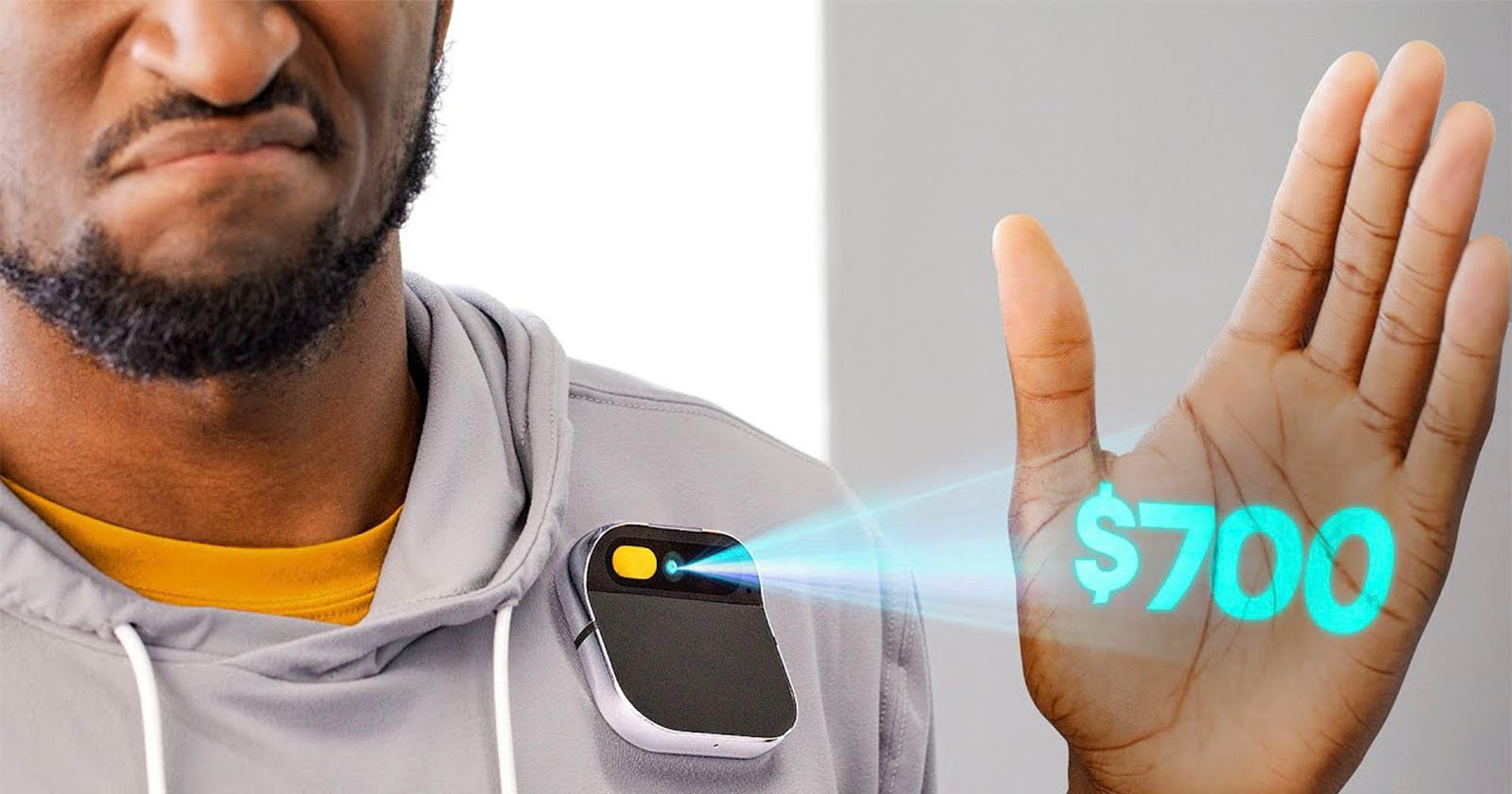
YouTube tech reviewer Marques Brownlee's scathing review of the Humane Ai Pin, calling it the worst product he's ever reviewed, has sparked an online debate over ethics and influence, given his substantial subscriber base. The $700 wearable device, which also requires a $24 monthly subscription, has received mostly negative reviews for its poor performance. While some criticize Brownlee's review as potentially damaging to the company, others, including Humane's head of new media, have supported it as honest and fair. Despite some positive aspects, the Ai Pin's high price and functionality issues make it a tough sell, potentially impacting the future of the company.
YouTuber Marques Brownlee faced criticism for his scathing review of the $700 Humane AI Pin, with some calling it "unethical" due to his large influence. Brownlee's 25-minute review labeled the device as "bad at almost everything it does," sparking debate about the responsibility of influential reviewers. While some defended Brownlee's honesty, others questioned the ethical line between review and defamation. The AI Pin received similarly negative feedback from other reviewers, who highlighted its unfinished and malfunctioning nature, particularly its voice and vision features.
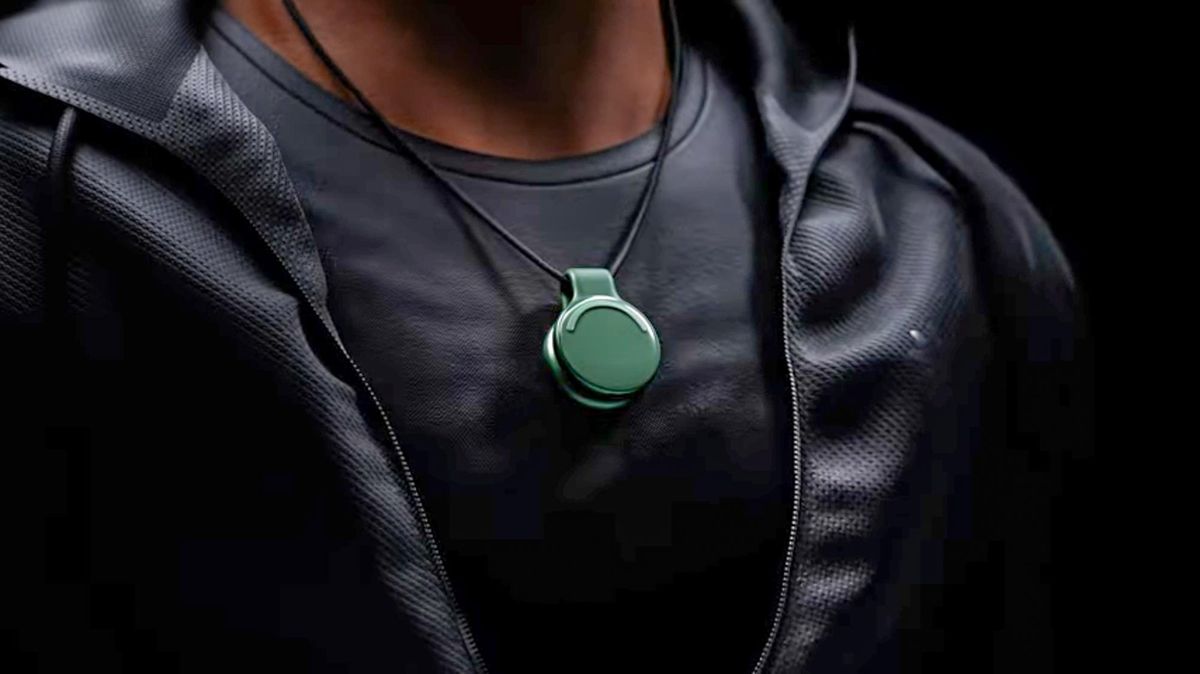
The newly launched Limitless Pendant is an AI-powered wearable designed to make video calls and in-person meetings easier to remember by recording and transcribing conversations, suggesting action items, and ensuring privacy through anonymized and securely stored data. Priced at $99 during the preorder period, with a free tier and a $19 per month Pro plan, the Pendant offers 100-hour battery life, Wi-Fi and Bluetooth connectivity, waterproofing, and compatibility with existing tools and software. With a variety of colors and a web app, Mac, and Windows software, the Pendant aims to be a useful and versatile gadget in the AI wearables market.
Despite the advancements in AI devices like the Humane Ai pin, it is unlikely to replace smartphones. The pin, which is designed to provide a more natural and intuitive interface, may offer new ways to interact with technology, but it is not expected to supplant the widespread use of smartphones.
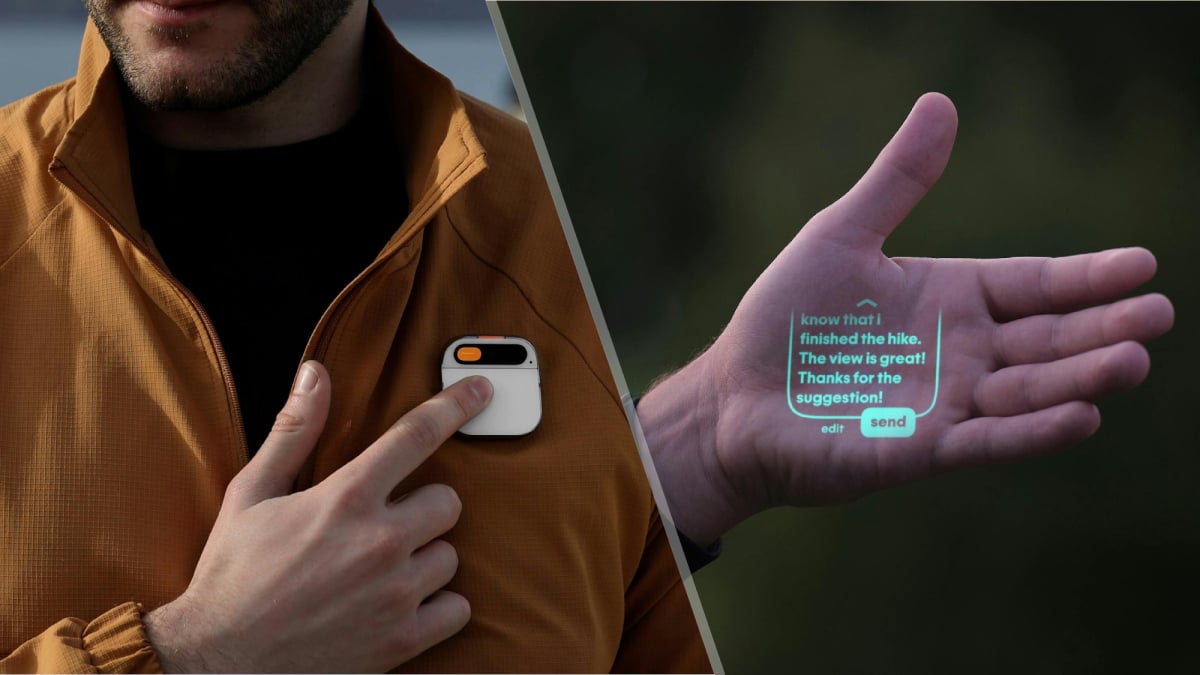
The Humane AI Pin, a divisive new wearable device, has received lukewarm reviews due to its buggy performance, slow speed, and lack of expected features. Priced at $699 for the base model, plus additional costs for data and music services, the device offers touch, voice, and projection interfaces for control, but struggles with battery life and outdoor visibility. While it can handle texts, calls, notes, and media capture, it lacks features like reminders, calendar events, and accurate visual recognition. Despite ongoing development, the device's speed and accuracy remain concerns for potential buyers.
The Humane Ai Pin, a display-less wearable device, has received harsh critiques from reviewers, with common complaints including poor on-palm projection, frustrating gestures, mandatory monthly subscription, sound issues, and overheating. Despite some praised features like real-time language translation and object identification, all reviewers unanimously advised against purchasing the device.
The launch of the $699 Humane AI Pin, touted as a potential replacement for smartphones, has been met with scathing reviews, with critics citing its clunkiness and limited capabilities. The company's odd presentation, layoffs, and lack of media transparency have further marred its debut. The device's issues, including overheating and difficult navigation, highlight a failure to gather and heed outside perspectives. This misstep may set a new precedent for AI-centric consumer hardware, making it a tough sell for future endeavors in the industry.