Researchers at Columbia University have created a Bose-Einstein Condensate (BEC) using sodium-cesium molecules cooled to five nanoKelvin, stable for two seconds. This breakthrough opens new avenues for exploring quantum phenomena and simulating complex materials' quantum properties, marking a significant advancement in quantum physics and ultracold molecule research.

The discrepancy between the theoretical and experimental values of the muon's magnetic moment has puzzled scientists for decades, potentially indicating interactions with unknown particles or forces. Recent research using advanced quantum simulations has shed light on these discrepancies, offering insights into the fundamental properties of muons and their interactions in particle physics. The study identified the origin of the discrepancies and provided new insights into the muon's magnetic moment, which could contribute to the investigation of dark matter and other aspects of new physics.
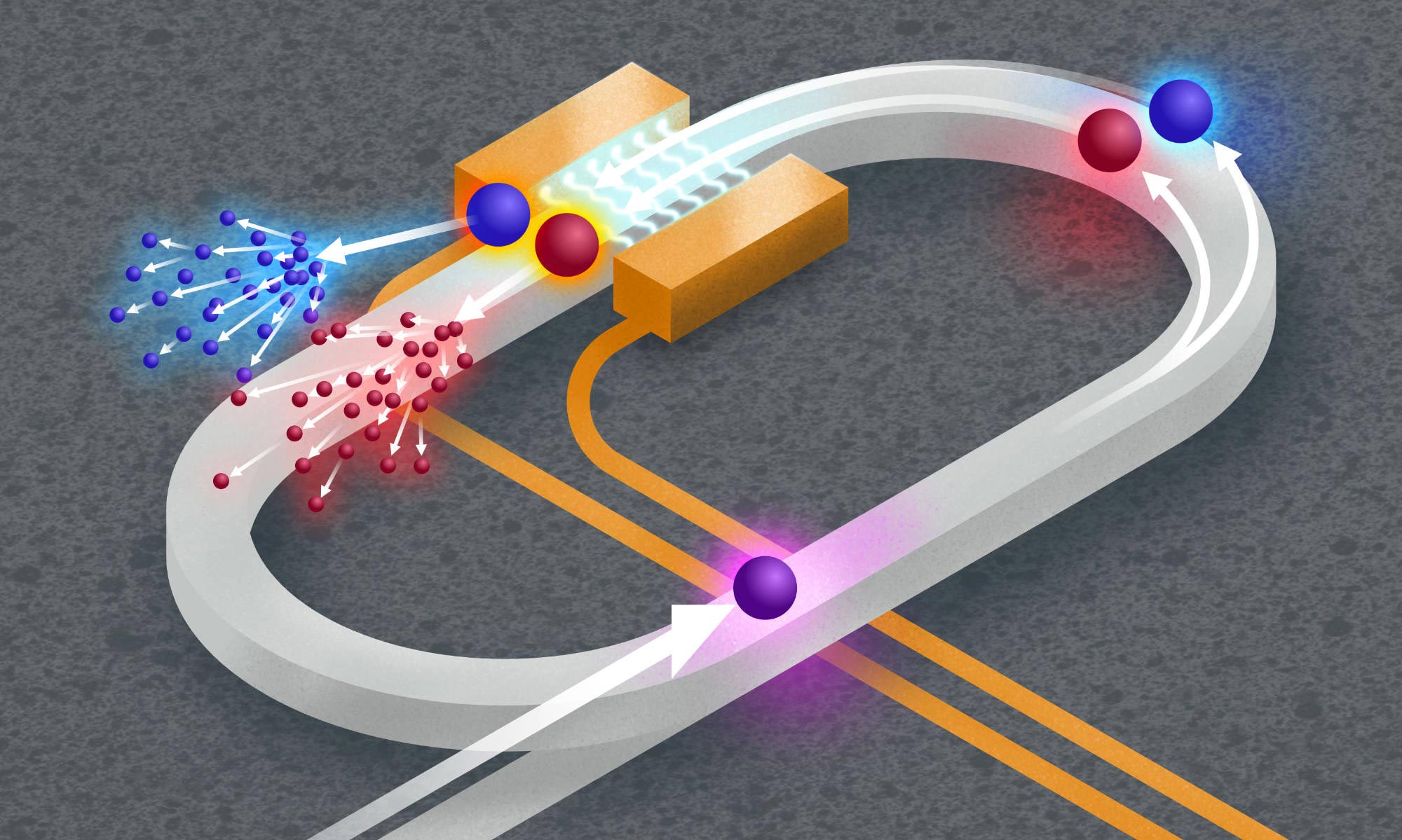
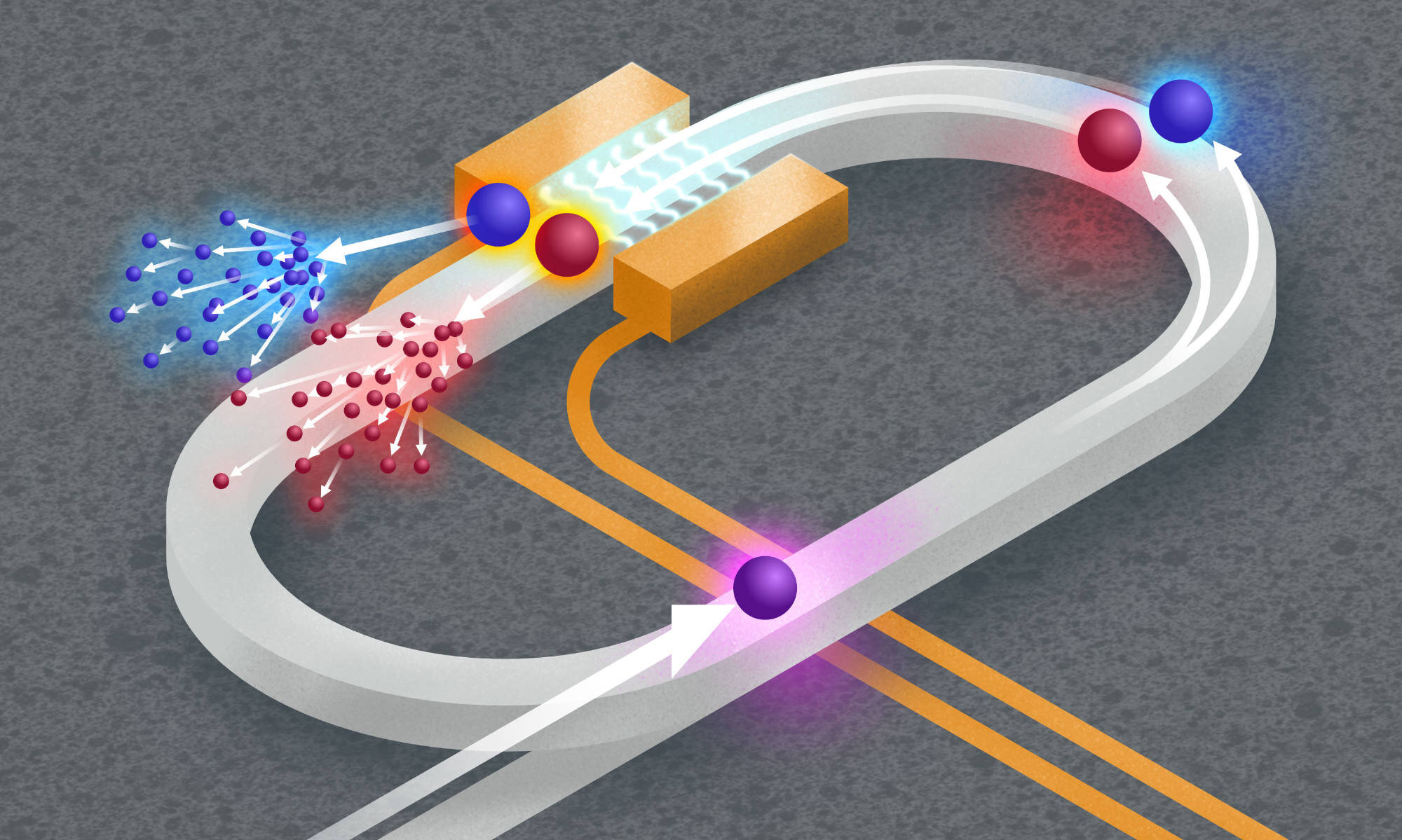
Researchers at the University of Rochester have developed a chip-scale optical quantum simulation system using controlled photon frequency to simulate complex natural phenomena at the quantum level. This innovative approach, which creates a quantum-correlated synthetic crystal, allows for more intricate simulations and could pave the way for advanced quantum computing systems capable of handling complex simulations that are currently too cumbersome for classical computers.
Researchers at the University of Rochester have developed a chip-scale optical quantum simulation system that allows for quantum simulations in a synthetic space, mimicking the physical world by controlling the frequency of quantum entangled photons. This approach, which differs from traditional photonics-based computing methods, has the potential to enable more complex simulations and computation tasks in the future, making scalable quantum simulations on a photonic chip feasible.