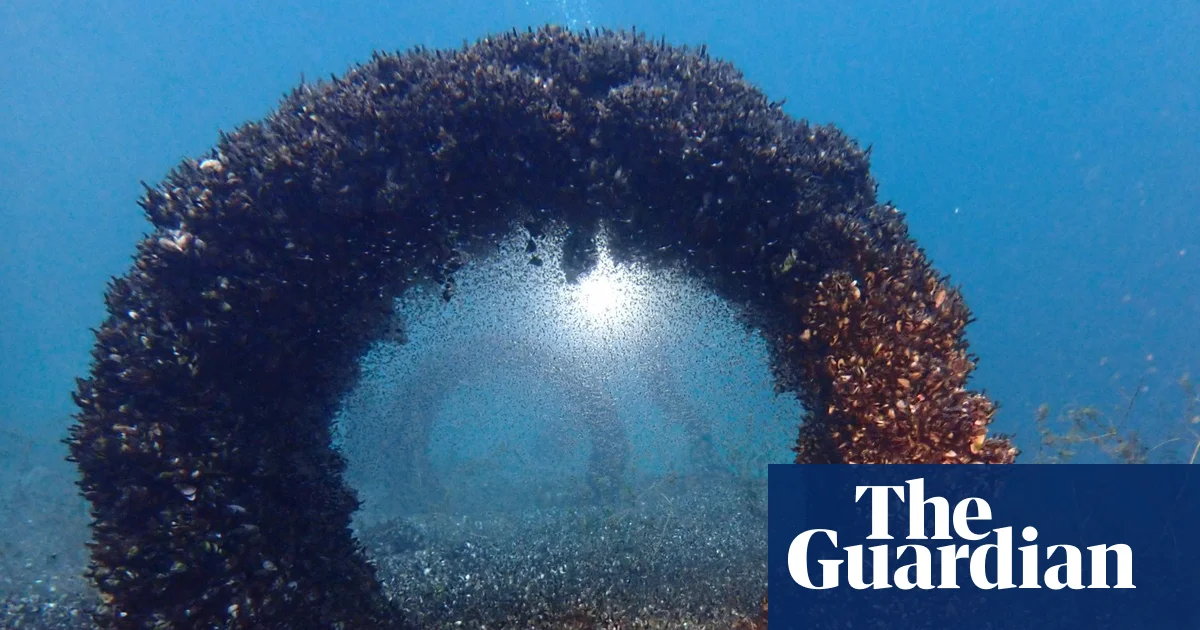
Quagga mussels have rapidly invaded Lake Geneva, causing irreversible ecological and infrastructural damage, including blocking cooling systems vital for research and industry, and drastically altering the lake's ecosystem, with experts warning that the lake will never return to its original state.
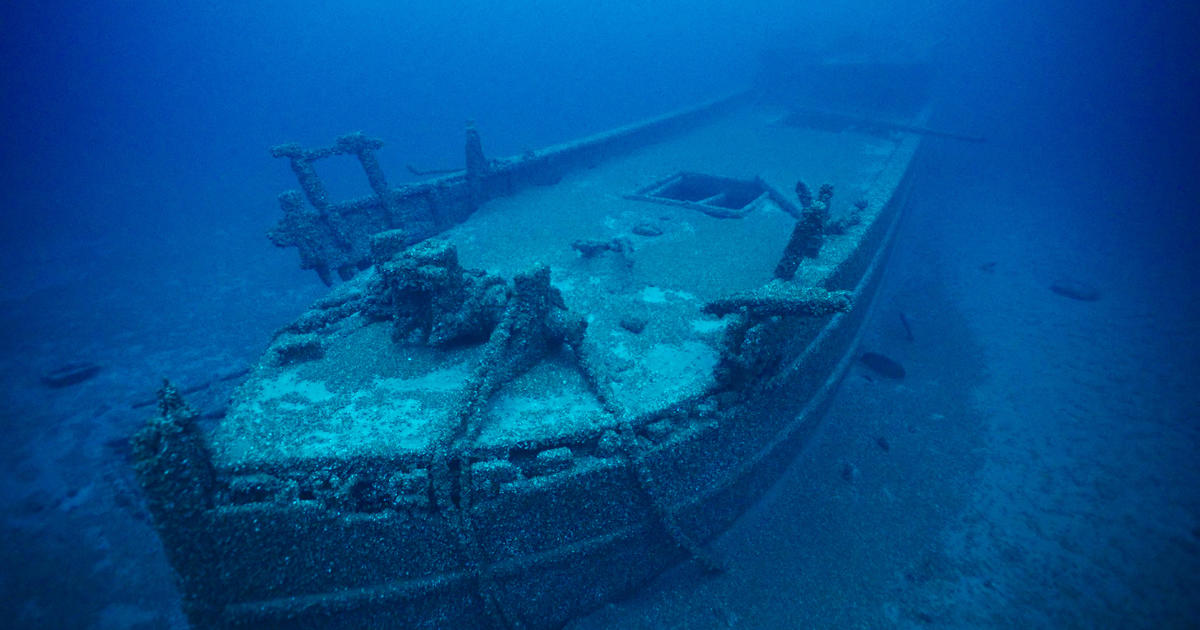
Documentary filmmakers using a remotely operated vehicle discovered the wreck of the Africa, a ship that vanished in Lake Huron in 1895 with its entire crew. The ship was found nearly 280 feet underwater and was encrusted in invasive quagga mussels. The filmmakers specialize in underwater videography and were investigating the lakebed when they noticed an anomaly on their sonar readout. The discovery will be featured in their documentary, which focuses on the ecological impacts of quagga mussels in the Great Lakes.
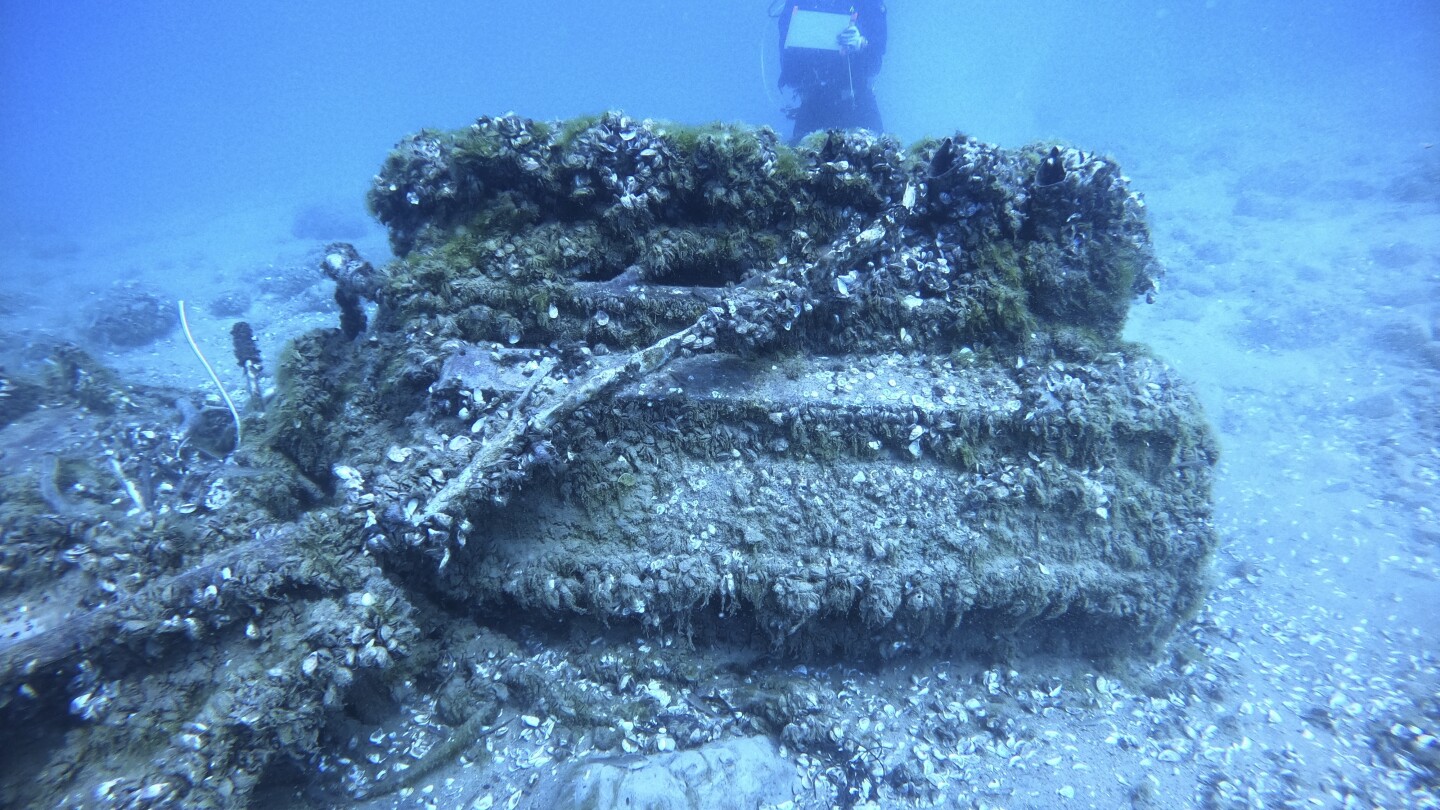
Historians and archaeologists are racing against time to locate and document shipwrecks in the Great Lakes before they are destroyed by invasive quagga mussels. These mussels, which have become the dominant invasive species in the lower Great Lakes, cover virtually every shipwreck and downed plane in the region, burrowing into wooden vessels and corroding steel and iron ships. Quagga mussels have displaced zebra mussels as the dominant mussel in the Great Lakes and have caused overwhelming destruction to the remains of historical ships. Efforts to stop the mussels have been unsuccessful, leaving experts to search for shipwrecks before they disintegrate under the mussels' assaults.
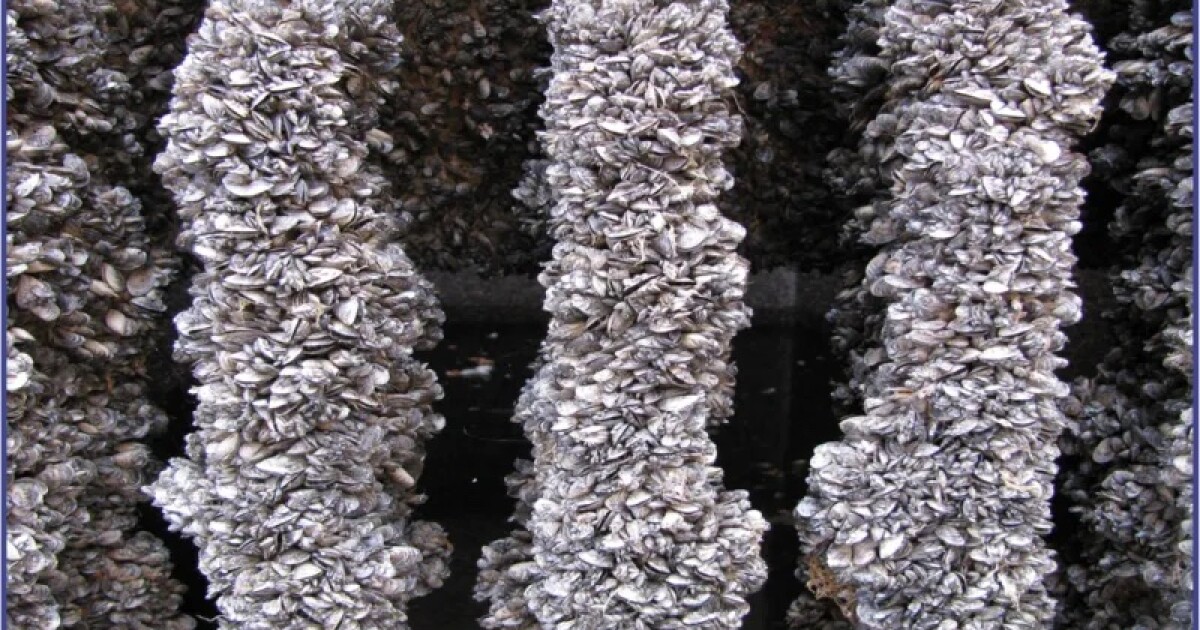
The discovery of quagga mussel larvae in the Snake River in Idaho has put the Pacific Northwest on alert. The invasive species, native to Eastern Europe, is one of the most invasive in the U.S. and has the potential to cause significant damage to infrastructure and disrupt ecosystems. The larvae were found during routine water sampling, prompting the closure of a popular waterfront park and access points to lakes and rivers. The implications extend beyond Idaho, as the Snake River flows into the Columbia River system, shared by tribes and the states of Washington and Oregon. Efforts are underway to contain the population and prevent further spread.