Tag

Pythias Oasis

All articles tagged with #pythias oasis

science2 years ago

Uncovering the Seafloor Leak at Cascadia Fault.

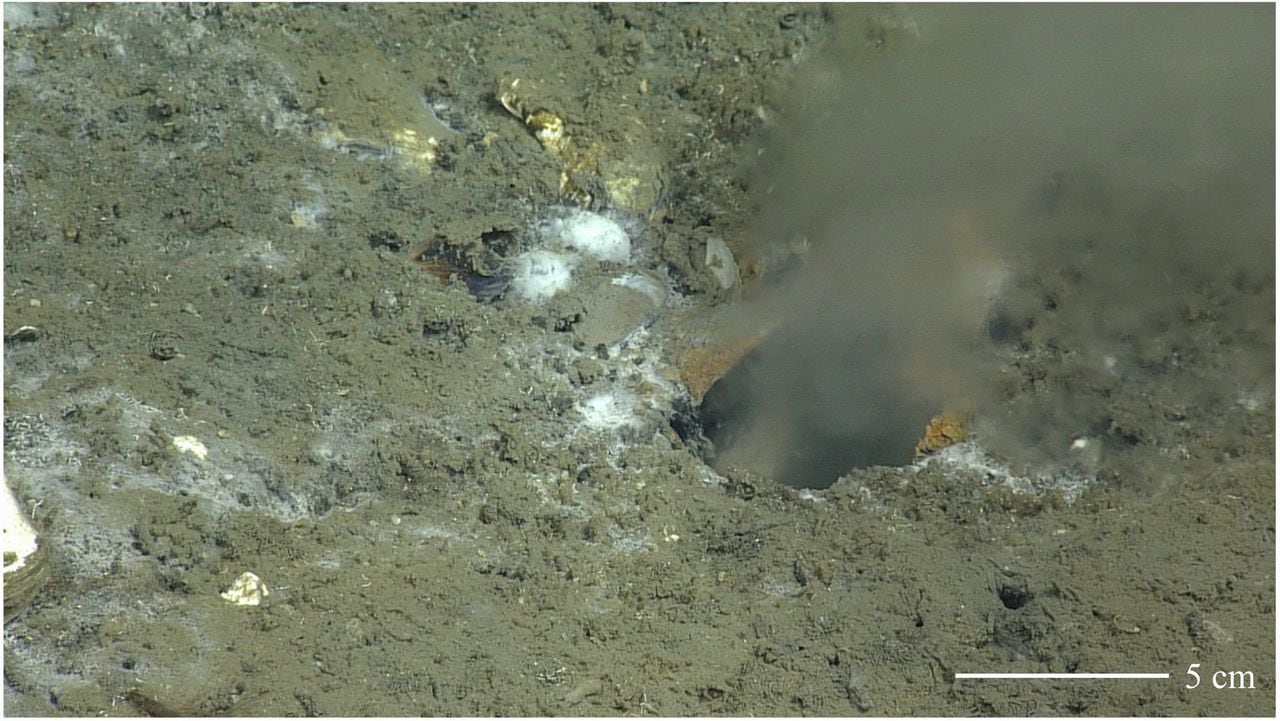
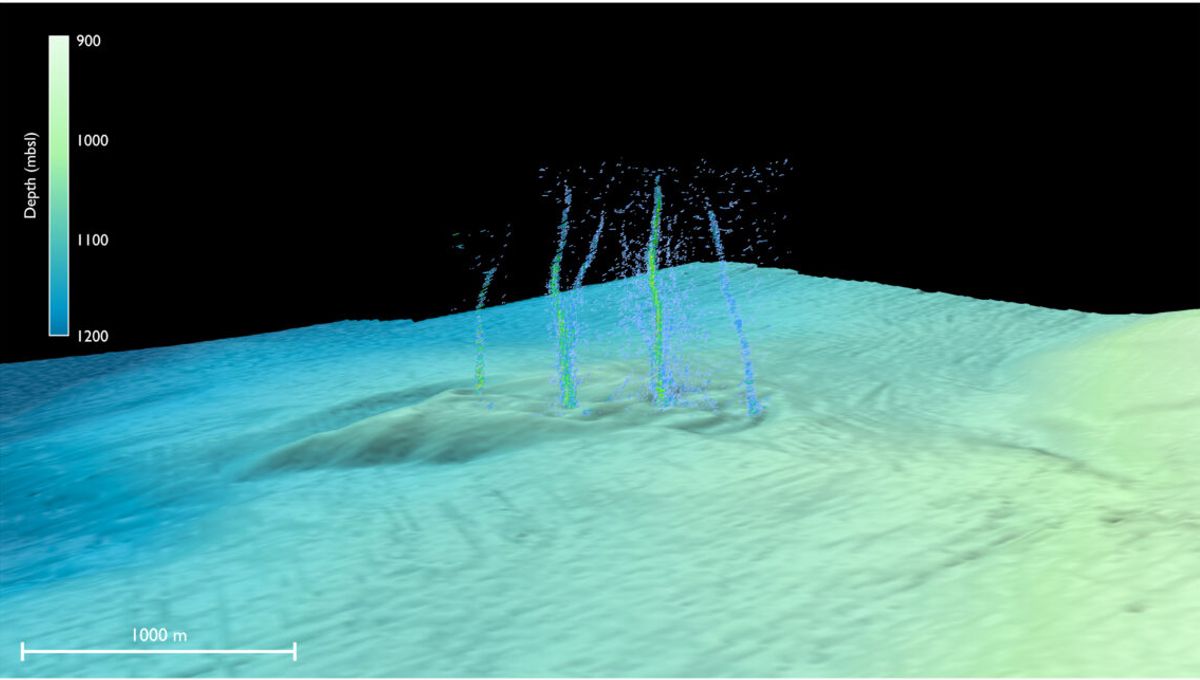
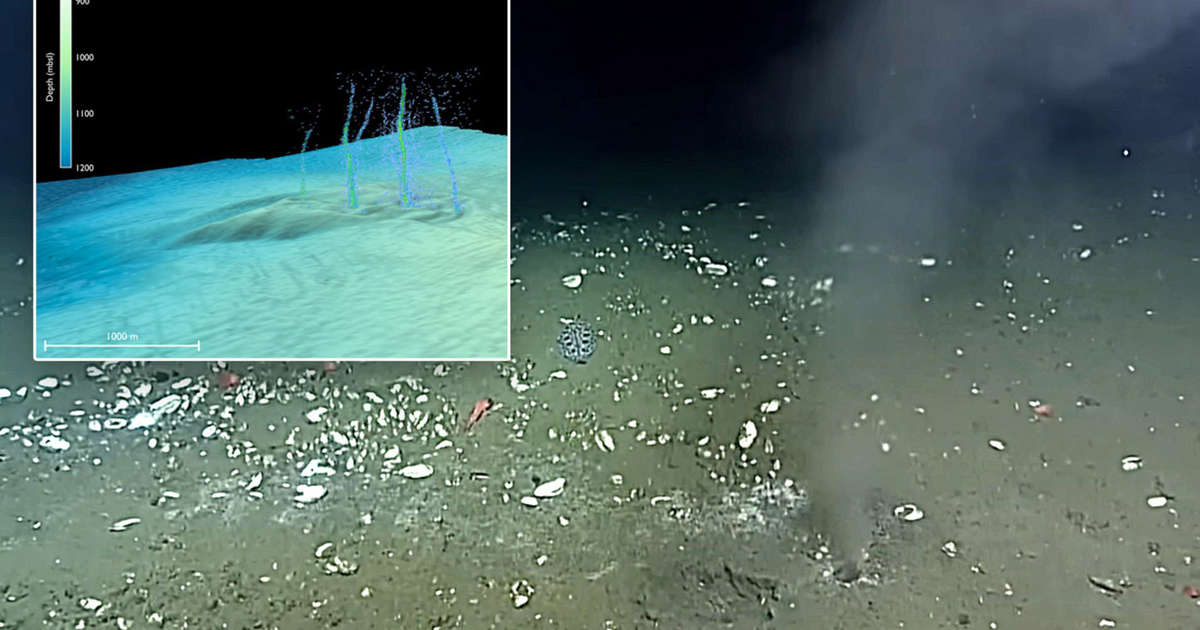
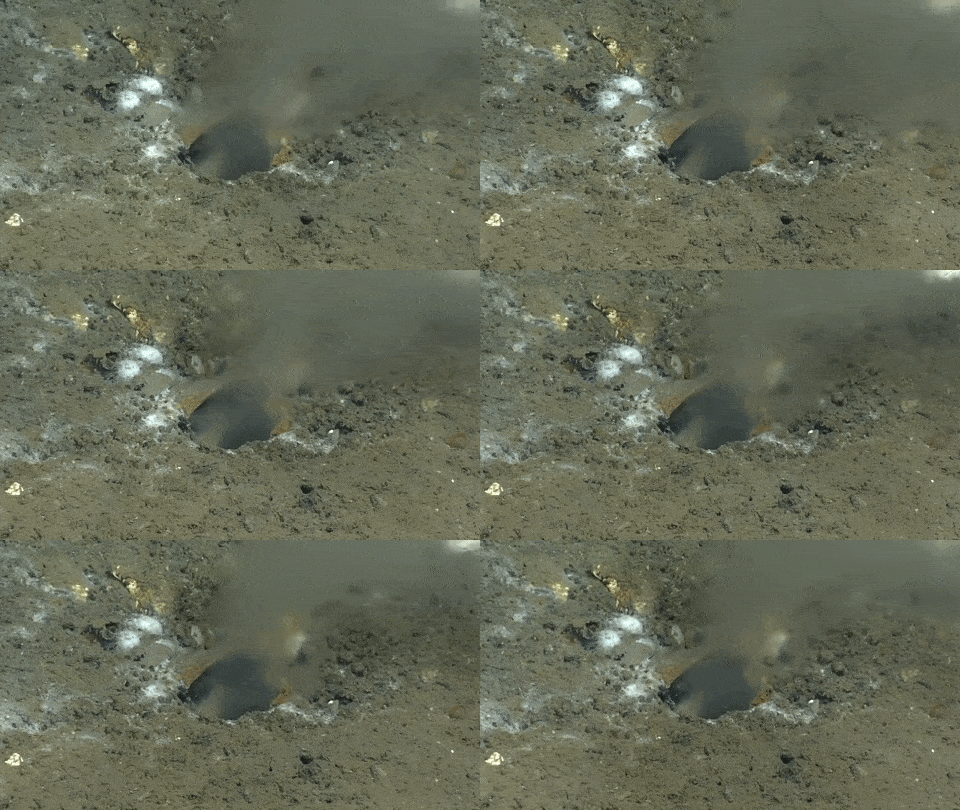
Scientists have discovered a seafloor leak, named Pythia's Oasis, 50 miles off the Oregon coast, which has been active for about 1,500 years. The leak is linked to the Cascadia fault line, but it is not a sign of an imminent earthquake. The warm, mineral-rich fluid spewing out of a 2-inch-diameter vent more than 3,000 feet beneath ocean waves is not a cold methane seep or a hydrothermal vent. Instead, it offers a unique window into the inaccessible world under the seafloor where tectonic plates meet.

science2 years ago

Seabed Lubricant Leak Raises Risk of Massive Earthquake.

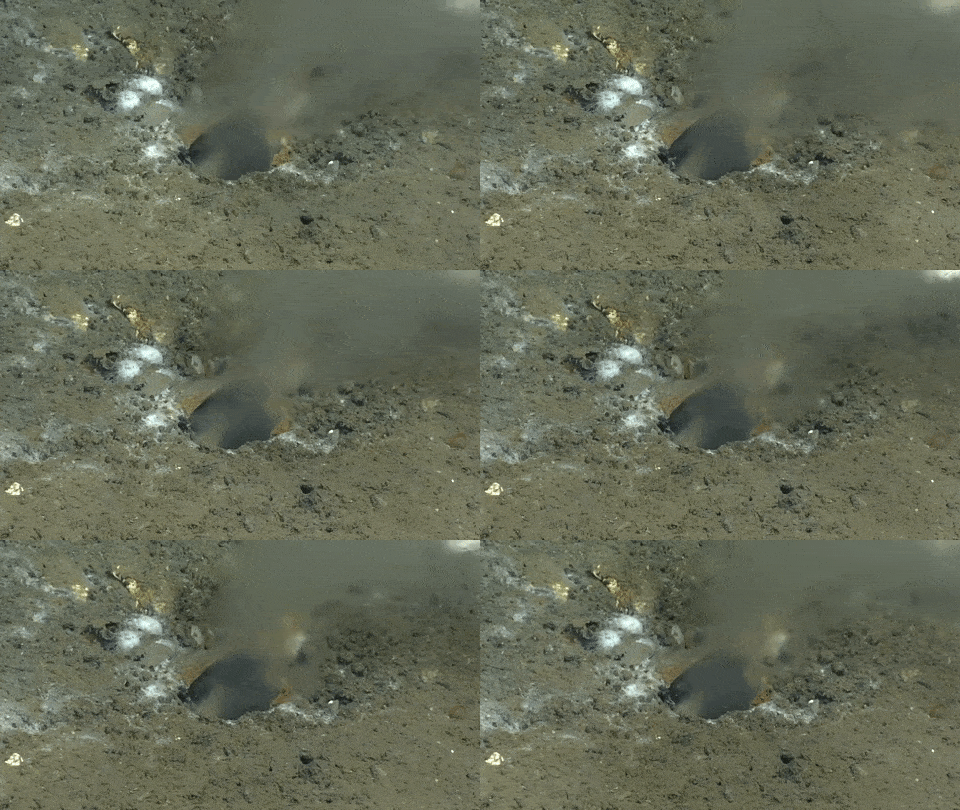
A strange warm liquid, chemically distinct from the surrounding water, is gushing out of Pythia's Oasis near the coast of Oregon, which scientists suspect could provide some hints about earthquake activity in the Pacific Northwest. The liquid is around 9°C warmer than the background temperature and contains extreme amounts of boron and lithium, but notably less chloride, potassium, and magnesium. The team suspects that this liquid plays a role in the ever-shifting tectonic activity of Earth, acting as a lubricant, reducing friction between the plates, and allowing them to glide gently against one another. However, leaking lubricant could be a concerning sign that tension between the plates is increasing, upping the potential for an earthquake to occur.

science2 years ago

US coast at risk of MEGAQUAKE due to fault line hole, warn experts.

A hole in a 600-mile-long fault line in the Pacific, known as the Cascadia Subduction Zone, could trigger a catastrophic earthquake that would decimate cities along the northwestern US. The hole spewing hot liquid sits 50 miles off the shoreline of Oregon and may be leaking 'fault lubricant' that reduces stress on two plates. The leak was first observed in 2015, but a new analysis led by the University of Washington suggests the chemically distinct liquid is 'fault lubricant.' The Cascadia subduction zone is capable of unleashing a magnitude-9 earthquake in the Pacific Northwest.

science2 years ago

Underwater Leak Sparks Apocalyptic Fears

Researchers at the University of Washington have discovered a warm liquid seeping out of the ocean floor near the Cascadia Subduction Zone (CSZ), a massive fault line stretching from Vancouver Island to Northern California. The underwater spring, called Pythia’s Oasis, might be connected to the CSZ and causing the fault line to take on more stress as it leaks. The fluid might be acting as a kind of pressure regulator between the continental plate and the ocean plate, and the more fluid that is in the cracks of the faults, the less pressure there is between the two plates as they smash into each other.

science2 years ago

Underwater Leak Sparks Apocalyptic Fears

Researchers at the University of Washington have discovered a warm liquid seeping out of the ocean floor near the Cascadia Subduction Zone (CSZ), a massive fault line stretching from Vancouver Island to Northern California. The underwater spring, called Pythia’s Oasis, might be connected to the CSZ and causing the fault line to take on more stress as it leaks. The fluid might be acting as a kind of pressure regulator between the continental plate and the ocean plate, and the more fluid that is in the cracks of the faults, the less pressure there is between the two plates as they smash into each other.

science2 years ago

Underwater Leak Sparks Apocalyptic Fears

Researchers at the University of Washington have discovered a warm liquid seeping out of the ocean floor near the Cascadia Subduction Zone (CSZ), a massive fault line stretching from Vancouver Island to Northern California. The underwater spring, called Pythia’s Oasis, might be connected to the CSZ and causing the fault line to take on more stress as it leaks. The fluid might be acting as a kind of pressure regulator between the continental plate and the ocean plate, and the more fluid that is in the cracks of the faults, the less pressure there is between the two plates as they smash into each other.