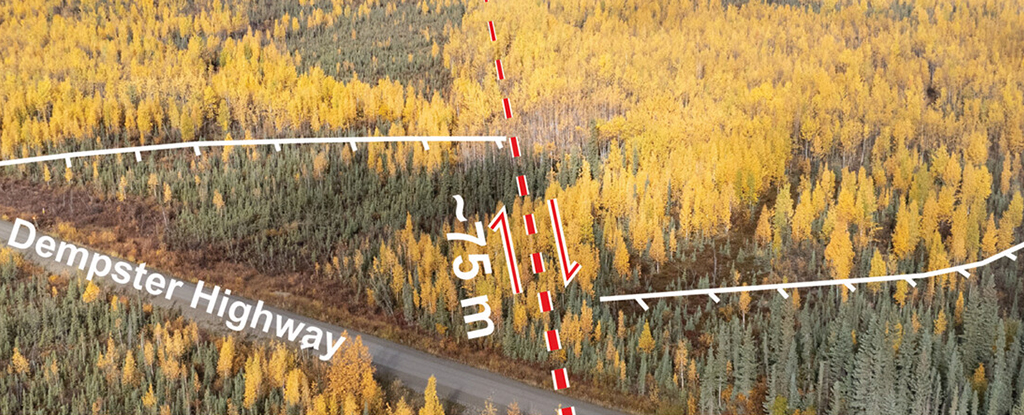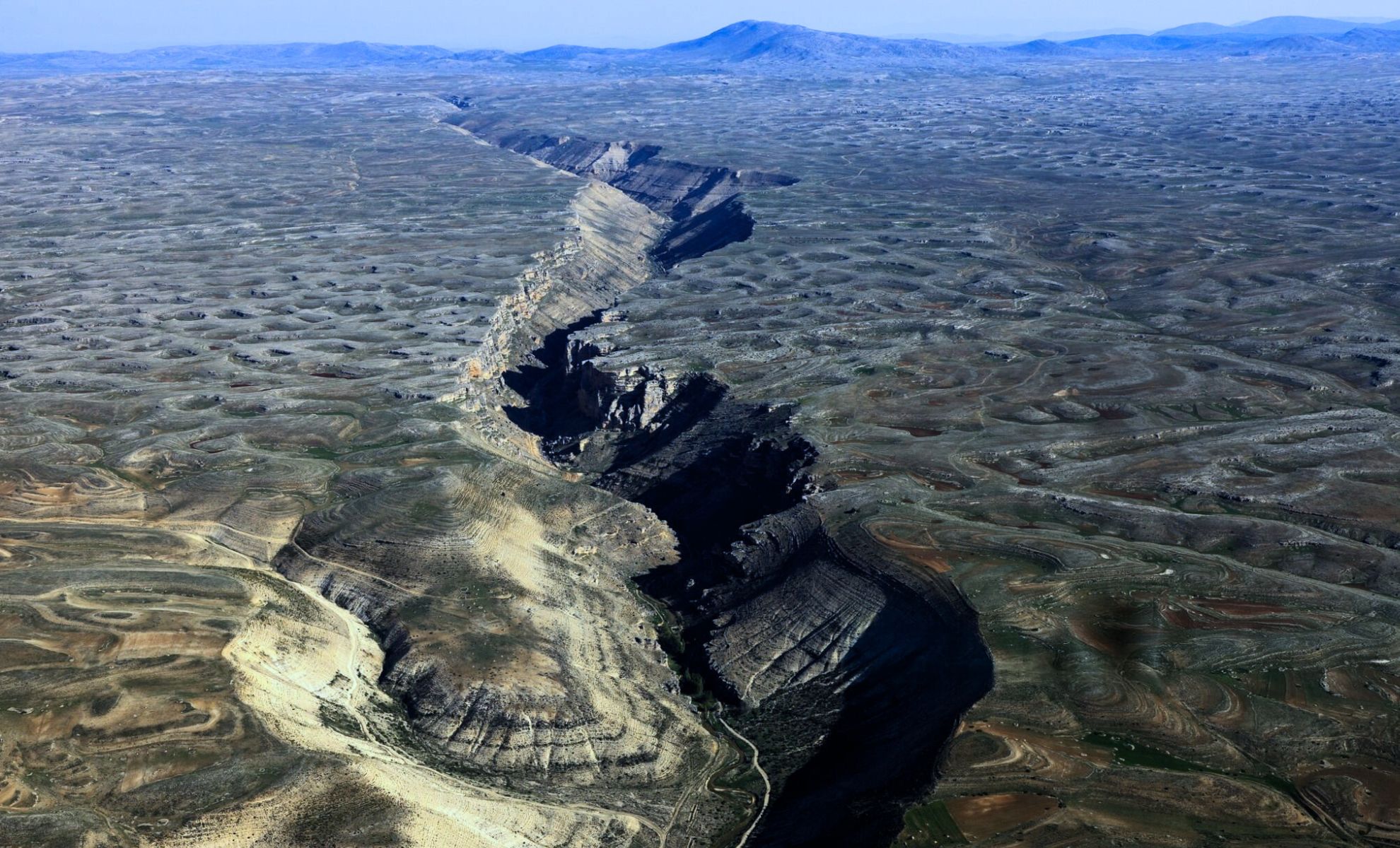
New research suggests the previously considered 'dead' Tintina fault in Canada has shown recent movement and could produce a major earthquake exceeding magnitude 7.5, indicating it may be more active than previously thought and at risk of causing significant damage.
A new study suggests that the dormant Tintina fault in northern Canada, which hasn't seen a major earthquake in over 12,000 years, may be building up pressure and could potentially trigger a significant quake of magnitude 7.5 or higher, posing a seismic risk to nearby communities like Dawson City.
Recent research reveals that the dormant Tintina fault in Canada's Yukon Territory shows signs of seismic activity, indicating it may still produce large earthquakes, potentially reaching magnitude 7.5, which could threaten regional infrastructure and safety.
A new study reveals that the Tintina fault along the Canadian border, previously thought dormant for millions of years, shows signs of recent activity and could generate a major earthquake of magnitude 7.5 or higher, posing a significant seismic risk to the region.
Scientists have identified the previously overlooked Tintina Fault beneath North America as a significant seismic threat, potentially capable of producing a magnitude 7.5 or greater earthquake, which could impact communities and infrastructure across Alaska and Canada. The fault has been quietly accumulating stress over thousands of years, with evidence of past large ruptures, yet it remains largely unmonitored and absent from hazard models, raising concerns about preparedness and risk mitigation.
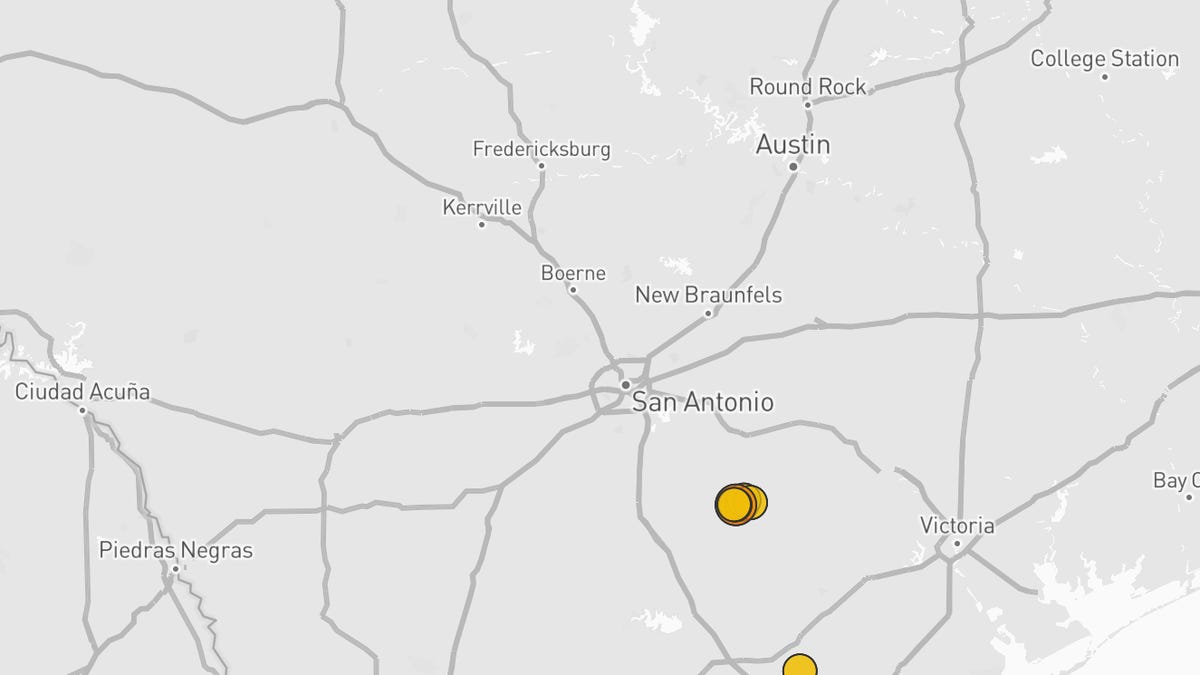
A 4.7-magnitude earthquake struck near Falls City, southeast of San Antonio, with two earthquakes felt in Austin and Round Rock. No damage was reported, and experts stated that Austin is at a low risk for earthquakes. The increase in earthquakes in Texas is attributed to oil and gas drilling, with the Balcones Fault line running through Austin.
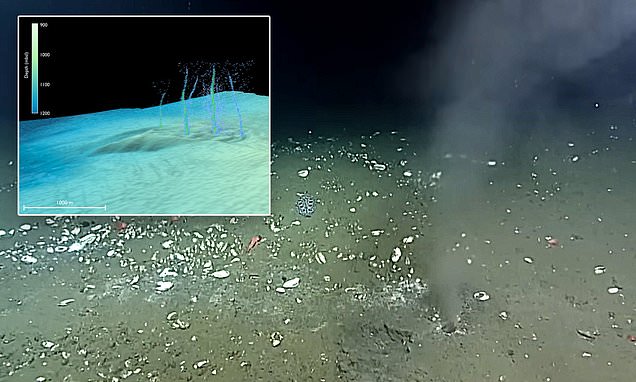
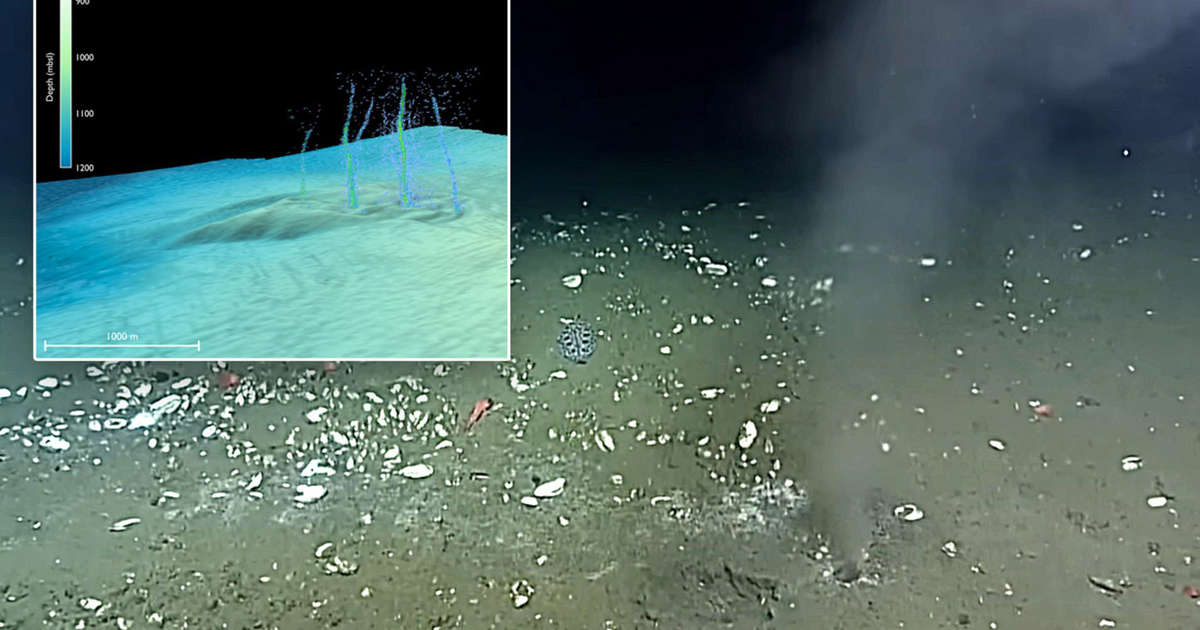
A hole in a 600-mile-long fault line in the Pacific, known as the Cascadia Subduction Zone, could trigger a catastrophic earthquake that would decimate cities along the northwestern US. The hole spewing hot liquid sits 50 miles off the shoreline of Oregon and could be the fuel the fault needs to unleash a magnitude-9 earthquake. The chemically distinct liquid is 'fault lubricant,' which allows plates to move smoothly, but without it, 'stress can build to create a damaging quake.' The Cascadia megathrust spans several major metropolitan areas, including Seattle and Portland, Oregon, but also touches parts of Northern California and Vancouver Island in Canada.
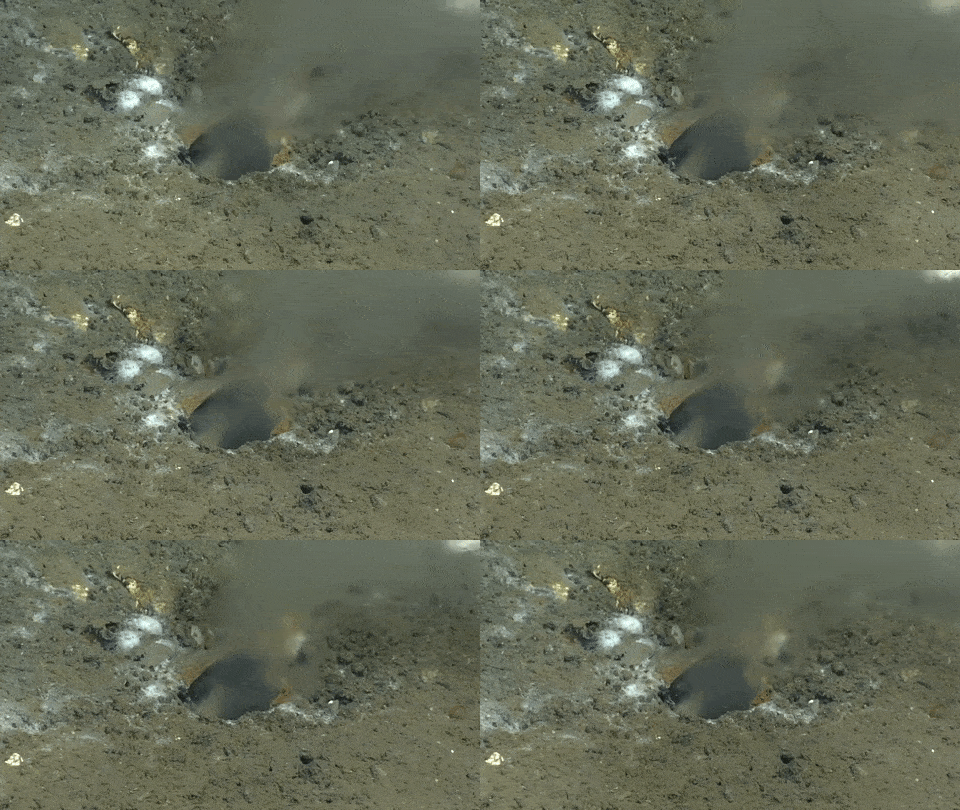
A hole in a 600-mile-long fault line in the Pacific, known as the Cascadia Subduction Zone, could trigger a catastrophic earthquake that would decimate cities along the northwestern US. The hole spewing hot liquid sits 50 miles off the shoreline of Oregon and may be leaking 'fault lubricant' that reduces stress on two plates. The leak was first observed in 2015, but a new analysis led by the University of Washington suggests the chemically distinct liquid is 'fault lubricant.' The Cascadia subduction zone is capable of unleashing a magnitude-9 earthquake in the Pacific Northwest.
Researchers at the University of Washington have discovered a warm liquid seeping out of the ocean floor near the Cascadia Subduction Zone (CSZ), a massive fault line stretching from Vancouver Island to Northern California. The underwater spring, called Pythia’s Oasis, might be connected to the CSZ and causing the fault line to take on more stress as it leaks. The fluid might be acting as a kind of pressure regulator between the continental plate and the ocean plate, and the more fluid that is in the cracks of the faults, the less pressure there is between the two plates as they smash into each other.