A systematic review of 33 clinical trials suggests that laughter therapy significantly reduces anxiety and enhances life satisfaction in adults, with large effect sizes observed, especially in laughter yoga and social interaction-based therapies, indicating potential as a therapeutic tool.
New psychology research suggests that gratitude may effectively reduce and prevent boredom by enhancing the feeling that life is meaningful. The study found a strong negative association between gratitude and boredom, with individuals feeling more gratitude tending to feel much less bored. The research also indicated that gratitude might increase the experience of meaning in life, which, in turn, reduces boredom. However, the study's design does not allow for cause-and-effect inferences, and the results were based on MTurk workers, so they may not be representative of the general population.
New research suggests that experiencing aesthetic chills, triggered by profound stimuli, can positively shift core self-beliefs in individuals with depression, offering a non-drug approach to fostering psychological well-being. The study exposed participants to videos known to induce chills and found that those who experienced chills reported significant emotional breakthroughs and improved self-acceptance. The findings hint at the potential of aesthetic chills to mimic some psychological benefits of psychedelic-assisted therapy, providing a non-invasive, easily accessible method to potentially enhance emotional well-being for individuals with depression. However, further research is needed to validate and expand upon these promising results.
A survey of 2,000 British adults reveals that 40% have gone at least three days without a face-to-face conversation, with 28% feeling lonely at social events and 25% experiencing isolation at work. Young adults and women are particularly affected, and the reluctance to discuss loneliness exacerbates its impact on confidence, anxiety, and sleep. However, bonding through shared experiences, joining communities, and seeking professional support can help combat loneliness, as emphasized by psychologist Anjula Mutanda.
Nostalgia during the holiday season can evoke both positive and negative emotions, but research shows that it has an overwhelmingly positive impact on psychological well-being. Nostalgia boosts mood, improves self-esteem, encourages connection with others, increases meaning in life, and inspires optimism about the future. The holidays trigger nostalgia because they are rooted in ritual and tradition, bringing families together and reducing anxiety and depression. Reflecting on the ease and joy of childhood holidays can be psychologically helpful, as it represents an ideal time of trust and unconditional love. Nostalgia can also provide comfort and healthy coping strategies during difficult times, reminding individuals of their resilience and the support they have received. Ultimately, nostalgia allows people to extract value from challenging experiences and move forward with optimism, creating new memories and stronger connections.
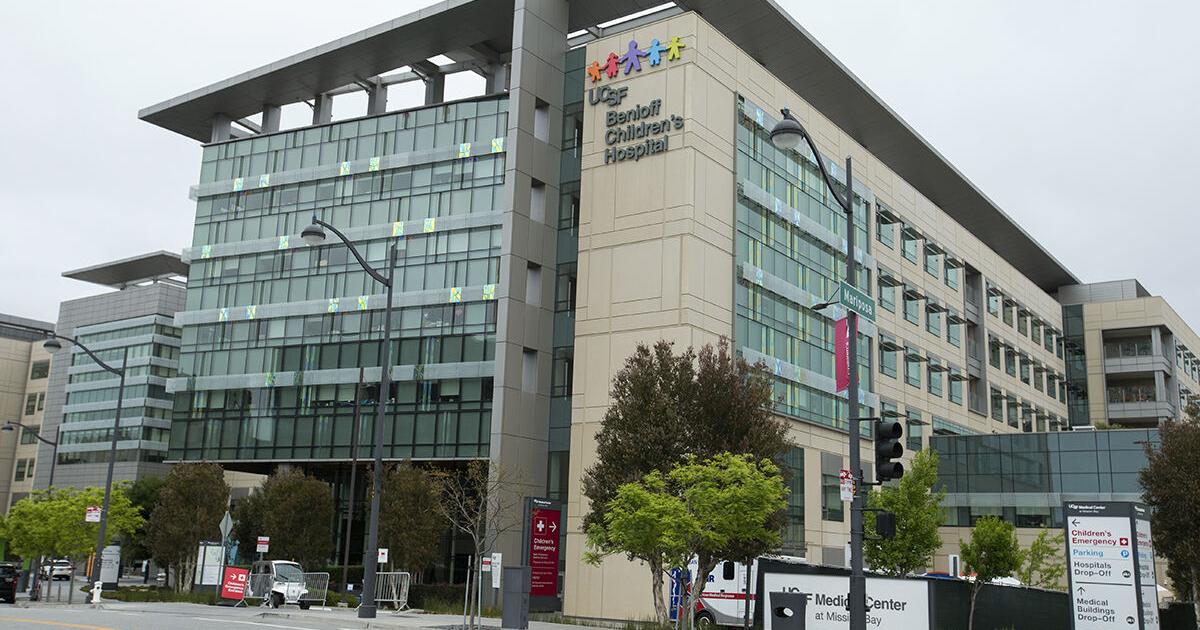
A recent study conducted by UCSF reveals that trauma can have long-lasting effects on individuals, impacting their mental health and overall psychological well-being. The study highlights the importance of addressing trauma and providing appropriate support and interventions to mitigate its lasting impact.
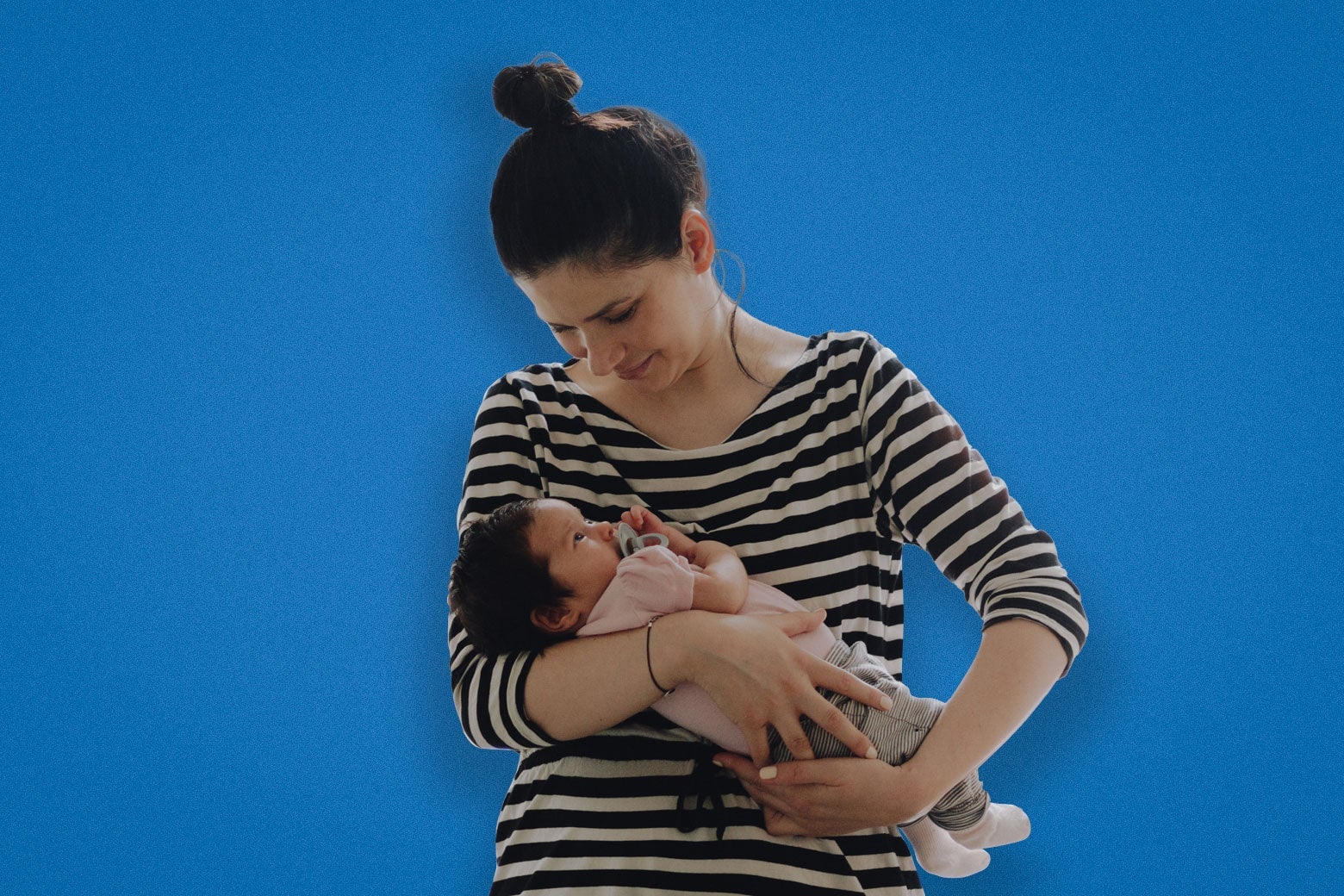
The author reflects on the inherent anxiety that comes with motherhood and the societal pressures and expectations placed on mothers. She discusses the struggle of balancing maternal instincts with rationality and the constant worry about whether she is caring too much or too little. The author argues that it is important to take maternal worry seriously and acknowledges the double bind faced by mothers. She shares her personal experience of surrendering to fear and embracing the existential weight of caring for a child, which ultimately allows her to enjoy motherhood more fully.