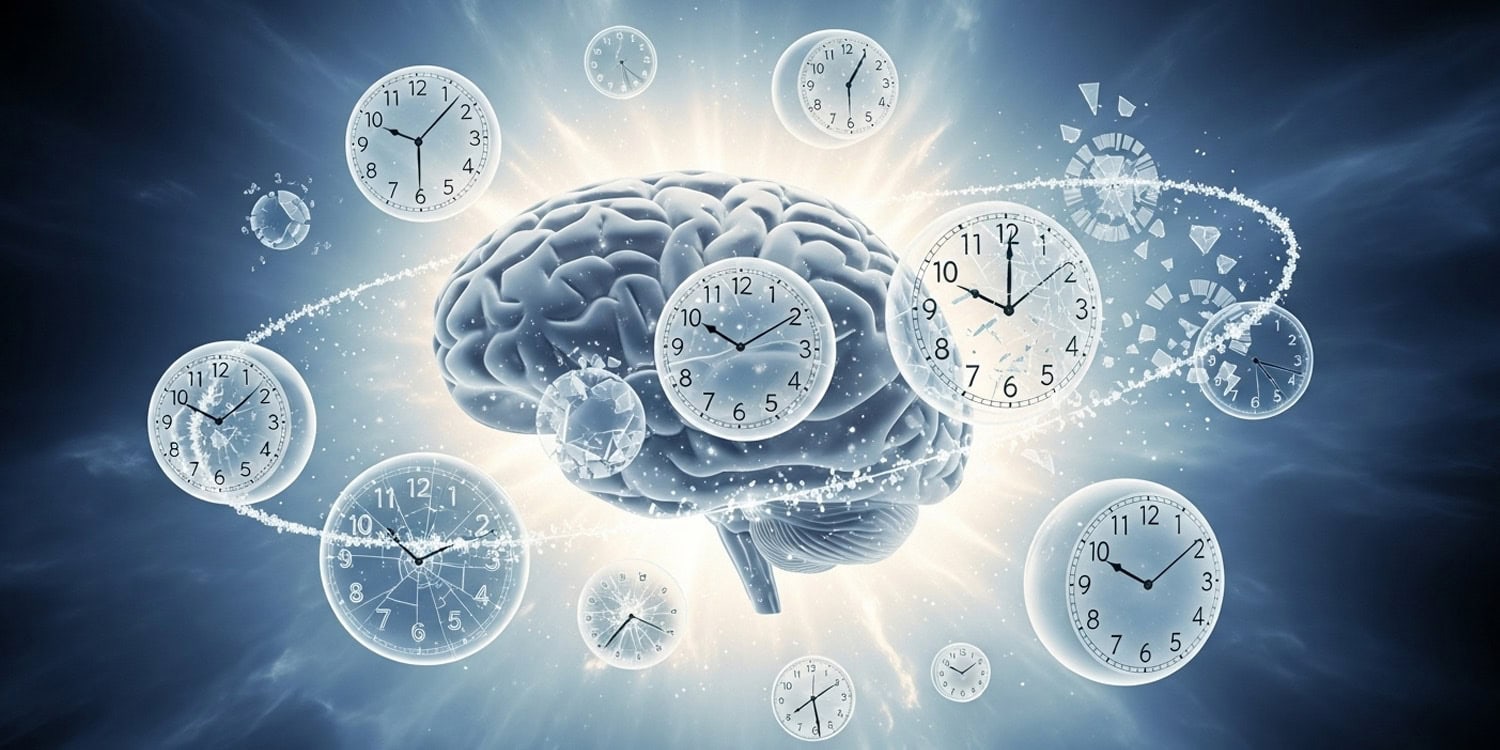
A new study reveals that repeated experiences can cause a strong illusion, making people believe the first occurrence of an event happened further in the past than it actually did, challenging traditional views on how memory strength relates to perceived recency.
In a study published in Scientific Reports, ChatGPT-4, an AI language model, outperformed human participants in tests measuring divergent thinking, a key aspect of creative potential. The AI provided more original and elaborate answers across tasks such as generating creative uses for everyday objects and imagining hypothetical situations. While the study highlights AI's creative potential, it also raises questions about the appropriateness of AI responses and the role of human agency in creativity. The findings suggest that AI is rapidly advancing in creative tasks, prompting discussions about its potential as a tool for inspiration and aiding human creativity.
The Mandela Effect refers to the phenomenon of shared false memories, such as believing Nelson Mandela died in prison or misremembering famous movie quotes. Neuroscientist Wilma Bainbridge and coauthor Deepasri Prasad conducted a study confirming that people have confident but incorrect visual memories of famous icons or characters. The researchers found no simple explanation for the Mandela Effect and concluded that future research is needed to understand its causes. Cognitive researchers suggest that people may add thematically similar details to their recollection of an image, leading to false memories. The Mandela Effect has been linked to false memory syndrome and the inability to discriminate between actual memories and imagined events. While some explanations for the Mandela Effect may have logical reasons, such as Mr. Monopoly's monocle complementing his style, other examples remain unexplained. Theories range from parallel universes to time travel, but there is no scientific evidence to support these claims.
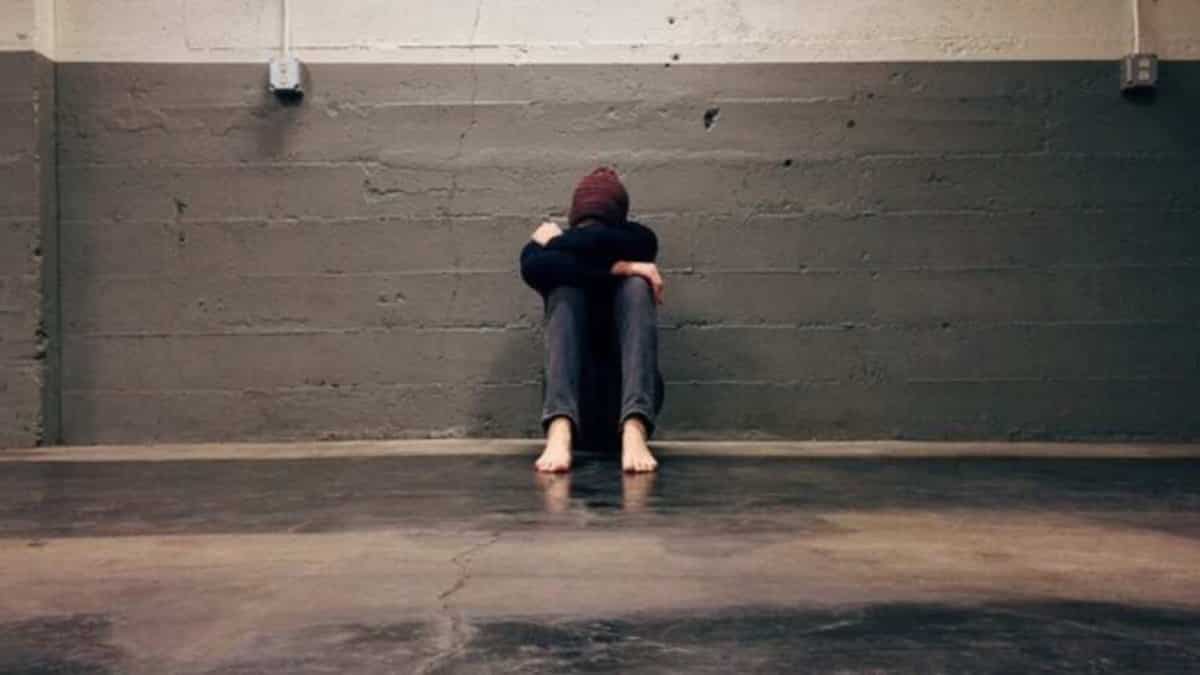
A study conducted by the University of California found that lonely people process information and perceive the world differently compared to nonlonely individuals. Neuroimaging tests were conducted on 66 young adults, and the results showed significant differences in brain activity between lonely and nonlonely participants. Interestingly, the study also revealed that lonely individuals had unique brain responses, indicating that loneliness is experienced in an idiosyncratic way. The findings suggest that being surrounded by people who see the world differently may contribute to feelings of loneliness, even in the presence of social interactions.
Researchers from the University of Vienna have found that an eight-hour period of social isolation can cause a decrease in energy levels equivalent to going without food for the same amount of time. This effect, suggesting that low energy may be a human response to a lack of social contact, was seen both in laboratory settings and during the COVID-19 lockdowns, with more sociable individuals experiencing lower energy levels during isolation. The study proposes that lowered energy may be a part of our homeostatic response to a lack of social contact and a potential precursor of some more detrimental effects of long-term social isolation.