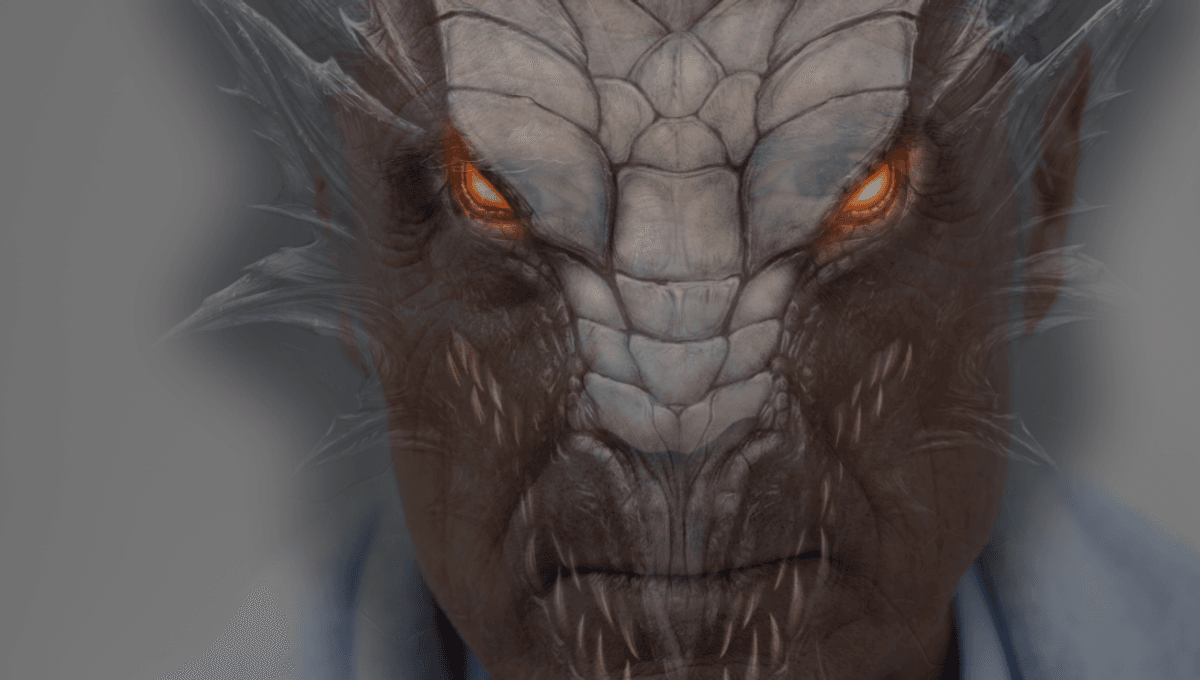
A 52-year-old woman experienced rare visual hallucinations of people as dragons due to brain lesions affecting face perception, diagnosed with prosopometamorphopsia, and her symptoms improved with medication.
Prosopometamorphopsia, also known as 'Demon Face Syndrome,' is a rare neurological disorder where individuals see faces as distorted or transformed into other images, such as dragons or zombies, often caused by brain damage affecting visual processing. The condition is extremely rare, with only around 75 reported cases, and can significantly impact perception and quality of life.
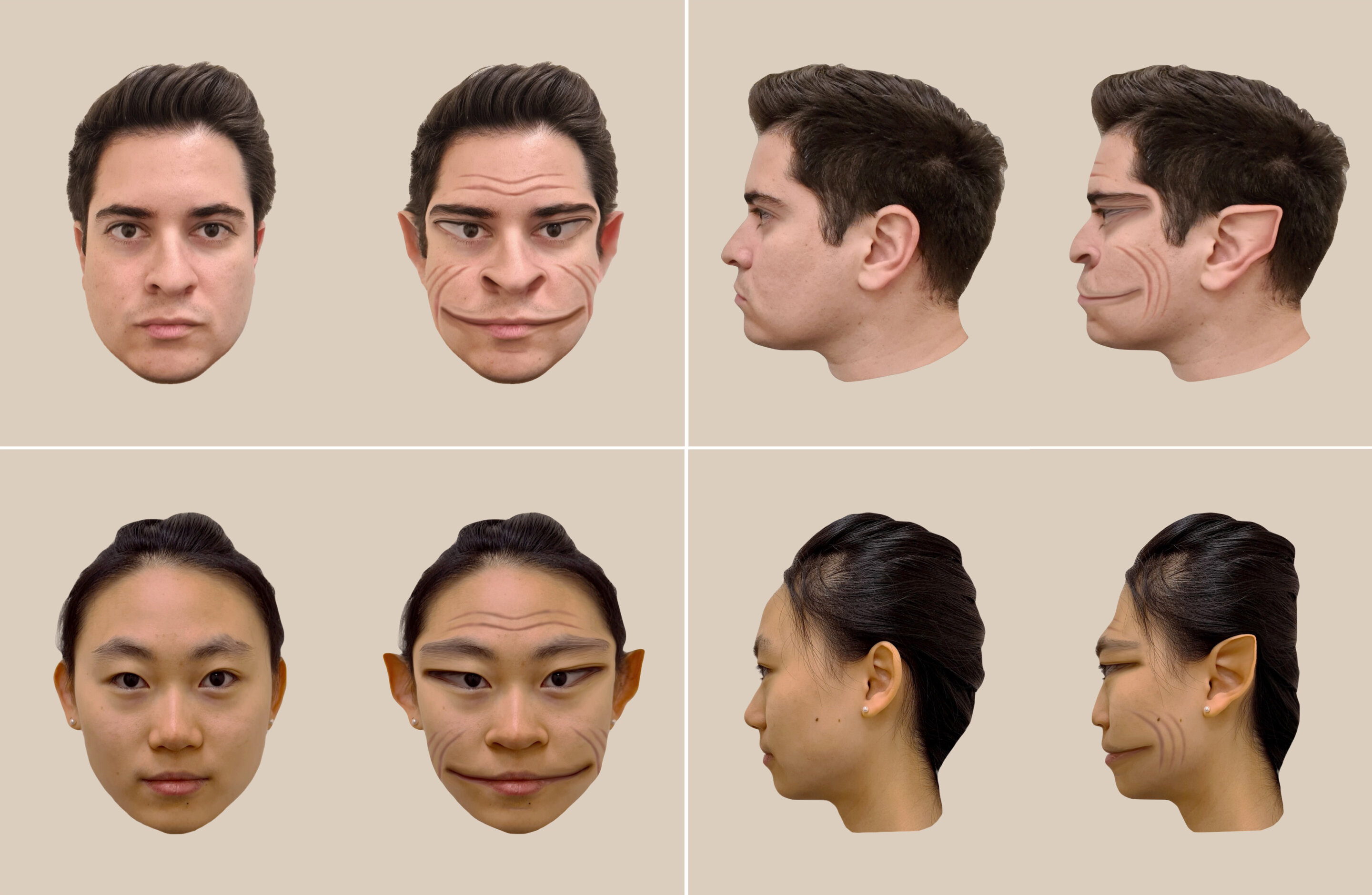
Victor Sharrah, a 59-year-old man from Tennessee, has prosopometamorphopsia (PMO), a rare neurological disorder that causes human faces to appear as demonic figures. Fewer than 100 cases of PMO have been reported since 1904, and many doctors are unaware of the condition. Researchers used Victor's case to digitally recreate distorted human faces for a scientific study, gaining new insight into the rare disorder. The disorder is linked to dysfunction in the brain network that handles facial processing, but its triggers remain unclear. Victor's symptoms are alleviated by wearing glasses with green-tinted lenses, allowing him to see faces as they really are.
Victor Sharrah, 59, has been experiencing prosopometamorphopsia (PMO), a rare condition causing him to see distorted faces resembling "demons." Researchers believe his PMO may be linked to a head injury, carbon monoxide poisoning, and a lesion in his brain. Sharrah hopes to raise awareness about PMO to prevent misdiagnoses and help others experiencing similar symptoms, as the condition is often mistaken for psychiatric disorders.
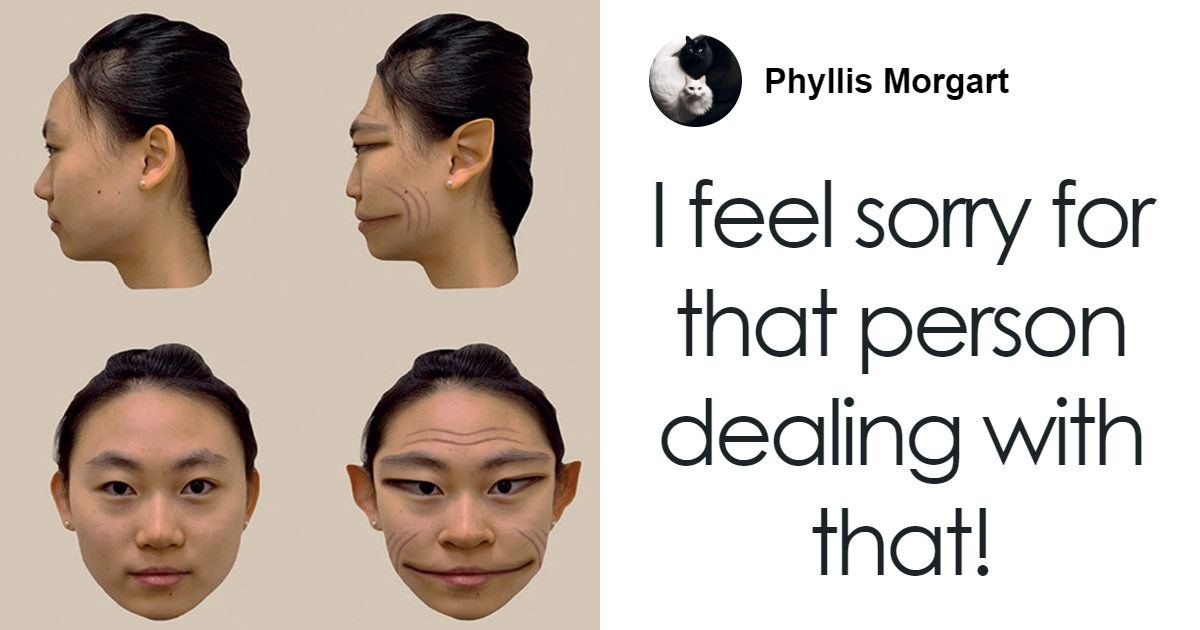
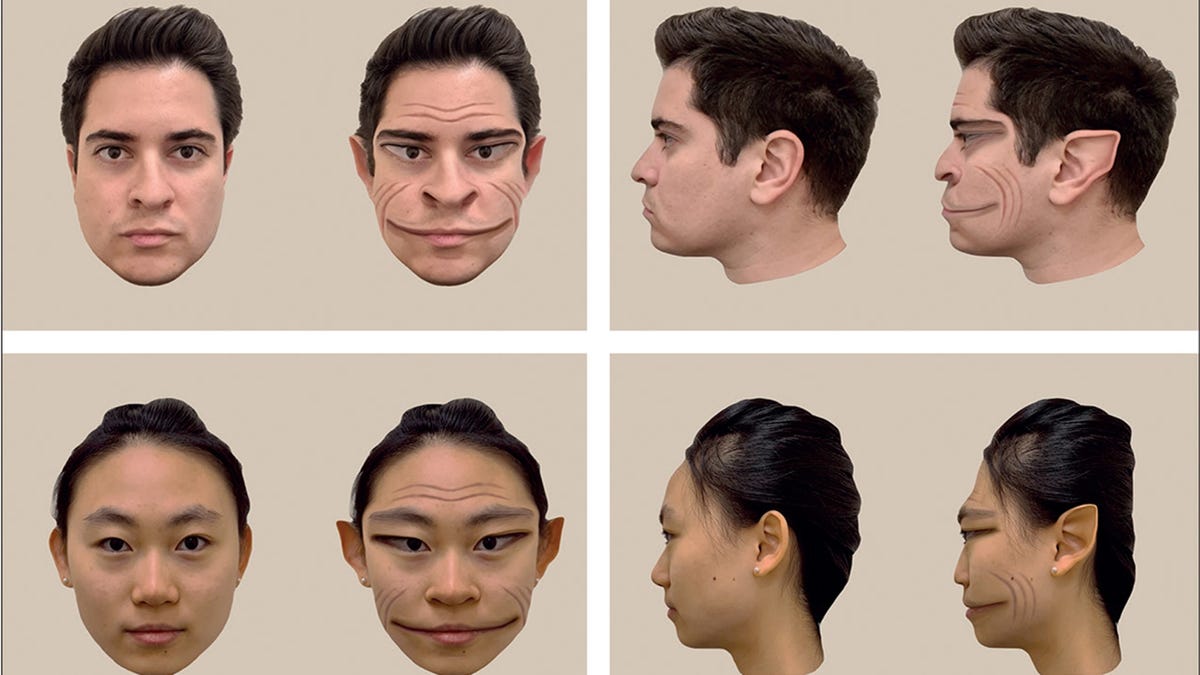
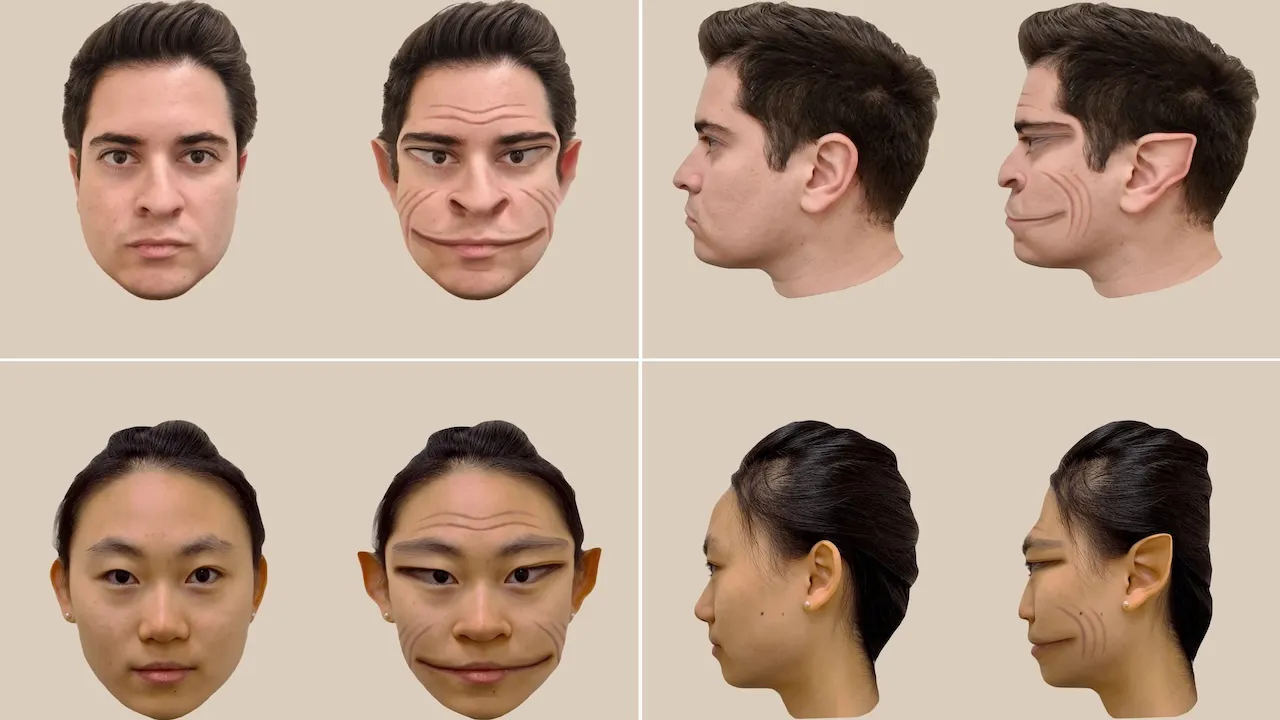
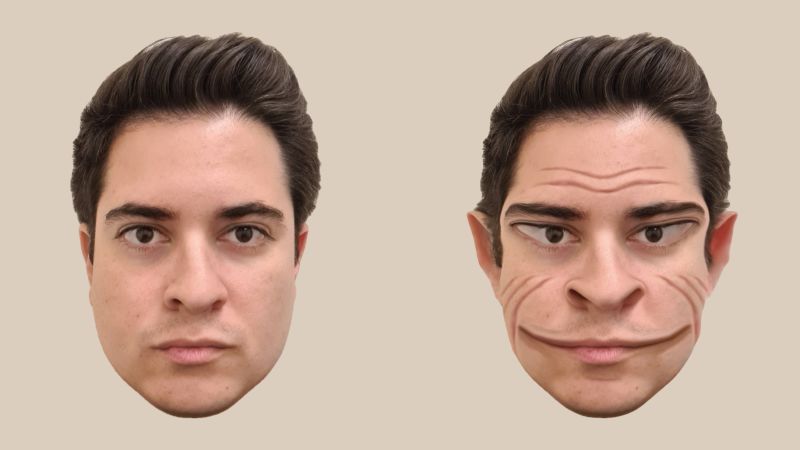
A rare condition called prosopometamorphopsia (PMO) causes facial features to appear distorted, with a recent study revealing a 58-year-old man reporting seeing faces as "demonic" for 2½ years. Despite the distortions, the patient was still able to recognize people, and researchers used computer software to visualize his real-time perception of the face distortions. PMO is a very rare visual disorder that causes visual distortions of facial features, and experts believe it may result from an injury to specific parts of facial processing networks in the brain. Treatment for PMO should be tailored to the underlying cause, and while some patients recover quickly, others may take years or show no improvement. The study aims to raise awareness of this impactful but often misunderstood condition.
Only 75 people worldwide are known to experience 'demon face syndrome', a rare neurological condition causing faces to appear warped, with potential causes including head injuries, strokes, epilepsy, and migraines. Victor Sharrah, a sufferer of this condition, described the experience as living in a "horror movie" and hopes for better understanding and treatment to prevent others from enduring the trauma he has faced.
A 58-year-old man suffers from prosopometamorphopsia, a rare neurological-visual disorder causing him to see every face as demonic, with severely stretched features and deep grooves. Researchers at Dartmouth College detailed his case in The Lancet, noting that the man didn't have delusional beliefs about the people around him. The cause is unknown, but a cyst was found in his brain, similar to other cases. There is no known treatment, and the condition may eventually go away for some, but for others, it's more or less permanent.
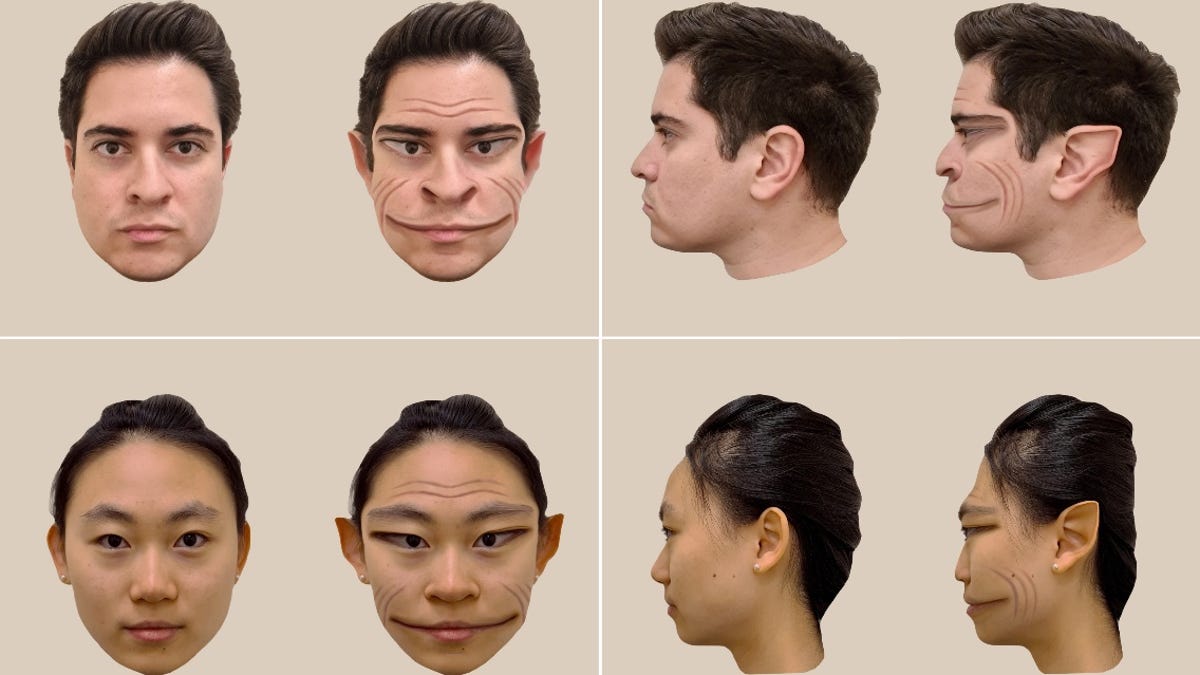
Computer-generated images provide insight into the visual distortions experienced by individuals with prosopometamorphopsia (PMO), a rare neurological disorder that affects perception of faces. A 58-year-old man with PMO reported seeing distorted and "demonic" faces, but could still recognize individuals. Researchers found no delusional beliefs associated with the distortions and created images based on the patient's descriptions. The study aims to raise awareness about the severity of PMO and was published in The Lancet journal.
A new study published in The Lancet illustrates the rare condition known as prosopometamorphopsia (PMO), which causes people's faces to appear distorted or demonic to those affected. Victor Sharrah, diagnosed with PMO, described the terrifying experience of seeing demonic faces around him. The condition, suspected to be caused by dysfunction in the brain's facial processing, has fewer than 100 published case reports, and its triggers remain unknown.
Victor Sharrah, 59, suffers from prosopometamorphopsia (PMO), a rare condition causing distorted faces, which can lead to misdiagnosis and institutionalization. With only 81 cases in published literature, PMO can be triggered by brain injury, tumor, infection, or seizures. Sharrah's collaboration with researchers at Dartmouth has led to promising interventions, such as colored lenses and symmetrical face images, to alleviate symptoms. His experience highlights the need for awareness and accurate diagnosis of this little-known syndrome.
A new study published in The Lancet presents computer-generated images of the facial distortions experienced by a 58-year-old male with prosopometamorphopsia (PMO), a rare condition causing facial features to appear distorted. Unlike most PMO cases, the patient sees distorted faces only in-person, not on screens or paper. The research aims to increase awareness of PMO and its misdiagnosis as psychiatric disorders, highlighting the need for better understanding and support for individuals with this visual perception condition.
A 58-year-old man with prosopometamorphopsia (PMO), a rare condition causing faces to appear distorted, sees demonic faces in person but normally on screens. A new study in The Lancet describes his unique case, allowing researchers to accurately visualize his distorted perceptions. PMO can last days or years and is often misdiagnosed as other disorders. The patient had a history of bipolar affective disorder and PTSD, with a small brain lesion observed. Understanding how PMO manifests can prevent misdiagnosis in the future.