A study published in Autism found that autistic adults are more prosocial towards strangers and socially distant individuals compared to non-autistic peers, with these behaviors not driven by repetitive responses or attitudes towards money, suggesting autism may be associated with increased prosociality.
A two-minute gaze-based meditation called 'Just-Like-Me' significantly enhances feelings of closeness, warmth, and prosocial behavior between strangers, with effects observed both virtually and in person, potentially through emotional and physiological synchrony.
Researchers from the University of Birmingham and the University of Oxford have identified the ventromedial prefrontal cortex (vmPFC) as crucial for prosocial behaviors, such as helping others. The study, involving patients with brain damage, revealed that damage to the vmPFC significantly reduces the willingness to exert effort to help others. This discovery could inform new treatments for social interaction disorders and enhance understanding of how to motivate people to address global challenges.
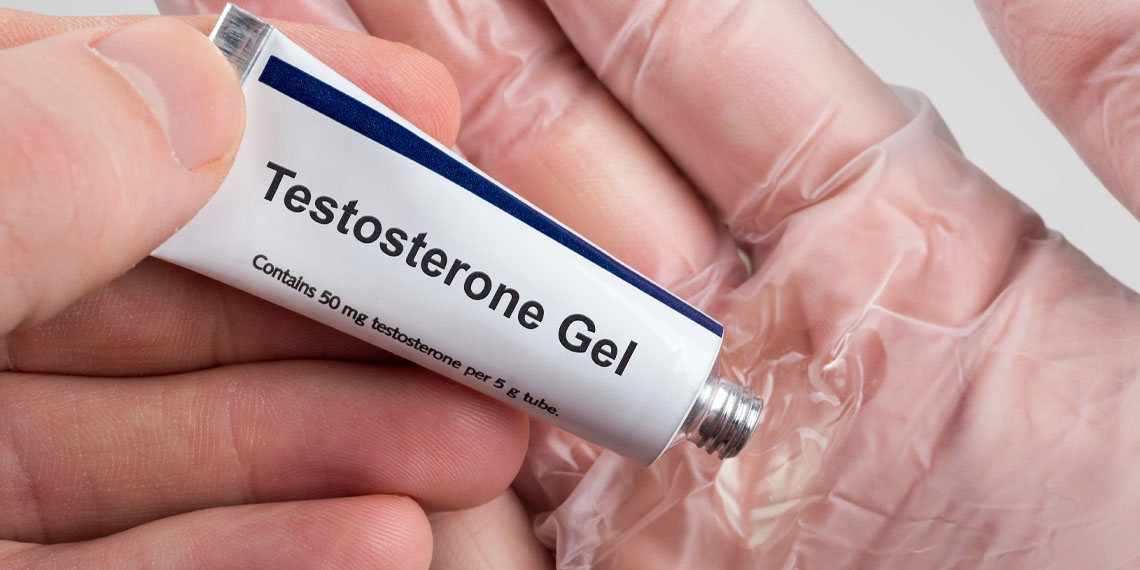
A study on healthy young men found that applying testosterone gel to their upper arms eliminated their tendency to act more prosocially when observed by others, known as the audience effect. Prosocial behavior, which includes voluntary actions intended to benefit others, is crucial for positive social interactions and community bonds. The study involved 190 men and found that testosterone administration reduced strategic prosocial learning through impairment of choice consistency, abolishing the audience effect. The findings contribute to understanding the effects of testosterone on human behavior, but the study's limitations include a predominantly student sample and a fictional task, which may not reflect real-world behavior across different demographics.
A recent study conducted in Switzerland highlights the significant role of parental involvement in shaping adolescent development. The research found that parental engagement, including open communication and support, increases prosocial behavior in teens but does not necessarily decrease internalizing problems like anxiety and depression. The study challenges previous assumptions by revealing a two-way relationship between prosocial behavior and internalizing problems. Additionally, the findings emphasize the importance of parental involvement throughout adolescence and its positive impact on self-control development. However, the study's limitations, such as its focus on a specific cultural context and reliance on self-reported data, suggest the need for further research in diverse populations using alternative data collection methods.
A study involving over 10,000 children has highlighted the significance of nurturing warm and close relationships between parents and children in their early years. The research found that such relationships not only promote prosocial behavior in children but also protect against mental health difficulties as they grow. The study suggests that high-quality parent-child interactions, characterized by increased closeness and reduced conflict, are significant protective factors against mental health symptoms while fostering increased prosociality. On the other hand, physical and psychological maltreatment in parent-child relationships had detrimental effects, leading to greater mental health difficulties and reduced prosociality in children.