Colorado lawmakers have approved equal Taxpayer's Bill of Rights (TABOR) refunds for taxpayers in the next round of refunds, following the rejection of Proposition HH. The refunds, estimated to be around $847 for single filers and $1,694 for joint filers, will be distributed equally regardless of income levels. However, the passage of a bill to expand the earned income tax credit may lower the amount paid in TABOR refunds to around $800. This is a departure from the normal system, where refunds were based on income levels, with higher earners receiving more.
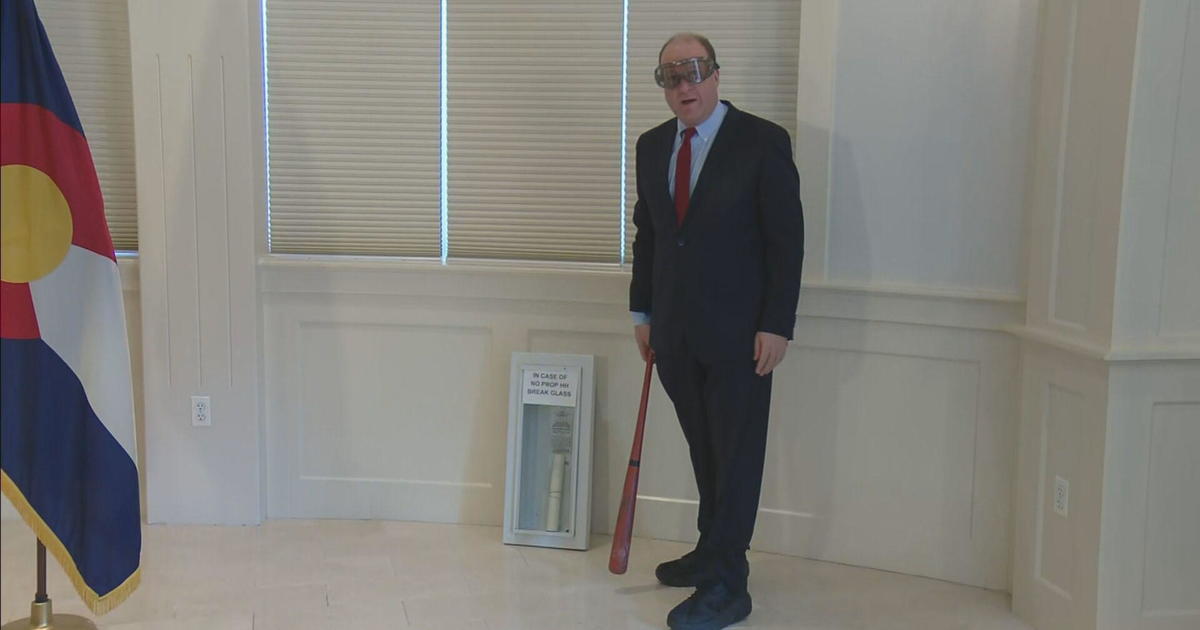
Colorado Governor Jared Polis has signed a property tax relief bill into law after a four-day special session. The bill, sponsored by Democrats, increases the exemption for homeowners from $15,000 to $55,000, providing over $400 million in tax relief. Republicans had their own plans, but the Democrats had the votes. The legislation also establishes a commission to study the issue of property tax increases in the long term. The bill aims to protect funding for local services such as public safety departments, schools, and libraries.
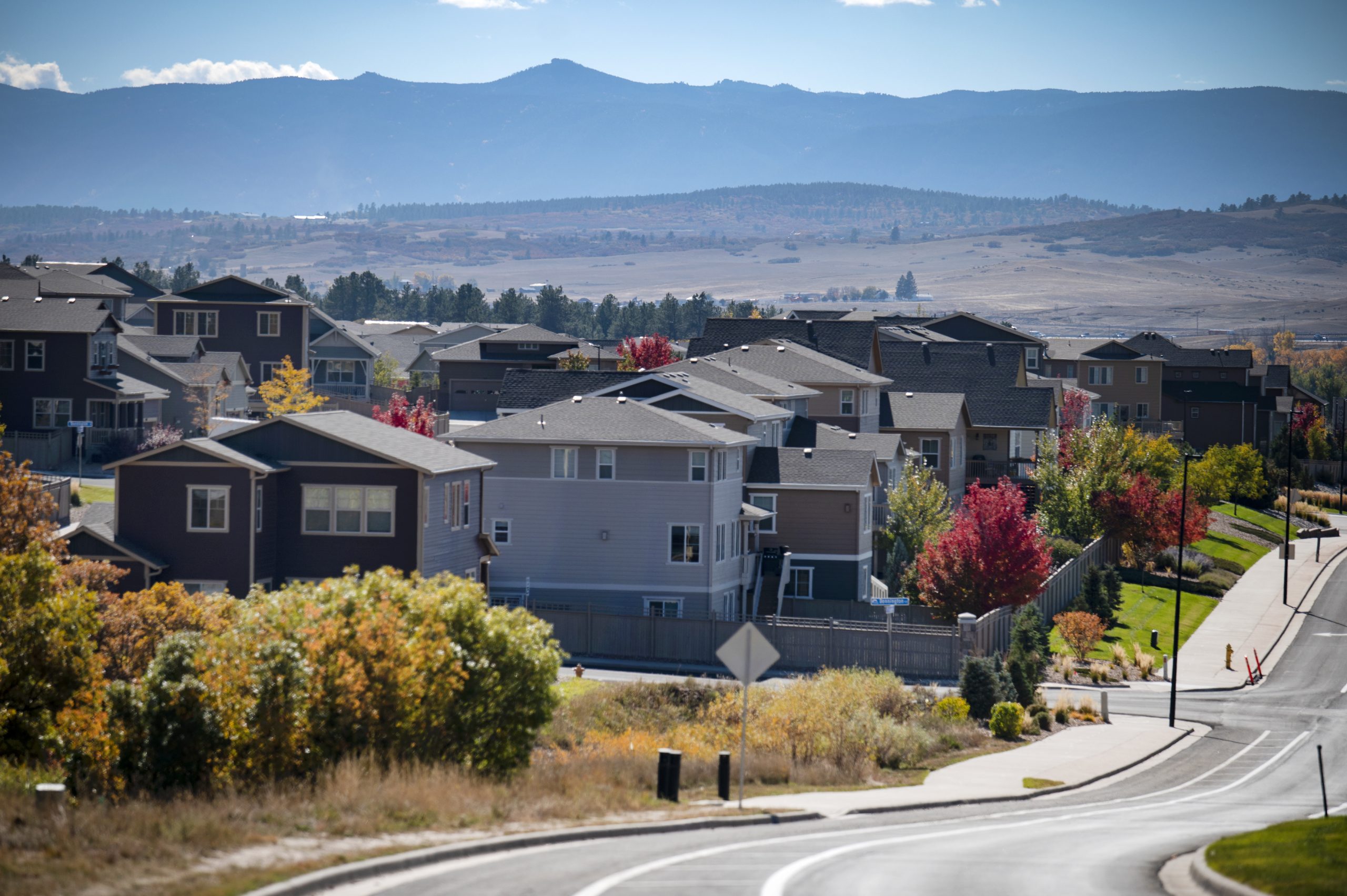
Colorado Democrats are nearing the completion of their property tax relief plan, with two bills already heading to Governor Jared Polis for signing. The bills aim to provide economic aid to lower-income Coloradans and address housing and cost issues for homeowners and renters. Republicans have criticized the Democrats for not offering enough property tax relief and for including other bills unrelated to property taxes. The primary tax relief bill, which would decrease a home's value for taxation purposes, has cleared the Senate and is advancing through the House. Democrats argue that the relief plan is a compromise, while Republicans believe more relief should be provided. The funding for the property tax cuts is expected to come from the general fund, not the state's TABOR surplus. Other bills, including rental aid and a task force for long-term property tax solutions, are also expected to pass.
Gov. Jared Polis has called a special session of the state legislature in response to the rejection of Proposition HH by Colorado voters. He is urging lawmakers to produce a property tax relief plan before December to prevent homeowners from facing record increases. Polis wants the legislature to pass a bill providing relief for the upcoming tax year and establish a task force to address rising property taxes in the long term. He believes Prop HH failed due to its complexity, while Republican Rep. Lisa Frizell argues that the tax relief it offered was too modest. The special session is set to begin on November 17th.
Colorado voters rejected Proposition HH, a property tax relief and education-funding measure pushed by the state's Democratic leaders. Over 60% of voters rejected the measure, which aimed to address large property tax increases expected next year. The defeat marks the second time in four years that voters have rejected attempts by state Democrats to raise spending limits under the Taxpayer's Bill of Rights. Supporters argued that the measure would provide relief from property tax increases and boost education funding, while opponents saw it as an end-run around the TABOR amendment. The outcome leaves uncertainty about the pathway forward for property tax relief in the state.
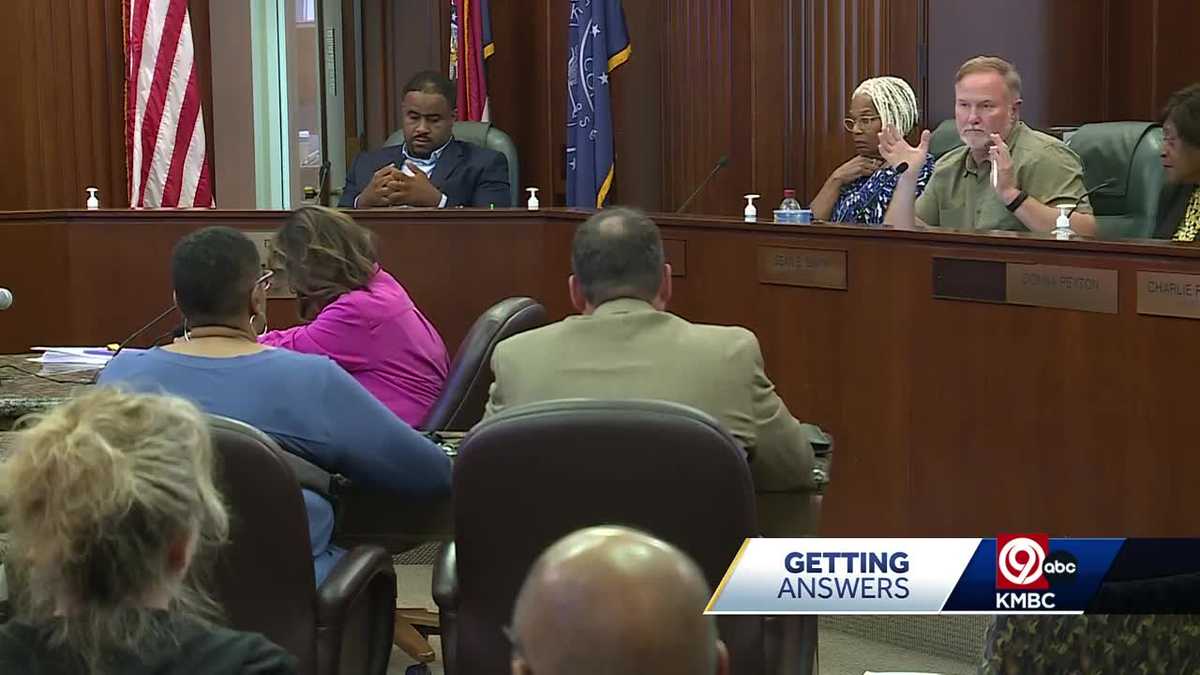
The Jackson County Legislature rejected a measure to provide tax relief for seniors this year in response to significant property assessment increases. The measure was defeated by an 8-1 vote, with concerns raised about the county's ability to implement the relief quickly. The legislature did send a measure to committee to explore potential relief for seniors next year. Many seniors spoke about the hardships they face due to the 2023 assessments, with some experiencing substantial increases in property values. The county assessor acknowledged faults in the assessment process but attributed them to her office rather than the technology provider, Tyler Technologies. There have been calls to revert to 2021 assessments due to the flawed process.
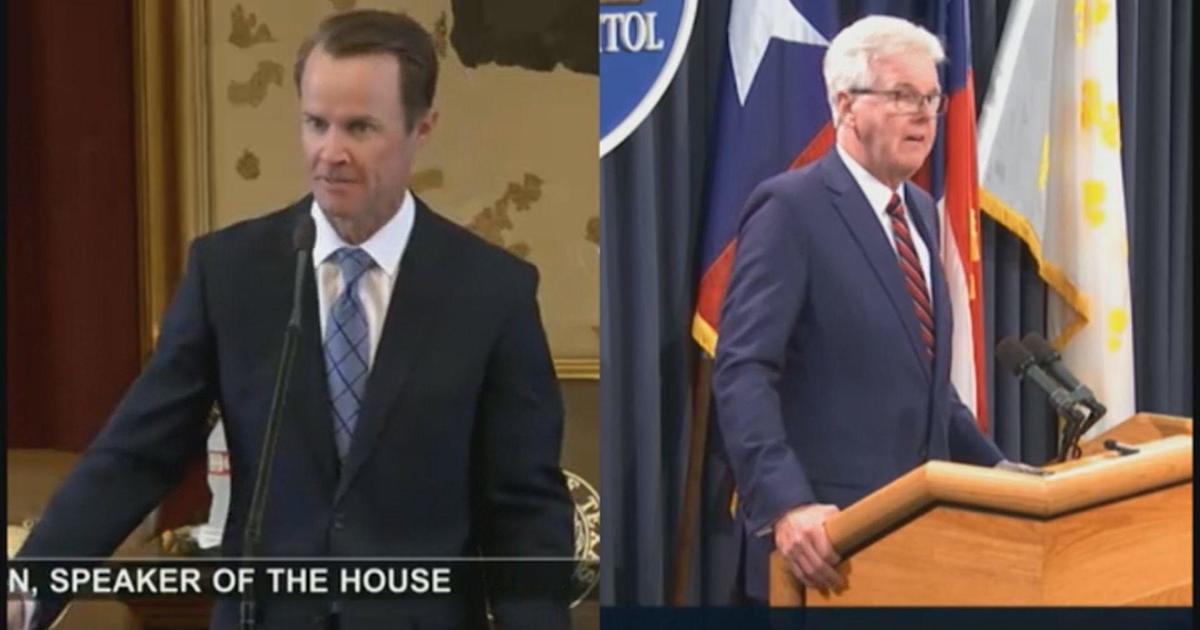
Texas Lt. Gov. Dan Patrick and House Speaker Dade Phelan have reached an agreement on proposed legislation that would deliver the largest property tax cut in Texas history. The $18 billion tax cut package includes reducing the school property tax rate, raising the homestead exemption, implementing a circuit breaker on appraised values for certain properties, and providing savings on the franchise tax for small businesses. The compromise has received support from Gov. Greg Abbott, and the proposed legislation is expected to be submitted later this week.
Texas Senate and House leaders have reached an $18 billion deal for property tax relief, the largest in the state's history. The proposed legislation includes reducing the school property tax rate, providing a $100,000 homestead exemption for all homeowners, implementing a 20% circuit breaker on appraised values for non-homesteaded properties valued at $5 million and under, and offering savings on the franchise tax for small businesses. The bills will be filed this week with the goal of passing them soon. The deal comes after a months-long stalemate between the House and Senate, prompting a second special session called by Governor Greg Abbott.
Texas lawmakers are currently debating property tax relief, but it remains unclear whether renters will benefit. Democrats have proposed a tax-cut package that includes cash refunds for renters, equal to 10% of the rent they paid the previous year. However, GOP lawmakers have largely focused on providing relief to homeowners and businesses. While some argue that tax cuts could indirectly benefit renters by reducing landlords' property taxes, experts say it's unlikely that rents will decrease as a result. Renters in Texas face rising costs of living, with rents surging during the pandemic, and advocates argue that more needs to be done to address housing affordability.
New Jersey Governor Phil Murphy signed a $54.3 billion budget, which includes a new property tax relief program for senior citizens called StayNJ. The program provides tax credits worth half a senior's property tax bill up to $6,500 for incomes up to $500,000. The budget also includes doubling the child tax credit, a full pension payment, and an $8.3 billion surplus. The budget does not extend the corporate business tax surcharge, but allocates $892 million in federal pandemic relief funds and $2 billion for the ANCHOR property tax relief program.
The Texas Senate passed a new property tax relief bill that promises a record amount of property tax relief, providing a total of $18 billion in property tax relief. The bill increases the homestead exemption for most homeowners to $100,000 and for homeowners over 65 to $110,000, providing savings of nearly $2,600 dollars to most homeowners for the first two years and nearly $3,000 in savings for the first two years for homeowners over 65. The bill also doubles the business franchise tax exemption to nearly $2.5 million. The bill now needs to be approved by the Texas House, which has its own legislation.
A Denver judge rejected a lawsuit filed by conservative fiscal activists and GOP-led counties to block a 10-year property tax plan formed by Gov. Jared Polis and Democrats in the legislature from going before voters in November. Proposition HH was placed on the November ballot through a bill passed by the legislature in May. It's meant to respond to massive increases in Coloradans' property tax bills starting next year caused by a sharp spike in property values. The plaintiffs in the lawsuit plan to appeal the decision directly to the Colorado Supreme Court.
Colorado Governor Jared Polis signed Senate Bill 303 into law, which will provide property tax relief to homeowners and non-residential property owners over the next decade. The bill will also allow older Coloradans who downsize to keep their homestead exemption. The tax relief plan will be on the November ballot as Proposition HH, which is designed to lower property tax rates for the next 10 years. The bill also addresses how commercial property is taxed in the state and streamlines the appeal process.
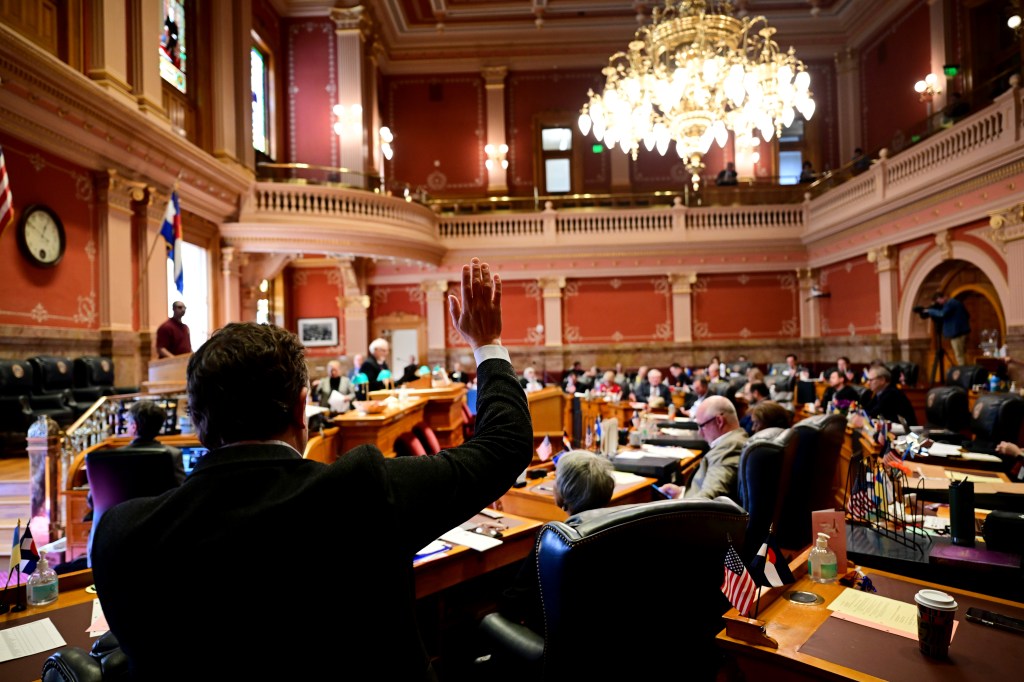
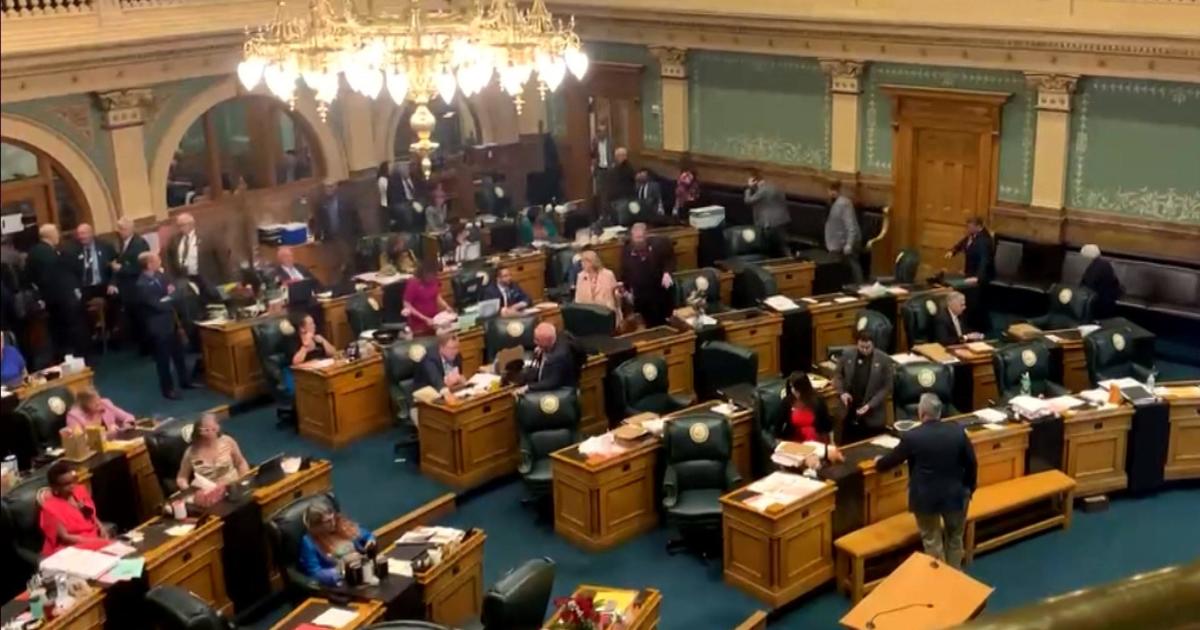
Republicans staged a walkout at the Colorado State Capitol after Democrats used an obscure rule to shut down debate and call a vote on a property tax relief bill. The bill needs voter approval and Democrats tied it to a bill changing how refunds are distributed so lower income earners get more money if they pass the property tax relief measure, which will be Proposition HH on the November ballot. Republicans were prepared to run the clock out on the bill, saying it would essentially eliminate refunds under Taxpayer Bill of Rights and use the money instead to backfill lost revenue to special districts and local governments.