
Experts warn against common exercising errors that can lead to injuries. One mistake is doing too much, too soon, which often results in injury or quitting. Using proper form is crucial to avoid strain on muscles and ligaments. Hanging on or leaning over handrails on treadmills and elliptical machines is a common example of bad form. Having an incorrect seat height while cycling can cause knee or lower-back pain. Runners should be cautious of overstriding and poor gait, which can lead to stress- and joint-related issues. Overtraining, performing the same motions repeatedly, can fatigue the body and increase the risk of injury. It is recommended to start slow, mix up routines, and seek professional guidance for proper exercise techniques.
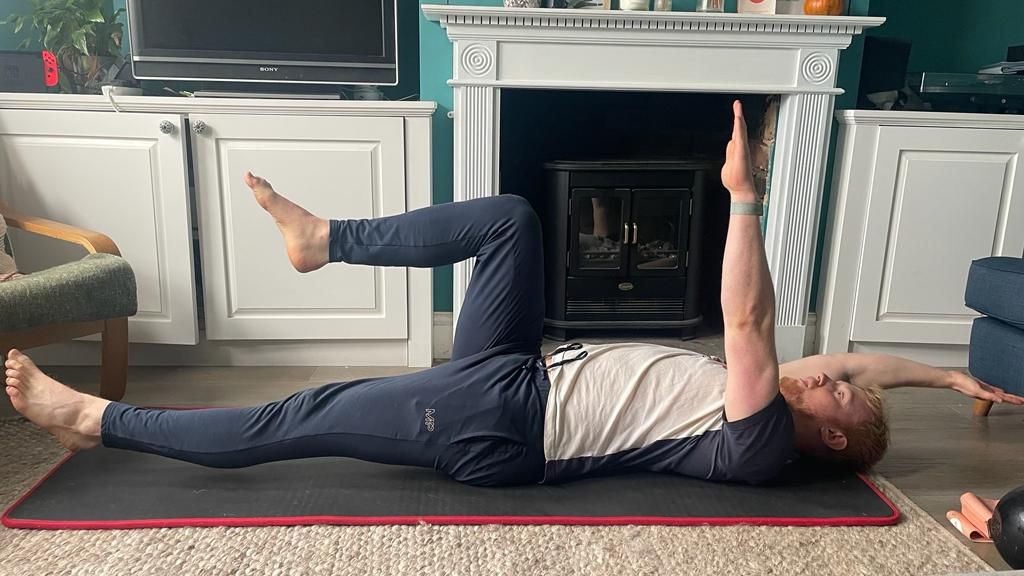
Physical therapist Aaron Horschig suggests a different approach to performing the dead bug exercise for improved core stability and prevention of lower back pain. Rather than pulling the belly button in and flattening the lower back, Horschig advises maintaining a truly neutral spine with a slight curvature in the lower back. He recommends using a hand underneath the lower back and practicing diaphragmatic breathing to ensure proper form and engagement of core muscles. Various dead bug variations, such as the standard, weighted, and banded versions, are also suggested for added challenge.
Deadlifts are a popular weight-training exercise that targets multiple major muscle groups at once, making them an effective addition to workout routines. They promote grip strength, increase tolerance for additional weight-training exercises, and improve strength, mobility, and flexibility for everyday movements. Proper form and technique are crucial to avoid injury or strain. Deadlifts work the glute muscles, hamstrings, core muscles, erector spinae, quadratus lumborum, trapezius, and arm and hand muscles. Seeking professional assistance may be wise for those unsure about proper execution.
Pigeon pose is a hip-opening yoga pose that can reduce lower back pain, increase hip flexibility, and reduce tightness throughout the lower body. It can be modified for yogis of all levels and abilities, but proper form is important to avoid injury. Pigeon pose benefits include improved hip mobility, relief of lower back pain and sciatica, and improved posture. Common mistakes include forcing the front shin to be parallel to the mat and ignoring the back leg. Modifications and progressions are available to make the pose easier or harder. It's best to warm up with other hip-opening poses before attempting pigeon pose.