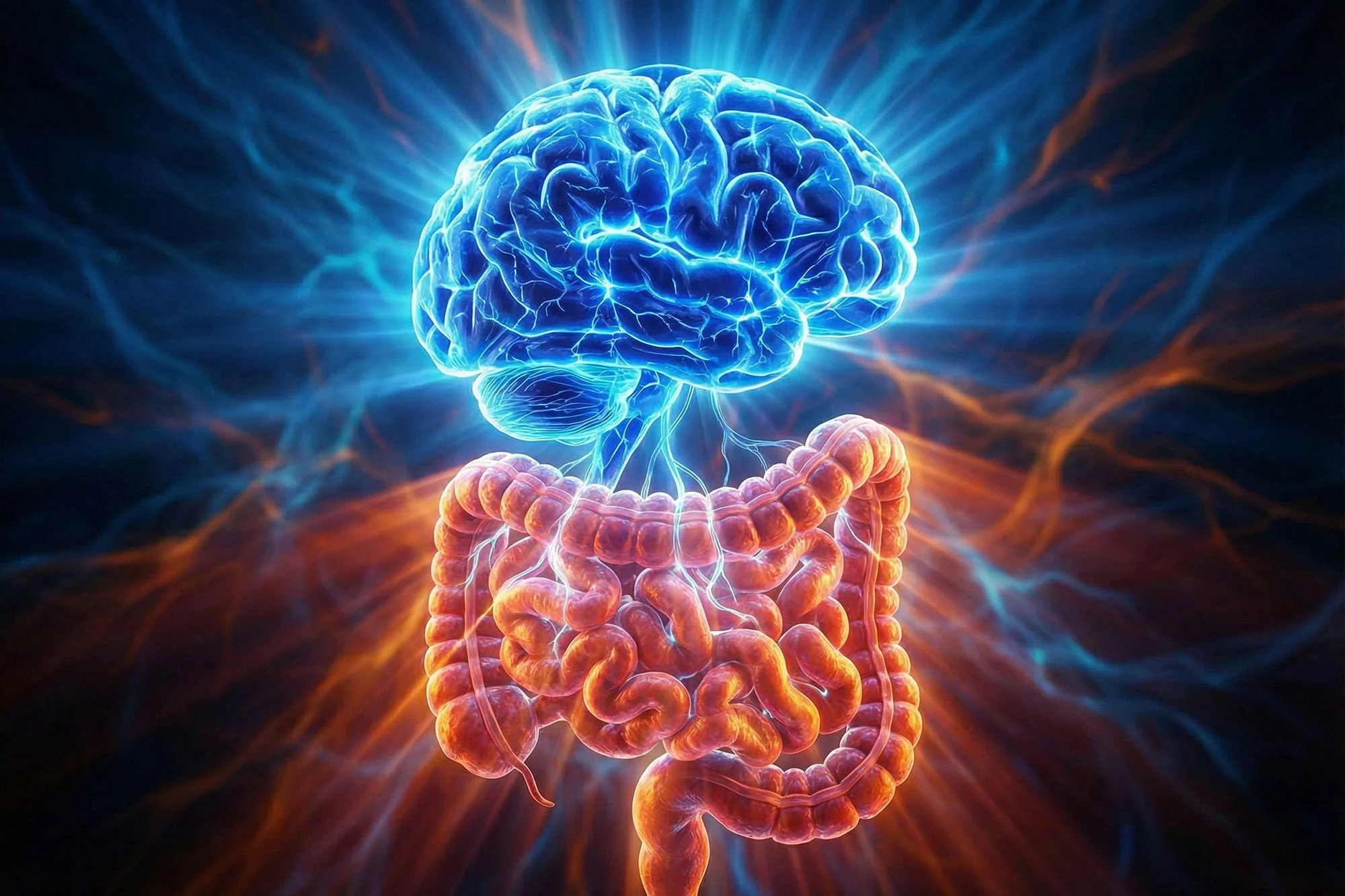
New research indicates that gut microbes influence brain function and evolution, with experiments showing that transferring microbes from primates with different brain sizes to mice alters brain activity and gene expression, potentially impacting cognitive traits and mental health conditions.
A study from Northwestern University found that gut bacteria from different primates can influence mouse brain activity to resemble that of humans and other primates, suggesting microbes play a role in brain evolution and development, and may impact neurodevelopmental disorders.
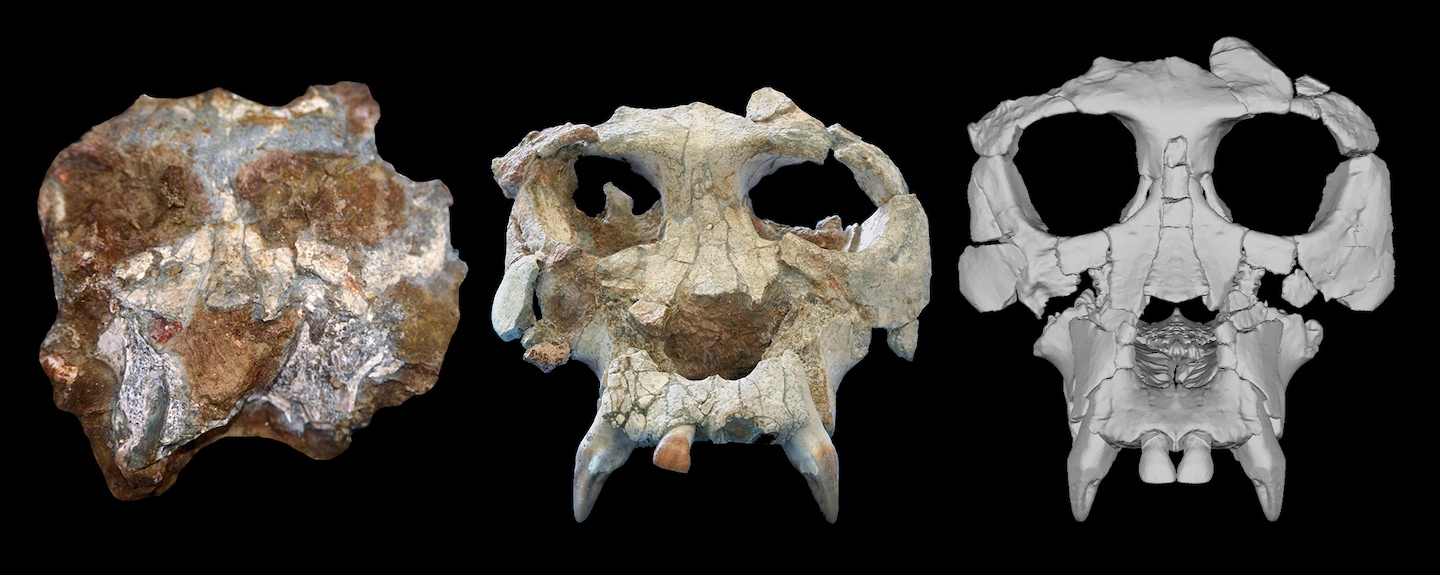
Scientists have reconstructed the face of a 12 million-year-old great ape called Pierolapithecus catalaunicus using advanced X-ray imaging technology. The three-dimensional image provides insights into primate evolution and may offer clues about human origins. The great ape had a mix of physical characteristics, some shared by living primates and others by extinct species. The reconstruction reveals a mosaic of features, including a face similar to modern great apes and shorter hands like those of monkeys. The research sheds light on the changes that have occurred over millions of years of ape evolution.
Researchers from Dartmouth propose that the ability of humans to freely move their shoulders and elbows originated as a natural braking system for primate ancestors descending from trees, a behavior known as "downclimbing." Through an analysis of climbing techniques and limb structures in chimps and mangabeys, they found that the unique limb flexibility in apes and early humans allowed them to descend safely, which eventually facilitated evolutionary advancements in tool use and hunting techniques. The study highlights the significance of downclimbing in the evolution of apes and early humans and sheds light on the role of limb mobility in human anatomy.
Masturbation may help protect against sexually transmitted infections by flushing out the genital tract, at least in male primates, according to new research. The study amassed the largest ever database of masturbatory instance records across 105 primate species and found that masturbation is an ancient trait within the primate order. The researchers found "strong evidence for coevolution between masturbation and pathogen occurrence in males", pointing to a secondary theory for why masturbation is common – to flush microorganisms that cause disease out of the genital tract. Masturbation is also more common in males of larger primate species that can't reach down to orally groom their genitals.