The European Commission fined Gucci, Chloé, and Loewe a total of €157 million for anti-competitive practices involving price fixing and restricting retailer pricing freedom, aiming to protect consumer choice and competition in the EU market.
China has accused Nvidia of violating anti-monopoly laws, escalating trade tensions with the US amid ongoing trade talks and US export restrictions on Chinese tech companies, highlighting the strategic importance of AI chips and the broader US-China tech rivalry.
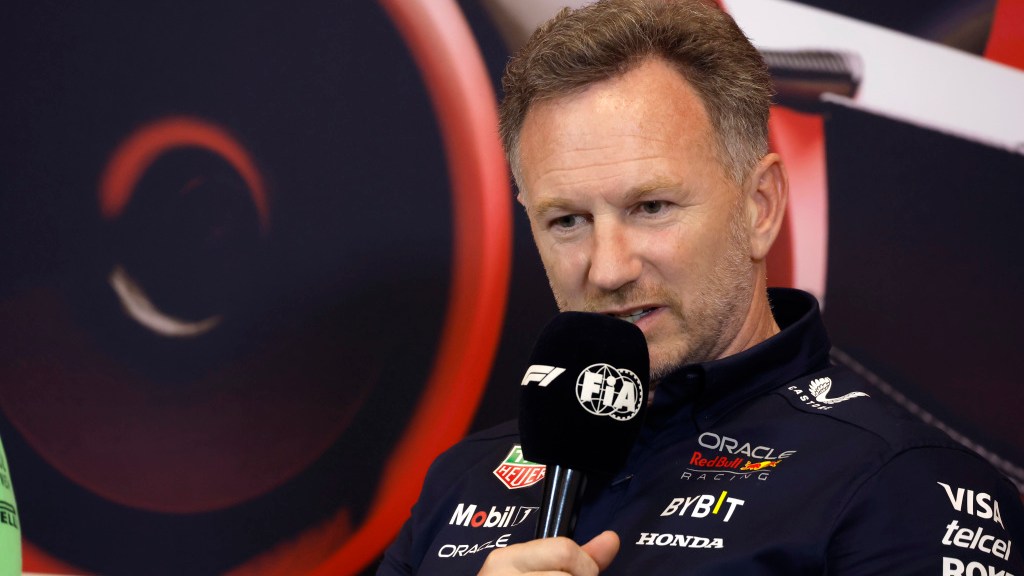
Red Bull's Christian Horner is surprised that Andretti Cadillac has sought the U.S. Department of Justice's intervention to join Formula 1, suggesting that acquiring an existing team would be a more natural solution. The DOJ is investigating whether F1's decision to block Andretti Cadillac's entry in 2025 or 2026 violates U.S. antitrust laws. Horner and other team principals believe that while Andretti and Cadillac have strong credentials, the best path to entry is through purchasing an existing team to maintain the sport's stability and value.
Christian Horner expressed surprise that Andretti sought U.S. Congressional intervention to challenge Formula One's decision to block their entry into the championship. Six U.S. senators have asked the Department of Justice to investigate potential antitrust violations. F1 has left the door open for Andretti to join in 2028 if they secure a commitment from General Motors to build an F1 engine. Horner suggested that Andretti might consider acquiring an existing team to join the grid.
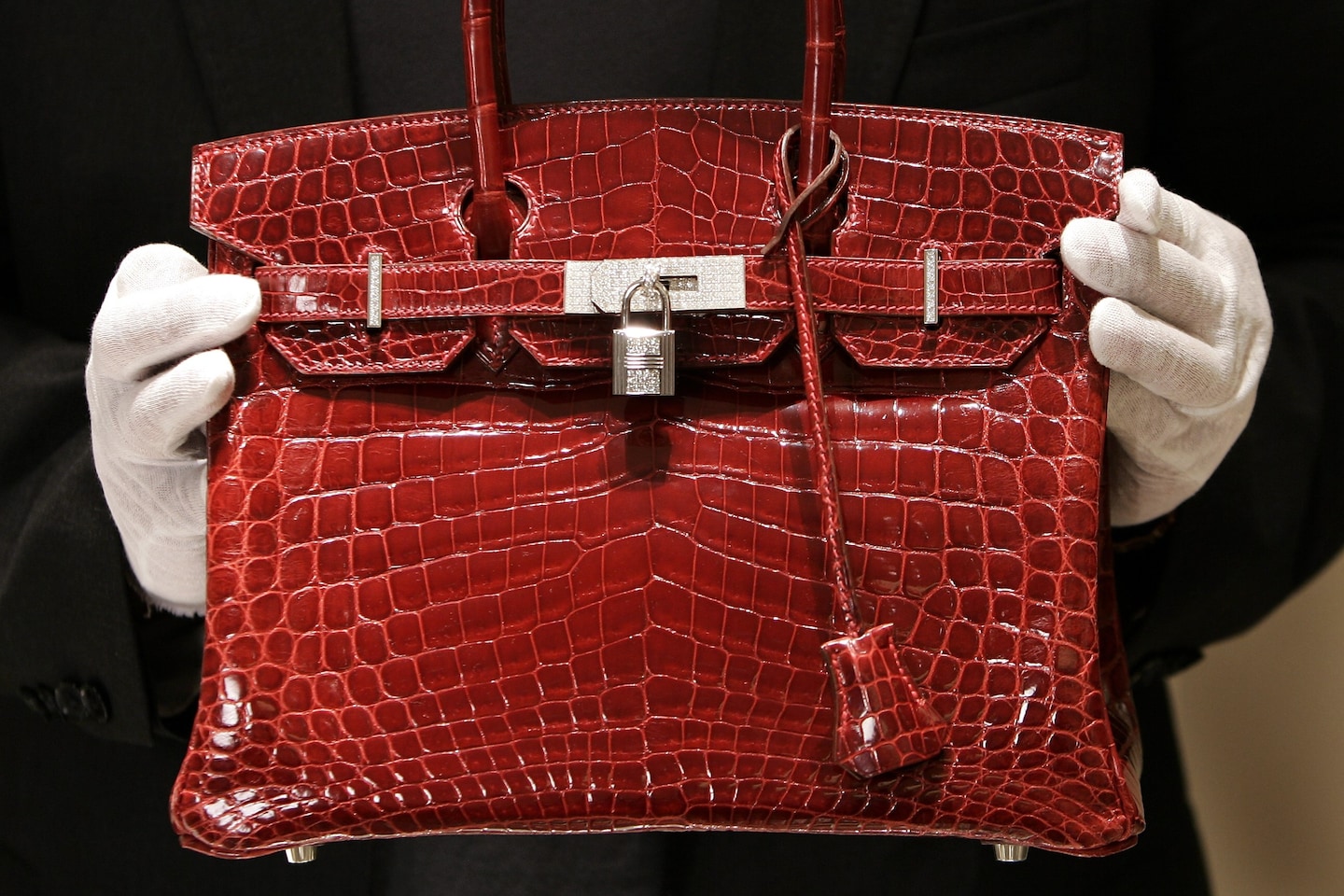
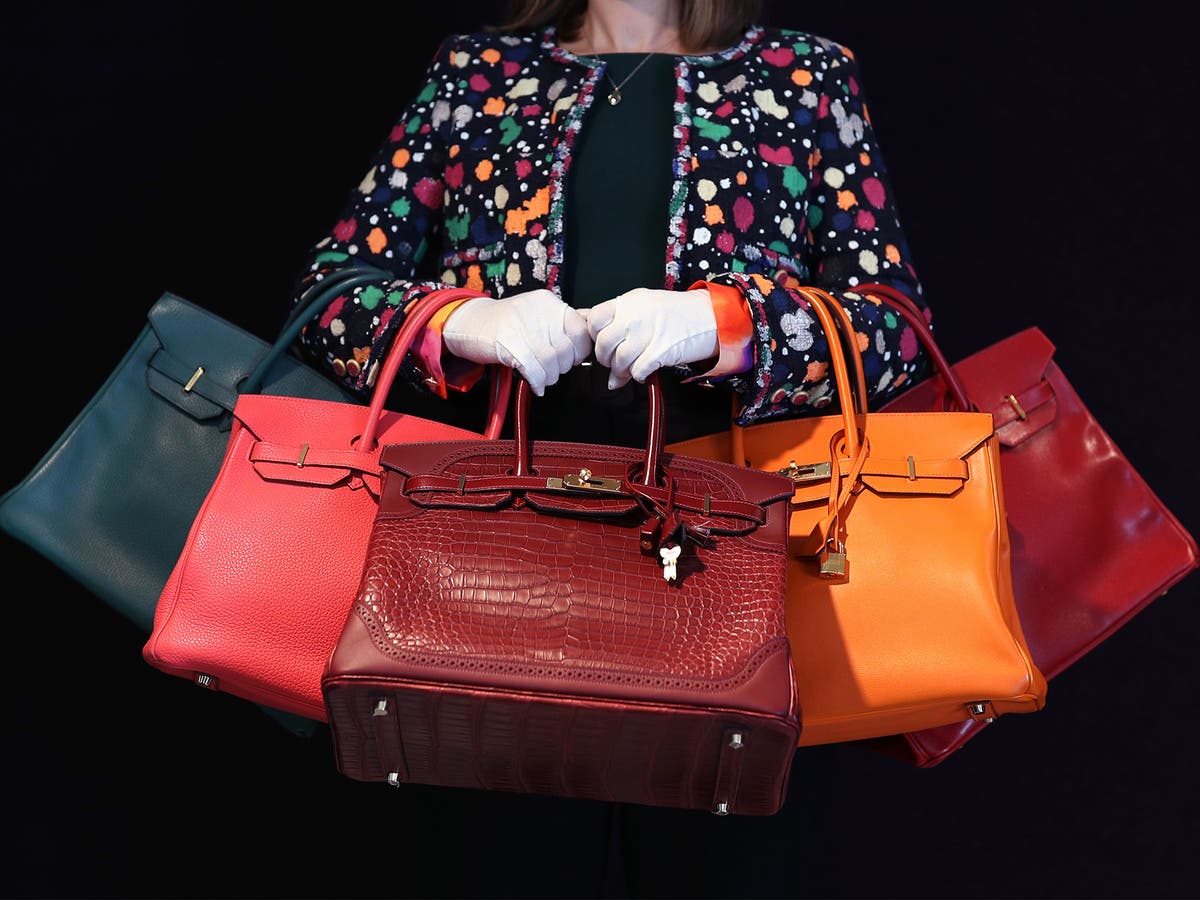
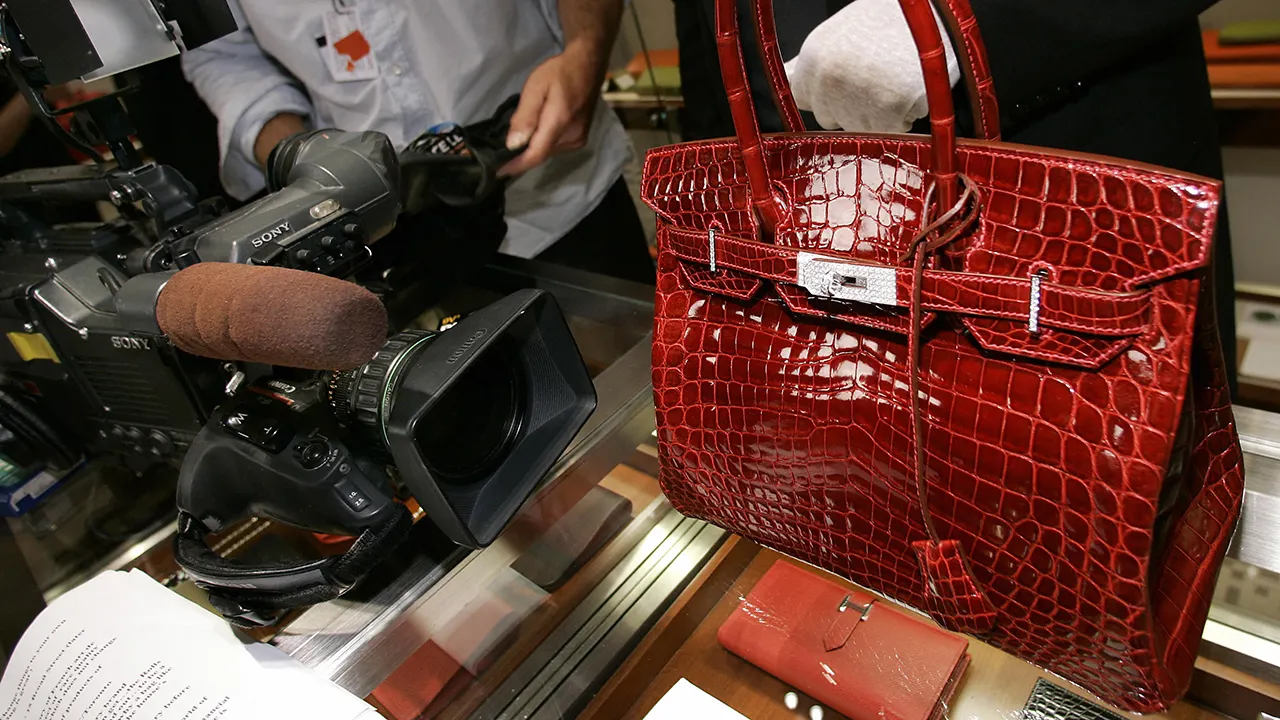
Californians file a lawsuit against Hermès International, alleging unfair competition and antitrust violations in the sale of its coveted Birkin bags, claiming the luxury brand forces customers to buy ancillary products to gain access to the bags. Legal experts are uncertain about the merits of the case, as Hermès' practices are inconsistent and not clearly defined, making it difficult for the plaintiffs to pinpoint a specific problem with the policy. The lawsuit could have implications for consumers who have experienced gatekeeping when purchasing products, and it raises questions about the legality and fairness of tying one product to another.
Hermès is facing a class action lawsuit in California alleging that the luxury retailer ties the purchase of its iconic Birkin bags to the buying of other Hermès products, in violation of US antitrust laws. The lawsuit claims that customers are required to purchase "ancillary products" before being offered the opportunity to buy a Birkin bag, and that the bags are not publicly displayed for sale in Hermès retail stores. The plaintiffs seek damages and a court order to stop Hermès' alleged anticompetitive practices, while the luxury retailer has previously denied such accusations.
A proposed class action lawsuit has been filed against luxury brand Hermes, alleging that the company engages in unlawful tying practices by requiring customers to purchase other luxury items in order to acquire its coveted Birkin handbags. The lawsuit, filed in California, accuses Hermes of breaching federal and state antitrust laws and seeks class action certification, an injunction, damages, and other relief. The plaintiffs claim they were told they needed to buy additional Hermes items to have a chance at purchasing Birkin bags. Hermes, which strictly prohibits tying sales of certain products, has a market capitalization of 252.72 billion euros.
TKO Group Holdings, the parent company of UFC, has agreed to pay $335 million to settle two class-action lawsuits filed by former UFC fighters alleging antitrust law violations. The lawsuits claimed that UFC paid fighters less than they were entitled to and engaged in anticompetitive actions. The settlement will be paid in installments over time and is subject to court approval.
The Federal Trade Commission has expressed satisfaction over the termination of the proposed $1.4 billion merger between Amazon and iRobot, citing concerns about potential competitive effects and the impact on innovation, entry barriers, and consumer privacy. The FTC emphasizes its commitment to enforcing antitrust laws to maintain robust competition and acknowledges the efforts of its Northeast Regional Office in handling the investigation.
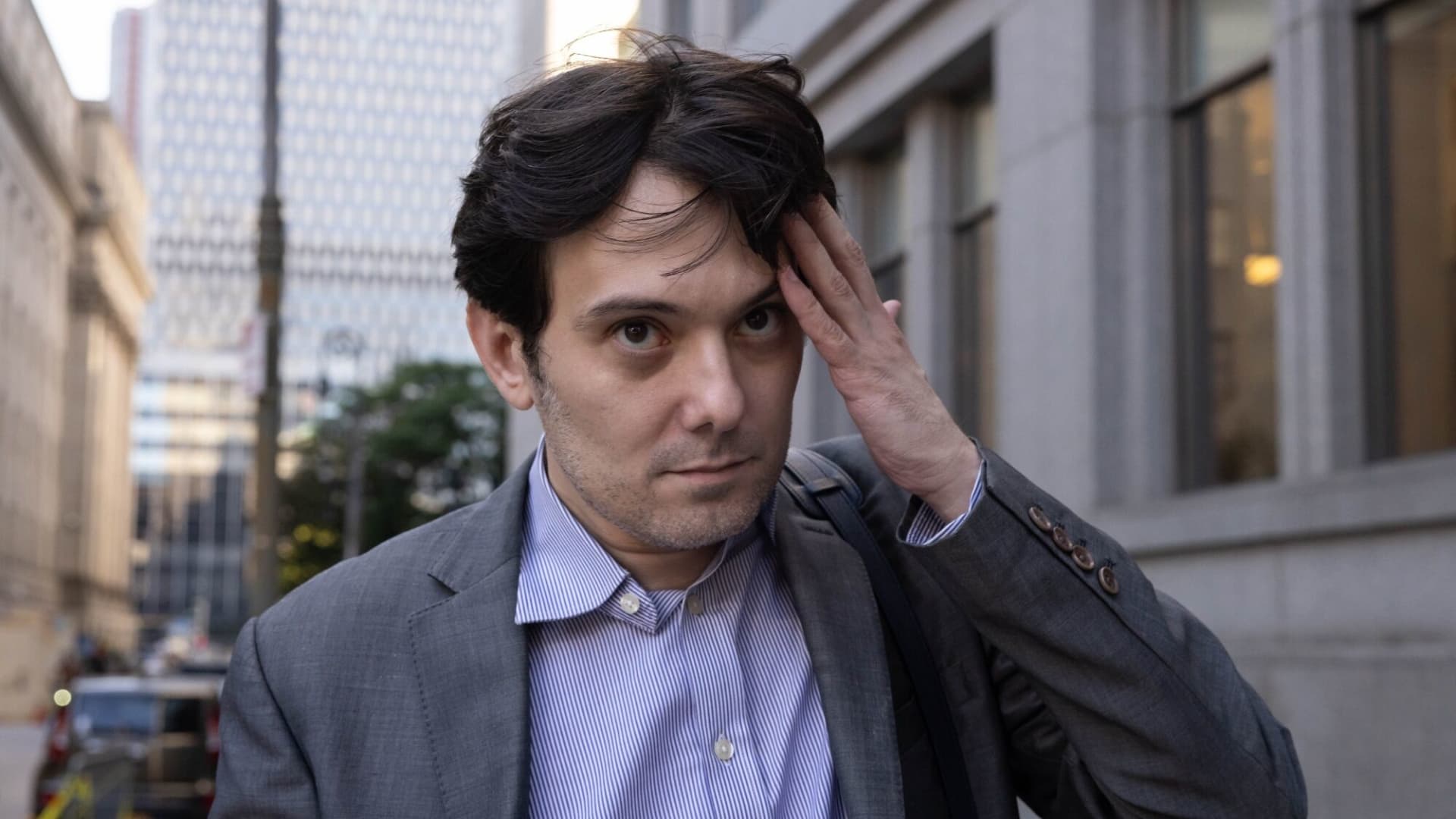
A federal appeals court has upheld a lifetime ban on Martin Shkreli from the pharmaceutical industry and ordered him to pay up to $64.6 million in disgorged profits for blocking competition to the drug Daraprim. The ruling stems from Shkreli's monopolistic behavior in raising the price of Daraprim by over 4,000% overnight while serving as CEO of Turing Pharmaceuticals AG. The ban and financial penalty were imposed for violations of antitrust laws preventing generic drug makers from accessing Daraprim for testing. Shkreli's appeal against the ban and monetary penalty was rejected by the court, which found his illegal scheme to be "egregious, deliberate, repetitive, long-running, and ultimately dangerous."
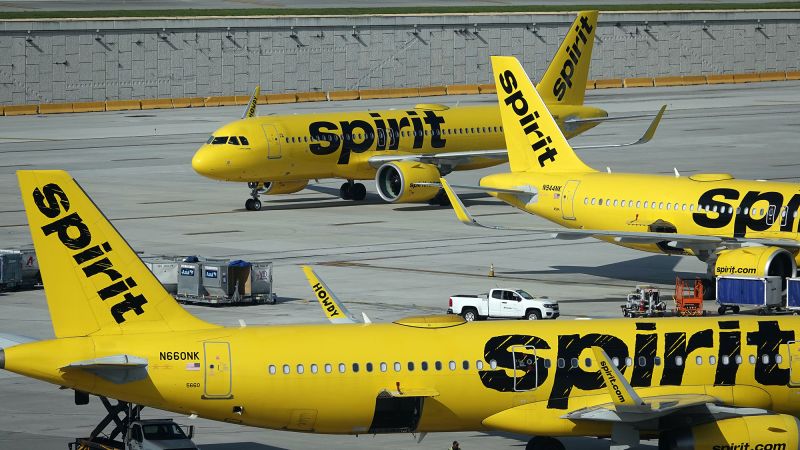
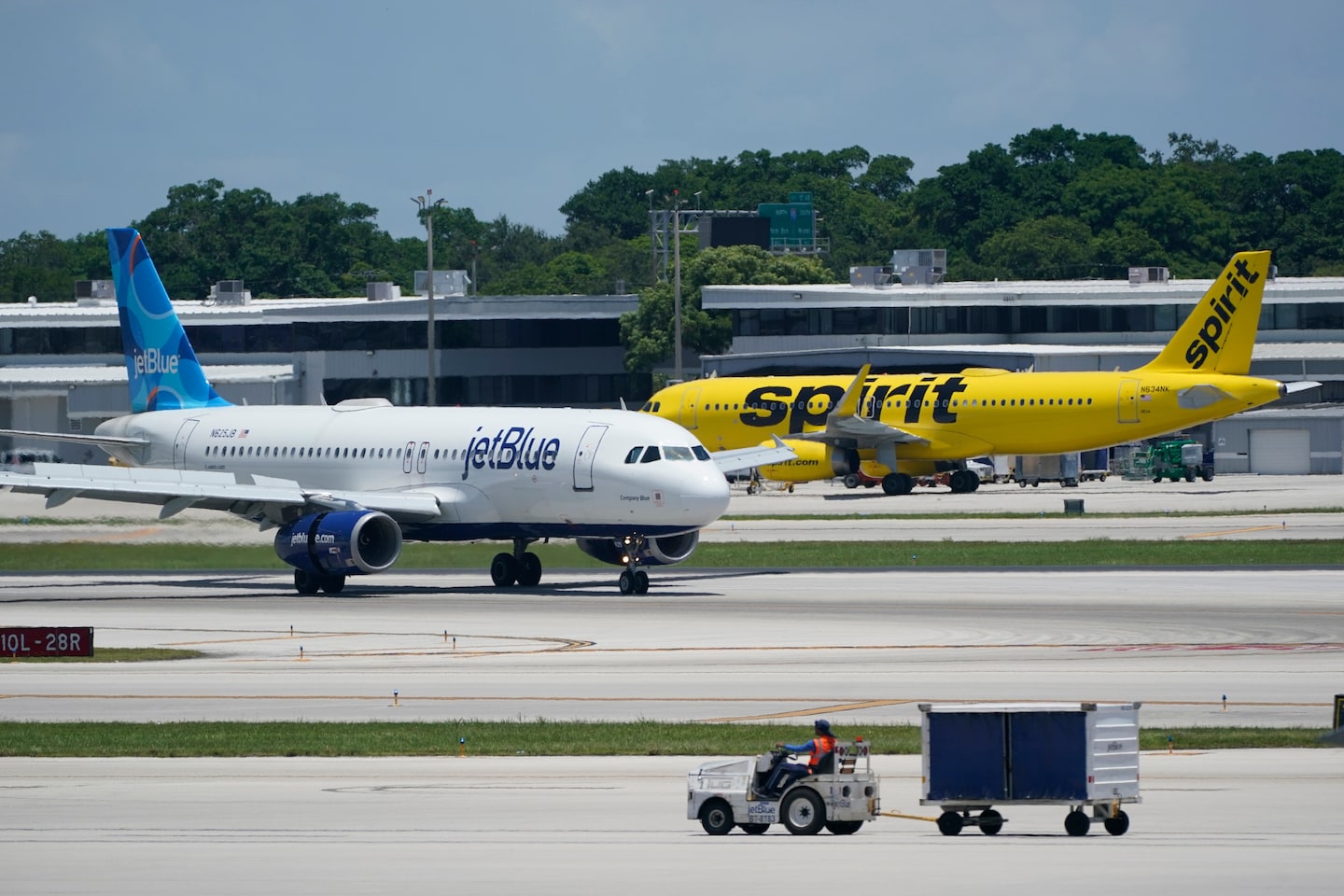
Spirit Airlines shares plummeted 47% after a federal judge blocked JetBlue's $3.8 billion acquisition, citing concerns about increased fares and significant debt for JetBlue. The US Justice Department sued to halt the deal, emphasizing the need for greater competition in the airline industry to lower costs for consumers. The Biden administration has taken a more aggressive approach in fighting mergers, including in the airline industry, and the ruling is seen as a victory for consumers.
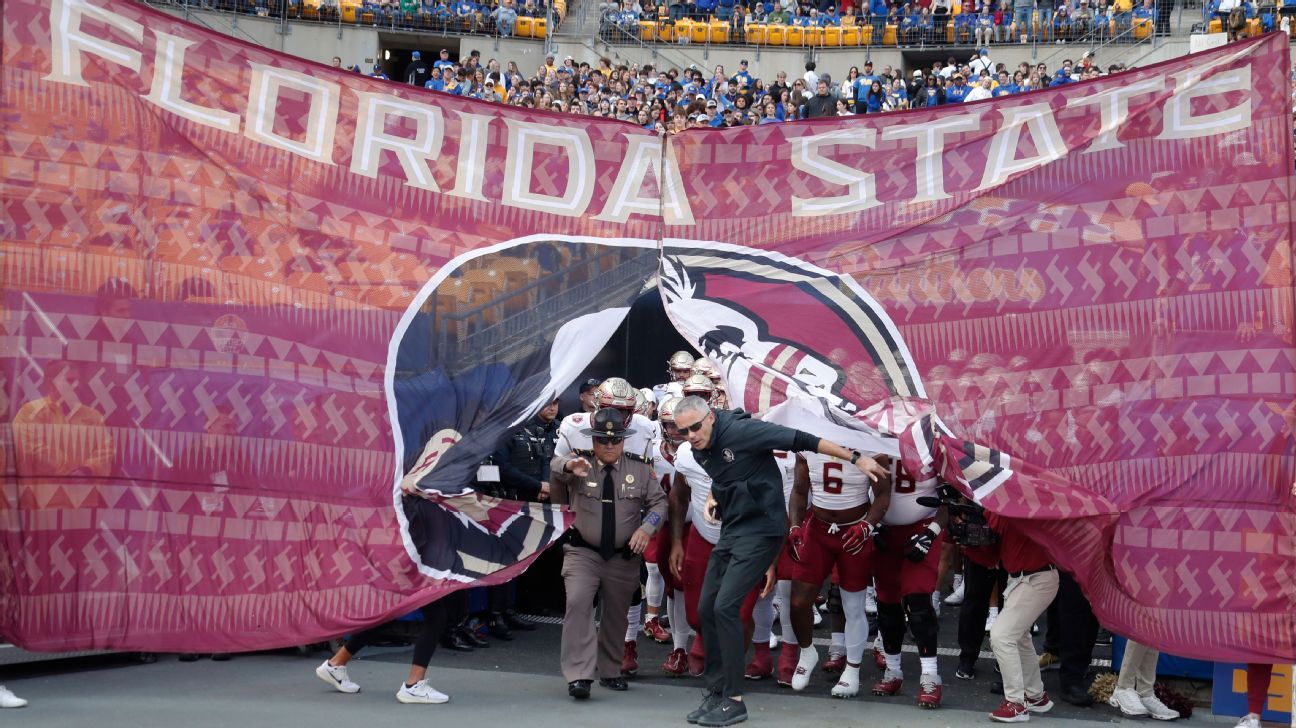
Florida Attorney General Ashley Moody is launching an investigation into the College Football Playoff (CFP) selection committee over the exclusion of Florida State from the Top 4. Moody's Antitrust Division is seeking more information about possible anticompetitive conduct related to the CFP's decision. Florida State, despite finishing 13-0 and winning the ACC title game, was left out of the playoff. The investigation aims to examine the committee's communications, compensation of members, voting process, and more. Last week, Florida Governor Ron DeSantis requested $1 million for Florida State to potentially sue the committee.
The House Judiciary Committee has issued subpoenas to The Vanguard Group and Arjuna Capital as part of its investigation into whether investment firms' environmental, social, and governance (ESG) policies violate antitrust laws. The committee is seeking documents and communications related to the firms' advancement of ESG policies, alleging that they may have entered into collusive agreements to reduce emissions and decarbonize their assets in ways that violate U.S. antitrust law. The subpoenas are part of a broader investigation into whether coalitions like Climate Action 100+ deprive investors of opportunities in the oil and gas sector. Several other organizations, including BlackRock and State Street, have also received requests for ESG-related documents from the committee.
The U.S. Federal Trade Commission (FTC) has issued a second request for more information regarding the $60 billion takeover deal between ExxonMobil and Pioneer Natural Resources. The companies are cooperating with the FTC and expect the deal to be completed in the first half of 2024. U.S. Senate Majority Leader Charles Schumer and other Democratic senators have expressed concerns about the potential anticompetitive effects of the deal, stating that it could lead to higher gas prices for consumers. Antitrust experts believe that the FTC may struggle to block the merger as it involves producers rather than refiners or retail outlets.
Closing arguments have begun in the case determining the fate of the proposed merger between JetBlue Airways and Spirit Airlines. The Justice Department, which sued to block the deal, argues that the merger would harm consumers by eliminating competition, while JetBlue contends that it would create a stronger challenger to the dominant carriers. U.S. District Court Judge William Young will make the decision, with a ruling expected before the end of the year. If approved, it would be the first U.S. airline merger since 2016. The case reflects the Biden administration's more aggressive enforcement of antitrust laws.