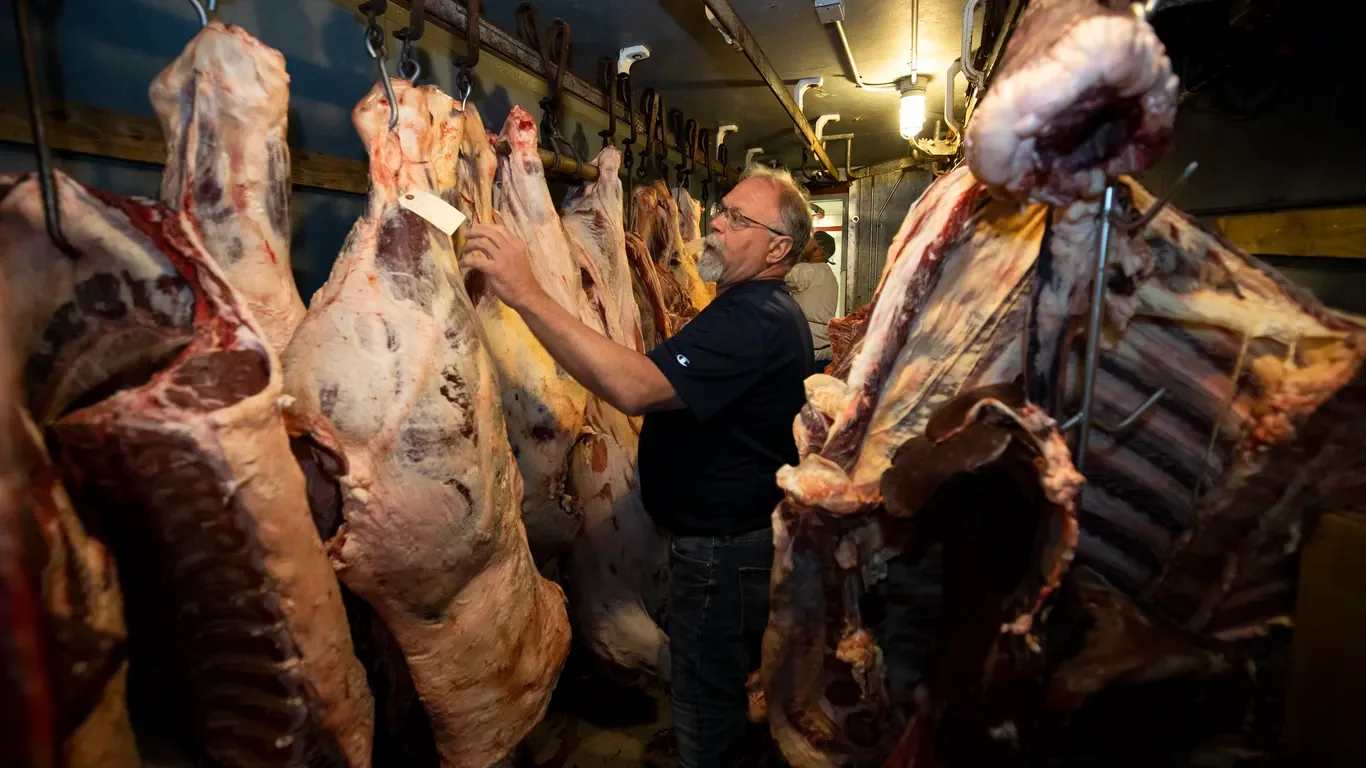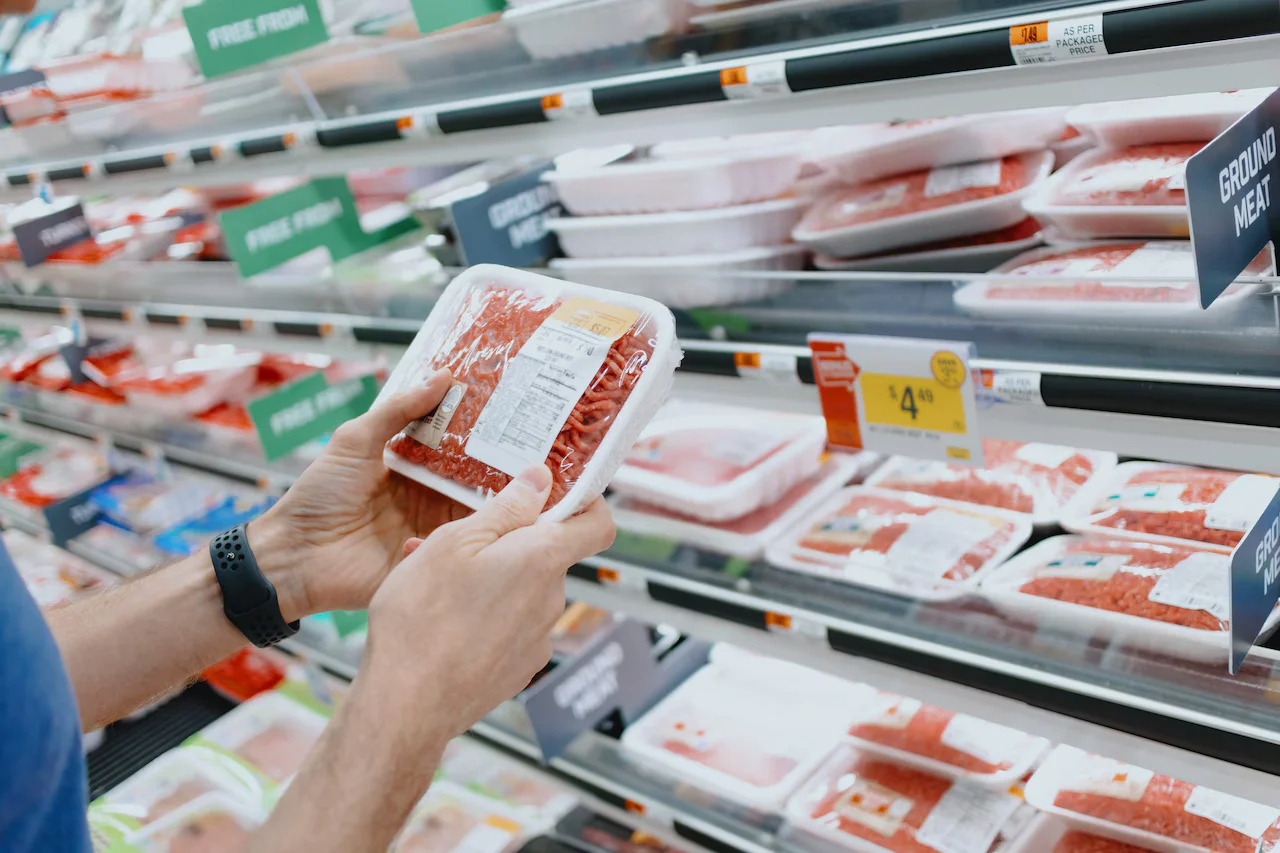
Consumers who purchased certain beef products between 2014 and 2019 in 27 states may be eligible for a share of an $87.5 million settlement from beef processors like Cargill and Tyson, who are accused of price-fixing and supply limiting to inflate prices. Eligible purchases include fresh or frozen beef from specific cuts made for personal consumption, excluding premium, specialty, and processed beef. Claims can be filed online or by mail by June 30, 2026.
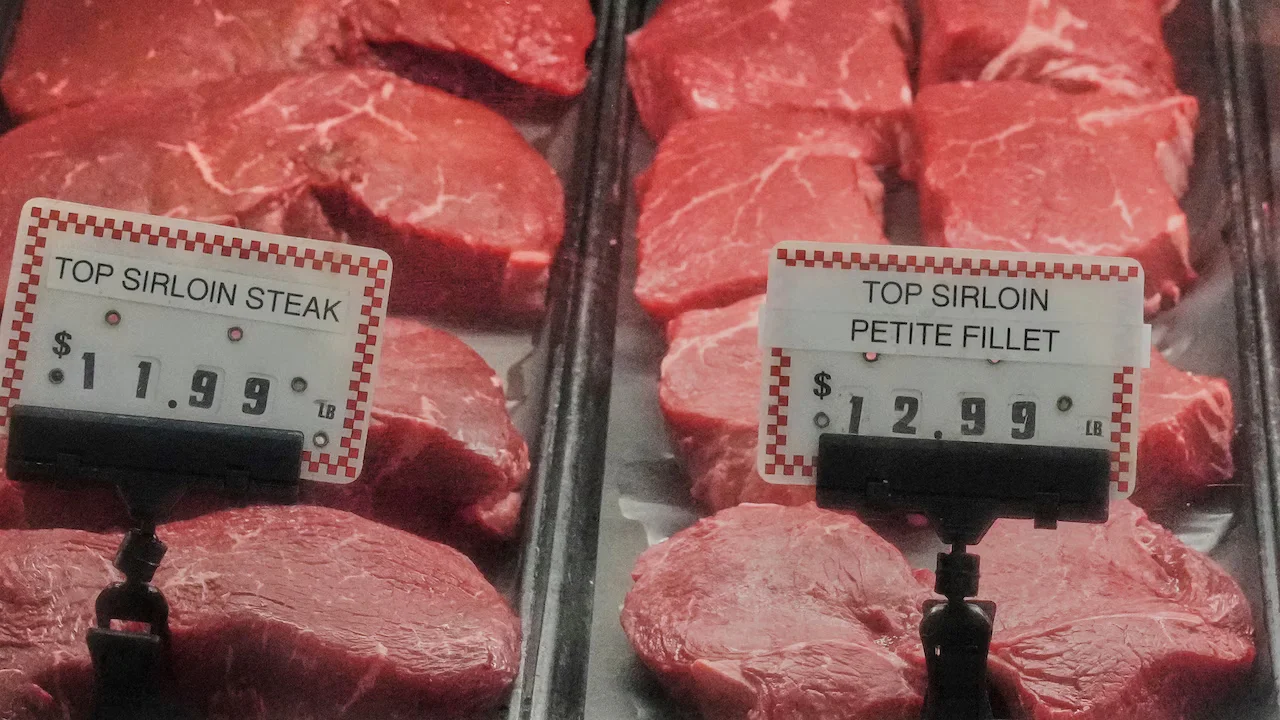
Millions of Americans who purchased certain cuts of beef between 2014 and 2019 in 26 states may be eligible for a share of an $87.5 million settlement from beef processors Tyson Foods and Cargill, due to a price-fixing scheme. Eligible consumers can file claims online or by mail by June 30, without proof of purchase, to receive compensation, which aims to offset inflated beef prices caused by the alleged conspiracy.
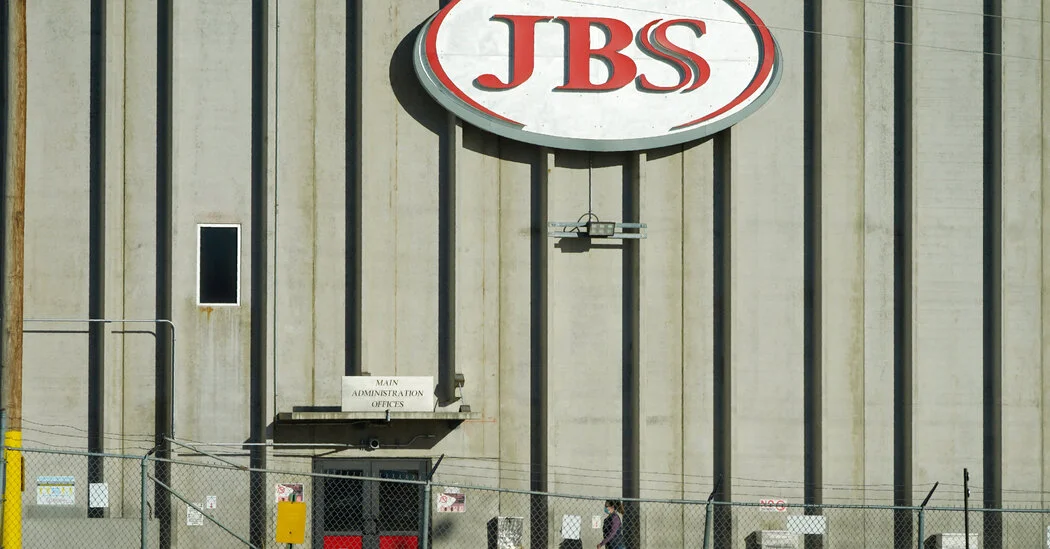
The Justice Department has launched an antitrust investigation into major meatpacking companies, including JBS, Cargill, Tyson Foods, and National Beef, amid concerns over collusion and inflated beef prices, with President Trump calling for scrutiny of their practices.
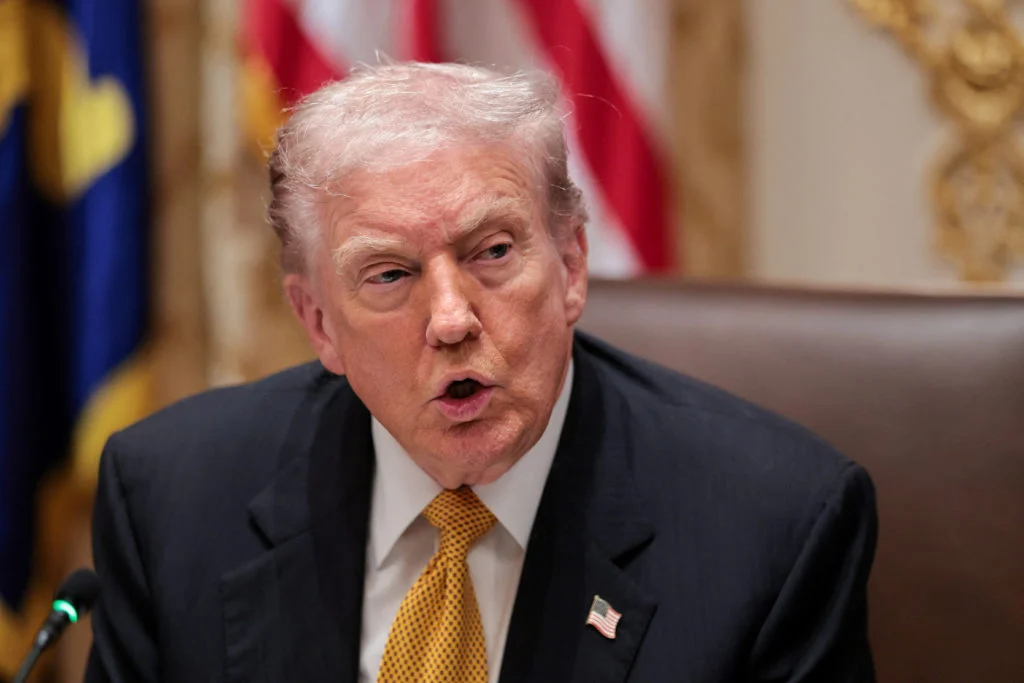
President Donald Trump accused foreign-owned meat packers of inflating U.S. beef prices and called for a Department of Justice investigation, amid rising food costs and concerns over market concentration, without providing proof for his allegations.
President Trump announced an investigation into the meatpacking industry for alleged collusion and price fixing amid rising beef prices, which have surged 13% year over year due to structural issues like drought and labor shortages. The move comes as the administration faces an affordability crisis and industry consolidation, with some companies previously settling price-fixing allegations. The investigation aims to address concerns over artificially inflated prices and foreign ownership influence, but the impact on prices remains uncertain.
The European Commission fined Gucci, Chloé, and Loewe a total of €157 million for anti-competitive practices involving price fixing and restricting retailer pricing freedom, aiming to protect consumer choice and competition in the EU market.
The European Union has imposed a €157 million fine on luxury brands Gucci, Chloé, and Loewe for engaging in price fixing, highlighting ongoing regulatory efforts to maintain fair competition in the fashion industry.
The House Judiciary Committee has issued subpoenas to the University of Pennsylvania and Brown University as part of an investigation into alleged tuition price-fixing among Ivy League schools, amid broader political scrutiny of elite institutions and ongoing legislative efforts on various policy issues.
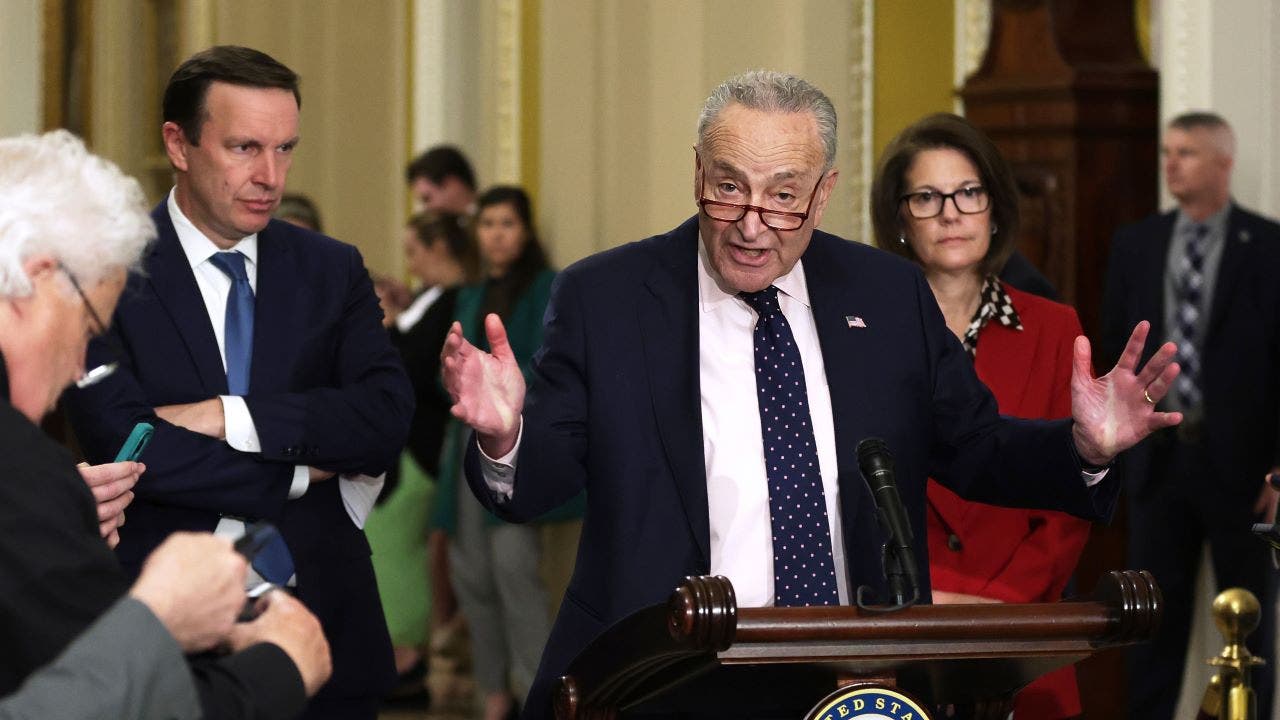
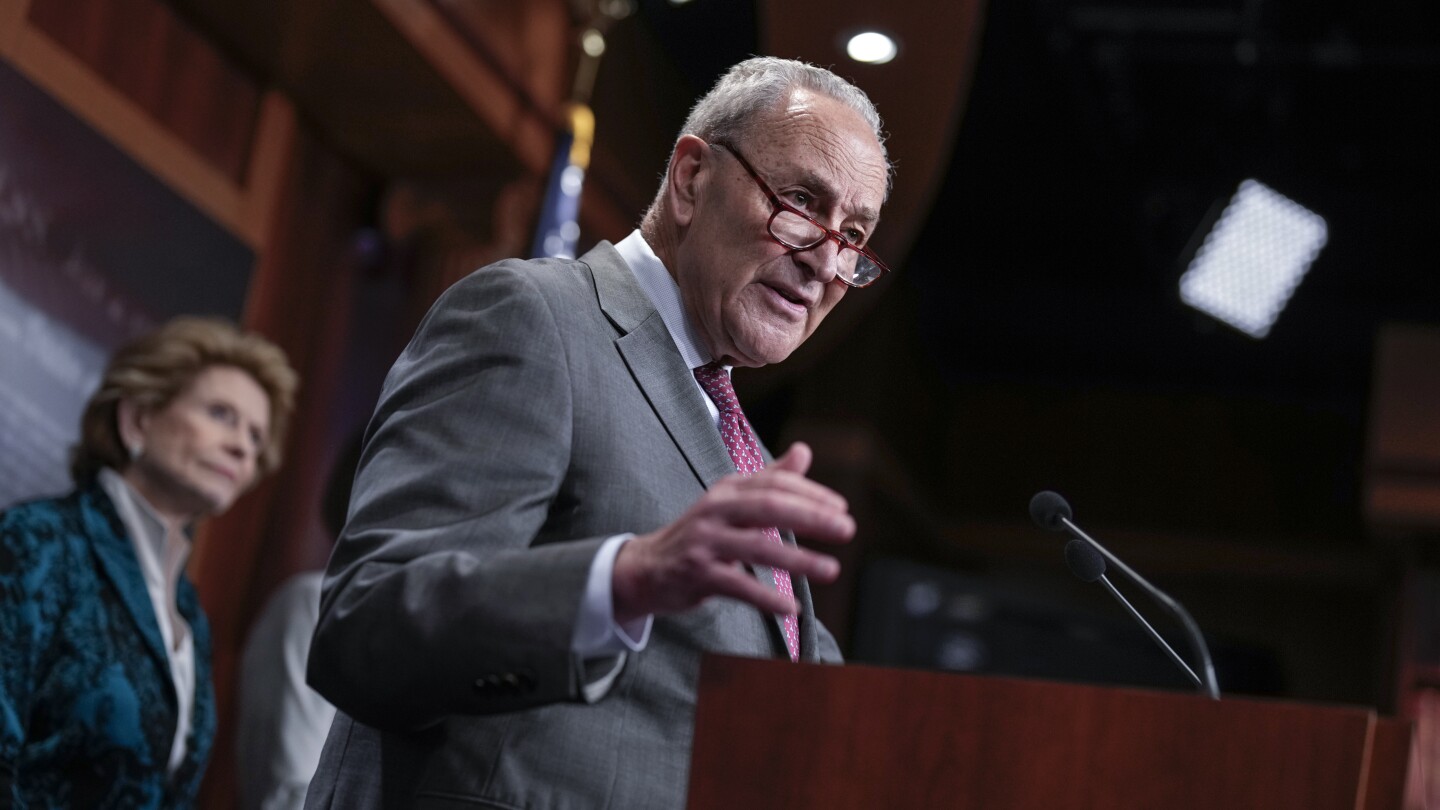
Senate Majority Leader Chuck Schumer and 22 other Democratic senators have called on the Justice Department to investigate alleged collusion and price fixing between the oil industry and OPEC, following the FTC's approval of ExxonMobil's acquisition of Pioneer Natural Resources but blocking former Pioneer CEO Scott Sheffield from Exxon's board. The senators argue that such collusion could be inflating fuel prices and benefiting adversarial nations like Iran and Russia. The American Petroleum Institute has pushed back, defending U.S. oil production and criticizing inflationary policies.
Senate Majority Leader Chuck Schumer and 22 other Democratic senators have urged the Department of Justice to investigate and prosecute alleged collusion and price-fixing in the oil industry, following an FTC investigation that suggested oil executives, including former Pioneer Natural Resources CEO Scott Sheffield, colluded with OPEC to raise crude oil prices. The Democrats argue that such actions have significantly increased energy costs for American families and businesses, and they call for an industry-wide probe under the Sherman Antitrust Act.
Five elite universities, including Yale, Duke, and Columbia, have agreed to pay $104.5 million to settle a lawsuit accusing them of violating their "need-blind" financial aid agreement by factoring in students' financial ability when making admissions decisions. The settlements raise questions about the schools' commitment to lowering tuition despite touting generous financial aid, with other universities still embroiled in the litigation.
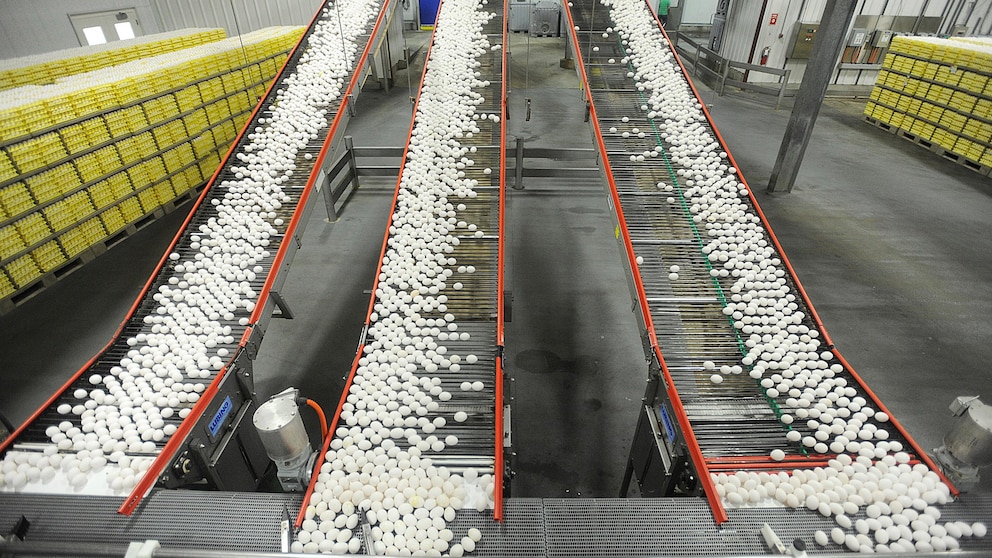
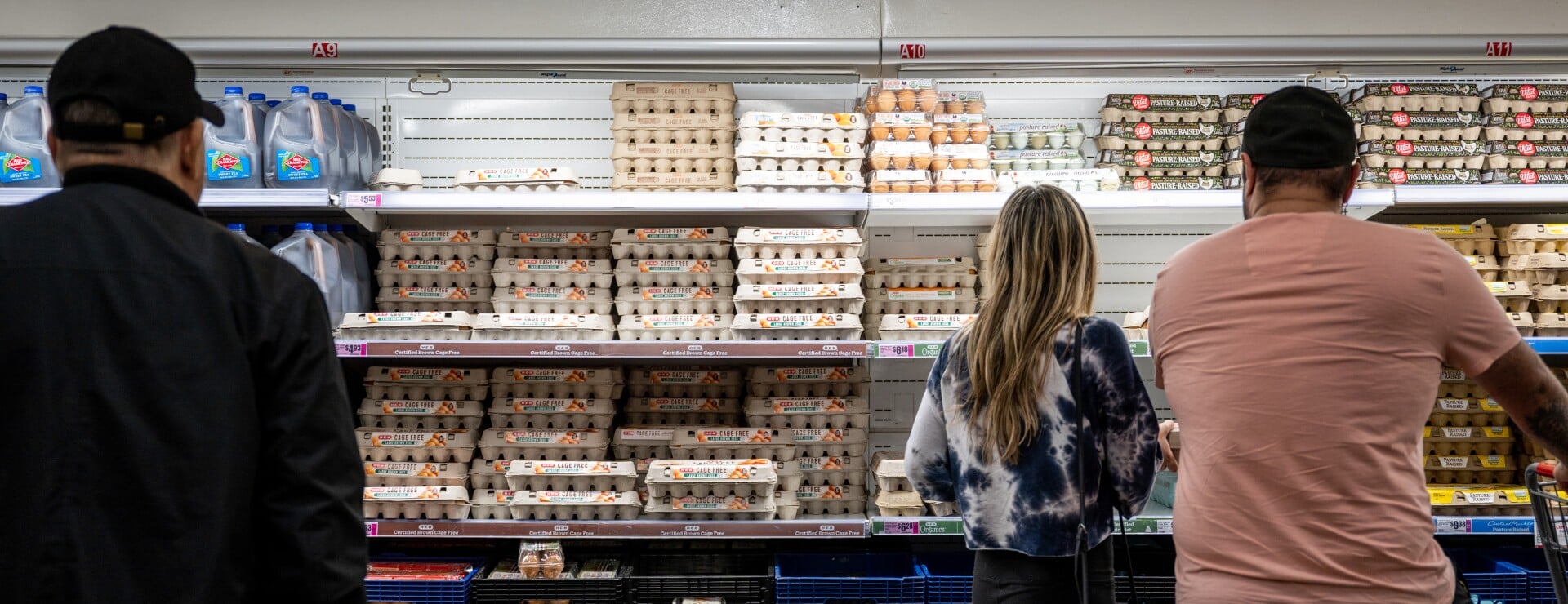
A federal jury in Illinois has ruled that several major egg producers, including Cal-Maine Foods, Rose Acre Farms, United Egg Producers, and United States Egg Marketers, conspired to limit the supply of eggs in the U.S. between 2004 and 2008, resulting in inflated prices. The lawsuit, originally filed in 2011, alleged that the producers used various tactics to restrict the domestic supply of eggs. Damages will be determined in a trial scheduled for next week. The case also involves food manufacturers such as Kraft Foods Global, Inc. and The Kellogg Company, who joined as plaintiffs. The family company of an Indiana egg farmer, who is running for the U.S. Senate, is among the suppliers named in the lawsuit.
Kellogg, Kraft, and Nestle likely overpaid for eggs due to a conspiracy by the nation's largest egg producers and two trade groups to restrict supply, according to an Illinois federal jury. The jury found that Cal-Maine Foods, Rose Acre Farms, and the trade groups will have to pay damages to the food companies. The amount of damages will be determined in a future trial. This verdict could encourage other plaintiffs seeking to hold food producers accountable for anticompetitive behavior.
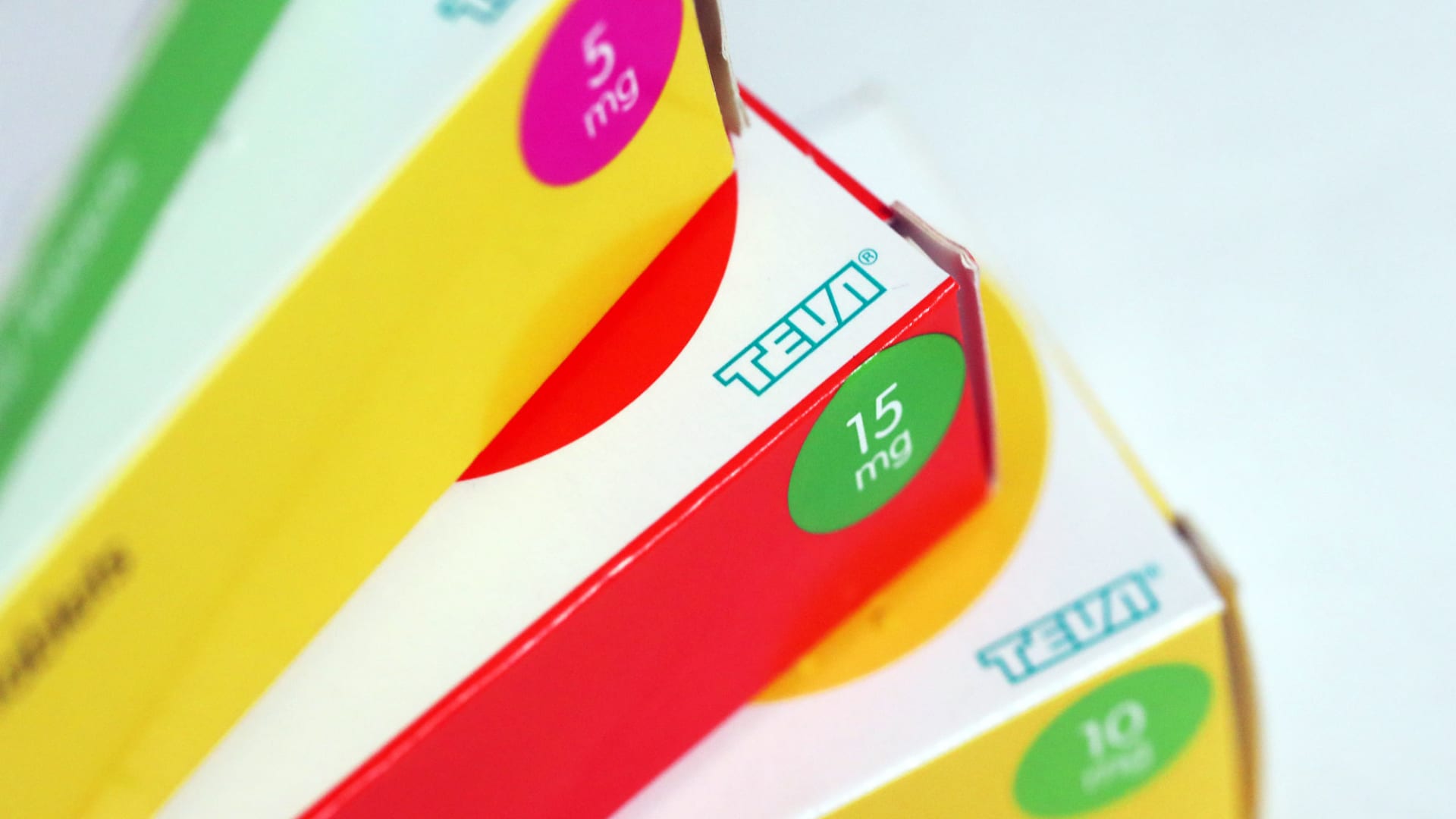
Teva Pharmaceuticals has agreed to pay $225 million in criminal fines over five years and divest its generic cholesterol drug as part of a settlement to resolve charges related to price fixing. The U.S. Department of Justice announced the agreement, which also includes Glenmark Pharmaceuticals paying $30 million to resolve similar charges. The cases involve the price fixing of pravastatin, a widely used prescription drug for reducing cholesterol. This is the latest in a series of cases related to price fixing in the pharmaceutical industry, with seven companies collectively agreeing to pay over $681 million in criminal penalties. The agreements are deferred prosecution agreements, meaning the companies will not face trial or criminal punishment if they comply with the terms. Teva has also committed to donating $50 million worth of affected generic drugs to humanitarian organizations.
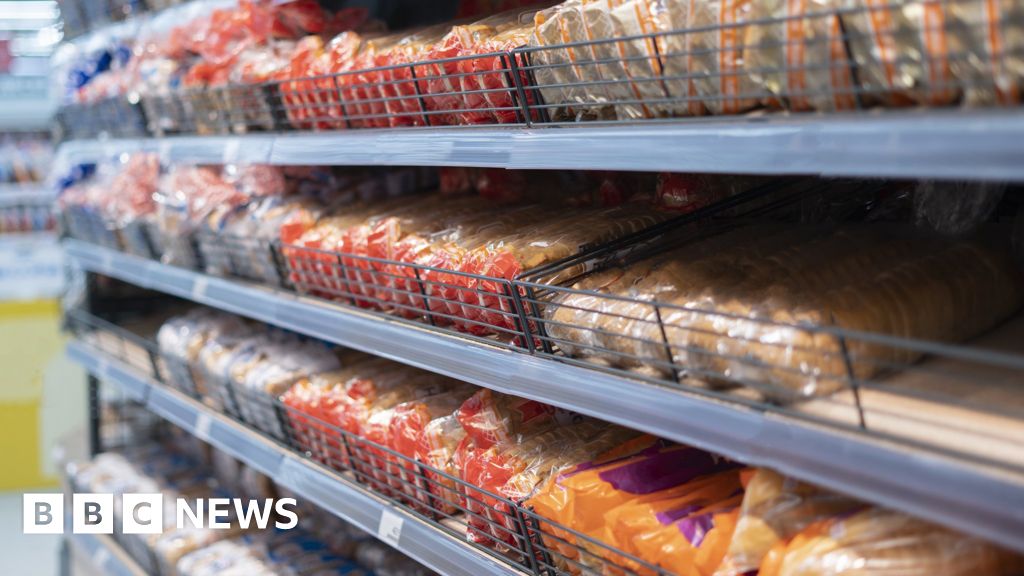
Canada Bread has agreed to pay CAD50m ($38m) for its role in a price-fixing scheme, the highest such fine ever imposed by a Canadian court. The company pleaded guilty to four counts of price-fixing dating from the mid-2000s. The Competition Bureau called the fine a "significant milestone" in its ongoing investigation. Canada Bread admitted that it arranged with its competitor, Weston Foods, to raise prices for bread products, resulting in two price increases for fresh bread and baked goods, one in 2007 and another in 2011.