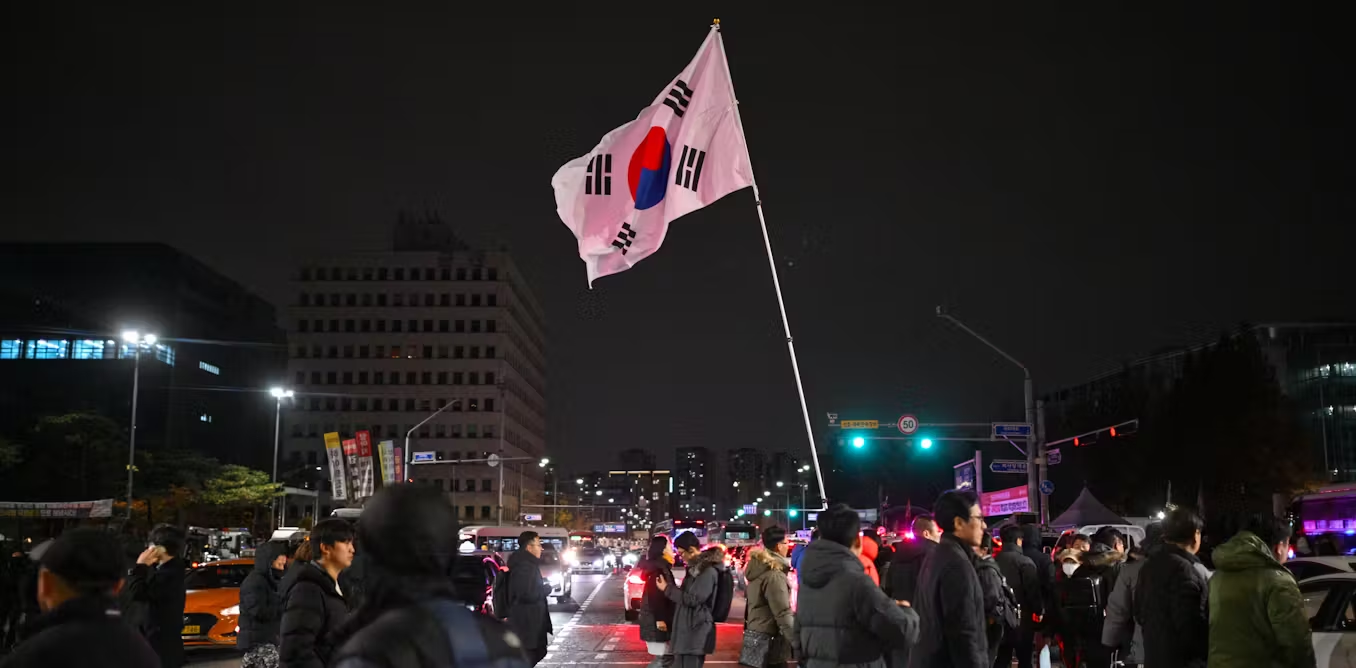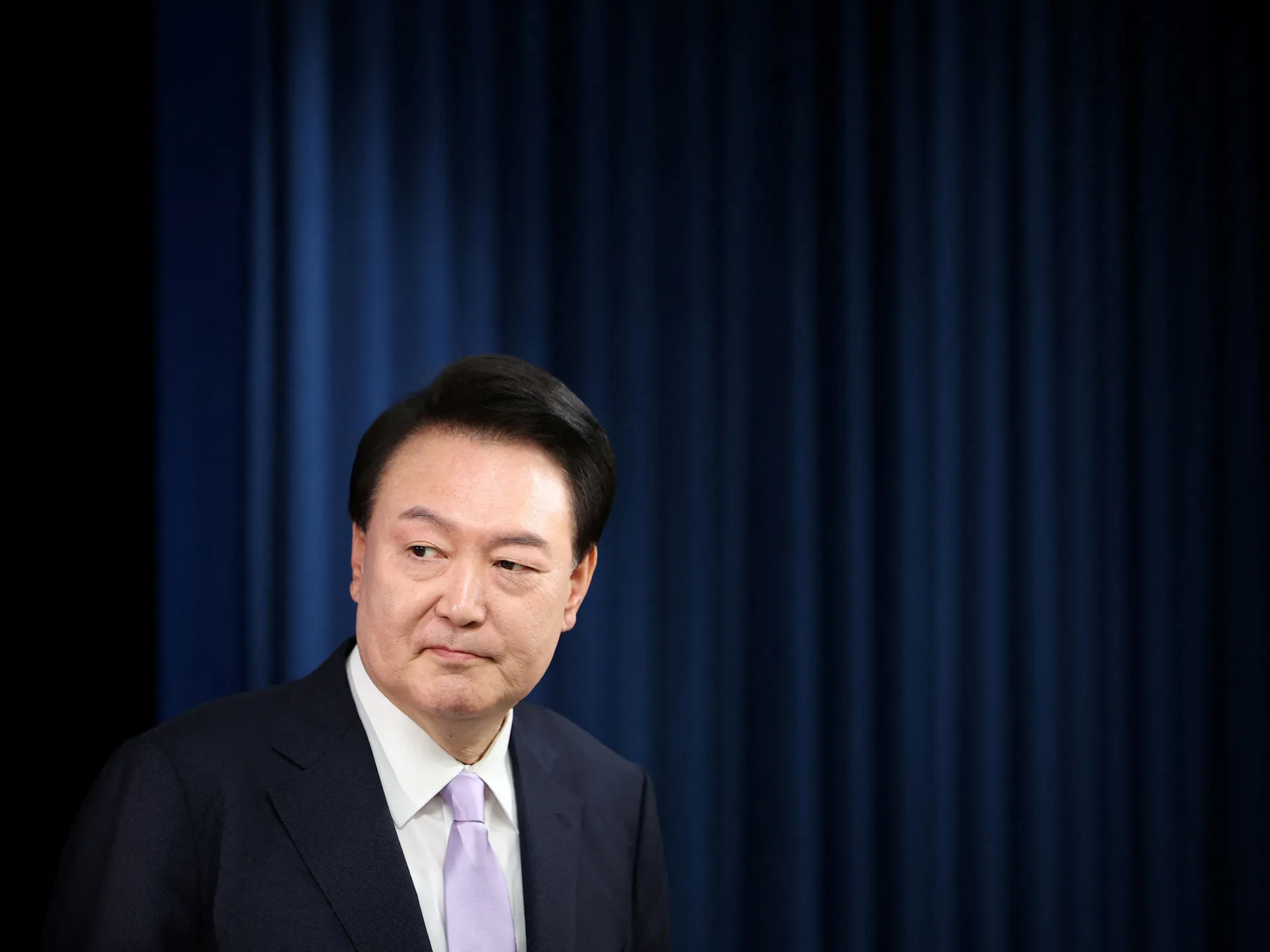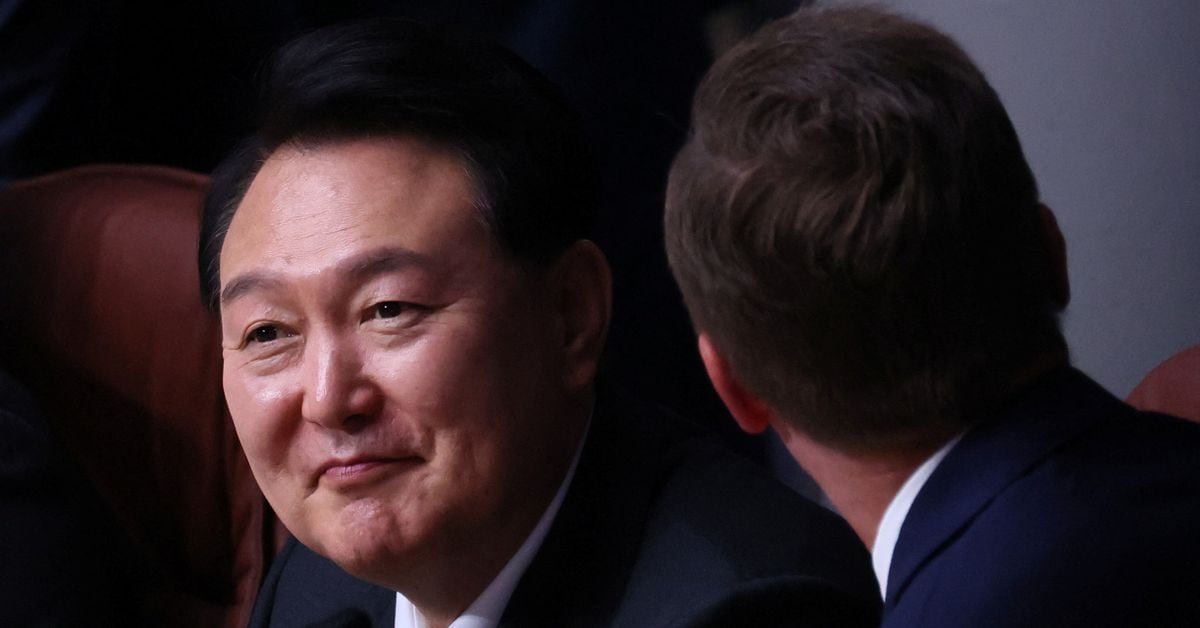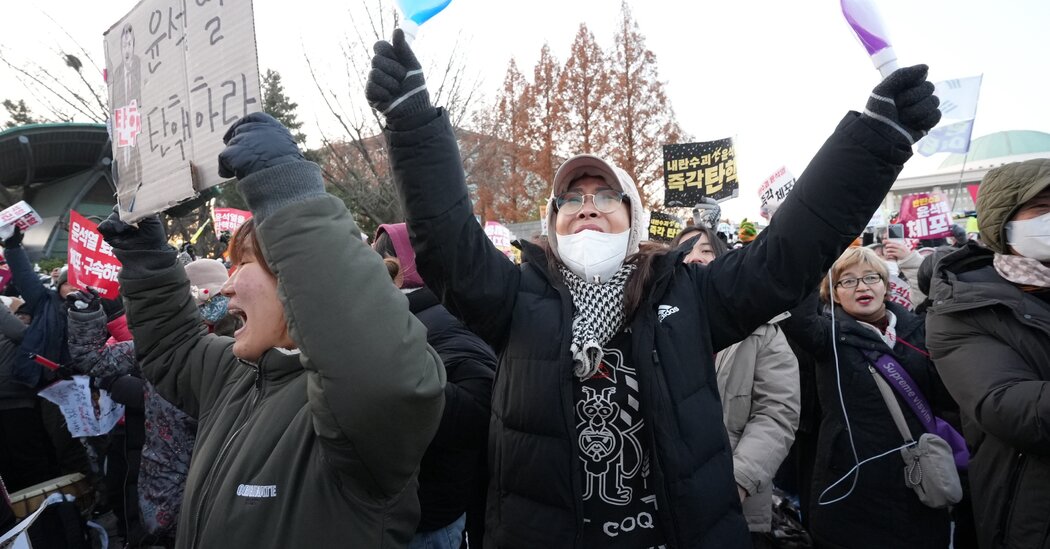
South Korean President Yoon has been impeached following a crisis involving the declaration of martial law. This political upheaval marks a significant moment in South Korea's governance, as the country navigates the implications of this decision and its impact on national stability.
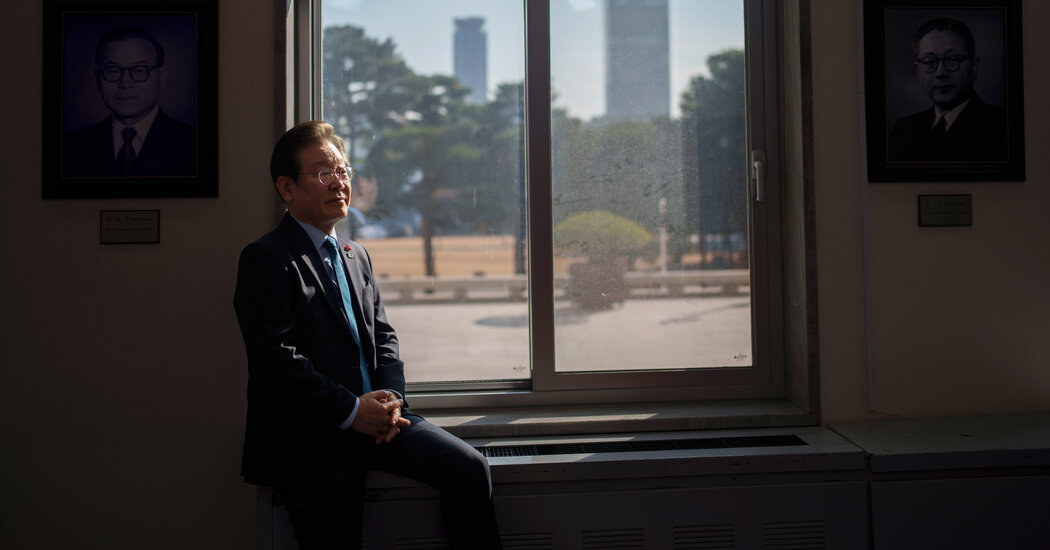
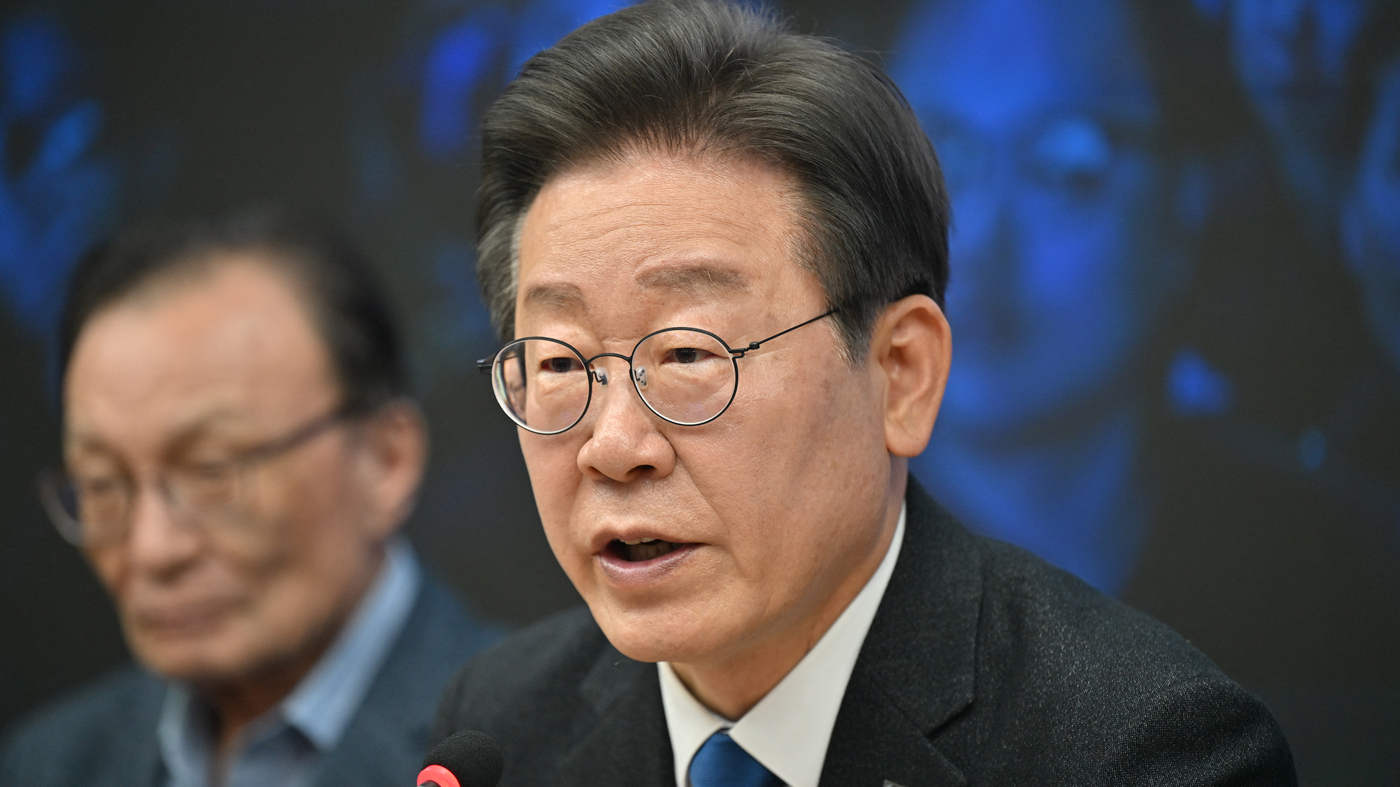
South Korea's opposition leader is determined to remove President Yoon from office following the imposition of martial law, signaling a significant political crisis in the country.
The brief imposition of martial law in South Korea highlights the challenges facing its democracy and the political position of President Yoon. This situation underscores the delicate balance between maintaining order and upholding democratic principles, raising questions about the resilience of South Korea's democratic institutions and the leadership strategies of President Yoon.
South Korean President Yoon has declared martial law in response to escalating political and security tensions in the country. This move grants the military increased authority to maintain order and manage the crisis, reflecting the severity of the situation. The declaration has sparked widespread concern and debate over its implications for democracy and civil liberties in South Korea.
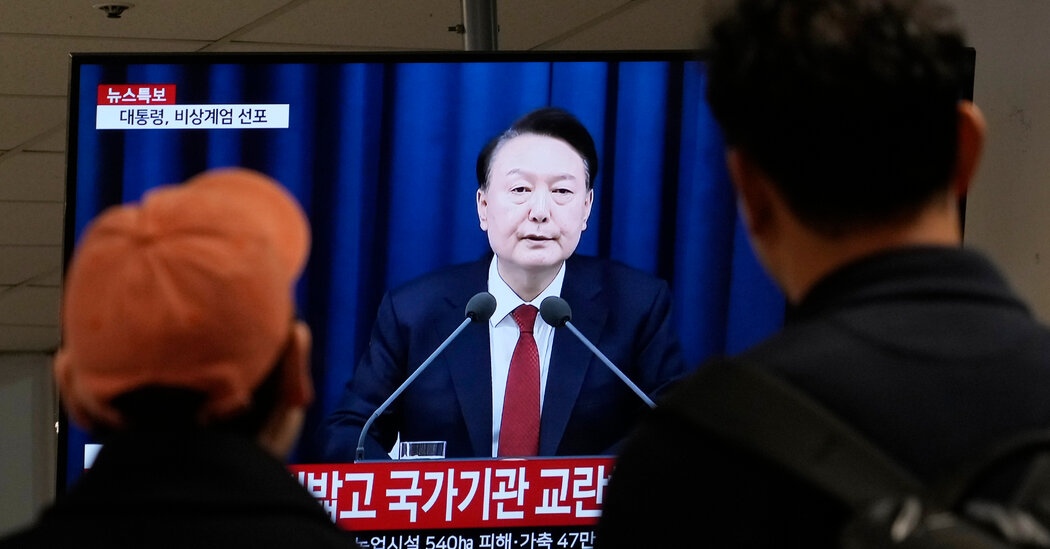
South Korean President Yoon Suk Yeol has declared emergency martial law, citing threats from North Korea and anti-state activities by the opposition. In a televised address, Yoon emphasized the need to protect the nation's freedom and safety. The move has been met with opposition from both the ruling People Power Party and the liberal Democratic Party, which has called for an emergency meeting. Yoon's presidency has faced challenges, including an opposition-controlled parliament and calls for investigations into scandals involving his administration.
South Korea's liberal opposition Democratic Party secured a landslide victory in the parliamentary elections, winning 175 seats out of 300 and putting President Yoon Suk Yeol's ruling conservative People Power Party in a challenging position. The outcome reflects public dissatisfaction with Yoon's administration amid economic challenges, medical crises, and scandals. Yoon's aides have offered to resign, and he has pledged to reform his administration. The opposition's strong showing limits Yoon's ability to pursue key policies and may compel him to seek cooperation with the opposition leader.
South Korea's "Luke Skywalker," a former prosecutor and potential presidential candidate, has dealt a blow to President Yoon Suk-yeol by leading a protest against his government's policies. This demonstration reflects growing public discontent with Yoon's administration and could impact the upcoming presidential election.
South Korean President Yoon Suk Yeol visited Ukraine to meet with President Volodymyr Zelenskiy, following his attendance at a NATO summit and visits to Lithuania and Poland. Yoon expressed solidarity with Ukraine and explored ways to support its fight against Russia's invasion. While South Korea has faced pressure to provide weapons, Yoon's administration has focused on humanitarian and financial aid. Yoon's visit suggests a stamp of approval from Kyiv for the aid that Seoul has sent so far, and South Korea may be doing more to support Ukraine behind the scenes. Additionally, South Korea plans to support Ukraine's reconstruction in areas such as transportation, energy, and industry.