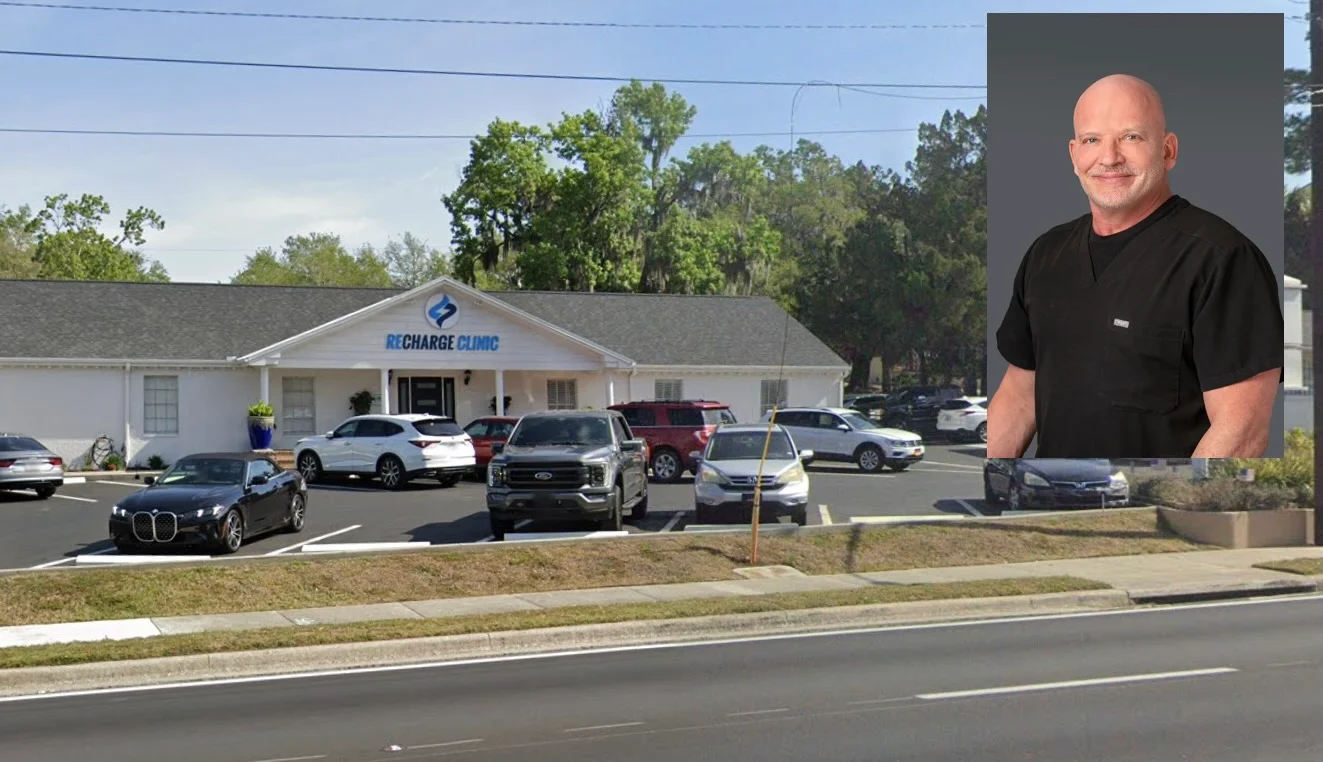
Dr. Steven Tieche of Recharge Clinic in Ocala was placed on one-year probation, fined $7,500, and ordered to complete CME after prescribing unnecessary thyroid medication that led to a patient's heart attack, violating standard care practices.
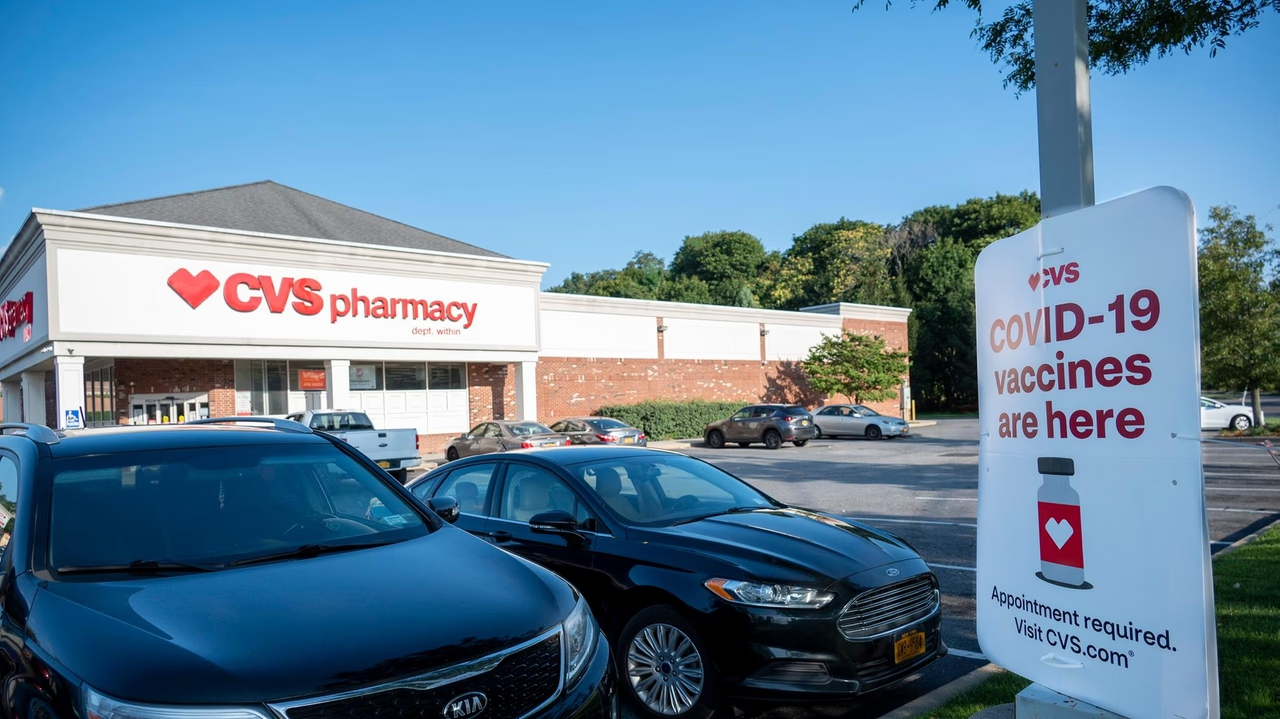
CVS has reversed its decision to offer COVID-19 vaccines without prescriptions in Oregon, citing recent federal guidance that restricts vaccine access to certain groups, and is now requiring prescriptions for vaccination appointments amid ongoing regulatory uncertainty.
New Yorkers seeking the updated COVID-19 vaccine at CVS will need a prescription, as federal health officials no longer recommend the vaccine for everyone over 6 months old without consultation. CVS will administer the vaccine in 14 states, including New York, until a federal advisory panel makes further recommendations next month. The FDA has authorized new vaccines for those 65 and older and individuals with certain health conditions, but broader recommendations are pending, with potential impacts from recent CDC leadership changes.
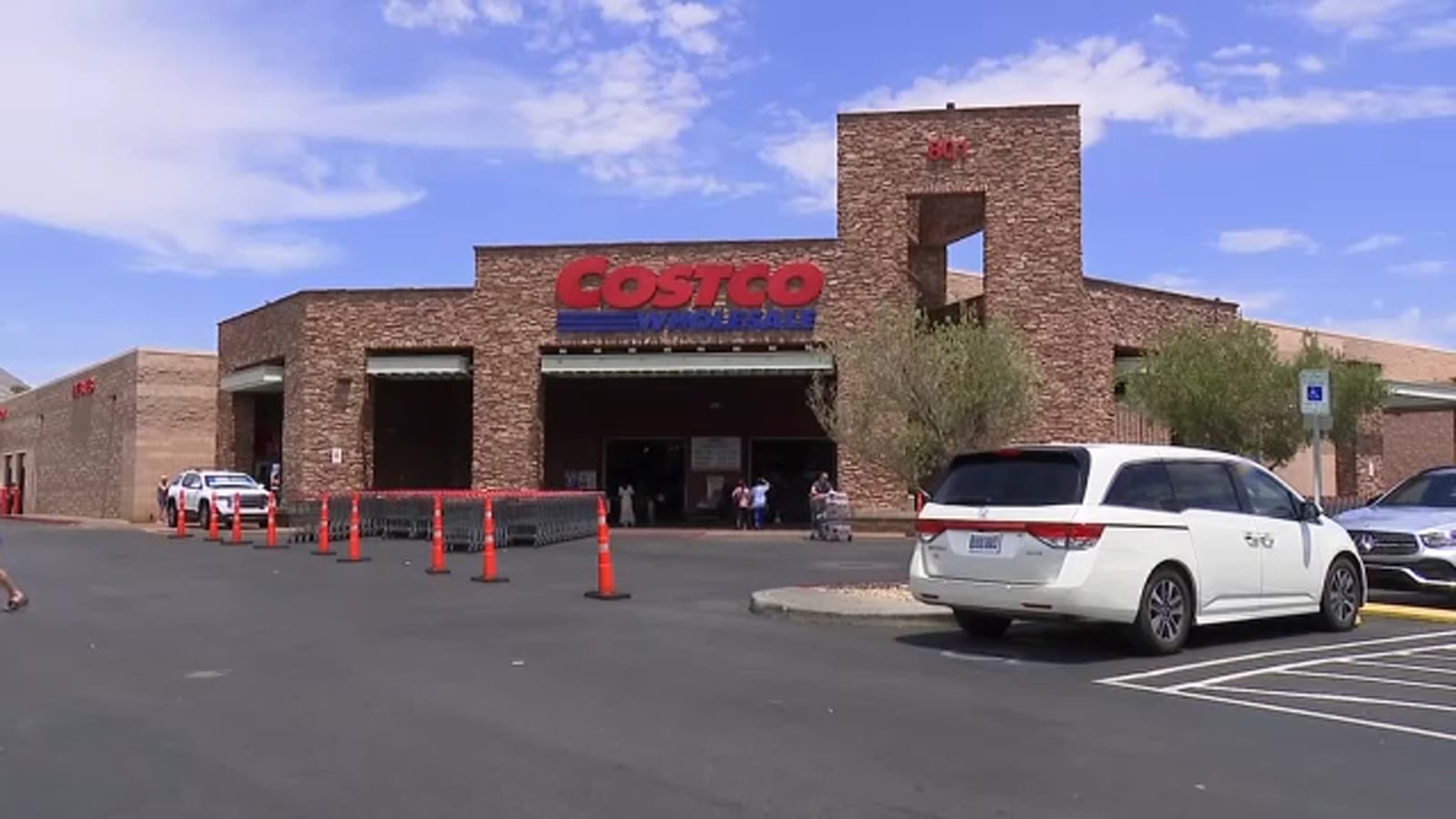
Costco is now offering its US members access to prescriptions for GLP-1 weight loss drugs through its healthcare partner Sesame, which includes a renewable three-month program with video consultations, prescriptions, and ongoing support. The cost of medication is not included in the $179 three-month plan, and without insurance, GLP-1s can cost between $950 and $1,600 per month. This move aims to address the growing interest in weight loss medications among various demographics, with other companies like WeightWatchers and luxury gyms also entering the space.
Costco is now offering its US members access to prescriptions for GLP-1 weight loss drugs through its health care partner Sesame, with a three-month program that includes a video consultation with a weight loss doctor or specialist, a GLP-1 or weight loss prescription, if appropriate, and ongoing support through unlimited messaging and guidance with a health care provider. The cost of medication is not included in the $179 three-month plan, and without insurance, GLP-1s can cost between $950 and $1,600 per month. This move comes as the use of GLP-1 drugs for weight loss is on the rise, with other companies and providers also entering the market to offer these medications and related services. JPMorgan researchers estimate that 30 million people may be taking GLP-1 drugs by 2030, or around 9% of the US population.
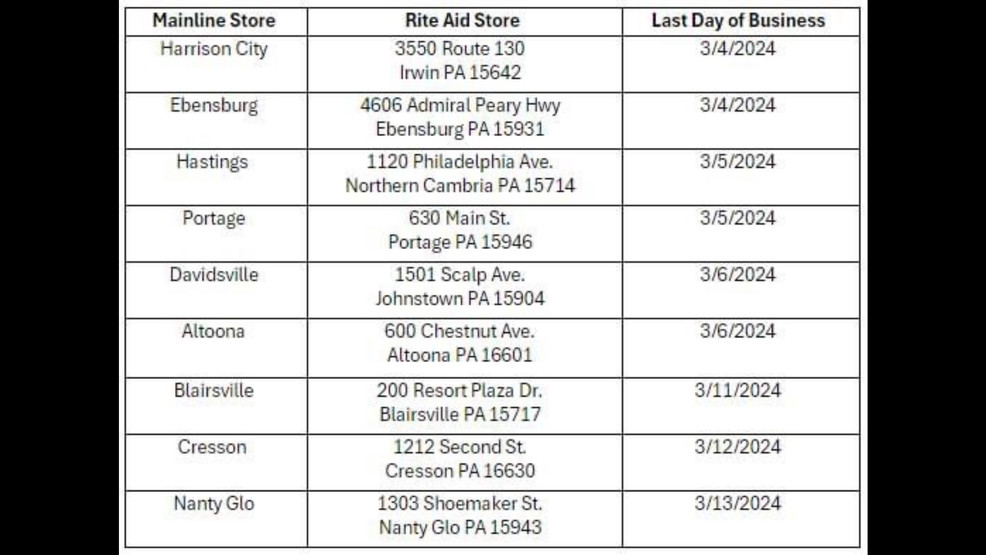
Mainline Pharmacy is closing most of its locations due to the high cost of medications versus low reimbursement from Pharmacy Benefit Managers, resulting in a loss of over $350,000 from filling over 17,500 prescriptions this year. Rite Aid will take over prescriptions for affected patients, with only the Somerset and LTC locations remaining open for now.
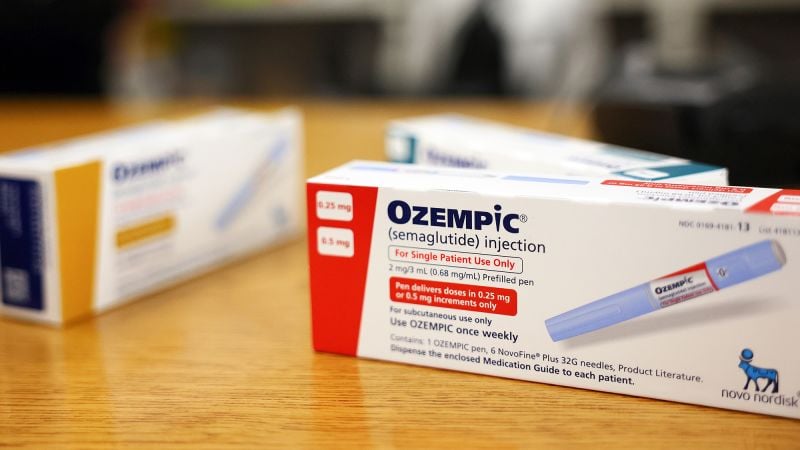
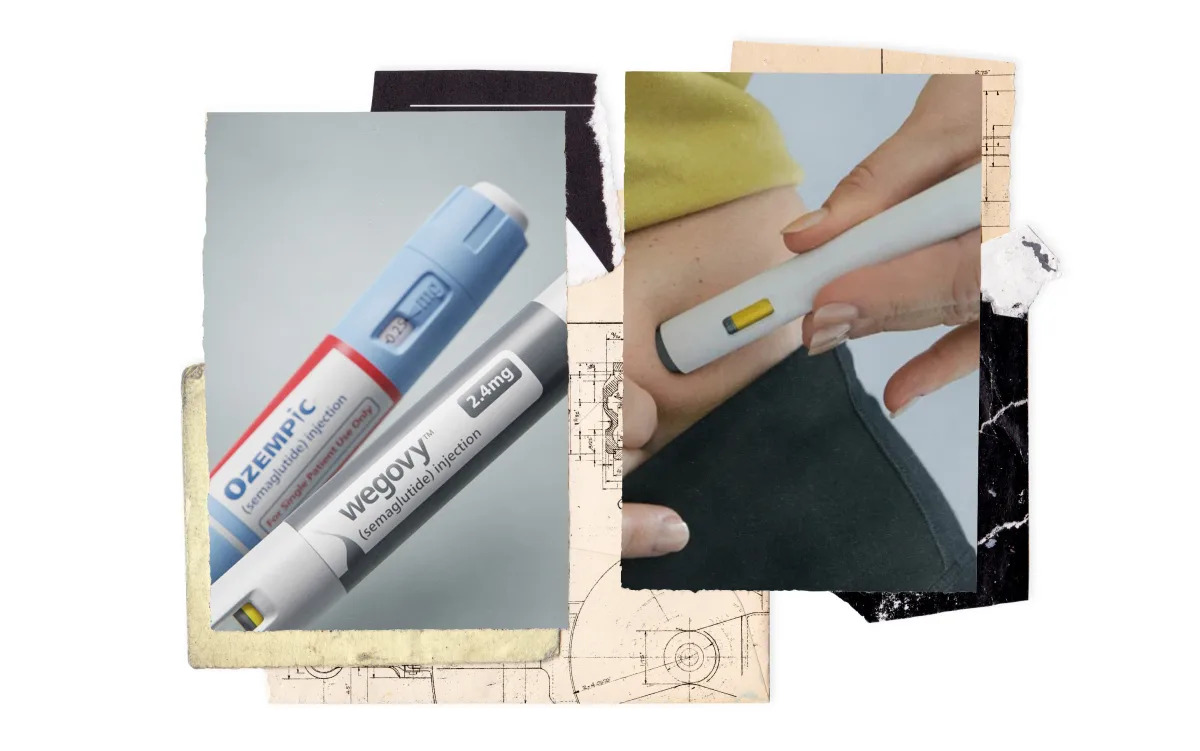
The demand for weight-loss drugs like Ozempic and Wegovy has surged, with the highest rates of prescriptions in Kentucky, West Virginia, Alaska, Mississippi, and Louisiana. Data from 1.9 billion claims shows that these states also have high rates of obesity and diabetes. However, despite their popularity and efficacy, taking these drugs can lead to serious side effects, including pancreatitis, bowel obstructions, and thoughts of suicide.
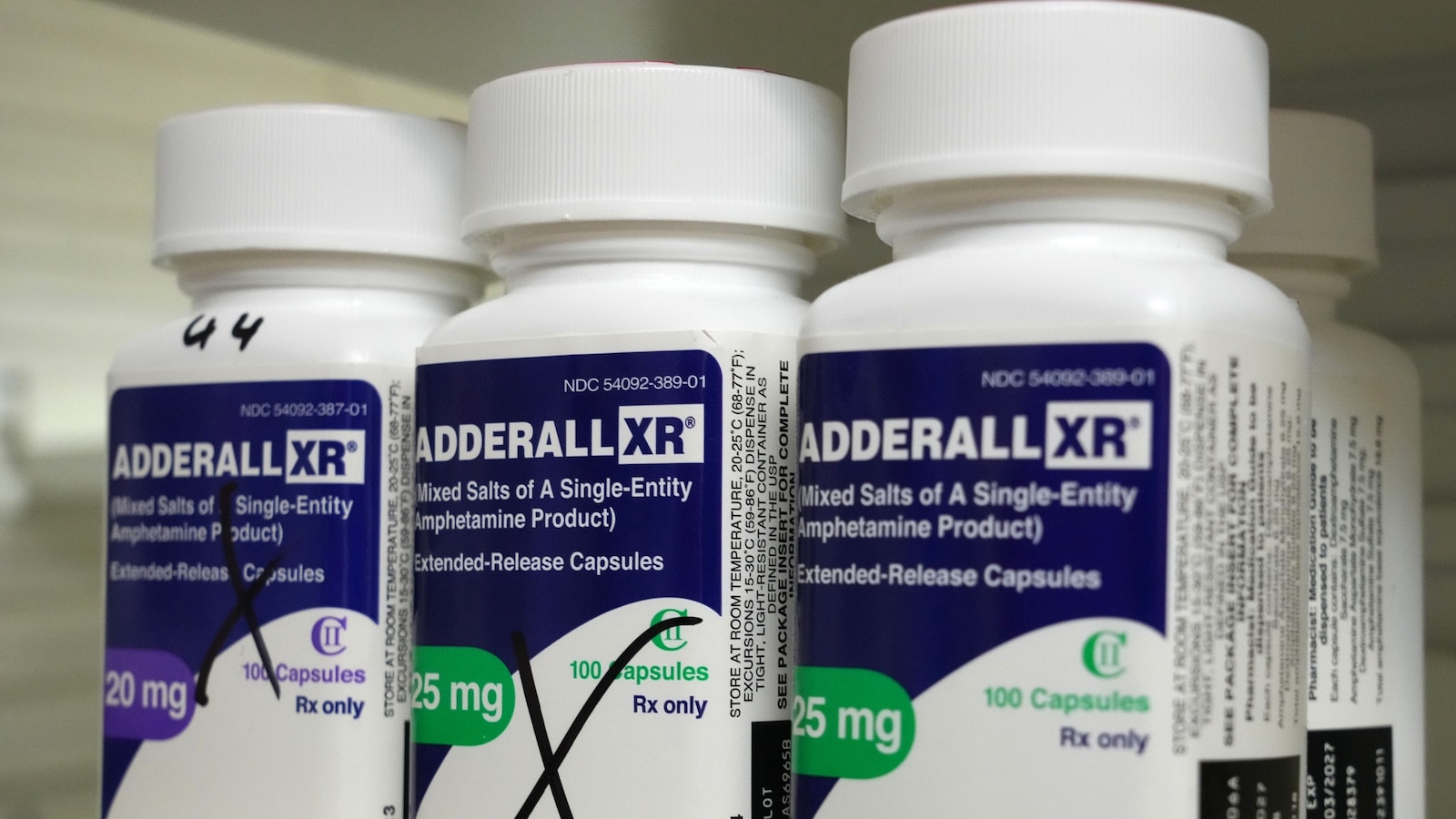
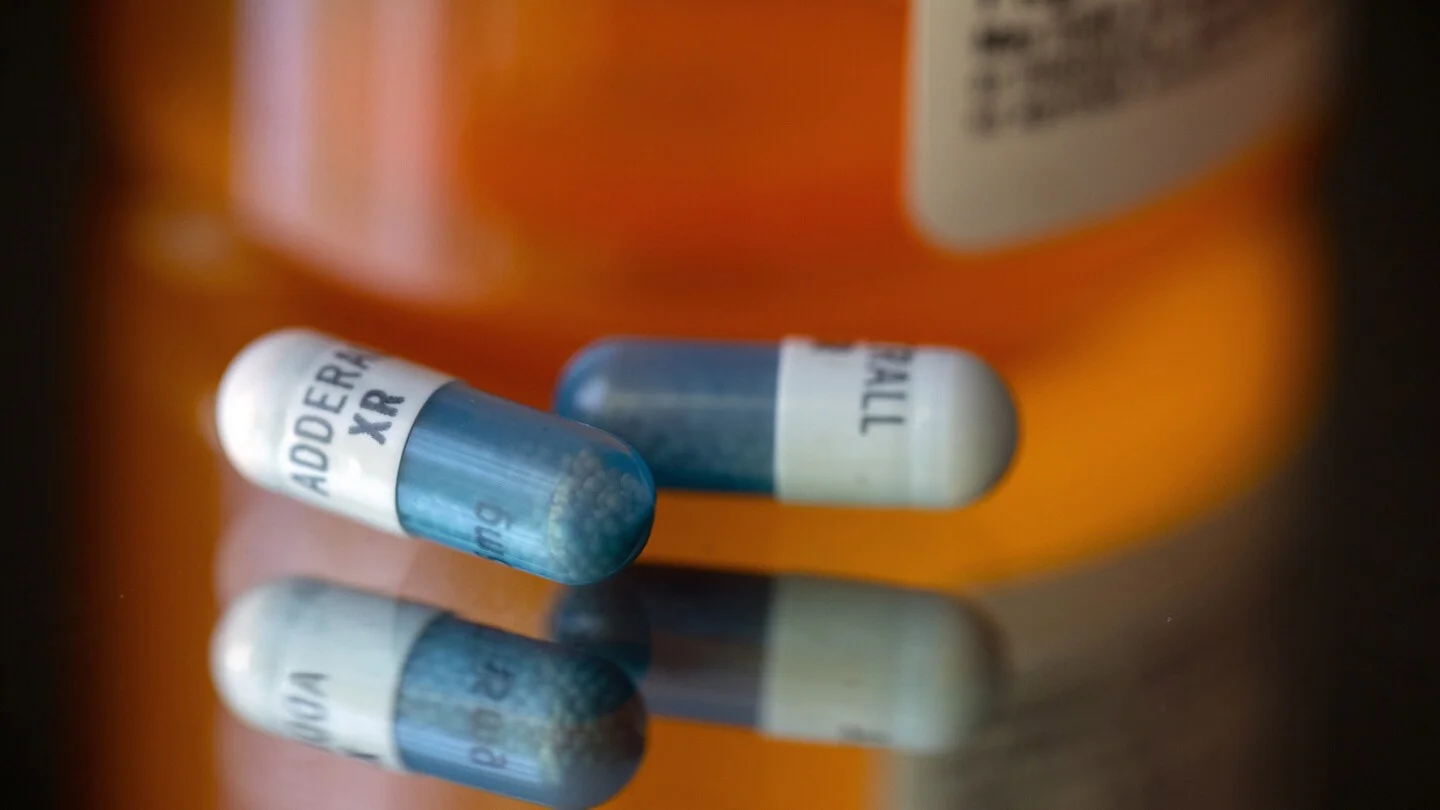
Prescriptions for ADHD medications surged by over 14% during the pandemic, leading to a shortage that persists today, with nearly 6 million new prescriptions in the first two years of the pandemic, fueled by an increase in ADHD prescriptions among young adults and women. The FDA declared a nationwide shortage of Adderall, a commonly prescribed ADHD medication, in 2022, and while some manufacturers continue to have supply issues, the FDA reports that supply is increasing and advises consumers to work with their healthcare providers to determine their best treatment options.
The COVID-19 pandemic led to a surge in new prescriptions for ADHD treatments among adults, contributing to ongoing shortages of these medications. Telemedicine made it easier for adults to seek help, and the shift to remote work made some individuals more aware of their own ADHD symptoms. The increased demand for ADHD medications, combined with manufacturing issues, has led to shortages, causing frustration for both doctors and patients. The shortage of ADHD drugs is part of a larger trend of drug shortages in the U.S., including cancer treatments, with predicting demand and production limitations contributing to the problem.
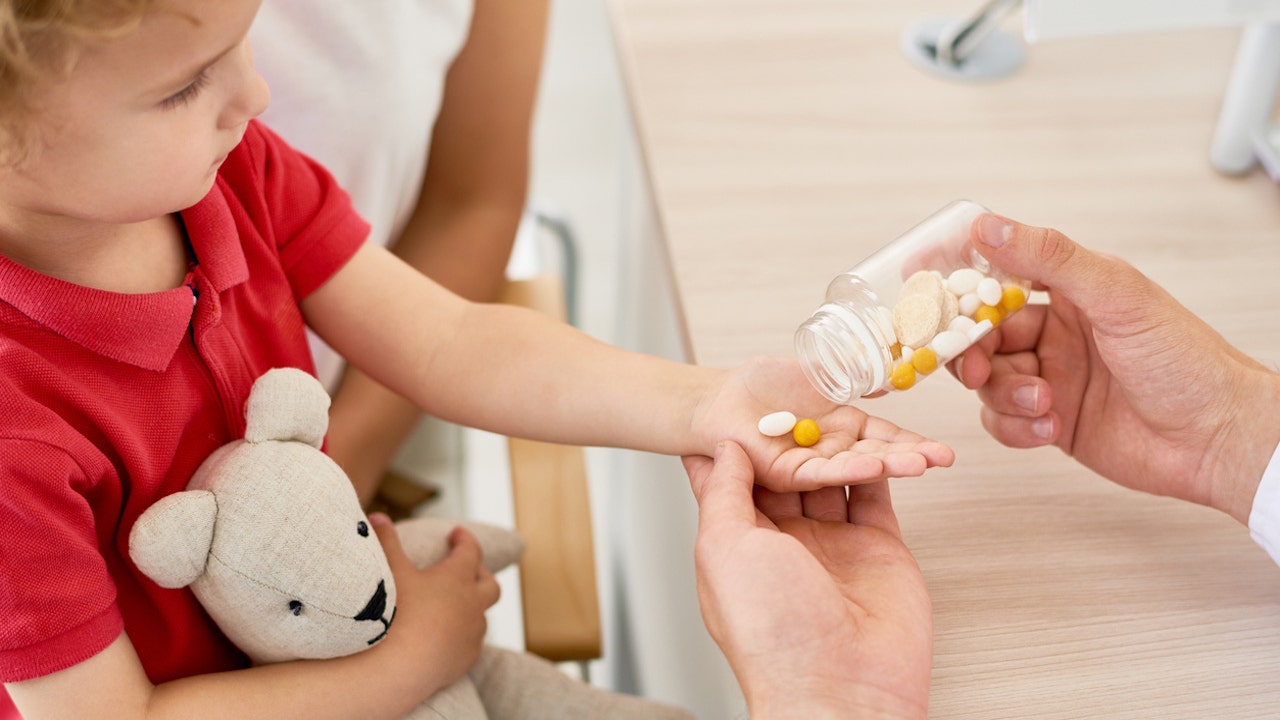
A recent study at the Center for Injury Research and Policy at Nationwide Children's Hospital found that medication errors for attention-deficit/hyperactivity disorder (ADHD) have increased by nearly 300% between 2000 and 2021 for individuals under 20 years old. The study analyzed data from U.S. poison centers and identified 87,691 cases of prescription mistakes, with an average of 3,985 errors per year. The majority of errors (76%) involved male patients, and children between 6 and 12 years old accounted for 67% of the errors. The most common types of errors included taking medication twice, taking someone else's medication, and taking the wrong medication. The study highlights the need for improved patient and caregiver education, as well as better medication dispensing and tracking systems to prevent future errors.
The popularity of weight loss drugs Ozempic and Mounjaro has surged, with prescriptions increasing 2,082% in the last three years. However, the drugs are expensive, with a 30-day supply costing between $1,000 and $1,200. Telehealth providers like PlushCare and Push Health offer prescriptions for the drugs, but patients should proceed with caution and work with accredited agencies. Patients seeking the drugs overseas or in Canada face dosing and administering issues. Side effects can be severe, and doctors recommend using a body composition scale to track weight loss and ensure the drugs are working as intended.