A comprehensive study reveals that stillbirths in the U.S. are more frequent than previously reported, with nearly 19,000 occurring between 2016 and 2022, highlighting a significant public health concern despite advances in prenatal care.
The NYDOH warns of rising congenital syphilis cases and infant deaths in New York, highlighting the importance of early screening and treatment during pregnancy to prevent severe health outcomes and fatalities associated with the disease, which is largely preventable with proper healthcare access.
Syphilis infections, particularly among Native Americans, have surged to alarming levels, with the Navajo Nation experiencing some of the highest rates in the U.S. The shortage of penicillin, compounded by the diversion of public health resources to COVID-19 care, has exacerbated the situation. Factors such as limited access to prenatal care, mistrust of healthcare providers, and the closure of labor and delivery wards have contributed to the spread of the disease. Efforts to combat the epidemic include expanding access to prenatal care in rural Indigenous communities, increased testing and treatment, and the use of innovative approaches such as providing testing and treatment in the field.
A new report from the CDC shows that the rate of syphilis in pregnant women in the U.S. has tripled since 2016, leading to a concerning rise in congenital syphilis. Dr. Amy Banulis, an OB-GYN, emphasizes the importance of early testing and treatment for syphilis in pregnant women to prevent transmission to their babies, as congenital syphilis can lead to severe and potentially life-threatening complications. She urges universal testing for all pregnant women and stresses the need for safe sexual practices and regular testing as preventive measures.
Without proper treatment, STDs could leave newborns in harm’s way, especially in Mississippi where cases are spiking sharply. The U.S. Supreme Court's decision on abortion has impacted clinical care for women, making STD testing and treatment critical for pregnant mothers and their babies. The rising rates of sexually transmitted infections, particularly syphilis, are causing severe and lifelong birth defects, but these infections can be easily and effectively treated with proper prenatal care and education.
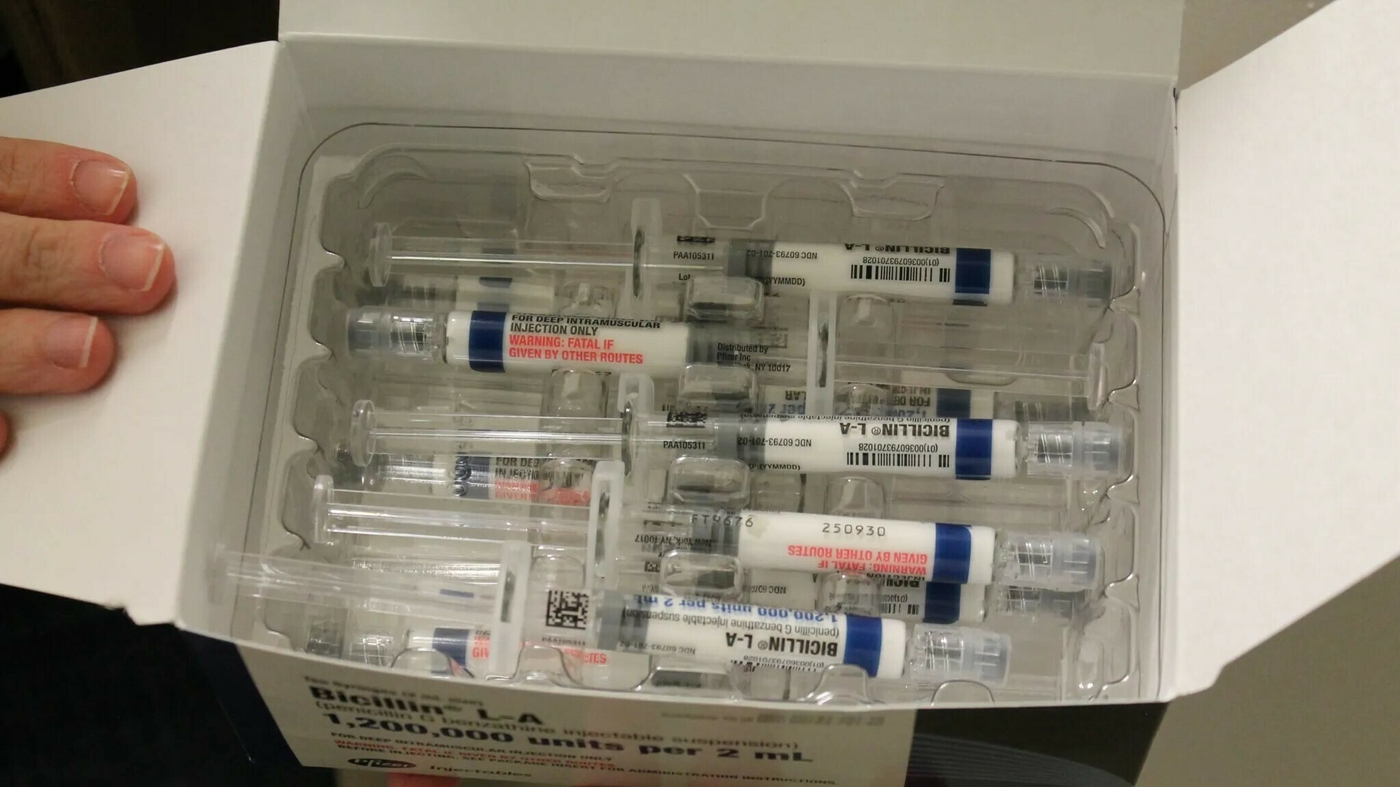
A surge in syphilis cases, reaching a 70-year high nationwide, has led to a shortage of injectable penicillin, the primary treatment for the disease, prompting public health agencies to recommend rationing the drug and prioritizing pregnant patients due to the risk of congenital syphilis. The shortage, exacerbated by increased demand and manufacturing challenges, has forced some clinics to use alternative treatments and strategize on how to manage the situation. The rise in syphilis cases has also highlighted gaps in prenatal care and testing, contributing to the spread of the disease and the alarming increase in congenital syphilis cases.
A CDC report reveals that maternal syphilis rates in the US have tripled since 2016, leading to a significant increase in congenital syphilis cases and posing a serious risk to infants. The surge in cases is attributed to untested and untreated mothers, with the majority of cases being preventable with better testing and treatment. Access to timely treatment is lacking and unequal, with clinic hours and testing methods posing barriers. Maternal syphilis rates vary widely across the country, with the highest rates among younger mothers and certain ethnic groups. The Biden administration has established a federal task force to address the epidemic, but experts express concerns about the lack of new resources and funding to effectively combat the rising rates.
Healthcare leaders in North Carolina are raising concerns as syphilis cases surge, particularly among newborns. The state has already witnessed five stillbirths and neonatal deaths due to congenital syphilis this year. The trend mirrors a national increase reported by the CDC, with 3,761 babies born with syphilis in 2021 compared to 335 a decade ago. Experts attribute the rise to missed opportunities for prevention, including inadequate prenatal care and insufficient testing. Healthcare providers are being urged to screen pregnant women three times during their pregnancy, as the majority of syphilis infections in pregnant women are asymptomatic at the time of diagnosis.
The North Carolina Department of Health and Human Services has issued a public health alert after five stillbirths or neonatal deaths were linked to congenital syphilis. There has been a significant increase in reported syphilis cases among women in the state, leading to an associated rise in congenital syphilis infections. The department identified several areas of concern, including a lack of prenatal care, missed opportunities for testing during pregnancy, and inadequate or delayed treatment of maternal syphilis infections. It is crucial for all pregnant women to be screened for syphilis at least three times during pregnancy, as sexually transmitted infections can still be present without symptoms.
The number of cases of congenital syphilis in the United States has increased more than tenfold over the past decade, with over 3,700 cases reported in 2022, according to the Centers for Disease Control and Prevention (CDC). Congenital syphilis can lead to miscarriage, stillbirth, and severe developmental delays in infants. The rise in cases is attributed to a breakdown in the public health infrastructure, including inadequate prenatal care, late or no testing, and insufficient treatment. The National Coalition of STD Directors is calling for $1 billion in federal funding and a White House syphilis response coordinator to address the crisis. Other sexually transmitted infections, such as chlamydia and gonorrhea, are also on the rise.
Prenatal care is crucial for the health of expectant mothers and babies, with folate being one of the most important nutrients recommended during pregnancy. Folate, also known as vitamin B9, plays a vital role in the formation of DNA and RNA, making it essential for rapid cell growth, particularly during pregnancy. It helps prevent birth defects and is beneficial for the functioning of the digestive system, prevention of common cancers, cardiovascular disease, infertility, stroke, dementia, and Alzheimer's disease. Folic acid, the synthetic supplement form of folate, is better absorbed and commonly recommended for pregnant women. Folate-rich foods include dark green vegetables, asparagus, avocado, black-eyed peas, kidney beans, and broccoli. It is also recommended for all women of reproductive age to take 400 micrograms of folic acid daily, which can be obtained through fortified foods or supplements.
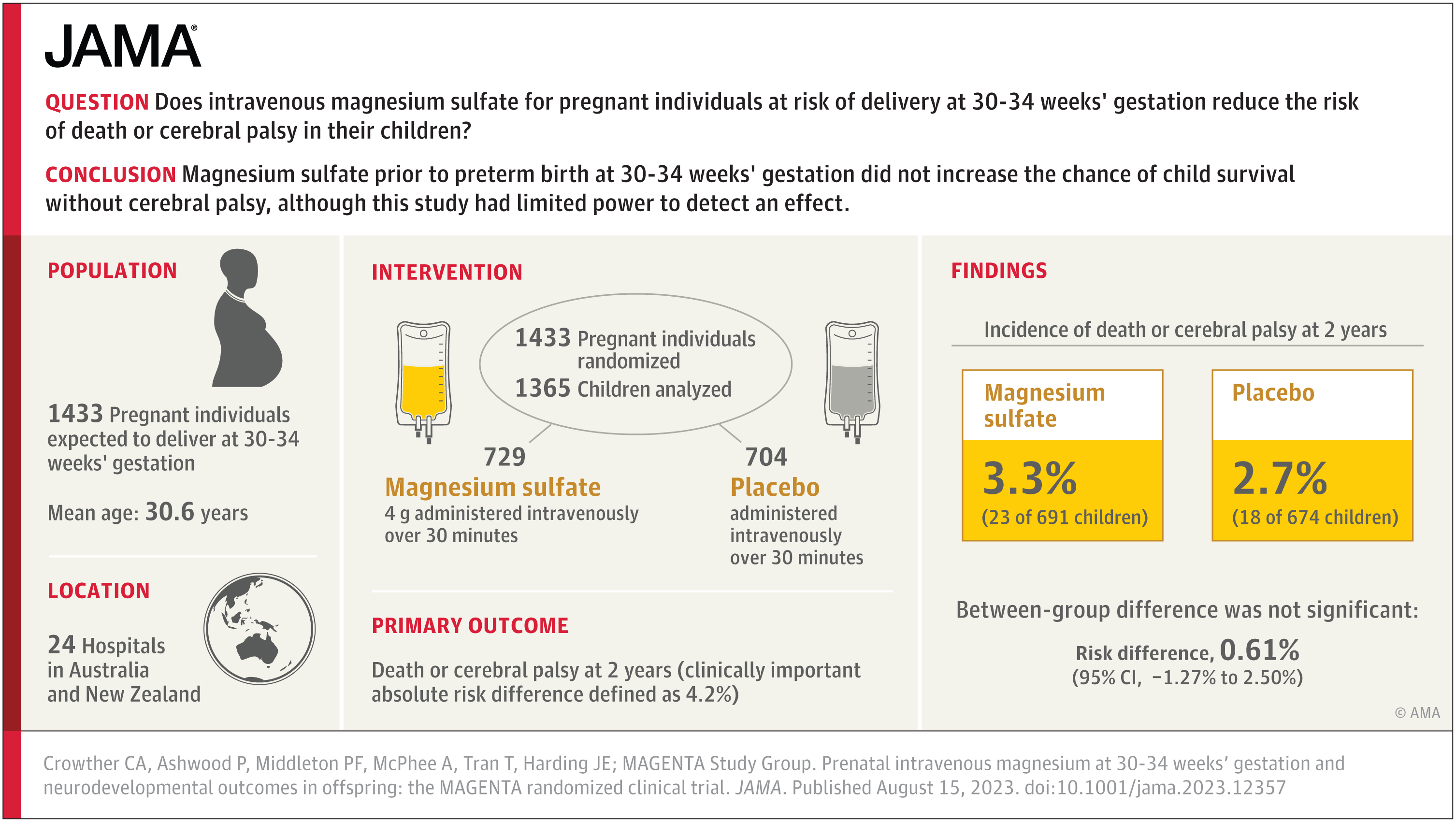
A randomized clinical trial involving 1433 pregnant individuals at risk of preterm delivery and their 1679 infants found that intravenous magnesium sulfate administered between 30 and 34 weeks' gestation did not significantly reduce the risk of death or cerebral palsy in the children at 2 years of age. While the study showed that magnesium sulfate did not increase the chance of child survival without cerebral palsy, it had limited power to detect small differences between the groups.
Health officials in Hawaii are calling for expanded screening and treatment as syphilis cases, particularly among women and newborns, continue to rise. The number of babies born with congenital syphilis has dramatically increased, highlighting the need for immediate attention. Health officials recommend regular testing for sexually active individuals with risk factors and three rounds of syphilis screening for pregnant individuals. Late or no prenatal care has been linked to most cases of congenital syphilis, prompting the call for enhanced screening in healthcare interactions beyond prenatal care. Early detection and prompt treatment are crucial in preventing the severe health impacts of syphilis, including stillbirth or death shortly after birth.
A study conducted in Sweden found that infants have an increased risk of preterm birth when both parents have psychiatric diagnoses. The research analyzed data from over 1.5 million live births and observed a trend towards earlier gestational age in offspring of parents with psychiatric disorders. The risk of preterm birth was further elevated when both parents had a diagnosis. The study highlights the importance of considering both parents' psychiatric histories and suggests that additional social support and prenatal care for families with a positive psychiatric history could potentially impact gestational age.
A study conducted by Kaiser Permanente Northern California (KPNC) found that combining in-office visits with telemedicine for prenatal care is an effective alternative, particularly for individuals facing access barriers. The study evaluated the outcomes of a multimodal model of in-office visits and telemedicine during the COVID-19 pandemic and found that it was associated with similar maternal and newborn outcomes compared to in-office only care. The proportion of telemedicine visits increased from 11.1% to 21.3%, and there were no significant differences in primary health outcomes except for an increase in neonatal intensive care unit (NICU) admission rates. The study suggests that the multimodal model shows promise for improving access to prenatal care.