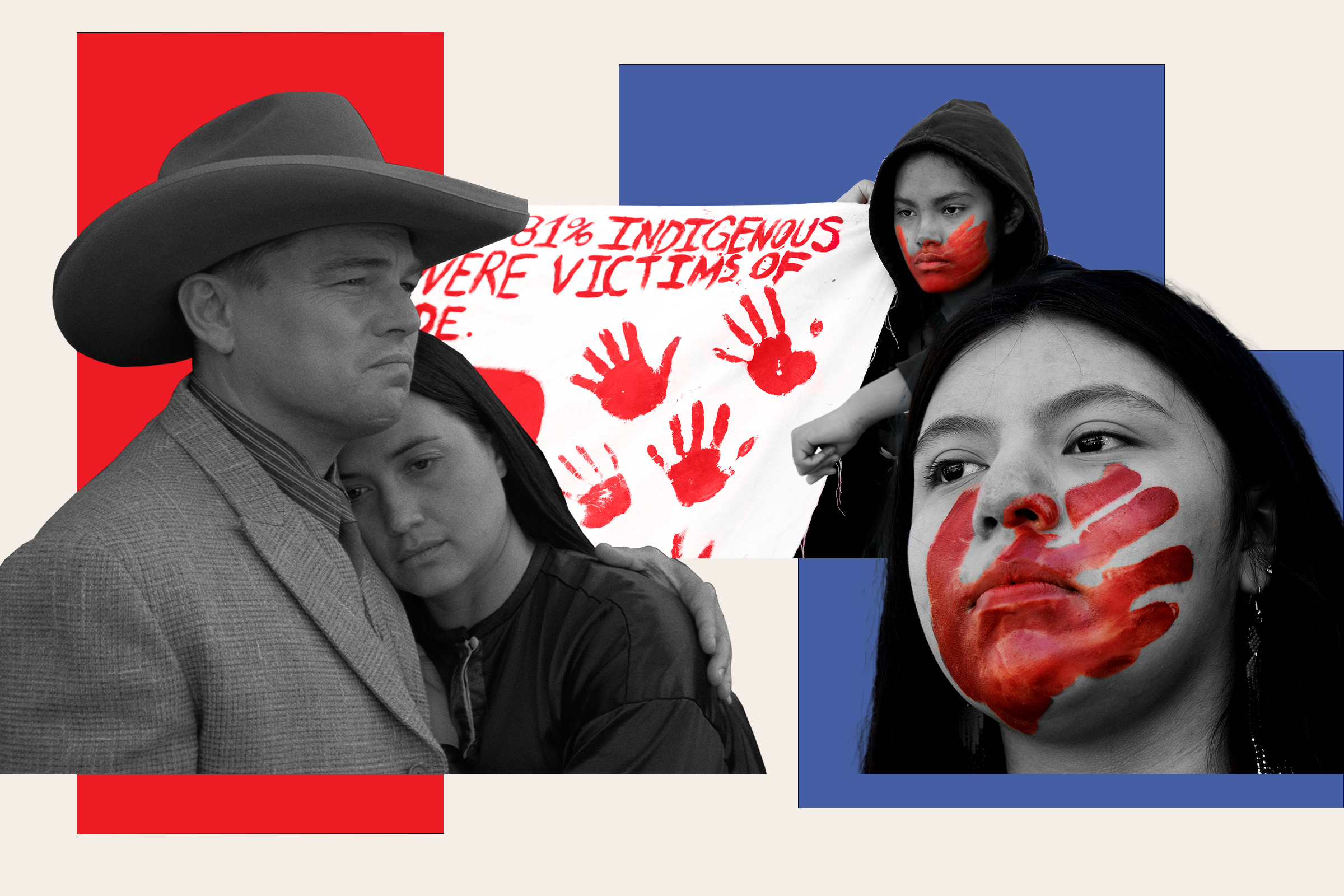
The Prairie Band Potawatomi Nation faced backlash after signing a nearly $30 million federal contract to design immigration detention centers, a move that conflicts with their historical experiences and values. The tribe is seeking to withdraw from the contract amid criticism and questions about transparency and the selection process, highlighting tensions between tribal economic interests and cultural values in the context of U.S. immigration enforcement.
A mitochondrial DNA study reveals at least two waves of migration from Asia to the Americas, with early migrations occurring during the last Ice Age via the Pacific coast rather than the Bering Land Bridge, and genetic links also connecting Native Americans, China, and Japan, including contributions to the Japanese Ainu gene pool.
Many Americans celebrated Indigenous Peoples Day with events honoring Native culture, while some states recognized it officially. President Biden acknowledged both Indigenous Peoples Day and Columbus Day, but Trump reversed this, emphasizing Columbus's legacy, which drew criticism from Native communities. The article highlights ongoing debates about Columbus's historical impact, efforts for inclusion and healing, and recent policy changes supporting tribal colleges and addressing historical injustices.
The Pentagon has decided to keep medals awarded to soldiers at the 1890 Wounded Knee Massacre, a move condemned by Native American groups who see it as celebrating a tragic event and undermining efforts for truth and reconciliation. The decision, supported by Defense Secretary Pete Hegseth, has sparked controversy, with critics arguing it dishonors Native American victims and history.
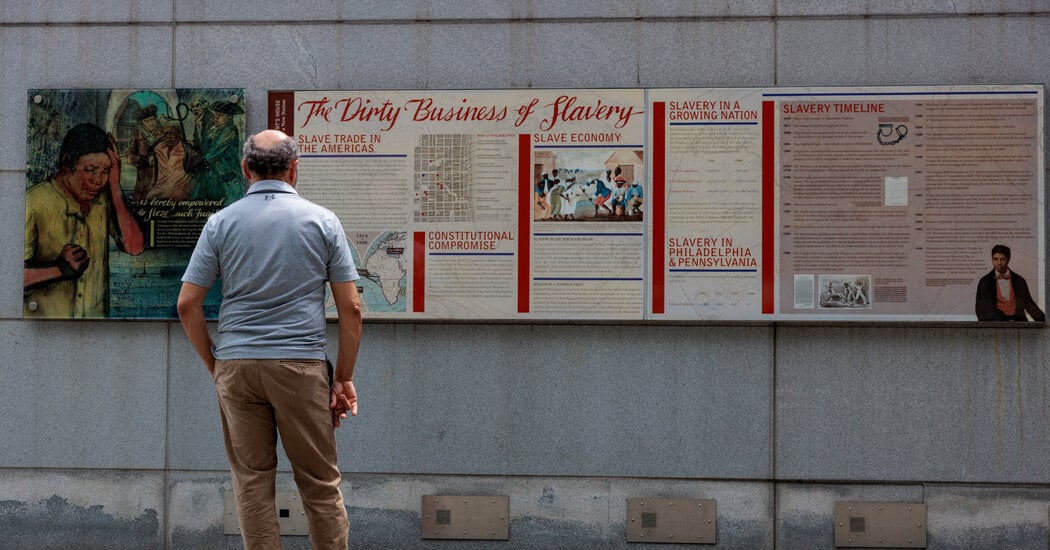
The Trump administration has ordered several National Park Service sites to remove or cover materials related to slavery and Native American history, including a powerful Civil War-era photograph, as part of an effort to promote a more positive view of American history.
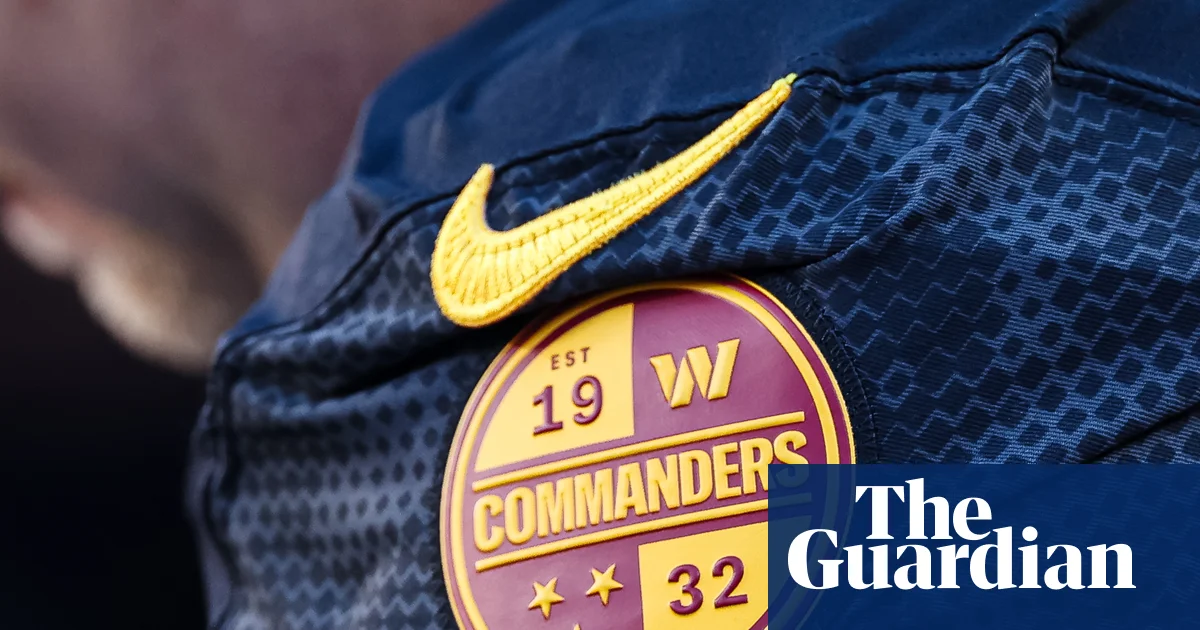
Donald Trump called for the NFL's Washington Commanders and MLB's Cleveland Guardians to revert to their previous names out of respect for Native Americans, criticizing recent name changes as erasing heritage. The Guardians, formerly known as the Indians, and the Commanders, previously the Washington Football Team, have both undergone name changes amid cultural sensitivity debates. Team owners have indicated no plans to revert to old names, despite Trump's demands.
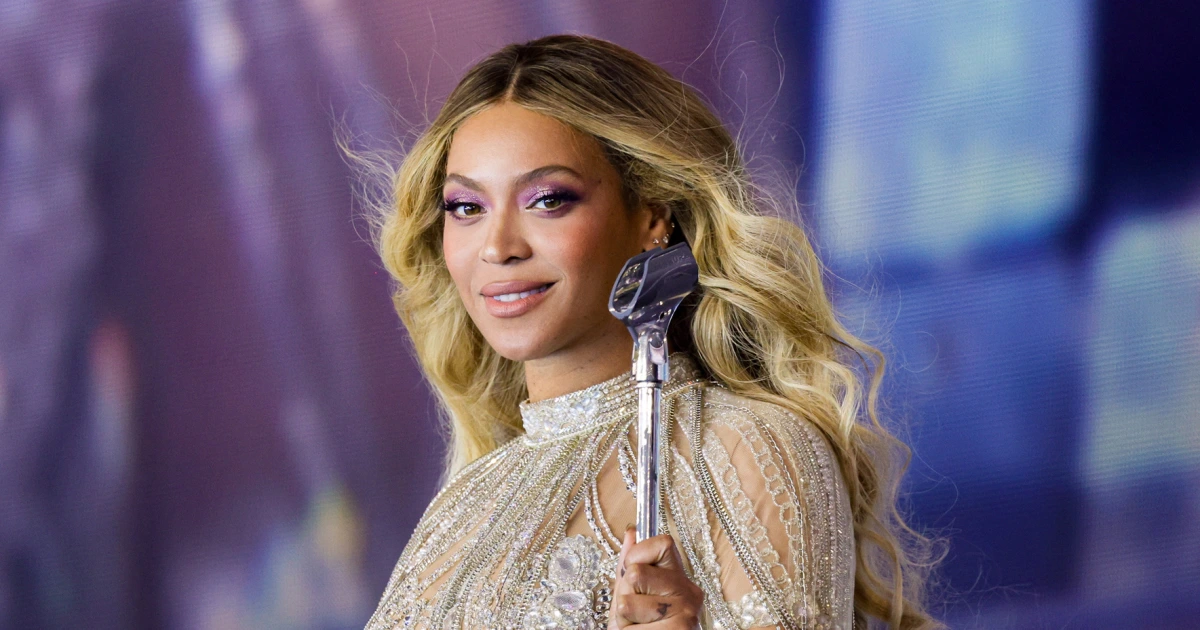
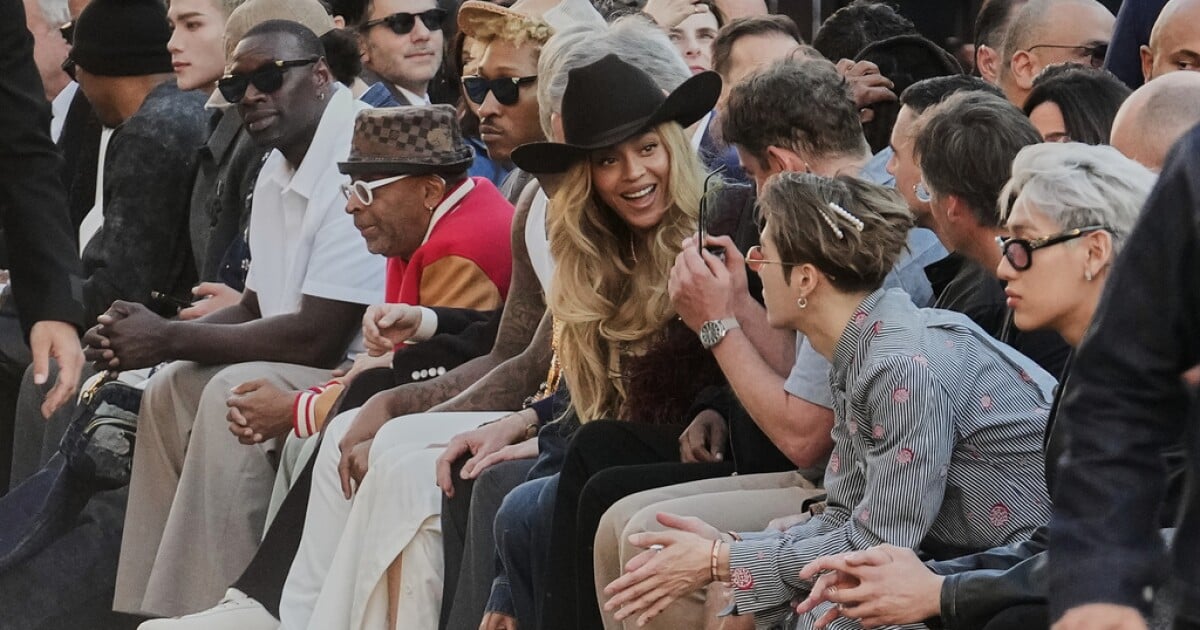
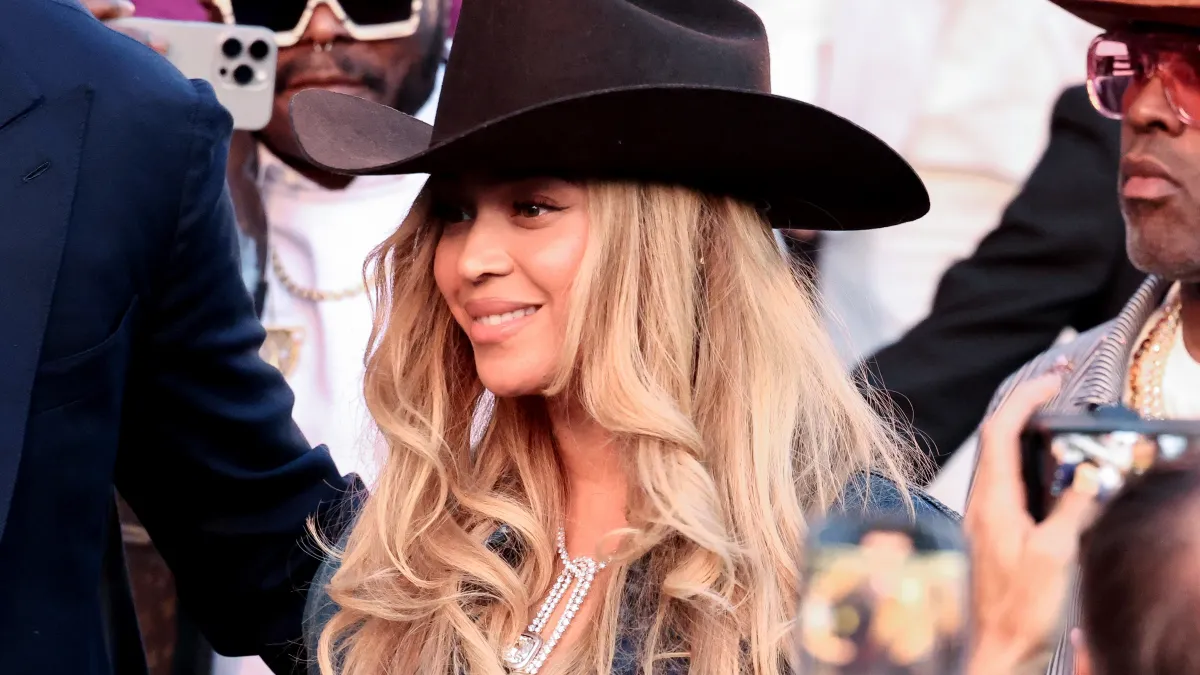
Beyoncé faced criticism for wearing a T-shirt during her Paris concert that depicted Buffalo Soldiers and described Native Americans as enemies of peace, sparking debate over the portrayal of American history and Indigenous communities.
Beyoncé faced criticism for wearing a T-shirt during a performance that depicted Buffalo Soldiers in a way that many viewed as disrespectful to Native Americans, sparking discussions about historical framing and cultural sensitivity.
Beyoncé faced criticism for wearing a T-shirt during a concert that depicted Buffalo Soldiers and included language framing Native Americans as enemies of peace, sparking debate over historical representation and cultural sensitivity.
Beyoncé faced criticism for wearing a T-shirt during her Paris concert that depicted Buffalo Soldiers with language framing Native Americans as enemies of peace, sparking debate over historical representation and cultural sensitivity.
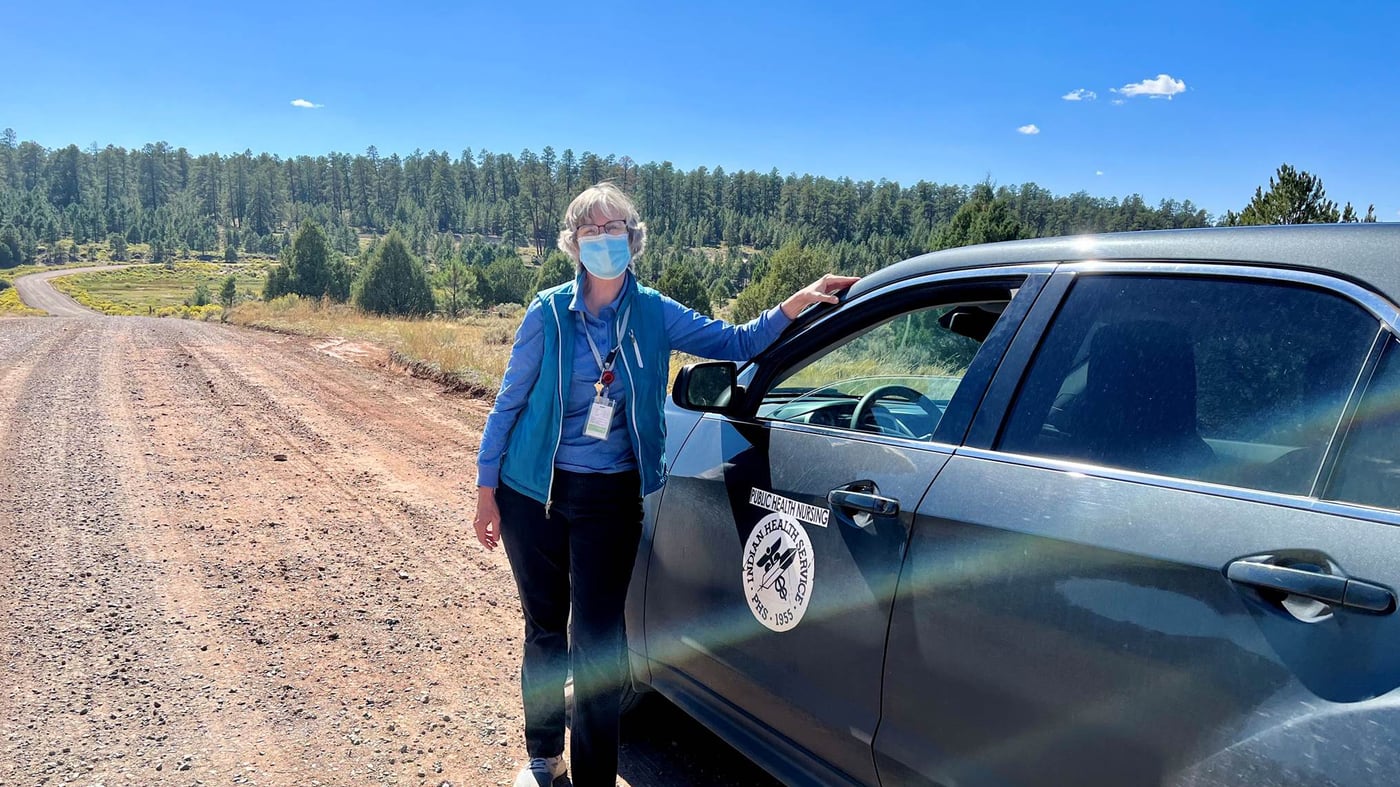
Syphilis infections, particularly among Native Americans, have surged to alarming levels, with the Navajo Nation experiencing some of the highest rates in the U.S. The shortage of penicillin, compounded by the diversion of public health resources to COVID-19 care, has exacerbated the situation. Factors such as limited access to prenatal care, mistrust of healthcare providers, and the closure of labor and delivery wards have contributed to the spread of the disease. Efforts to combat the epidemic include expanding access to prenatal care in rural Indigenous communities, increased testing and treatment, and the use of innovative approaches such as providing testing and treatment in the field.
The partnership between Newsweek and the Osage News aims to shed light on the ongoing crisis of Missing and Murdered Indigenous People in the United States, as highlighted by the film "Killers of the Flower Moon." Despite the film's Oscar buzz and potential historic win for Lily Gladstone, the real stakes lie in addressing the systemic failures and ongoing murders and disappearances among Native people. Law enforcement's lack of action, underreporting, and distrust in justice systems have perpetuated the crisis, prompting calls for community-based solutions and advocacy to address the generational trauma and ongoing racism faced by Indigenous communities.
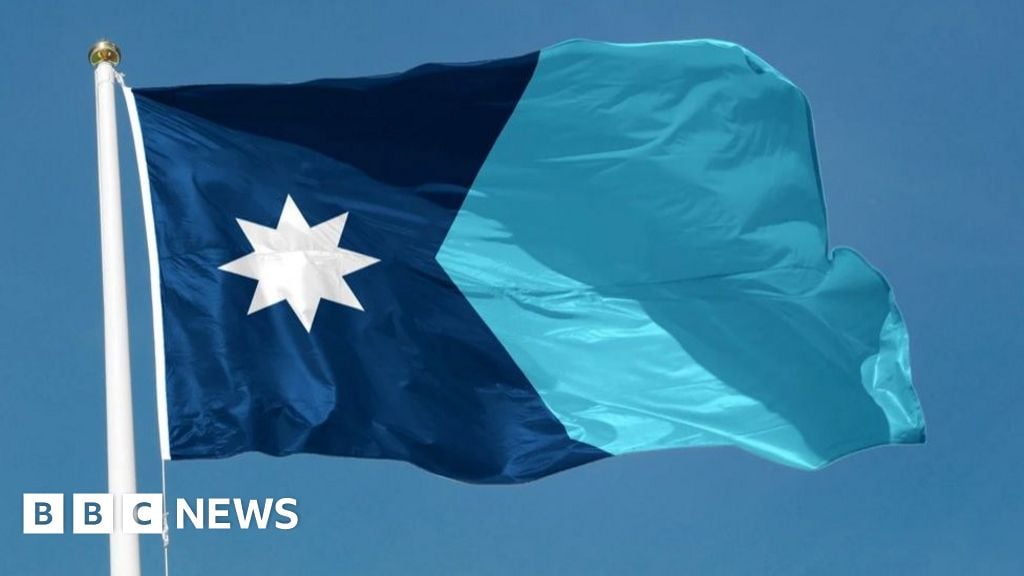
Minnesota has unveiled a new state flag design to replace the current one, which many Native Americans found offensive. The proposed flag features a white eight-pointed star on a dark blue background shaped like the state, symbolizing Minnesota's motto, "Star of the North." The design was approved by the State Emblems Redesign Commission and will become official on May 11th, pending approval by the state legislature. The current flag, featuring a horse-mounted Native American, has been a subject of debate for years. Some have compared the new design to the flag of Puntland, a Somali state, but officials say any similarity is coincidental.
The State Emblems Redesign Commission in Minnesota has chosen a new design for the state flag, replacing the old one that was deemed problematic. The selected design features an eight-pointed star against a navy blue background shaped like Minnesota, next to a solid light-blue field representing the state's waters. The design was a modification of submission F1935, which symbolizes unity and diversity. The new flag design will begin flying on May 11, 2024, pending legislative approval. The original flag, adopted in 1893, depicted imagery that suggested the defeat of Indigenous people, leading to criticism from Indigenous tribes and flag enthusiasts. The new design adheres to the principles of good flag design and has received positive feedback from experts.
Minnesota has unveiled a new state flag featuring a white North star on a dark blue shape of Minnesota, with a light blue background representing the state's waters. The previous flag had drawn criticism for its design and depiction of Native Americans. The new design, selected from 2,500 public submissions, aims to bring unity and pride to the state.