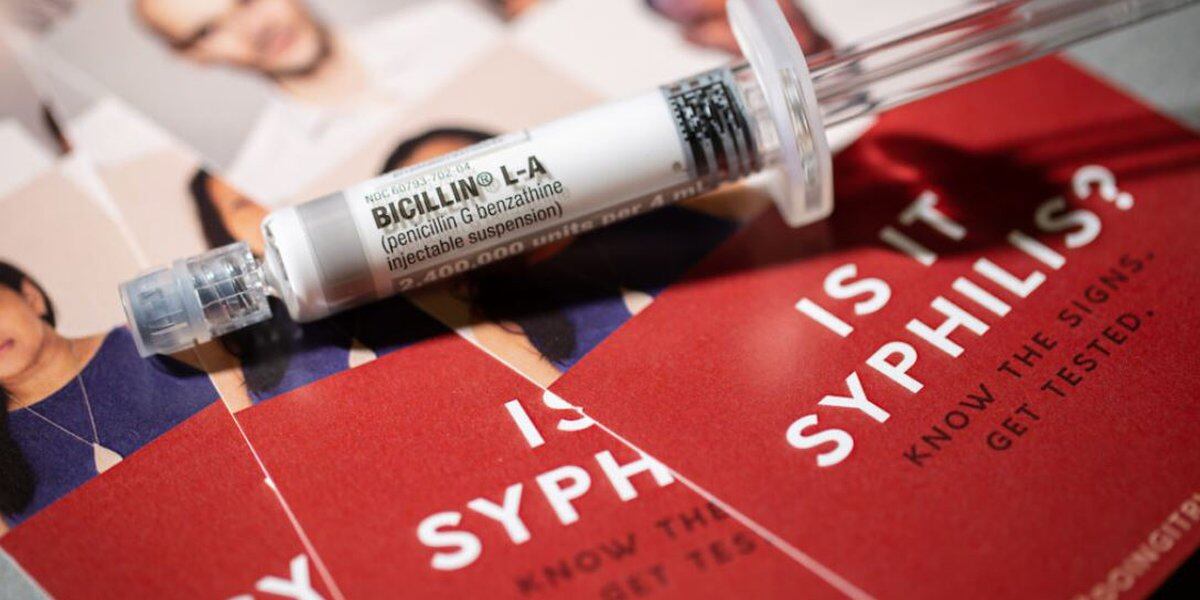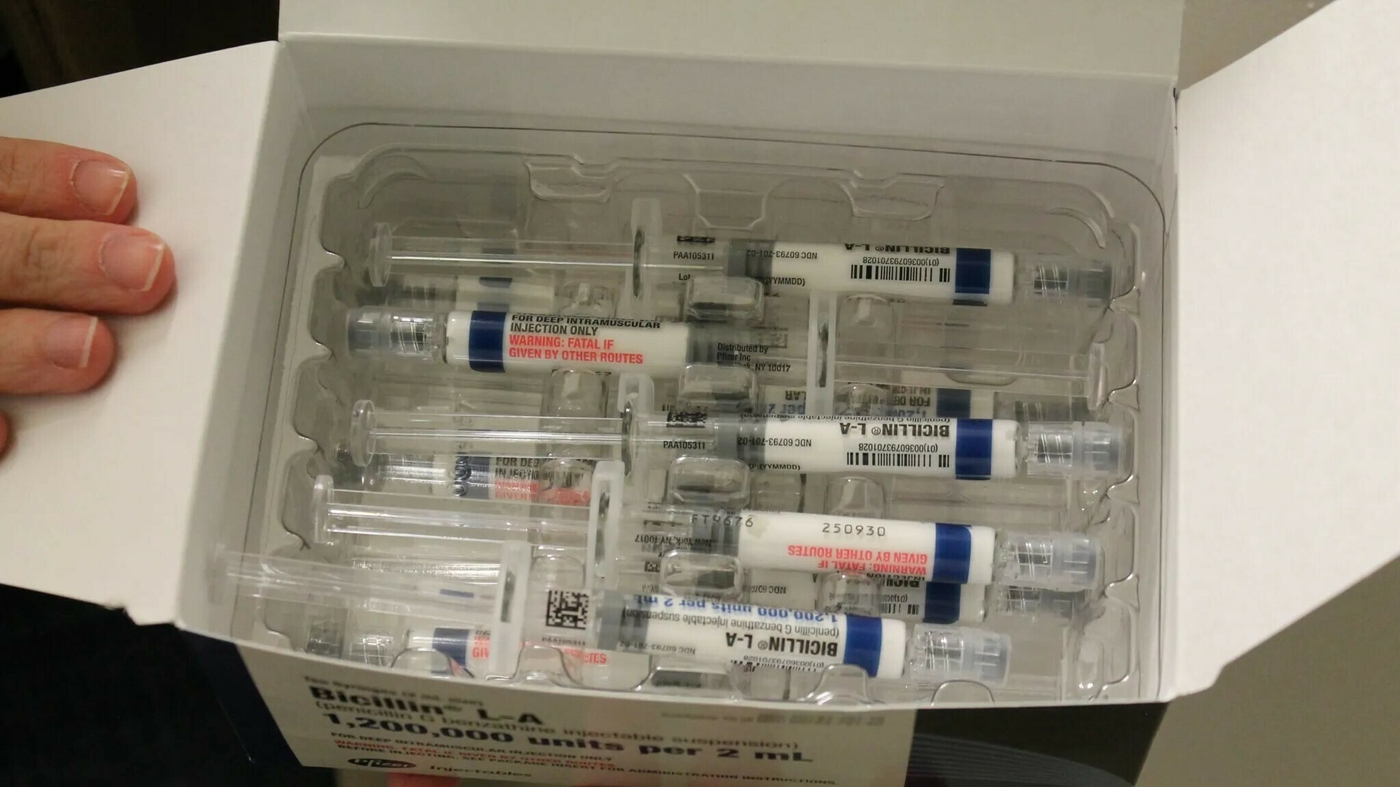
A surge in syphilis cases, reaching a 70-year high nationwide, has led to a shortage of injectable penicillin, the primary treatment for the disease, prompting public health agencies to recommend rationing the drug and prioritizing pregnant patients due to the risk of congenital syphilis. The shortage, exacerbated by increased demand and manufacturing challenges, has forced some clinics to use alternative treatments and strategize on how to manage the situation. The rise in syphilis cases has also highlighted gaps in prenatal care and testing, contributing to the spread of the disease and the alarming increase in congenital syphilis cases.

The Metro Public Health Department in Tennessee has issued a warning about the alarming rise in sexually transmitted infections, particularly syphilis, among pregnant women. Syphilis cases in the state have increased by 80% since 2017, with transmission from mothers to babies rising by 288%. The supply of penicillin, used to treat syphilis, is running low nationally. Chlamydia and gonorrhea have also seen an increase, partly due to asymptomatic cases. Health officials urge consistent use of protection, open conversations about status, and regular testing.
Syphilis cases in Douglas County have reached a record high, while a shortage of penicillin, specifically the children's formulation of Bicillin, used to treat syphilis, is looming. The Douglas County Health Department and Nebraska Medicine are grappling with the shortage, which is not a new issue. The national supply chain for drugs, including antibiotics, cancer medications, and ADHD treatments, is vulnerable due to supply chain problems, production delays, increased demand, and natural disasters. Experts suggest bringing drug manufacturing operations to the United States and enforcing shortage prevention requirements to alleviate the situation. In the meantime, alternative drugs approved in European countries may be used if the supply runs short.