The article discusses the rising incidence of placenta accreta, a life-threatening condition linked to previous C-sections, highlighting its increased prevalence and the tragic case of Holly Baumstark who died due to complications during childbirth. It emphasizes the growing risks associated with cesarean surgeries and their impact on maternal health.
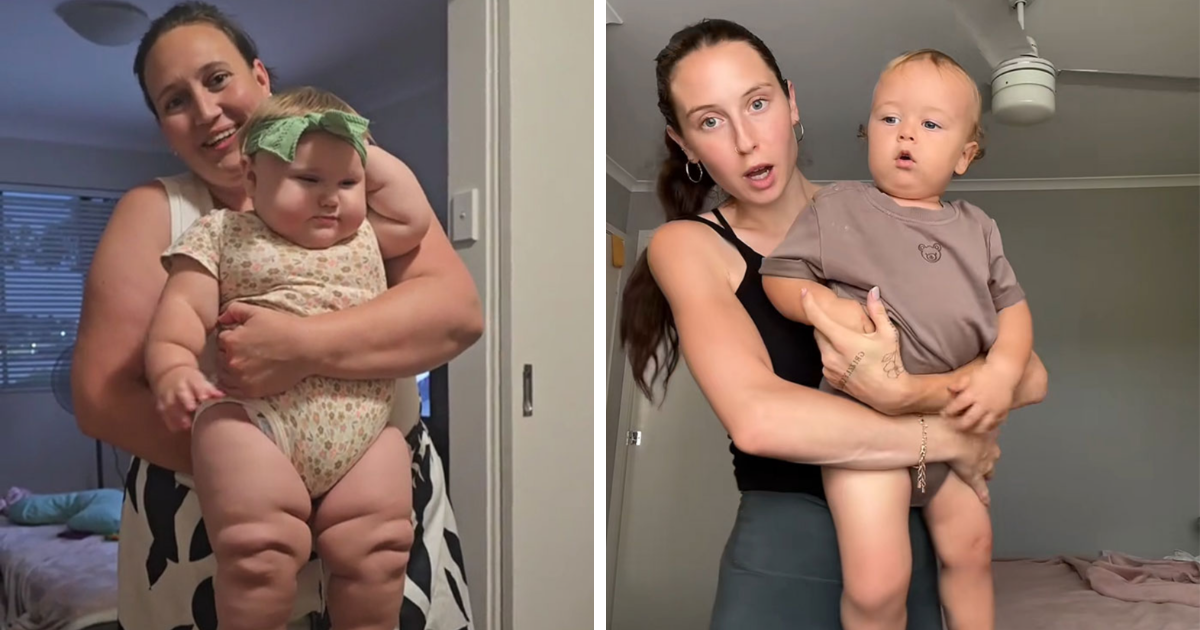
The rise in large babies, linked to fetal macrosomia, is increasing due to factors like gestational diabetes and maternal age, with doctors emphasizing the importance of managing blood sugar levels during pregnancy to reduce risks.
A large study involving over nine million pregnancies links gestational diabetes to increased risks of ADHD and autism in children, as well as cognitive decline in mothers, highlighting the importance of managing maternal glucose levels during pregnancy.
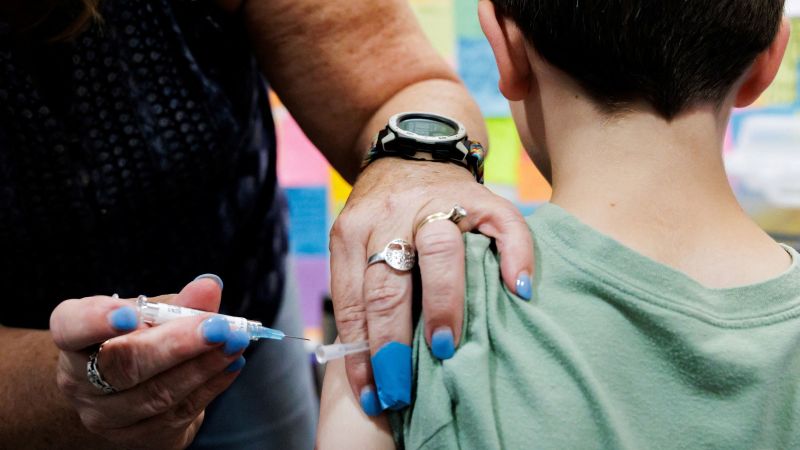
US health officials are analyzing data that may link Covid-19 vaccines to risks in pregnant women and children, while considering narrowing vaccine recommendations for older adults, amid concerns about data interpretation and safety monitoring.
Health and Human Services Secretary Robert F. Kennedy Jr. has stopped recommending routine Covid-19 vaccines for healthy children and pregnant women, sparking controversy and concerns about increased health risks and reduced vaccine access, especially for vulnerable groups like pregnant women and infants. Experts warn that this decision could undermine public health efforts and complicate vaccine coverage and affordability.
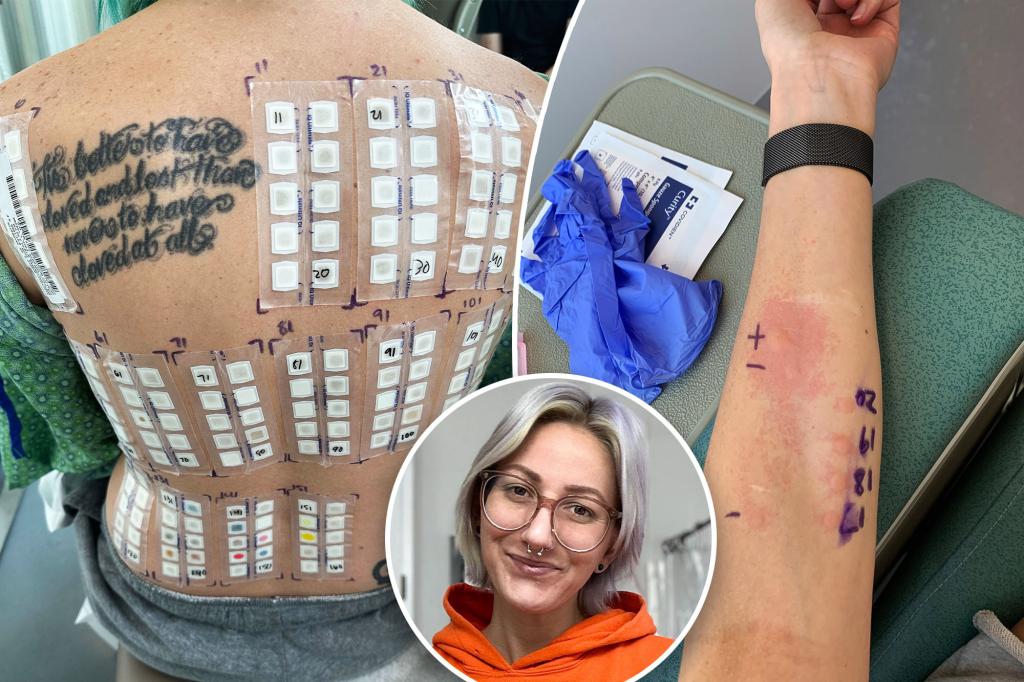
Allison Tennyson, 34, has revealed her struggle with being allergic to semen and condoms, making sexual intimacy excruciating and uncomfortable due to a burning sensation caused by the contact with spermatozoon. Diagnosed with Ehlers-Danlos Syndrome and a blood clotting disorder, she also worries about the risks of pregnancy. Despite the challenges, she remains hopeful about the possibility of having a child in the future. Another woman, Chloe Lowery, also shares a similar rare semen allergy, leading to discomfort and adverse reactions during sexual encounters.
Women with peripartum cardiomyopathy (PPCM) may face increased risks for relapse and other cardiovascular events in future pregnancies, regardless of whether their left ventricular (LV) function recovers. A study found that adverse maternal outcomes were significantly worse among those with persisting LV dysfunction compared to those with recovered LV function. The risk of relapsed PPCM persisted up to 8 years. The study highlights the need for long-term follow-up and multidisciplinary care for women with PPCM, as mortality rates remain high over time. The findings suggest that complete recovery of cardiac function after PPCM does not guarantee a favorable outcome in subsequent pregnancies, and caution should be exercised in considering future pregnancies for women with a history of PPCM.
Experts say there is not enough discussion of the pregnancy risks associated with Ozempic and Wegovy, two weight loss drugs that contain the active ingredient semaglutide. Studies in animals have shown higher rates of miscarriage and birth defects in offspring, leading the FDA to require warnings and follow-up studies. However, warnings are not featured prominently enough in advertisements or drug labeling, and patients are often unaware of the risks. While it is not yet clear whether the drugs pose harm to human pregnancy, experts are calling for more education and awareness campaigns.