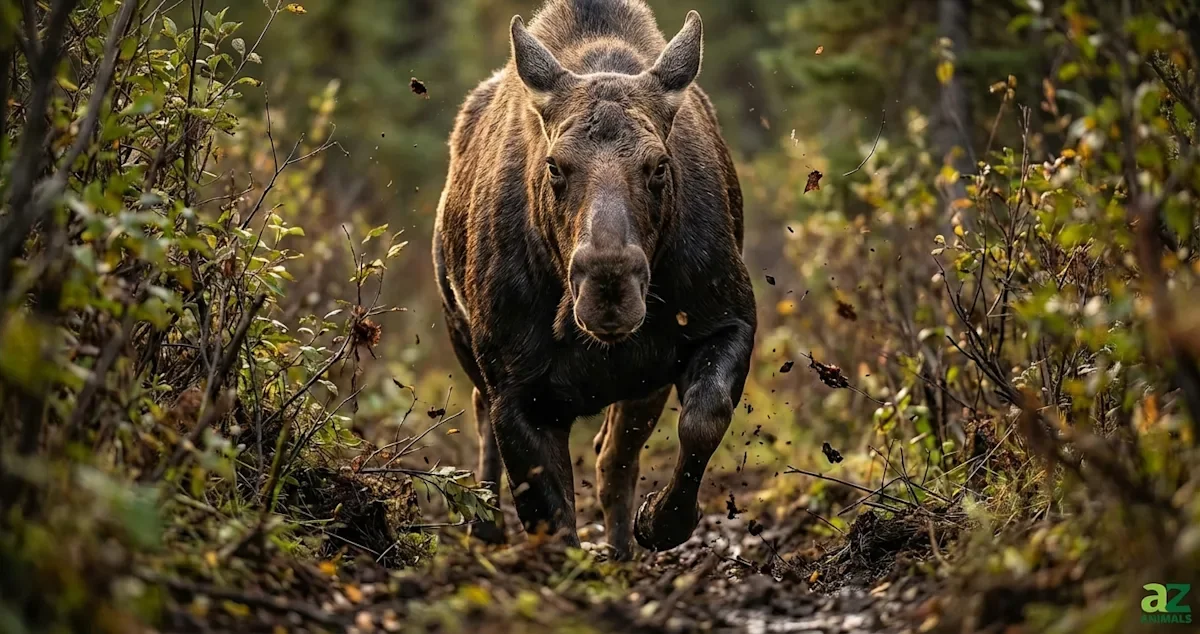
A viral wildlife clip shows a bear cub attempting to attack a moose calf in Alaska, but a protective 800-pound mother moose charges in and drives the cub away, rescuing her calf; experts note black bears prey on moose calves in some areas, and remind viewers to keep distance from moose mothers in the wild.
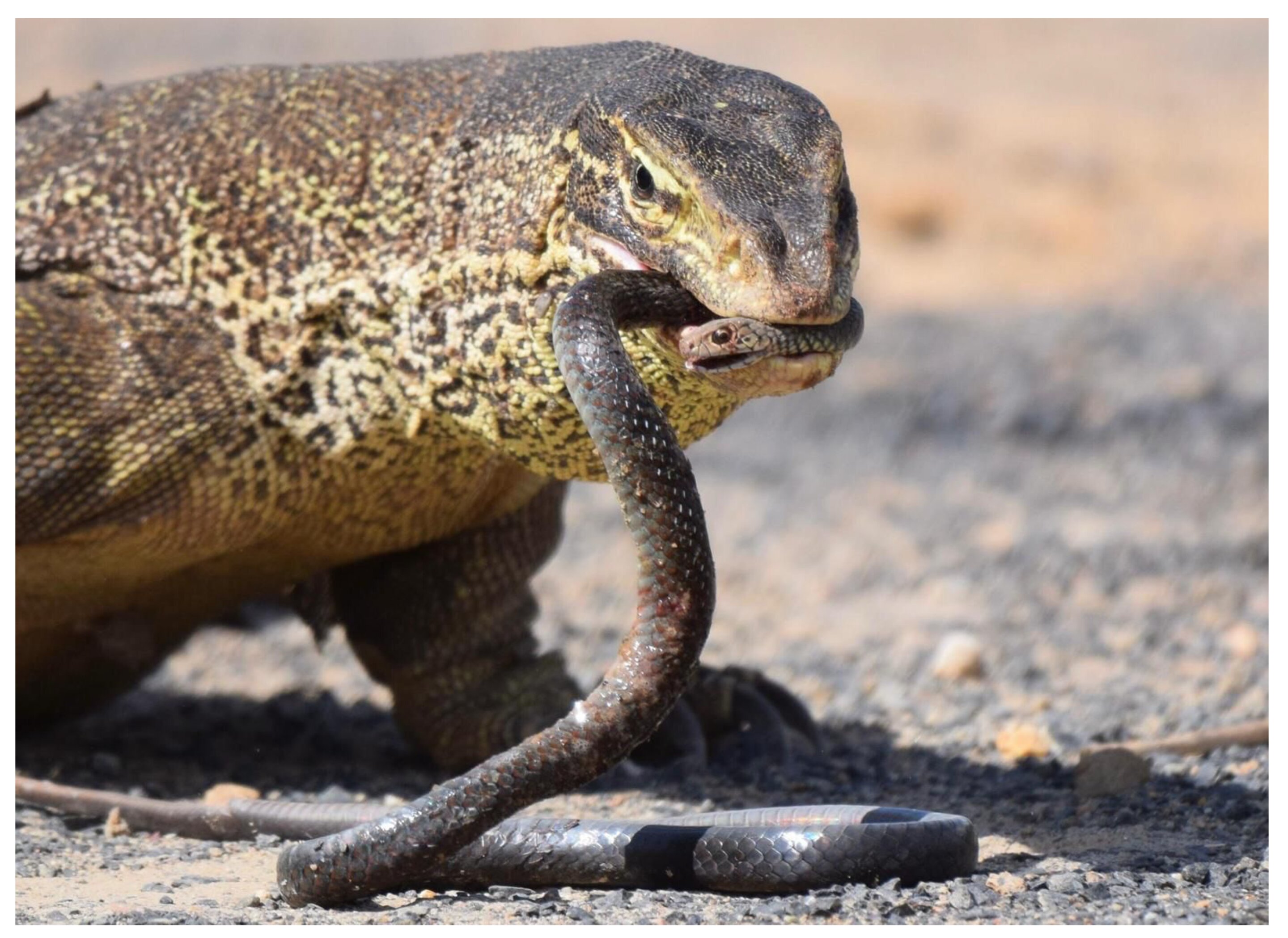
A study led by the University of Queensland has revealed how certain lizards, including Komodo dragons and goannas, have evolved to resist the deadly neurotoxins of venomous Australian snakes. The research found that most large varanid lizards have inherited neurotoxin resistance, possibly due to their predatory lifestyle, while some smaller species lost and regained this resistance as they adapted to different environments. Additionally, the study showed that some lizards rely on their physical build, such as thick scales and large teeth, to protect themselves against snakebites. This research sheds light on the dynamic nature of evolutionary processes in delicate ecosystems and highlights the intense predator-prey dynamic between lizards and snakes.
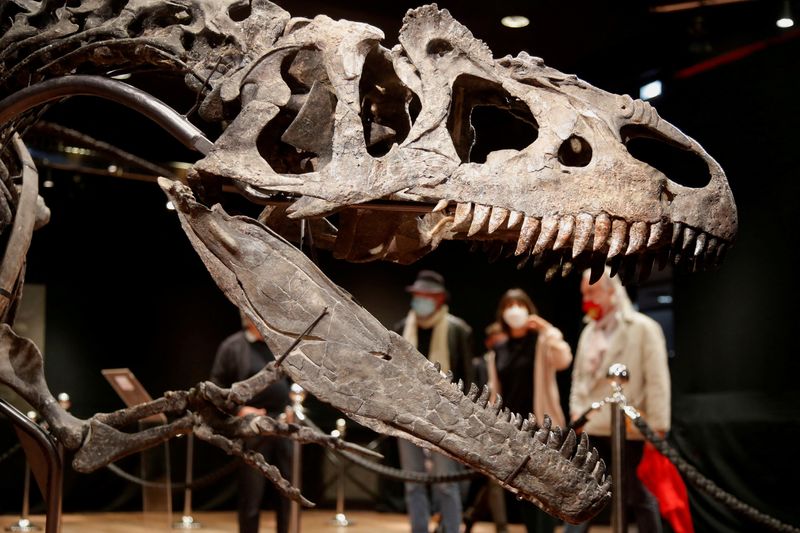
Paleontologists studying bite marks on sauropod bones have concluded that the marks were likely made by scavenging meat-eating dinosaurs rather than predators that actively hunted and killed adult sauropods. The researchers found that the bite marks were more likely to be on the bones of old, sick, injured, or otherwise vulnerable sauropods. The study suggests that it would have been too risky for predators to try to bring down an adult sauropod, which could weigh up to 50 tons. Instead, the large theropods likely targeted and consumed young sauropods, which were more defenseless.
Paleontologists studying bite marks on sauropod bones from the Jurassic Period have concluded that the marks were likely made by scavenging meat-eating dinosaurs rather than predators that actively hunted and killed adult sauropods. The researchers found deep grooves on 68 out of 600 bones examined, suggesting that the scavengers came across the bodies of sauropods that had already died from causes like old age or infirmity. The study also revealed that adult sauropods were likely not targeted by predators due to their massive size and the potential risk involved in attacking them. Instead, predators may have focused on young sauropods, which were more vulnerable.