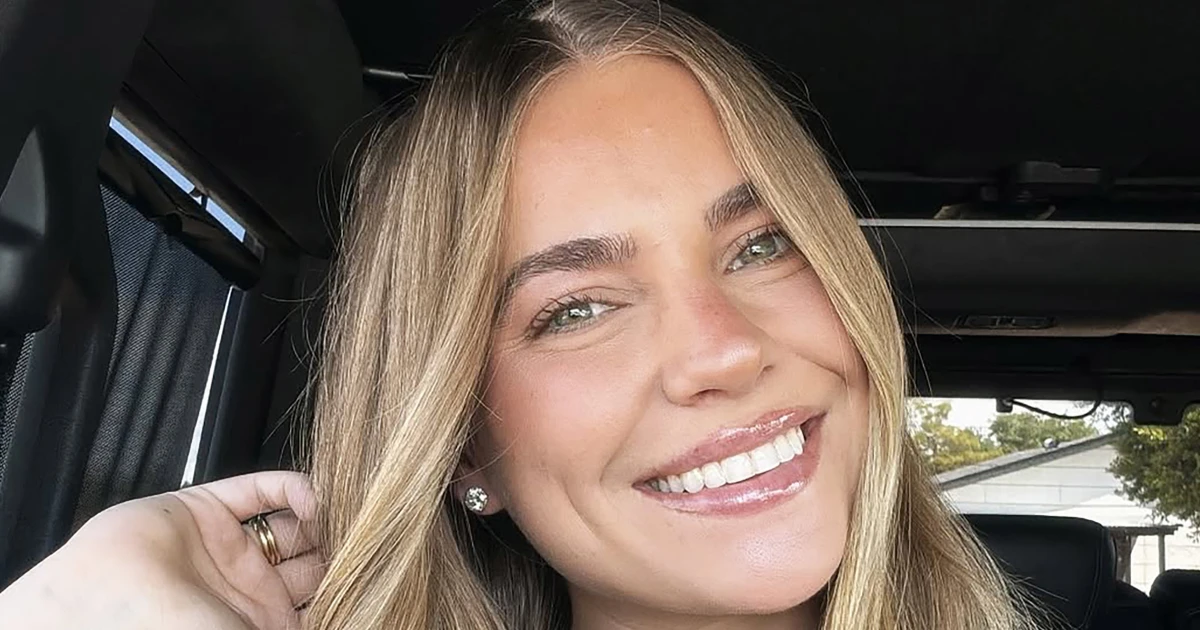
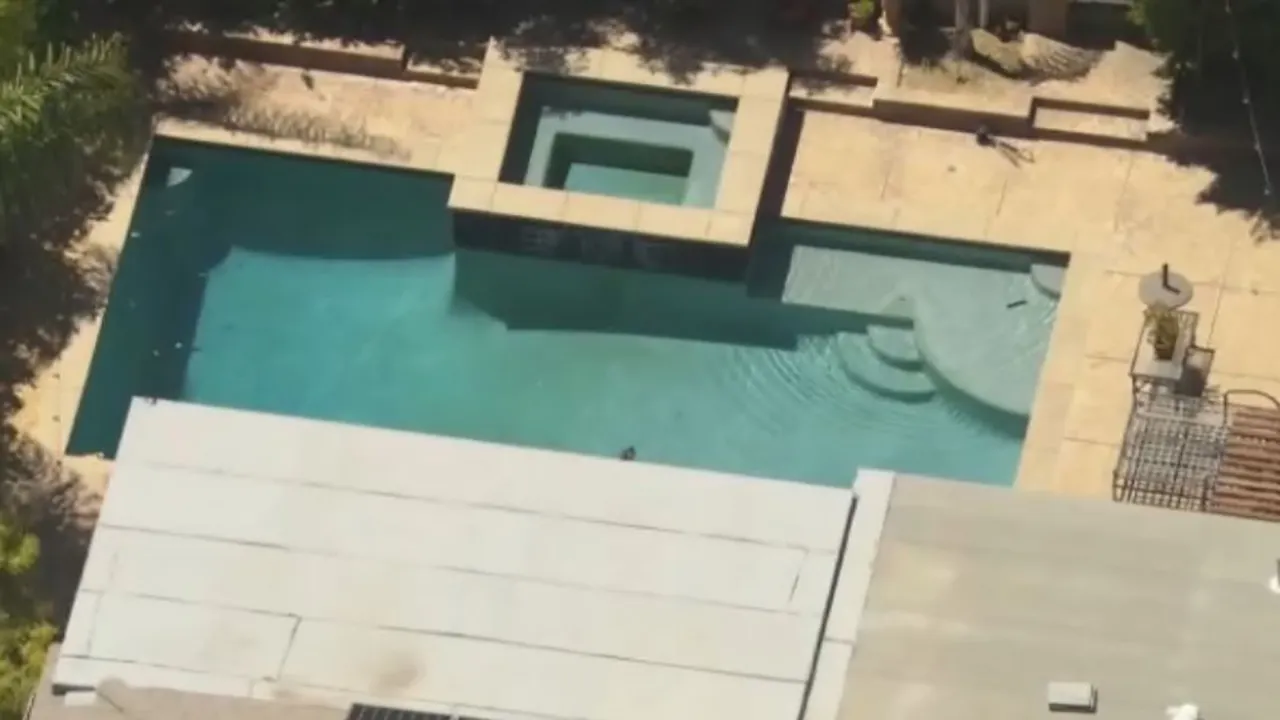
Emilie Kiser publicly takes responsibility for her 3-year-old son's drowning in her backyard pool, expressing grief and regret, and emphasizing the importance of pool safety to prevent future tragedies.
Social media influencer Emilie Kiser publicly takes responsibility for her son's tragic drowning in their backyard pool, acknowledging she should have implemented better safety measures, and expresses her grief and plans to set stricter boundaries online.
Emilie Kiser, an influencer, publicly mourns her 3-year-old son's death by drowning in their backyard pool, expressing regret for not having better safety measures and emphasizing the importance of pool fences to prevent similar tragedies. She also discusses the impact of social media on privacy and her plans to set boundaries online.
Peeing in pools is common but can lead to the formation of harmful chemicals called chloramines, which cause irritation and reduce disinfectant effectiveness. While it generally isn't a health risk for most people in well-chlorinated pools, it contributes to poor air quality and irritation, especially in smaller pools or poorly ventilated areas. Experts recommend avoiding it for hygiene and social reasons.
Peeing in pools is common but problematic because it reacts with chlorine to form harmful disinfection byproducts like chloramines, which can cause irritation and respiratory issues, especially in poorly ventilated areas. While a single pee in a large pool may have minimal impact, overall, it's considered bad behavior and best avoided for health and hygiene reasons.
Chlorinated pools can still harbor dangerous germs like cryptosporidium that survive for up to 10 days, and many swimmers introduce millions of microbes, increasing the risk of waterborne illnesses. Proper hygiene, avoiding urination and defecation in pools, and showering before swimming can help reduce these risks.
The Centers for Disease Control and Prevention (CDC) warns that the "chlorine smell" and red eyes experienced in pools are not caused by pool chemicals, but rather by the combination of chlorine with contaminants such as urine, feces, sweat, and makeup brought in by swimmers. A CDC study found that 58% of public pool samples tested positive for E. coli. These contaminants can form chloramines, which can cause skin and nasal irritation, coughing, asthma attacks, and wheezing. Persistent germs like cryptosporidium can survive in pool water, making it the leading cause of pool-related outbreaks. The CDC recommends checking inspection records, testing pH and chlorine levels, ensuring clear visibility in the pool, and checking for secure drain covers and safety equipment to stay safe at public pools.
Alyssa Nash, a 27-year-old woman from Iowa, has a 99% chance of inheriting the gene mutation for FTD, a rare form of early-onset dementia. Despite this, she remains hopeful about her future. Other health news includes the approval of a new quit-smoking drug, the potential for children as young as 4 to learn medical emergency training, the use of an AI chatbot to supplement cancer care, and a refresher on pool safety basics.
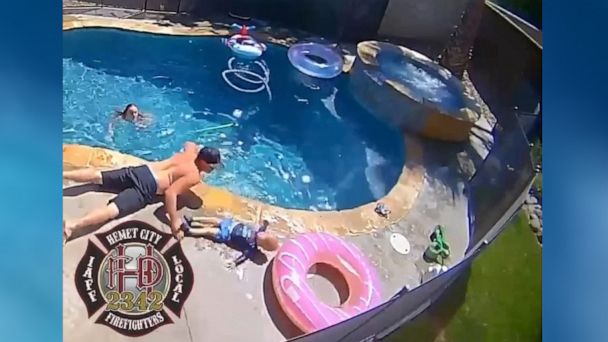
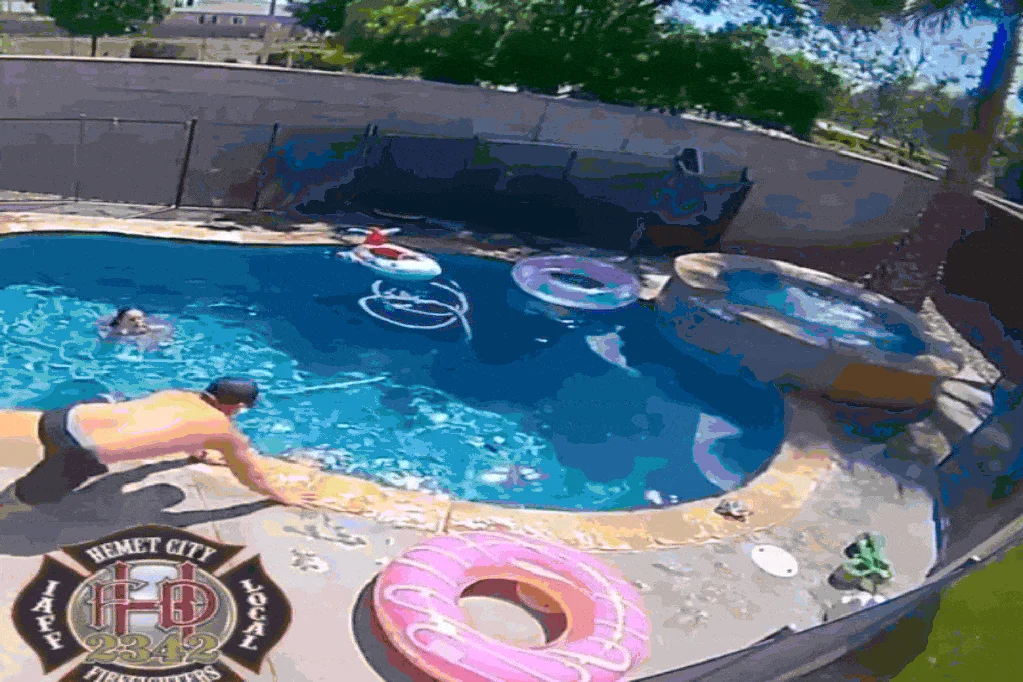
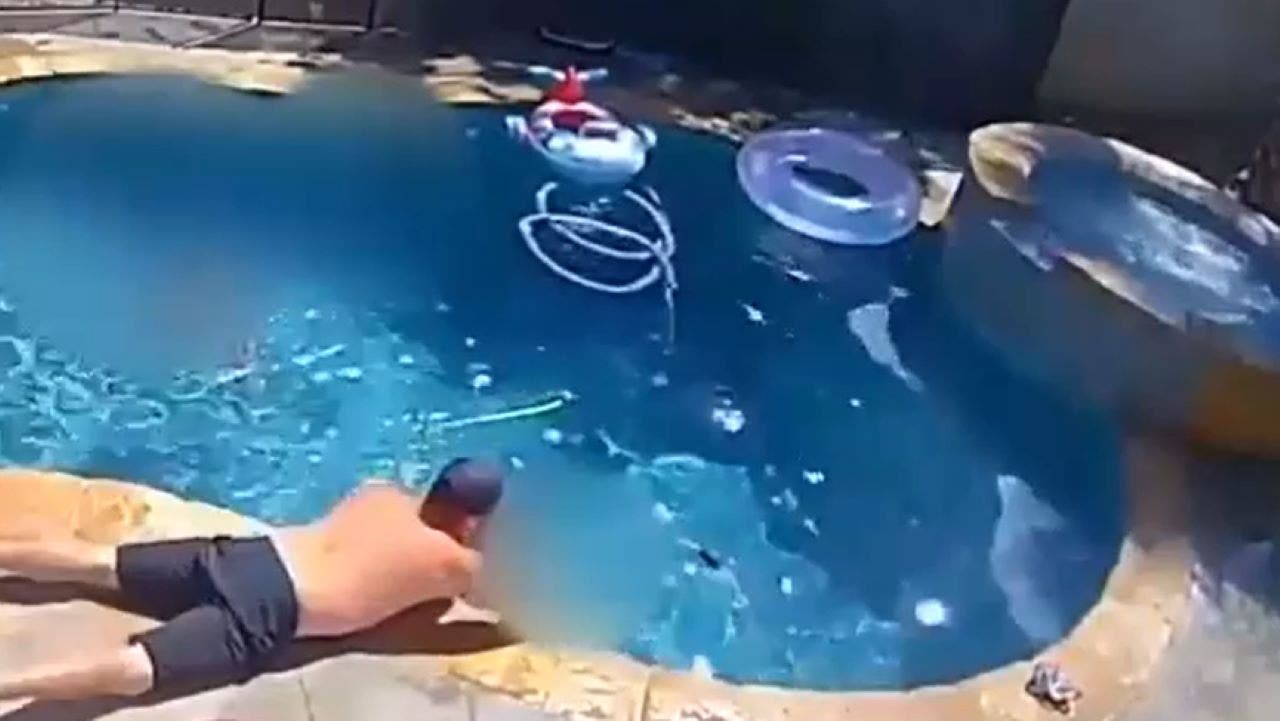
A first responder father saved his 1-year-old son from drowning in a pool after the toddler slipped off his life vest. The rescue was caught on camera and the father quickly rushed to the water's edge to pull out his son, who was unharmed. The incident prompted a pool safety reminder for parents ahead of summer, including using multiple layers of protection such as barriers, constant supervision, water competency, life jackets, and CPR skills. Parents should also avoid having a false sense of security when using float devices and designate a rotating team of adult "water watchers" to scan for distress.
A California firefighter and paramedic, Zachary Petite, saved his 1-year-old son from drowning in a pool, an incident that was captured on his Ring camera. The Hemet Firefighters Association shared the video on social media, urging parents to take note of how quickly children can drown. Despite taking all necessary precautions, including a gate around the pool and a personal flotation device, the boy still managed to get into the water. The association commended Petite for his quick action and reminded parents to be vigilant about pool safety.
A Southern California firefighter, identified as Zachary Petite, rescued his 1-year-old son from drowning in a pool on Tuesday. The Hemet Firefighters Association shared the footage on social media, asking parents to take note of how quickly children can drown. The association commended Petite for saving his son and reminded parents to take all proper precautions, including a gate around the pool and an appropriate Personal Flotation Device. Petite warned parents to ensure their pools have a gate, a child safety lock, and door alarms.
A 4-year-old boy died and his twin brother remains in critical condition after they were found unresponsive in a pool in Porter Ranch, California. The incident was reported at a home on Friday morning, and the brothers were rushed to the pediatric trauma center at Northridge Hospital. The cause of the incident is believed to be an accident, and officials are urging pool owners to take safety precautions, including having a water supervisor, erecting proper barriers, and learning CPR.