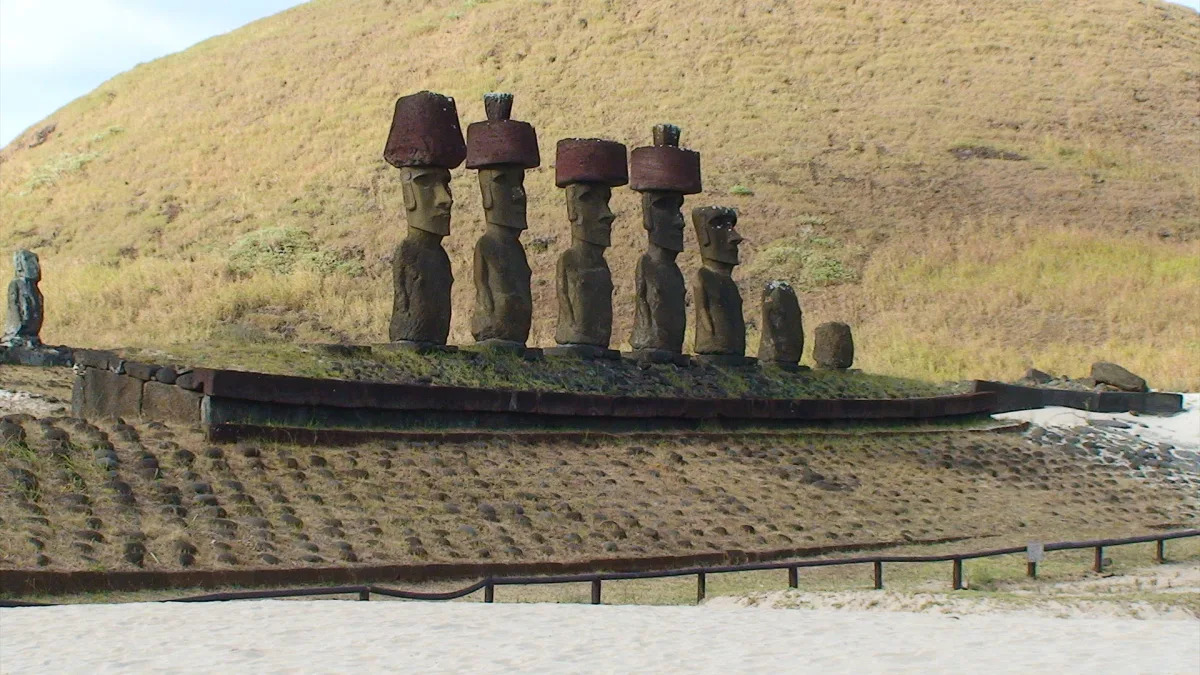
Archaeologists studying obsidian blades on Rapa Nui have found evidence that the island's early settlers had contact with South America, as indicated by the presence of starch grains from South American plants. The findings suggest that the islanders made voyages to South America, bringing back novel foodstuffs that influenced the island's agricultural landscape. This discovery challenges the long-held belief of Rapa Nui's isolation and supports the oral histories of the Rapu Nui people recounting voyages to South America during the island's early settlement phase.
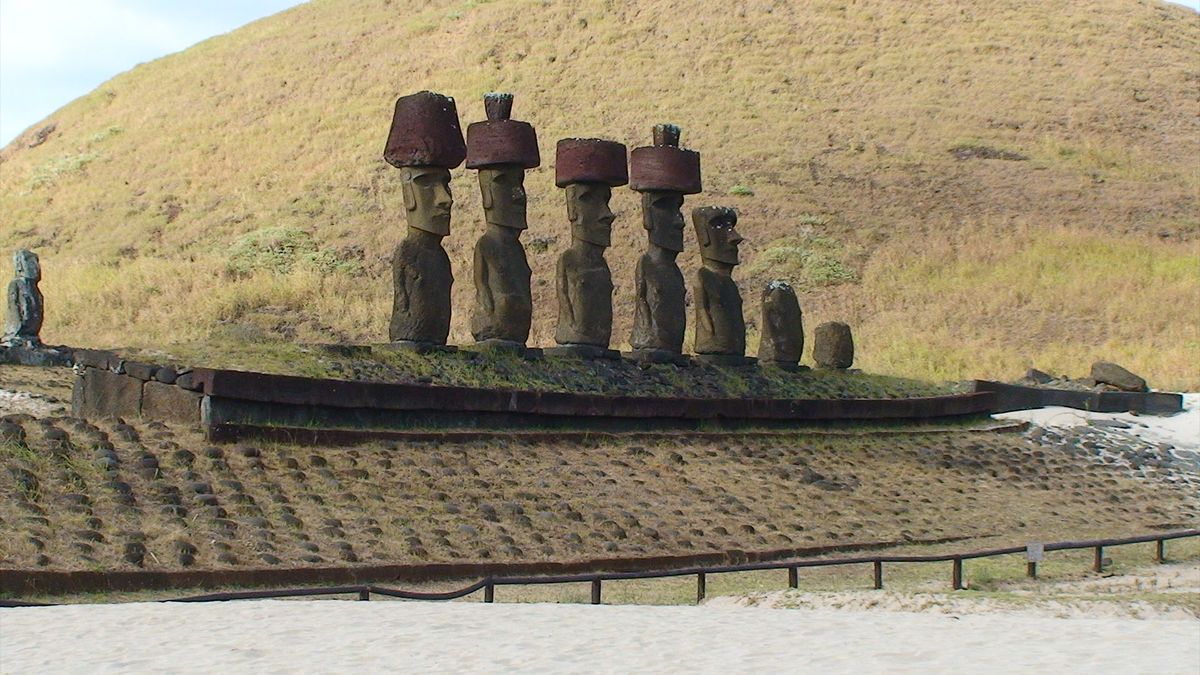
A new study reveals that the first settlers of Rapa Nui, also known as Easter Island, had regular contact with South Americans 1,000 years ago, as evidenced by starch grains found on obsidian blades at the archaeological site of Anakena. The findings suggest that the early Polynesians had a fusion cuisine of plants native to Polynesia and South America, indicating sustained interaction between the two populations nearly a millennium ago. This research contributes new information to the ongoing discussion of Rapa Nui prehistory, shedding light on the island's early settlement and its connections to South America.
A new study reveals that the first settlers of Rapa Nui, also known as Easter Island, had regular contact with South Americans 1,000 years ago, as evidenced by food remnants found on obsidian blades at the archaeological site of Anakena. The findings suggest that the early Polynesians had interactions with South American peoples and brought back crops from the continent, shedding light on the island's prehistory and the origins of its settlers.
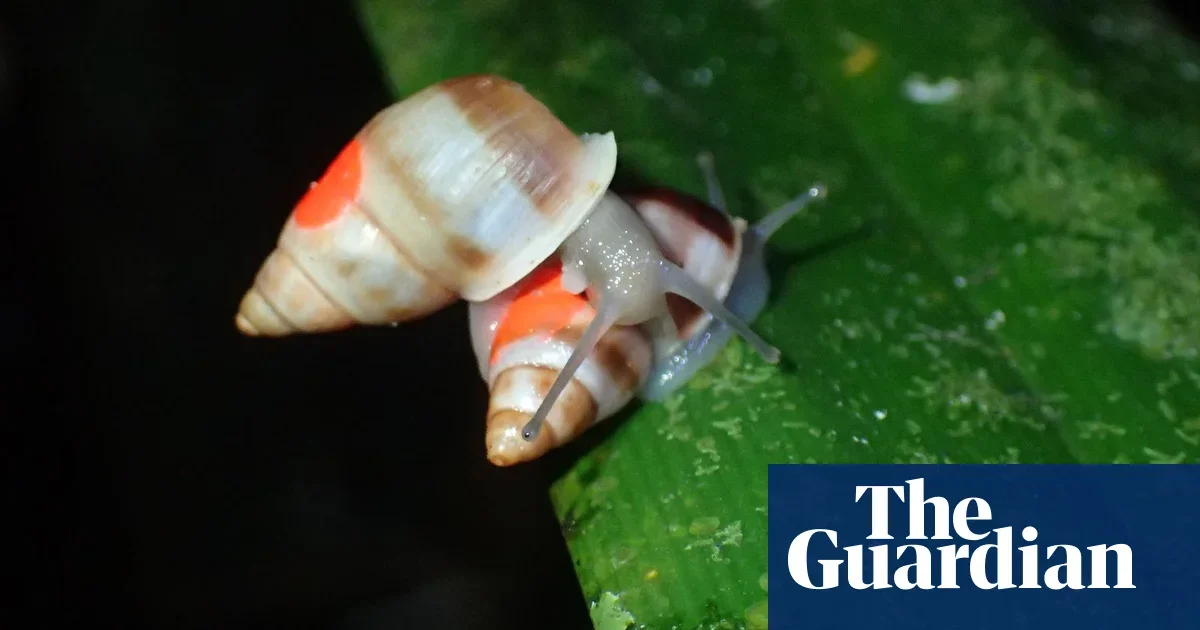
More than 5,000 partula snails, belonging to 11 different species, have been released on the islands of Moorea and Tahiti after being bred in captivity. The snails, which play an important role in maintaining tropical forest health, were classified as "extinct in the wild" by the IUCN Red List of endangered species. The release is the largest ever of an "extinct in the wild" species and is helping to restore the ecological balance to the islands. The snails were individually marked with a dot of red UV-reflective paint to help conservationists monitor the growing populations.