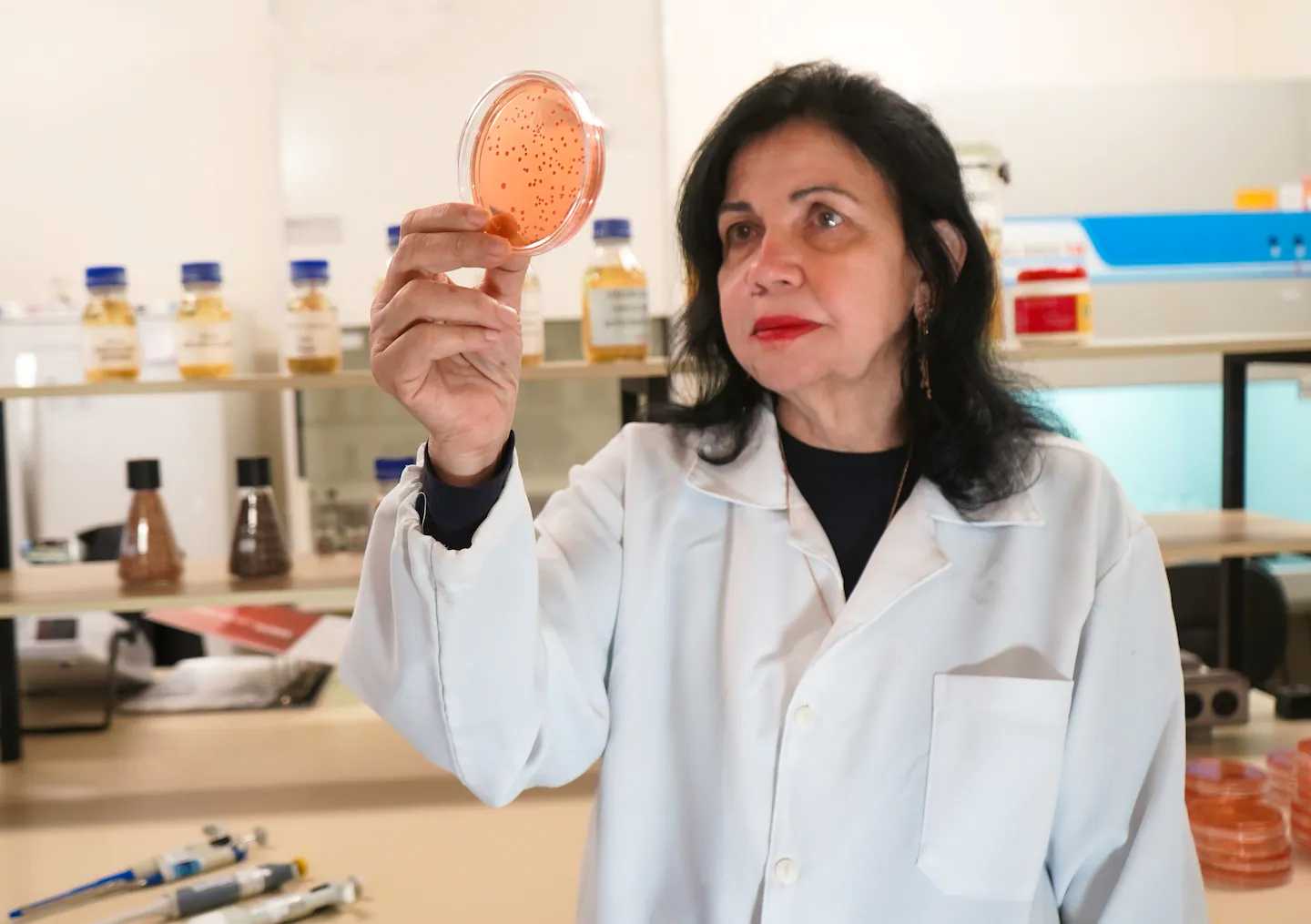
Mariangela Hungria won the 2025 World Food Prize for her research on nitrogen-fixing bacteria that enhance crop yields, reduce fertilizer costs, and lower pollution, offering a sustainable solution for farmers and global food security.
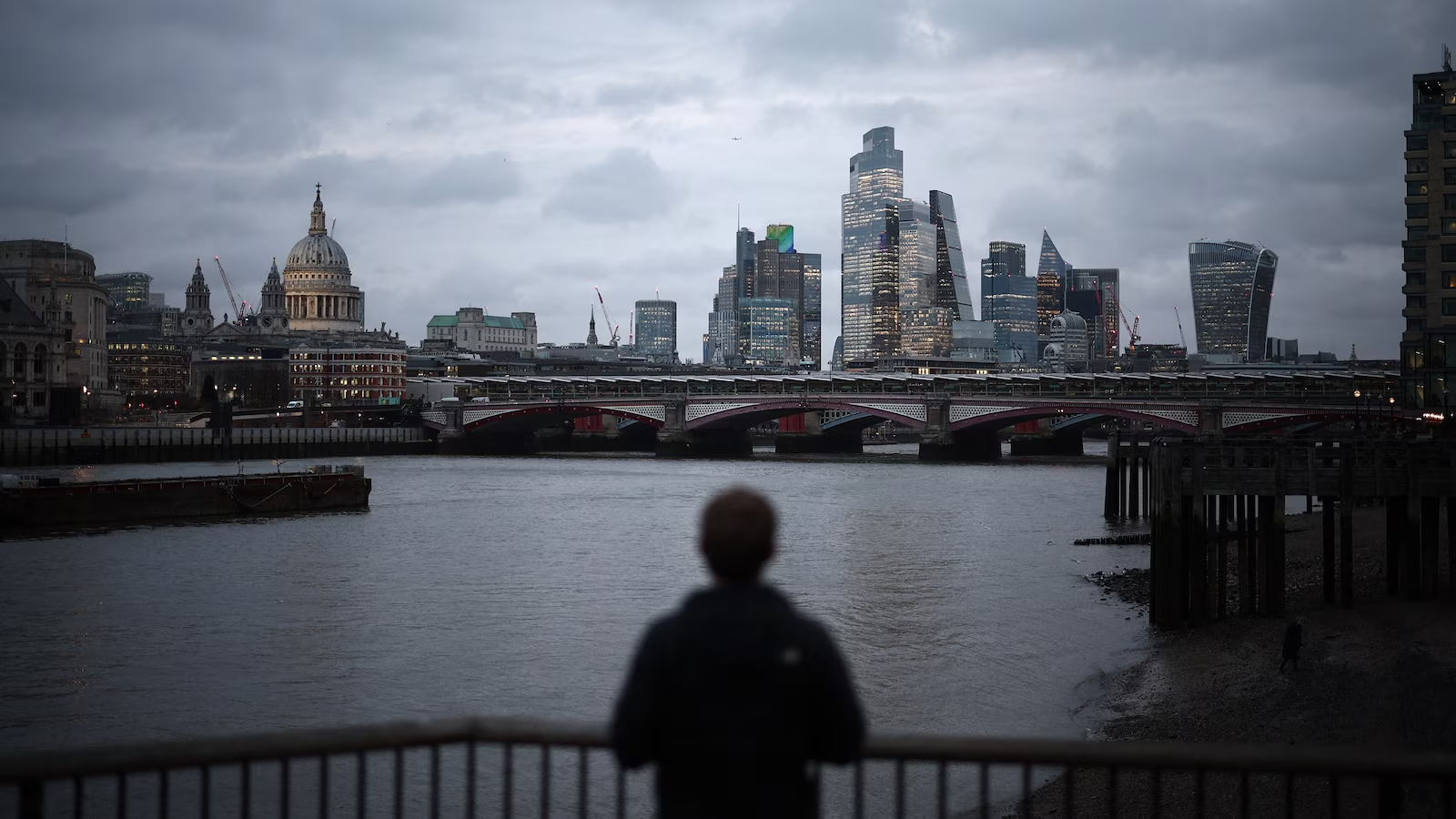
London's Thames River, historically polluted, is showing signs of ecological revival thanks to a £4.5 billion 'super sewer' project aimed at reducing waste discharges by 95%, alongside ongoing efforts by scientists and citizens to monitor fish populations and improve water quality, though challenges like pollution, infrastructure debt, and climate change remain.
Hundreds of people participated in the first organized swim in the Chicago River in nearly 100 years, symbolizing the significant environmental improvements made over the past decades to clean up the river, which was once heavily polluted and considered untouchable. The event highlights the progress in restoring urban waterways and the ongoing efforts needed to maintain these ecological gains.
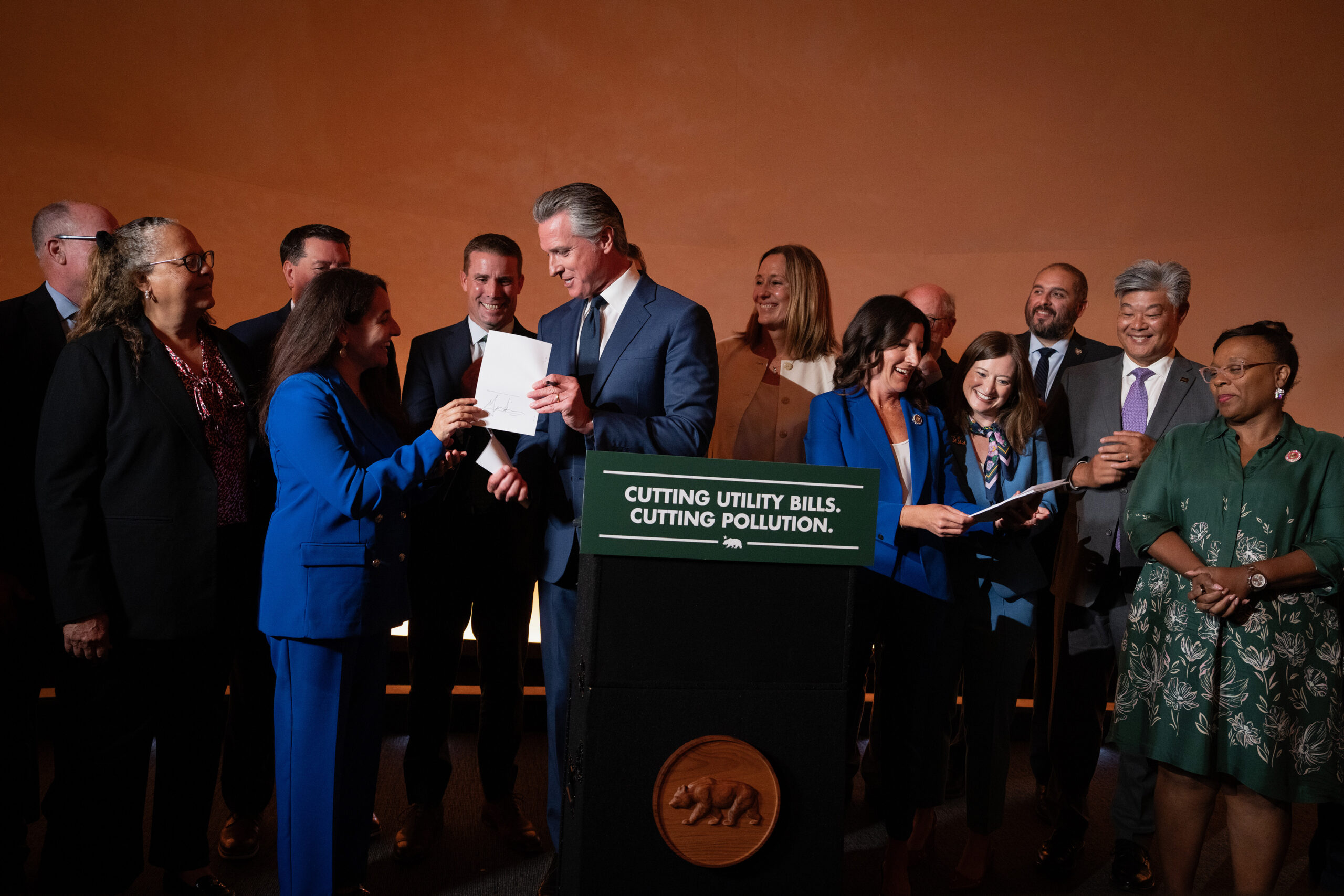
Governor Newsom signed a comprehensive bipartisan package of legislation aimed at saving billions on energy bills, stabilizing the gasoline market, reducing pollution, and enhancing wildfire protections in California, supported by diverse advocates and emphasizing the state's leadership in climate action and clean energy development.
Efforts since the 1960s have significantly reduced acid rain through policies like the US Clean Air Act and international agreements, along with natural microbial processes, though it could return if protections are rolled back. Progress in renewable energy and pollution control gives hope for continued environmental health.
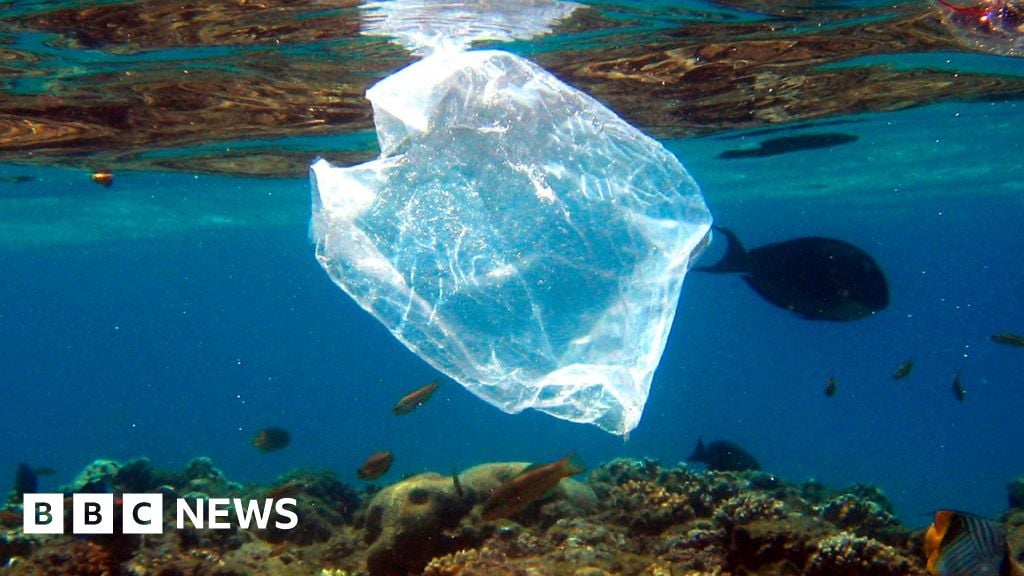
A study suggests that plastic bag bans and fees in the US have significantly reduced their presence on shorelines, especially in areas with higher initial litter levels, though overall plastic pollution continues to grow. Policies are more effective at the state level and in regions with severe litter problems, highlighting the importance of regulation in combating plastic pollution, but broader solutions are needed to address the entire issue.
Startup Spiro is expanding its electric bike and battery-swapping scheme to Kenya, with plans to deploy 1.2 million electric vehicles, marking a major milestone for the company. The scheme aims to eliminate fuel-guzzling motorbikes and scooters from the roads by trading them in for electric two-wheelers. Drivers are offered incentives to swap their existing bikes for electric ones and can access battery-swap stations to quickly switch out depleted batteries for fully charged ones. The initiative not only reduces air pollution and costs for drivers but also creates jobs and contributes to building Kenya's electric vehicle infrastructure.
Rising air pollution in South Asia, one of the world's most polluted regions, can reduce life expectancy by over five years per person, according to a report by the University of Chicago's Energy Policy Institute. The region, including Bangladesh, India, Nepal, and Pakistan, accounts for more than half of the global life years lost to pollution. Rapid industrialization and population growth have contributed to declining air quality, with particulate pollution levels now over 50% higher than at the start of the century. Meeting World Health Organization guidelines for reducing airborne particles could increase average life expectancy by 2.3 years globally. China's efforts to reduce pollution highlight the need for accessible air quality data to combat pollution.
A new study analyzing California's electric vehicle rebate program found that while EVs are reducing pollution, only affluent areas are benefiting. Wealthier areas saw much higher air pollution reductions compared to disadvantaged communities, which are more likely to live near fossil fuel infrastructure and in high traffic areas. Disadvantaged communities only received about 7% of rebates through the state program, and chargers are less likely to be found in rural and lower income communities, making EVs even more inaccessible. The study calls for further research to look at the full lifecycle of electric vehicles and their manufacturing's environmental concerns.